A washing machine that will not drain is one of the most common calls UK repair engineers get, and the good news is that most cases are a simple DIY fix, not a broken machine. Around 80% of drainage problems can be solved without calling anyone out, usually in well under an hour, once you know which of a handful of causes you are dealing with.
This guide walks through every cause in order of how likely it is, exactly how to check and fix each one safely, and when it genuinely is time to call an engineer instead of taking the machine apart yourself.
Before You Start: Safety First
- Unplug the machine at the socket before touching any panel or hose, water and electrics do not mix.
- Lay old towels down around the base, several litres of water are usually sitting inside even when the drum looks empty.
- Have a shallow container or bowl ready to catch water as you open the filter or disconnect the hose.
- If the machine is mid-cycle with the door locked, most models unlock automatically once fully unplugged and left for a few minutes, check your manual for an emergency release cable if not.
The Most Common Causes, Ranked by Likelihood
Before pulling the machine out from the wall, it helps to know what you are actually looking for. Here is how the causes stack up, based on UK appliance repair data and manufacturer guidance:
| Cause | How Common | DIY Difficulty | Typical Fix Time |
|---|---|---|---|
| Blocked drain filter | Very common | Easy | 10-15 minutes |
| Kinked or blocked drain hose | Very common | Easy | 15-20 minutes |
| Object stuck in the pump | Common | Easy-Moderate | 20-30 minutes |
| Door lock or lid switch fault | Common | Moderate | 10 minutes to diagnose |
| Blocked household drain pipe | Occasional | Easy-Moderate | 20-40 minutes |
| Excess detergent or foam | Occasional | Easy | One extra rinse cycle |
| Faulty drain pump | Less common | Hard, call an engineer | N/A |
| Control board (PCB) fault | Rare | Call an engineer | N/A |
Around 80% of washing machine drainage problems can be fixed without a professional repair visit.
How to Fix a Blocked Drain Filter (Start Here)
The drain filter is your washing machine’s first line of defence, it is designed to catch coins, buttons, hair grips, tissues, and lint before they reach the pump. Left unchecked for a few months, it clogs up completely and drainage grinds to a halt. Manufacturers including Beko recommend cleaning it every few months as routine maintenance, and our full washing machine filter cleaning guide covers the process in more detail if you want the complete walkthrough.
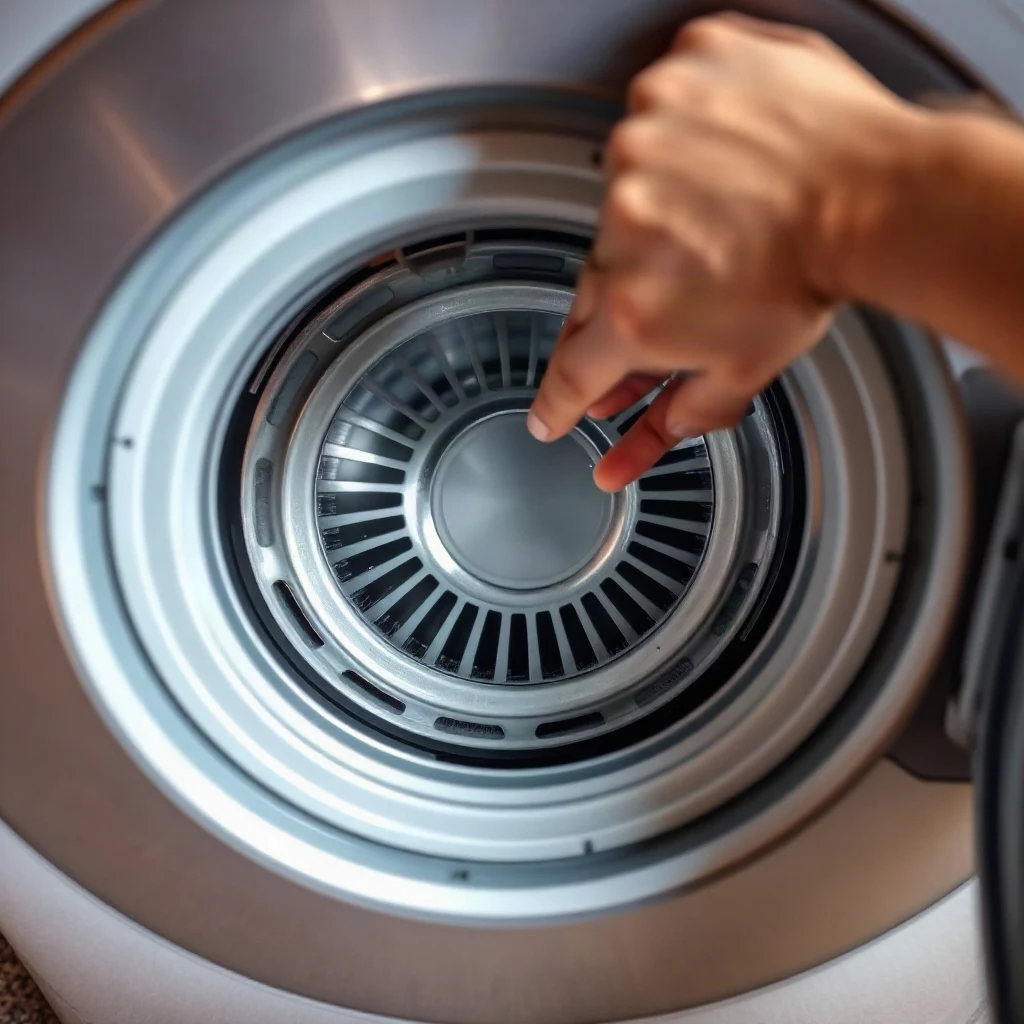
- Locate the small access panel or flap at the bottom front of the machine.
- Lay a towel down and have a shallow bowl ready, water will run out as soon as the cap loosens.
- Turn the filter cap slowly anticlockwise until it releases, do not force it or pull it straight out.
- Remove all debris by hand, then rinse the filter under a tap. An old toothbrush works well for stubborn grime.
- Check behind the filter housing for anything obviously lodged, then screw the cap back in clockwise until snug.
See filter cleaning brush sets on Amazon →
How to Check and Clear the Drain Hose
If the filter is clean and the machine still will not drain, the drain hose is the next most likely culprit. One UK homeowner posting on Mumsnet found the issue solved itself once they checked the outlet hose and found built-up residue blocking the end of it, a completely typical outcome. Lint, detergent scum, and limescale build up gradually inside the hose over months or years, especially in hard water areas.
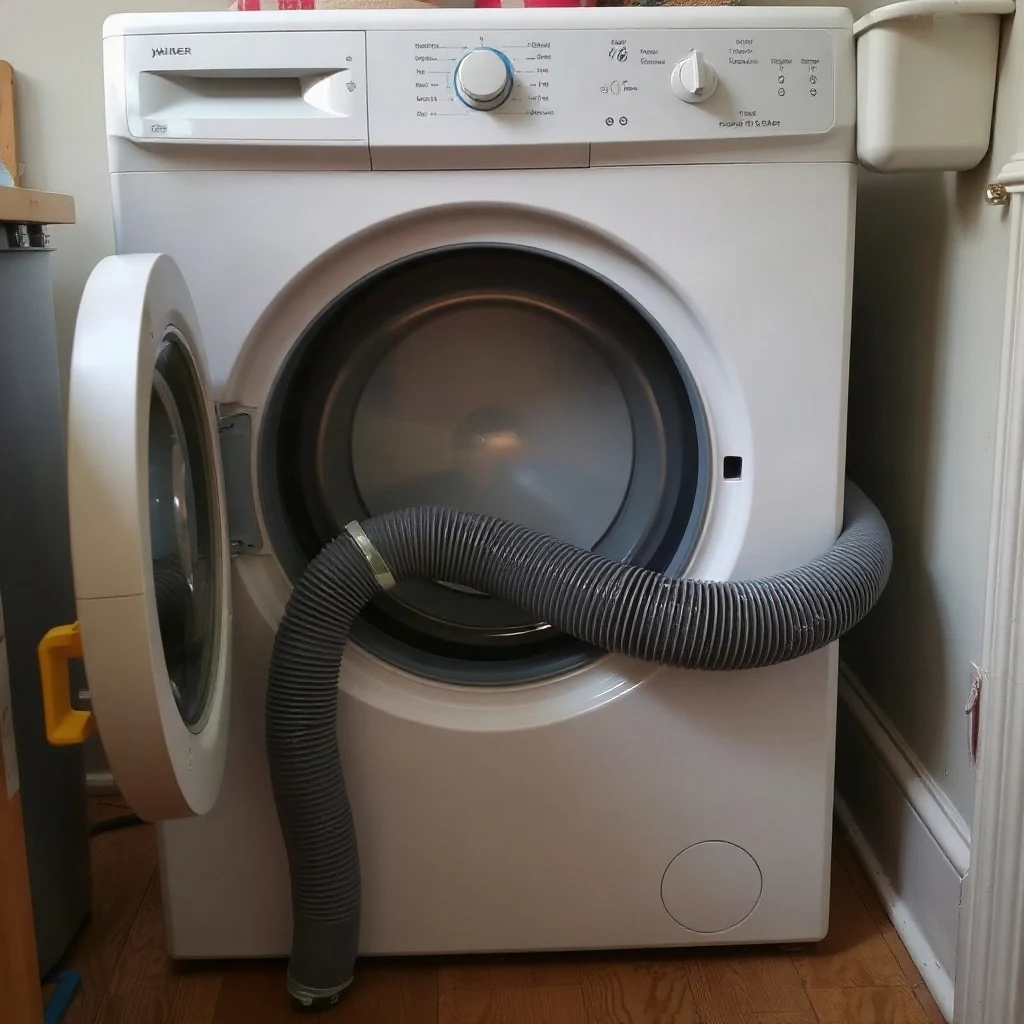
- Pull the machine gently away from the wall (unplugged, with the water supply off).
- Disconnect the hose at the drain outlet or standpipe end.
- Hold it up to a light and look through it for any visible blockage or kink.
- Run hot water through the hose over a sink, or soak the end in a hot vinegar solution if there is limescale buildup.
- Check the hose is not pushed more than about 15cm into the standpipe, inserting it too far can cause siphoning, which looks identical to a blockage but is actually a fitting problem.
- Reconnect securely and make sure the hose is not kinked, twisted, or crushed behind the machine.
Objects Stuck in the Pump
It is more common than you would think for small items to end up jammed in the pump housing itself, past the filter. UK forum threads on the topic mention finds ranging from coins and hair grips to small plastic toys, particularly in households with young children who tend to post small objects into gaps. If you hear a grinding or buzzing noise during the drain cycle rather than silence, this is a strong sign something solid is caught in the impeller.
With the machine unplugged, remove the filter as above and shine a torch into the housing. If you can see and reach the object with pliers or tweezers, remove it carefully without forcing the impeller blades. If it is out of reach, this is a good point to stop and call an engineer rather than dismantling the pump housing yourself.
Door Lock or Lid Switch Problems
Front-loading machines will refuse to drain, and sometimes will not even start the cycle, if the door lock mechanism is not sensing a secure closure. This is a safety feature, not a fault with the drainage system itself, but it produces the exact same symptom: standing water and a machine that seems stuck.
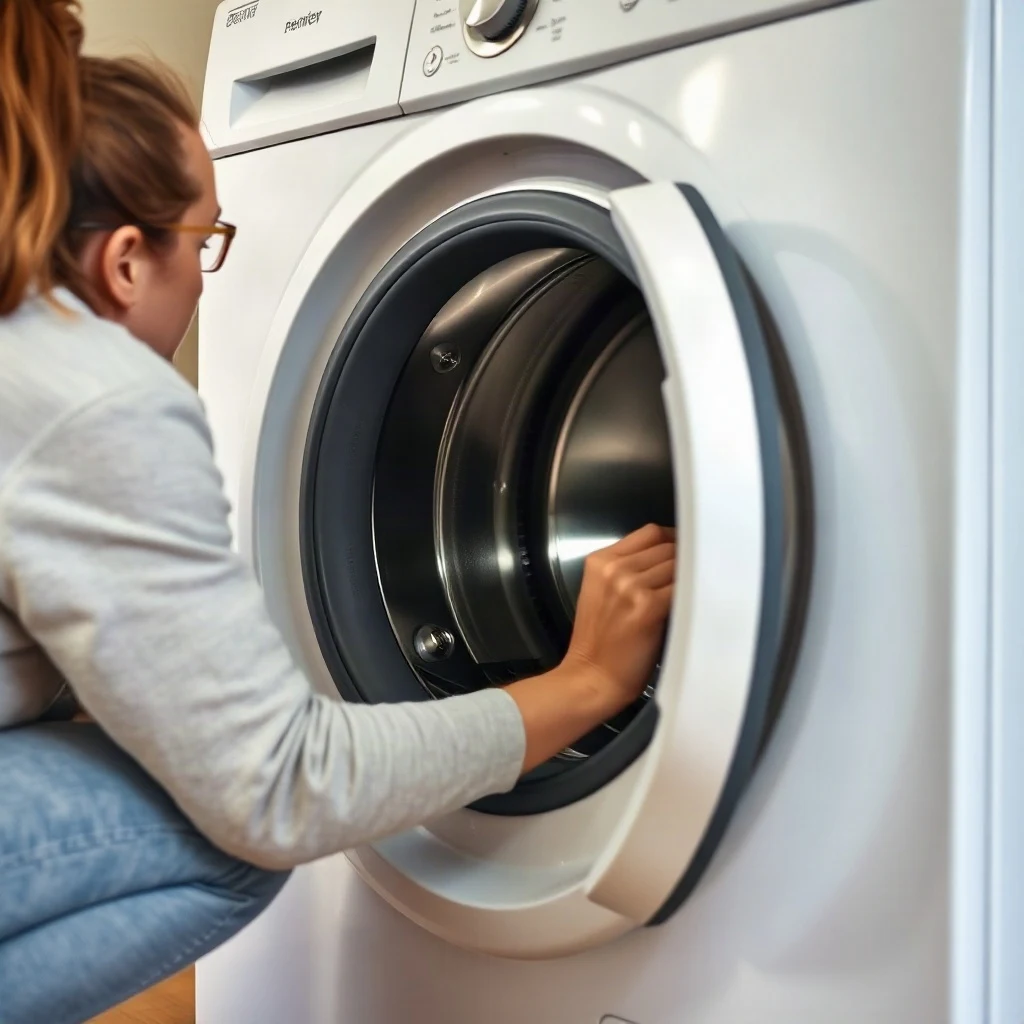
- Check the door closes with a firm, audible click, not just a soft push shut.
- Inspect the rubber door seal for trapped debris, food, or small items preventing a full seal, our guide to cleaning the rubber seal covers the buildup that commonly causes this.
- Look for visible damage or wear on the lock mechanism itself, a cracked or loose lock housing usually needs replacing rather than repairing.
- On top-loaders, confirm the lid sensor triggers properly, sometimes a light tap or realignment is all that is needed.
Blocked Household Drain Pipe
Sometimes the washing machine itself is completely fine, and the actual blockage is further down the pipework, particularly where the washing machine shares a drain with a kitchen sink, which is common in UK homes. One MoneySavingExpert forum thread traced exactly this problem back to a shared drain pipe with the kitchen sink, solved with boiling water and a plunger on the sink side rather than anything inside the machine.
If you have ruled out the filter, hose, and door lock, try running hot water down the nearest sink first. If that drains slowly too, the blockage is in the shared pipework rather than the machine, and a plunger or drain rods (rather than an engineer call-out) is usually all that is needed.
Excess Detergent or Foam Build-Up
Using too much detergent, or the wrong type for your machine, creates excessive foam that can interfere with the pump’s ability to sense water levels correctly. This is especially common after switching to a new detergent brand or accidentally doubling a dose. If you suspect this, run an empty rinse or spin cycle to clear the excess suds, and check the dosing guide on your detergent, UK tap water is generally soft to medium hardness and needs less than the US-style dosing instructions printed on some imported products.
Is This a Brand-Specific Issue?
Certain brands show up more often than others in UK searches for this exact problem, usually because of a specific known quirk rather than a design flaw. Here is what tends to be different by brand:
| Brand | Common Note |
|---|---|
| Beko | Publishes a clear filter and hose troubleshooting guide, and recommends checking hose insertion depth specifically to avoid siphoning. |
| Bosch | Known for a reasonably accessible filter panel, check this before assuming a pump fault. |
| Samsung | Some models show a specific drain-related error code (often 5E or similar) on the display, check your manual before opening any panel. |
| Hotpoint / Indesit | Older models occasionally show an F05 pump-related fault code, this points more toward the pump or PCB than the filter. |
| Hoover / Candy | Filter housings are generally similar to Bosch/Beko, start with the filter and hose. |
| Zanussi | As with most brands, hose blockages from detergent residue are the most frequently reported cause. |
DIY Fix or Call an Engineer?
If you have worked through the filter, hose, door lock, shared drain, and detergent checks above and the machine still will not drain, it is a reasonable point to call in a professional. UK repair call-outs for this kind of fault typically run £80-150, against £400+ for a full replacement, so it is nearly always worth the diagnostic visit first.
How to Stop It Happening Again
Most drainage failures are preventable with a small amount of routine maintenance. A monthly filter check takes minutes, and a proper maintenance wash every few weeks keeps detergent residue and limescale from building up inside the drum and pipework in the first place. If you are dealing with visible limescale or a musty smell alongside drainage issues, our guide to cleaning a washing machine with vinegar and baking soda is worth reading too, though note this is for drum and odour maintenance rather than clearing an actual drain blockage, the two problems look similar but need different fixes.
A monthly filter clean and a proper descale keeps the drain path clear.
For a complete rundown of tested options, see our best washing machine cleaners UK guide, and if the drum itself needs a deeper clean rather than just the drain path, our washing machine drum cleaning guide covers that separately.
Frequently Asked Questions
How do you fix a washing machine that won’t drain?
Start by checking and cleaning the drain filter at the bottom front of the machine, then check the drain hose at the back for kinks or blockages. These two steps resolve the majority of cases. If both are clear, check the door lock and the household drain pipe before assuming the pump has failed.
How do I force my washing machine to drain?
Most machines have an emergency drain hose behind the filter panel, place it in a low, shallow container and let gravity pull the water out before you start any repair work. Never try to force a drain cycle electronically while there is a fault present, as this can strain the pump further.
Why is there standing water in my washing machine?
Standing water almost always means the drain path is blocked somewhere between the drum and the outlet, most commonly the filter, then the hose, then occasionally the pump itself. It is rarely a sign the machine is broken beyond repair.
How do you unblock a washing machine drain?
Clean the filter first, then disconnect and flush the drain hose with hot water. If the machine shares a drain with a kitchen sink, try clearing that side too with a plunger or hot water, as the blockage is sometimes further down the shared pipework rather than in the machine.
Can baking soda and vinegar unclog a washing machine drain?
Baking soda and vinegar is excellent for cleaning drum odour and limescale, but it will not clear a physical blockage like a trapped object or a solid clog in the hose. For an actual drainage fault, mechanical clearing (filter and hose cleaning) is what fixes it, not a chemical treatment.
Why is my Beko washing machine not draining?
Beko machines most commonly show this fault from a blocked filter or a drain hose inserted too far into the standpipe, which can cause water to siphon back rather than draining properly. Check the hose is not pushed in more than about 15cm.
Why is my Samsung washing machine not draining?
Check the display for a drain-related error code first, Samsung machines often flag this specifically. If no code appears, the cause is usually the same filter or hose blockage found in any other brand.
Why is my Hotpoint or Indesit washing machine not draining?
Older Hotpoint and Indesit models sometimes display an F05 fault code, which points toward the pump rather than a simple blockage. If you see this code after checking the filter and hose, it is worth booking an engineer rather than continuing to troubleshoot yourself.
How much does it cost to fix a washing machine that won’t drain?
A professional call-out for a drainage fault in the UK typically costs £80-150, compared to £400 or more for a full machine replacement. Given that around 80% of cases are fixable with a simple filter or hose check, it is worth trying the DIY steps first.