No plunger in the house is not the emergency it feels like. A blocked toilet usually clears with washing-up liquid and hot water, baking soda and vinegar, or a simple trick using clingfilm to build pressure by hand, all things most homes already have without a trip to the shops.
This guide runs through each method in order of how easy and mess-free they are, what to do if the toilet is close to overflowing, and when a blockage means it is time to stop trying DIY fixes and call a plumber.
Before You Start: Check the Water Level
If the bowl is already full or close to overflowing, do not flush again, this is the single most common mistake and it is what actually causes the mess people associate with a blocked toilet. Let the water settle first. If it is very close to the rim, bail some out with a cup or small container into a bucket before attempting any of the methods below.
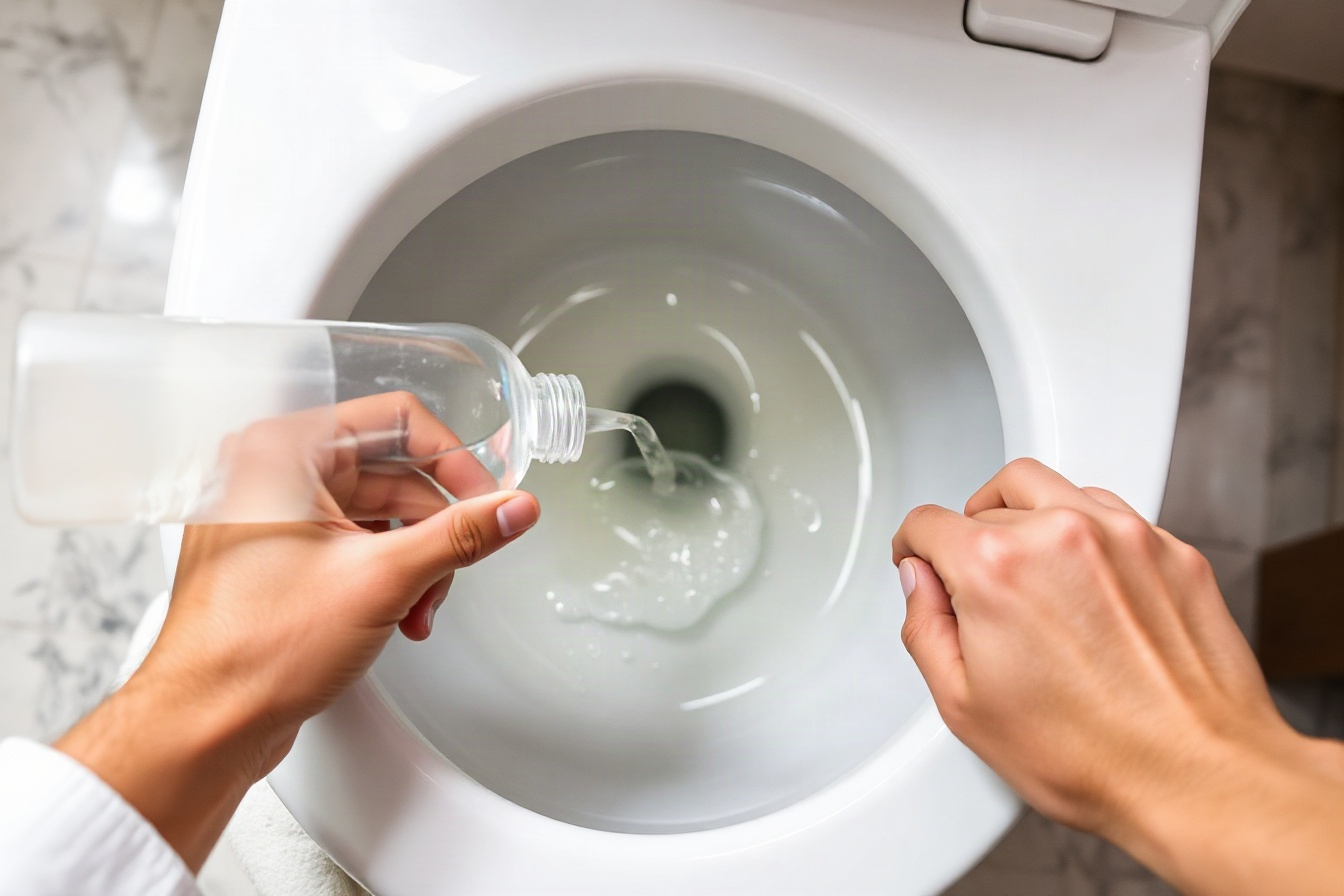
Method 1: Washing-Up Liquid and Hot Water (Easiest, Try This First)
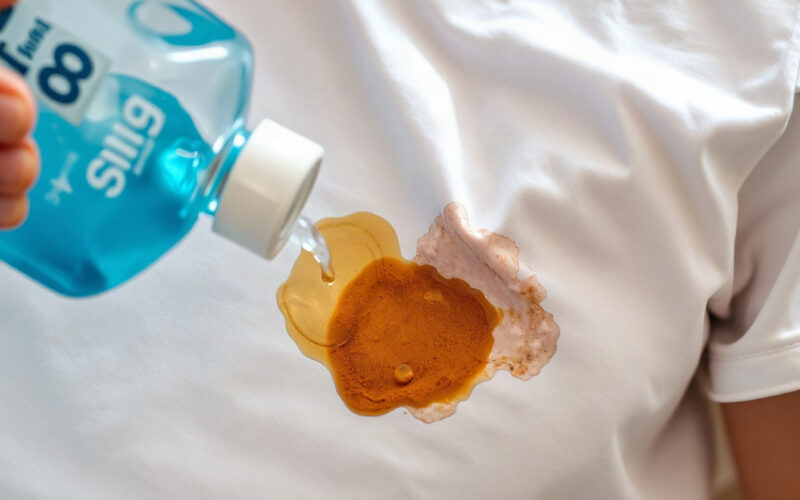
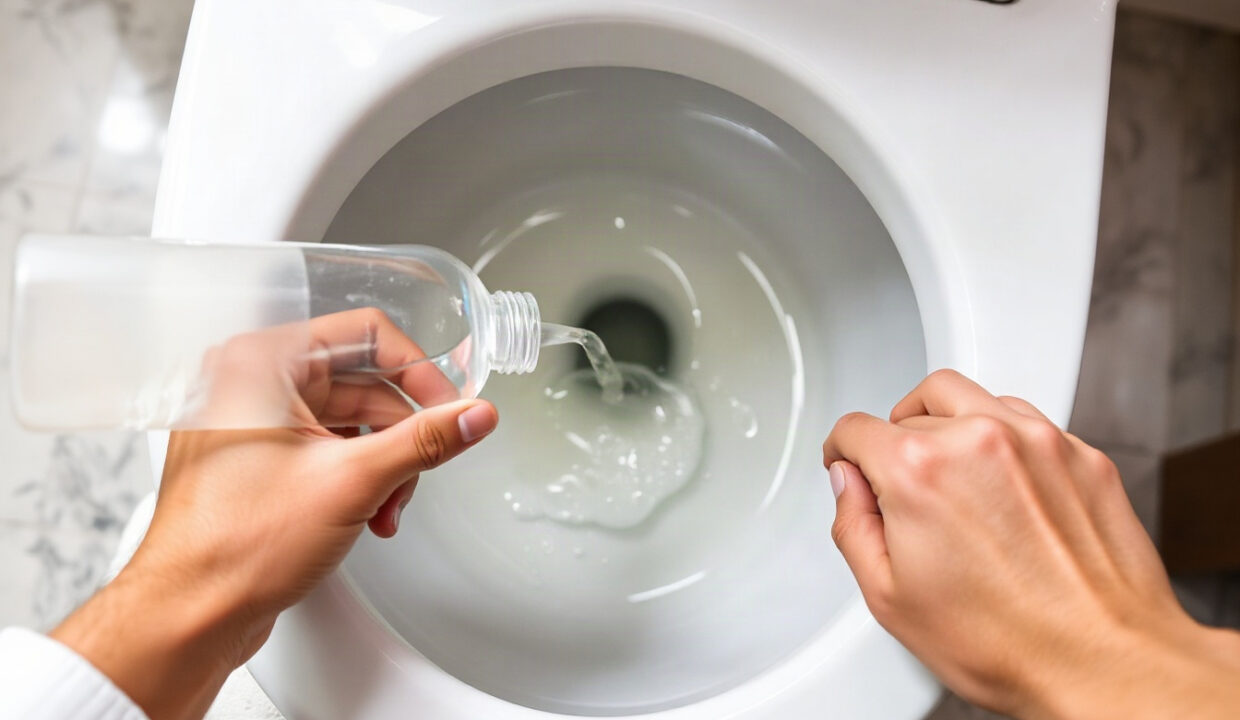
- Squeeze a generous amount of washing-up liquid into the bowl, about a quarter of a bottle.
- Heat a kettle or pan of water until hot but not boiling, boiling water can crack porcelain.
- Pour the hot water in from about waist height, the force combined with the soap helps break the blockage down.
- Leave for 15-20 minutes to let the soap work as a lubricant.
- Flush to check if it has cleared. If the water level drops, it has worked.
Washing-up liquid works because it is designed to cut through grease and reduce friction, the same properties that help a blockage slide through the pipe rather than stay lodged against it.
Method 2: The Clingfilm Trick (No Plunger Needed)
This is a genuinely effective substitute for a plunger, using ordinary clingfilm to create the same kind of pressure seal.
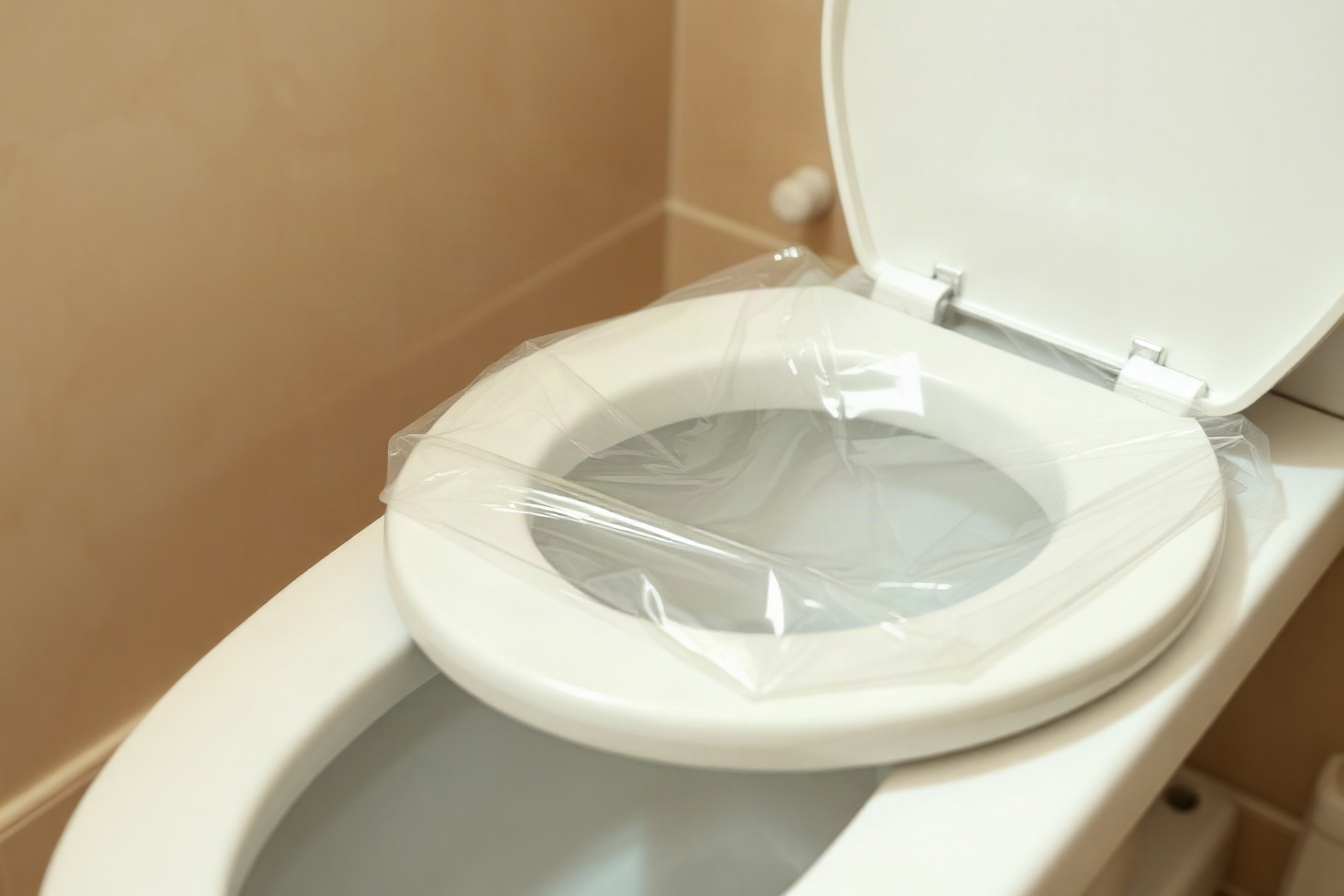
- Dry the toilet rim completely with paper towels, clingfilm will not stick to a wet surface.
- Stretch two or three layers of clingfilm tightly over the entire bowl opening, pressing down firmly around the rim so it seals completely.
- Flush the toilet. The film will balloon upward as air pressure builds, do not remove it yet.
- Gently press down on the bubble with your hand, then release. Repeat this pumping motion several times, it mimics the suction and pressure of a plunger.
- Carefully peel back a corner of the film to check if the water has started draining, then remove it fully and flush again to confirm.
A tight clingfilm seal creates the same pressure differential as a plunger, using something almost every kitchen already has.
Method 3: Baking Soda and Vinegar
Best for softer, organic blockages rather than solid objects, this method uses a chemical reaction to help break material down.
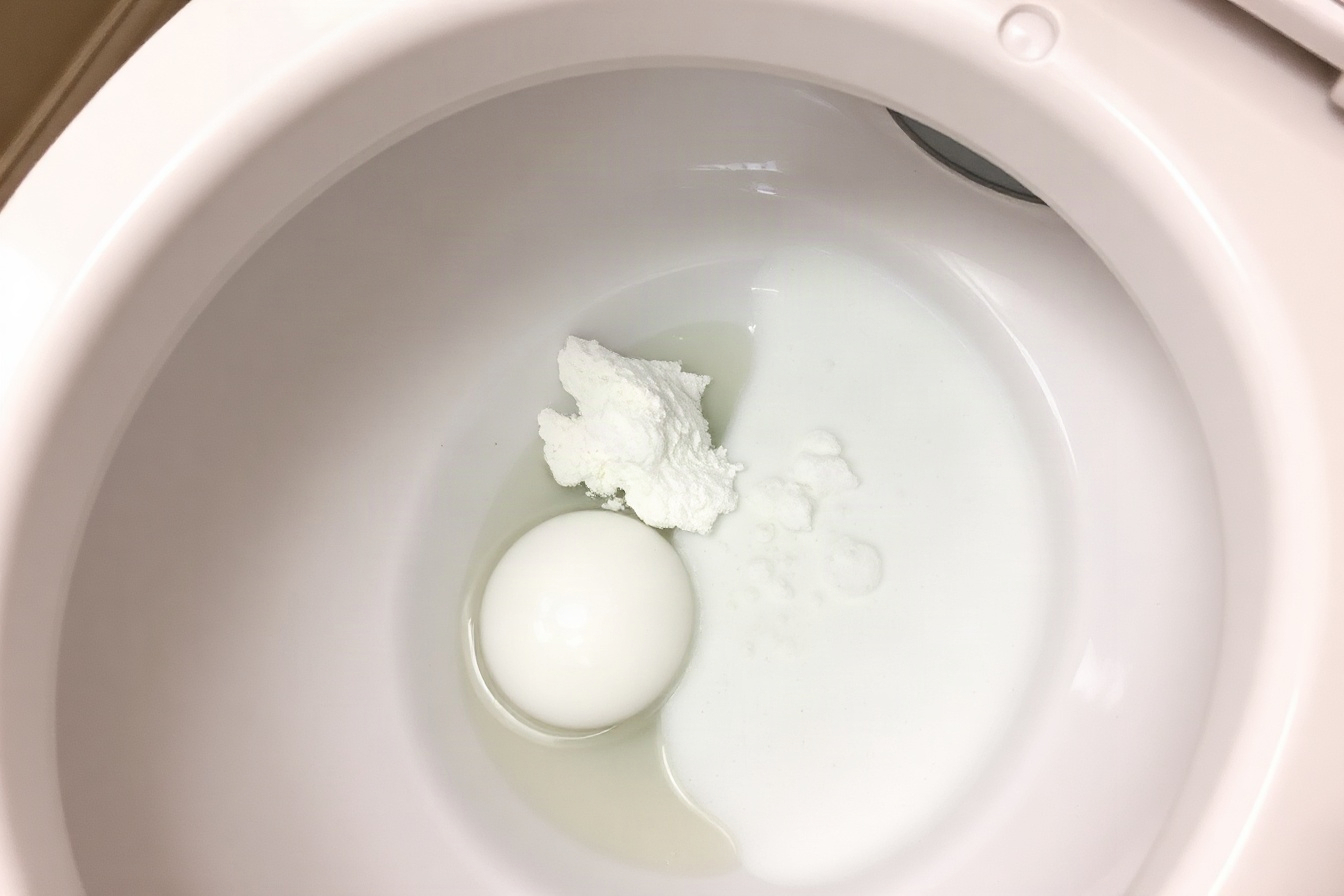
- Pour half a cup of baking soda into the bowl.
- Slowly add half a cup of white vinegar, it will fizz noticeably, pour it in gradually rather than all at once.
- Leave for 30 minutes to let the reaction work on the blockage.
- Add 2-3 litres of warm water and wait a further 10 minutes.
- Flush to check if it has cleared.
Method 4: Wire Coat Hanger
For a blockage you suspect is a solid object rather than waste, a straightened coat hanger can physically break it up.
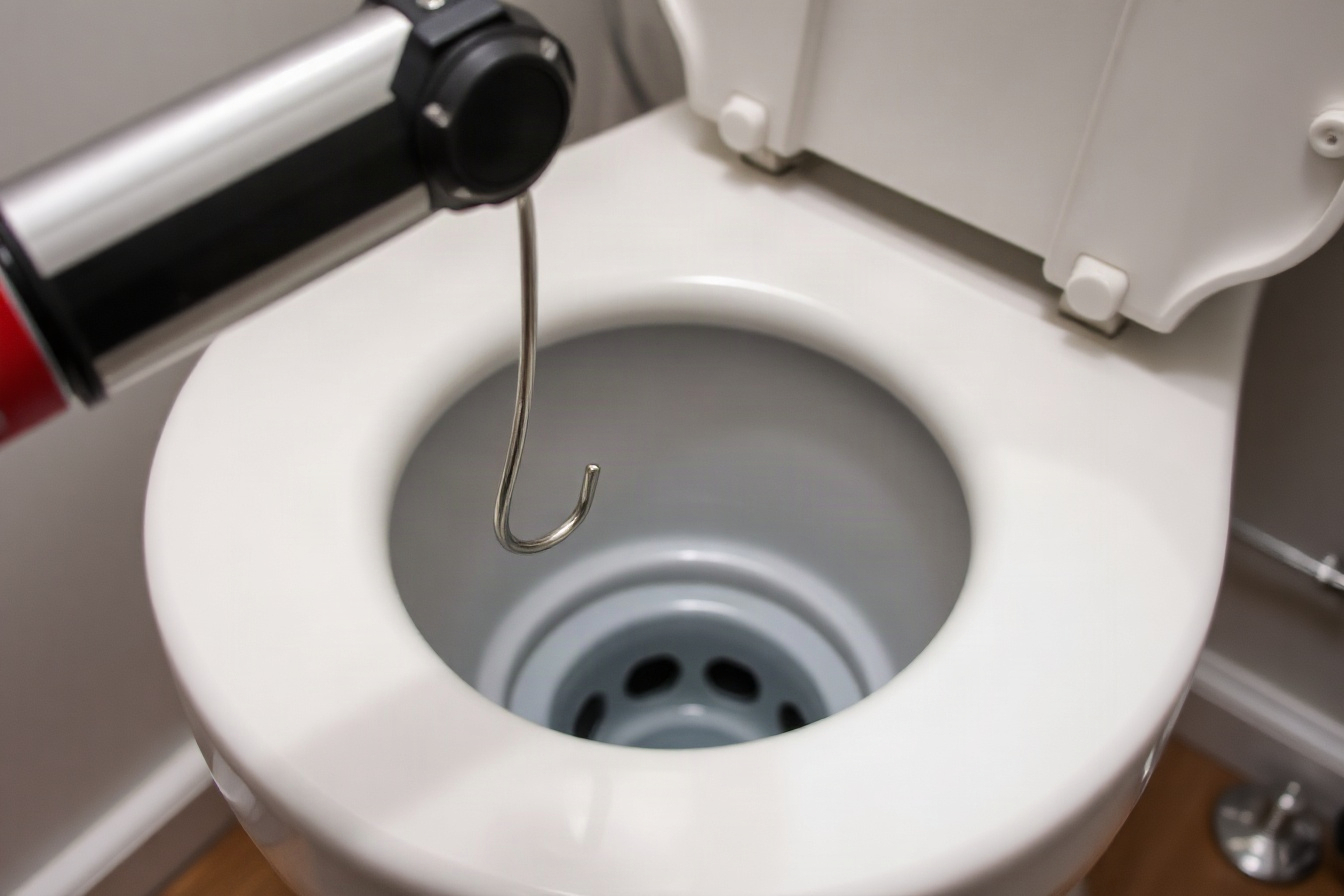
- Unwind a wire coat hanger and straighten it out as much as possible.
- Wrap the working end in a cloth or old sock to protect the porcelain from scratches.
- Gently feed it into the toilet drain and wiggle it to break up or dislodge the blockage, do not force it.
- Flush to check progress, repeating gently if needed.
Go gently here, the aim is to break the clog apart, not scratch the glaze inside the bowl, which can make future blockages more likely to stick in the same spot.
Which Method Should You Try First?
| Method | Best For | Time Needed |
|---|---|---|
| Washing-up liquid and hot water | Most everyday blockages, the easiest starting point | 20-30 minutes |
| Clingfilm trick | When you have no plunger and want mechanical pressure | 5-10 minutes |
| Baking soda and vinegar | Softer, organic blockages | 40-45 minutes |
| Wire coat hanger | Suspected solid objects lodged in the bend | 10-15 minutes, needs care |
| Plunger | Reliable for most blockages if you have one | 5-10 minutes |
Mistakes to Avoid
- Flushing repeatedly when the bowl is already nearly full, this is what actually causes overflow onto the floor.
- Using boiling water, it can crack the porcelain. Hot from the tap or kettle left to cool slightly is enough.
- Reaching for chemical drain cleaners as a first option, they can damage older pipework and are best left for genuinely stubborn blockages, if used at all.
- Forcing a wire hanger too hard, gentle wiggling breaks up a clog, force can scratch the bowl or push the blockage further down.
When to Call a Plumber
If you have tried two or three of the methods above and the toilet is still blocked, or if it keeps blocking again within days of clearing it, that usually points to something further down the pipework rather than a simple clog in the bowl itself, a plumber can check with a drain camera or rod further than any home method reaches.
If the issue seems to be further down the system rather than in the bowl, it is worth reading our guide on why a drain smells and how to fix it, a lingering smell alongside a slow-draining toilet is often the same underlying blockage.
Worth Keeping Under the Sink
A plunger and a flexible drain snake handle almost everything the household methods above cannot.
If limescale build-up around the bowl is a recurring issue alongside blockages, our guide on removing limescale covers the descaling approach, and for general drain upkeep our guide on cleaning a sink drain is worth a look too.
Frequently Asked Questions
Does washing-up liquid unblock a toilet?
Yes, it is one of the most effective household methods. Pour a generous amount into the bowl, follow with hot (not boiling) water, and leave for 15-20 minutes before flushing. The soap lubricates the blockage, helping it move through the pipe.
What can I pour down a toilet to unclog it?
Washing-up liquid and hot water is the most reliable combination, followed by baking soda and vinegar for softer, organic blockages. Avoid boiling water, which can crack the porcelain.
What causes a toilet to clog easily?
Frequent clogs are usually caused by too much toilet paper at once, non-flushable wipes or items, or a partial blockage further down the pipe that narrows the space waste can pass through. If it keeps happening, the pipework further along is worth checking.
Will a clogged toilet eventually unclog itself?
Sometimes, especially with soft, organic blockages that break down naturally over a few hours. It is not reliable enough to count on though, and repeated flushing while waiting can cause overflow, so it is worth trying one of the methods above rather than waiting it out.
How do you unblock a toilet without a plunger?
The clingfilm method is the closest substitute, stretching layers tightly over the bowl and using hand pressure to mimic a plunger’s suction. Washing-up liquid with hot water and baking soda with vinegar are also effective without any tools at all.
How do you unblock a toilet with poop stuck in it?
Washing-up liquid and hot water usually works well here, since it softens and lubricates organic waste. Leave it the full 15-20 minutes before flushing rather than checking too early.
Can you use a plunger on a toilet with no water in the bowl?
A plunger needs some water to form a seal and create suction, so add a small amount of water to the bowl first if it has drained low, roughly enough to cover the plunger head.