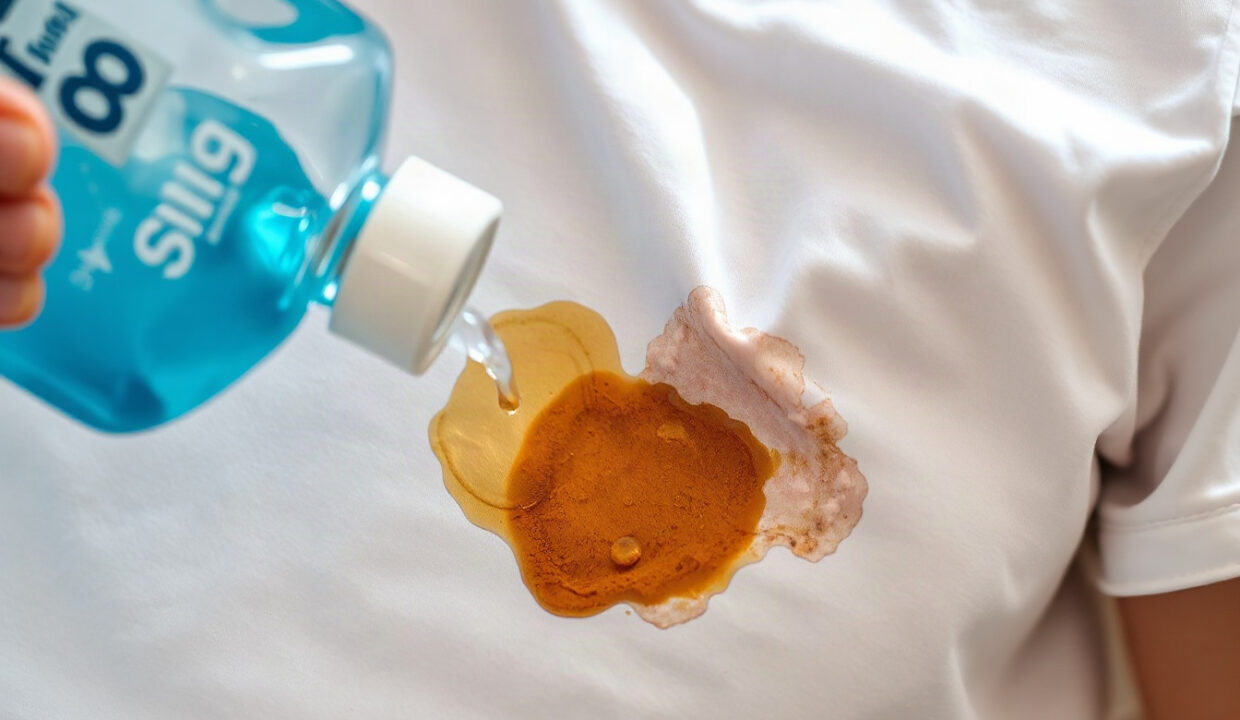
The single biggest mistake with an oil stain is washing it in hot water or putting it through the dryer before it is fully gone, heat sets oil permanently into the fibres and turns a fixable stain into a lost cause. The fix itself is simple: washing-up liquid, left to sit for a few minutes, breaks down fresh oil before it ever reaches the machine.
This guide covers the dish soap method for fresh stains, what to do if the oil has already dried in, and how to treat a stain that has already been through the wash and dryer once, which is trickier but often still fixable.
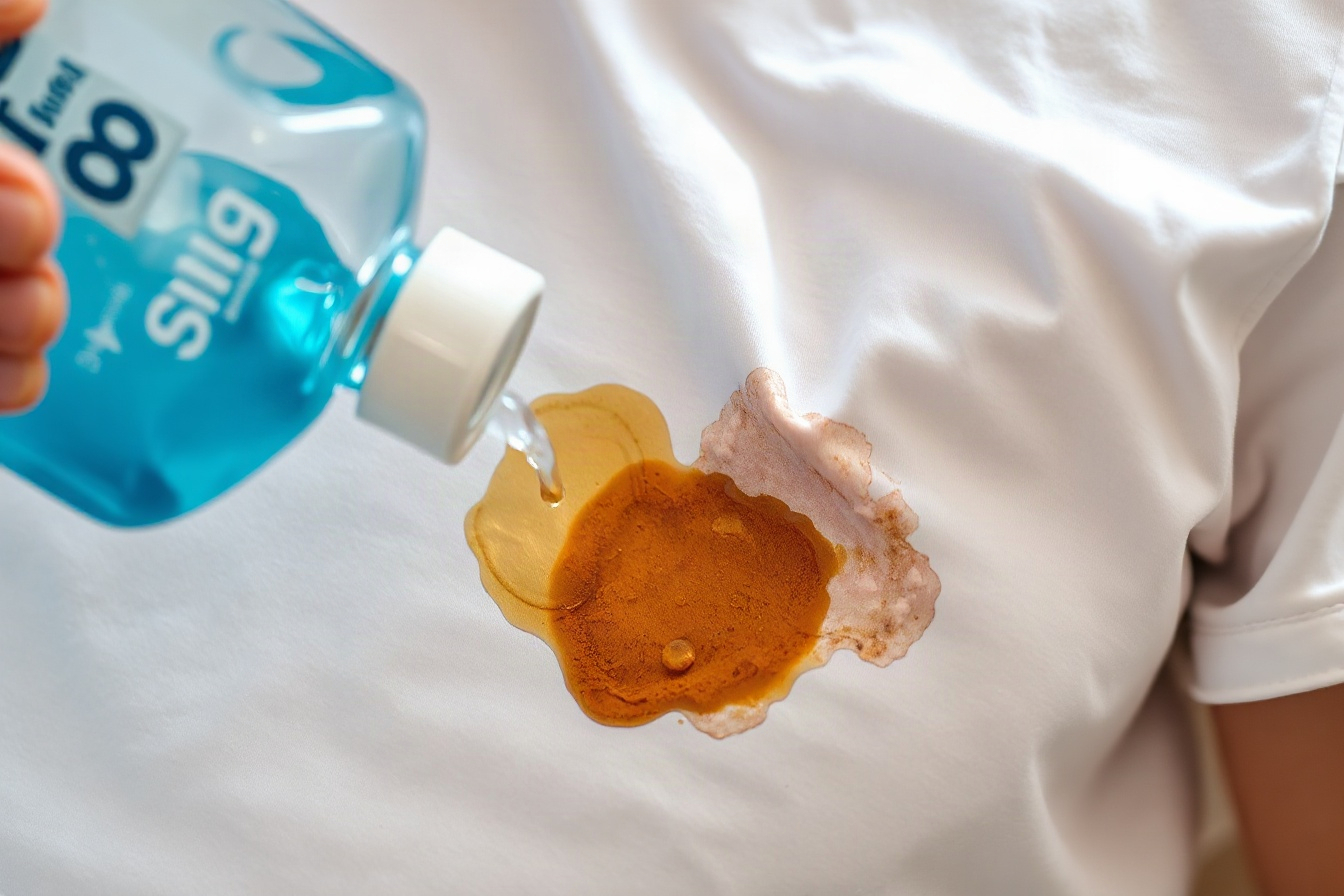
The Dish Soap Method (Best for Fresh Stains)
Washing-up liquid is designed to break down grease and oil on dishes, and it works exactly the same way on fabric. This is the method to reach for first, before the stain has a chance to set.
- Keep the fabric dry, do not rinse or wet the area before treating it.
- Apply a small amount of washing-up liquid directly onto the stain.
- Gently rub it in with your fingers or an old toothbrush to work it into the fibres.
- Leave for 5-10 minutes to let the soap break down the oil.
- Rinse thoroughly with warm water.
- Wash the item on the warmest water temperature safe for that fabric, checking the care label first.
- Air dry only. Check the stain is fully gone before it goes anywhere near a tumble dryer or iron.
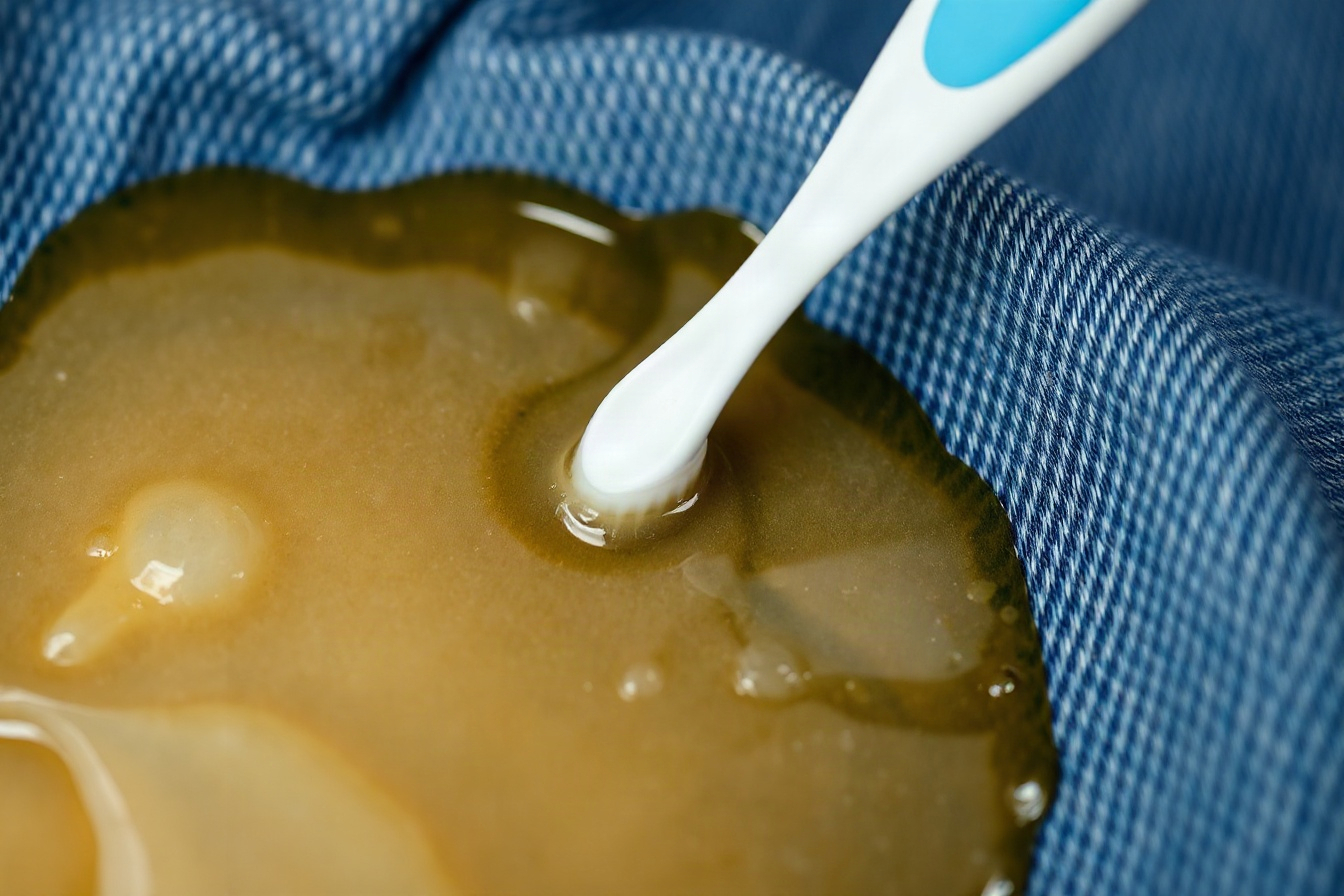
Heat is the enemy of an oil stain. A tumble dryer or a warm iron cooks the oil into the fabric fibres, turning a treatable stain into a permanent one.
The Baking Soda Method (Good for Very Fresh Spills)
If you catch a spill within minutes, before it has soaked in, baking soda or cornstarch can absorb much of the oil before it ever sets, which makes the soap step afterwards more effective.
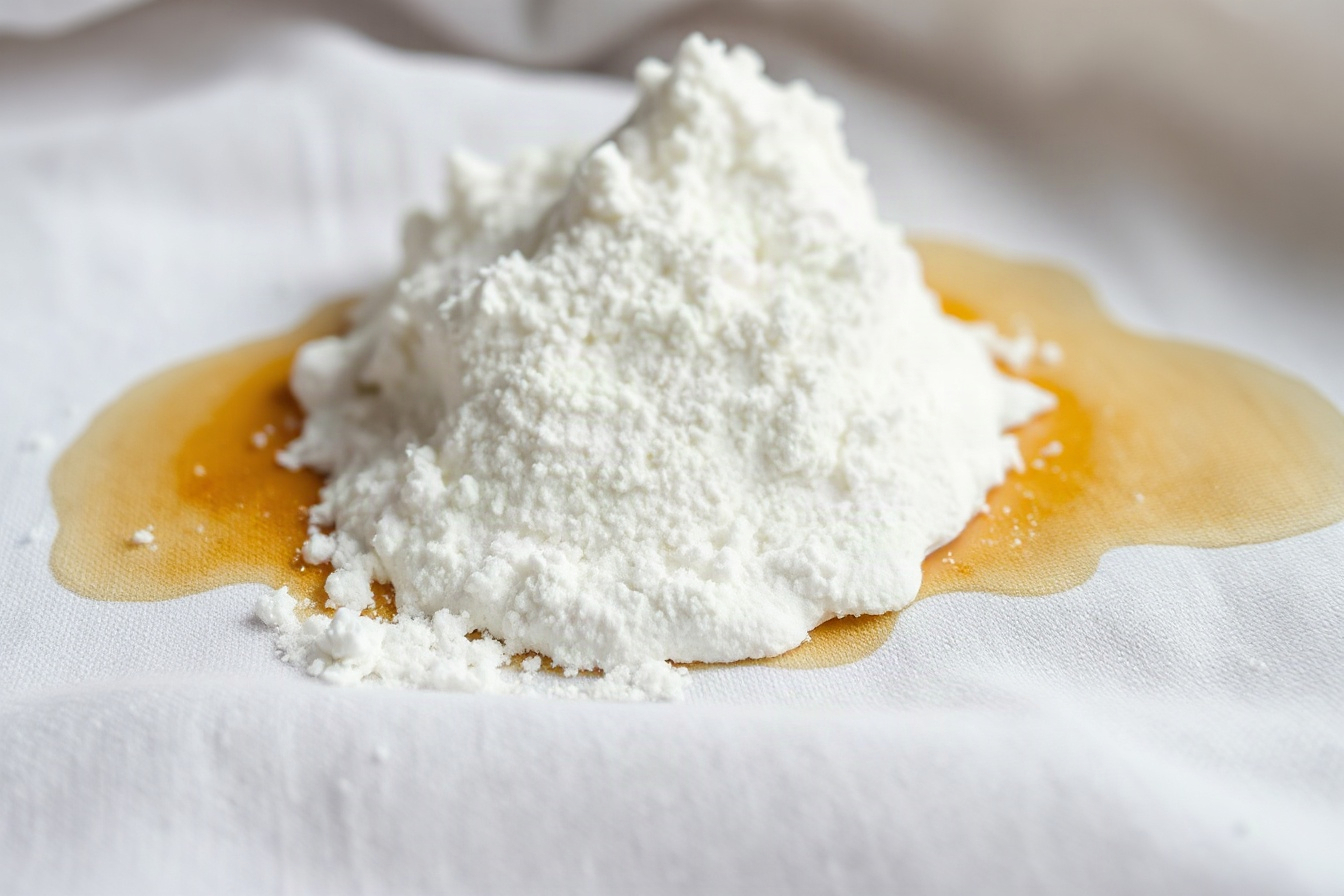
- Sprinkle baking soda or cornstarch generously over the stain while it is still fresh and wet.
- Leave it for 15-20 minutes to absorb as much surface oil as possible.
- Brush off the powder gently, it will look slightly clumped where it has absorbed oil.
- Follow up with the dish soap method above for anything left behind, baking soda alone rarely removes a stain completely, it just absorbs the surface oil first.
This step is optional and mostly useful on fresh spills, once oil has soaked into the fibres properly, baking soda has very little left to absorb and you can go straight to the soap method instead.
What If the Oil Stain Has Already Dried or Been Washed?
A stain that has already been through a wash and dry cycle is harder, but usually not impossible. The oil has bonded more firmly with the fibres, so it needs a stronger approach than fresh stains.
- Repeat the dish soap treatment above, working it in thoroughly with a toothbrush and giving it longer to sit, up to 30 minutes this time.
- Rinse, then soak the whole garment in warm water with a colour-safe oxygen-based stain remover for about an hour.
- Wash again on the warmest safe temperature for the fabric.
- Air dry and check the stain before repeating if needed, some deeply set stains take two or three full treatment cycles to fully lift.
Always test any stain remover or oxygen bleach on a hidden seam or inside hem first, particularly on delicate or hand-wash-only fabrics, some materials react badly to soaking in warm water for an extended period.
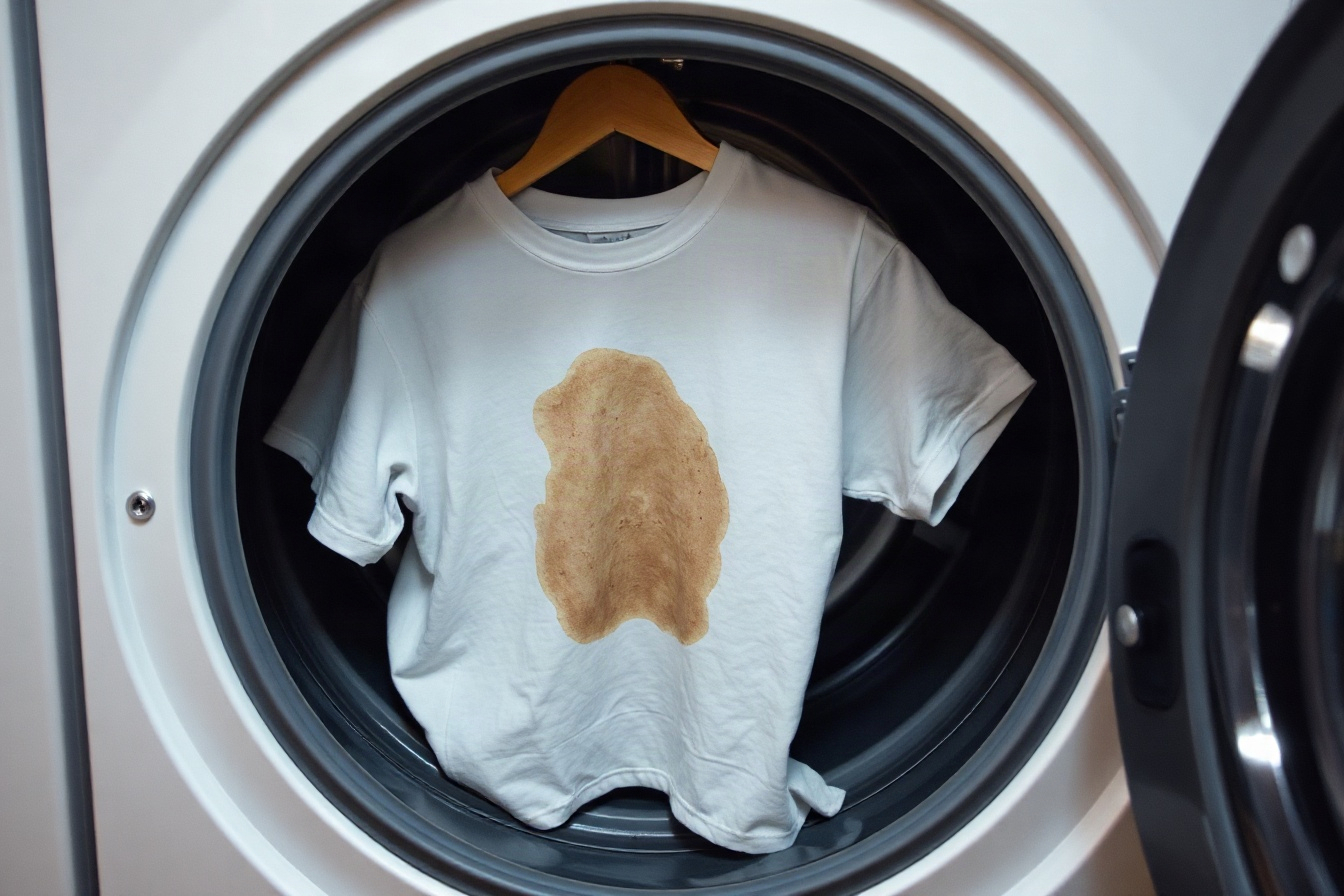
Does the Type of Oil Matter?
Most oils, cooking oil, olive oil, butter, motor oil, and hair oil, respond to the same soap-based approach, but a few points are worth knowing:
| Oil Type | Notes |
|---|---|
| Cooking and olive oil | Responds well to washing-up liquid, usually lifts within one treatment if caught reasonably fresh |
| Motor oil and grease | Often needs a longer soap dwell time and sometimes a second treatment, the oil is thicker and penetrates deeper |
| Hair oil and styling products | Tends to be lighter but can leave a faint yellow tinge on white fabric even after the greasy feel is gone, sunlight drying can help fade this |
| Butter and animal fats | Solidifies at room temperature, scrape off any excess solid fat first before treating the residual grease mark with soap |
Mistakes to Avoid
- Washing in hot water before pre-treating, this can spread the oil and set it before the soap has a chance to work.
- Tumble drying or ironing before confirming the stain is fully gone, heat is what turns a treatable stain into a permanent one.
- Rubbing too hard on delicate fabrics, this can wear or pill the fibres, work gently and let the soap and time do the work.
- Using regular laundry detergent alone as a pre-treatment, it is formulated for general washing, not for breaking down concentrated oil the way washing-up liquid does.
- Giving up after one attempt, older or thicker oil stains often need two or three repeated treatments rather than one longer soak.
Dish Soap vs Commercial Stain Removers
If the stain is on bedding or towels rather than clothing, it is worth checking our guide on what temperature actually kills germs in the wash, since the safe washing temperature for hygiene does not always match the safest temperature for stain removal.
Worth Having on Hand
A dedicated pre-treatment and a colour-safe oxygen bleach handle stains dish soap alone cannot shift.
Frequently Asked Questions
How do you get dried oil stains out of clothes?
Repeat the dish soap treatment with a longer dwell time, up to 30 minutes, working it in with a toothbrush. Follow with a warm soak using a colour-safe oxygen stain remover for about an hour before washing again. Dried stains often need two or three treatment cycles.
Does washing-up liquid get oil out of clothes?
Yes, washing-up liquid is one of the most effective and accessible methods. Apply it directly to the dry stain, rub in gently, leave for 5-10 minutes, then rinse and wash as normal on the warmest safe temperature.
Can oil stains become permanent?
Yes, if the fabric goes through a hot wash or tumble dryer before the stain is treated, the heat can set the oil permanently into the fibres. This is why pre-treatment before washing, and air drying afterwards, matters so much.
How do you remove oil stains that have already been washed?
Treat again with dish soap and a longer dwell time, then soak the item in warm water with a colour-safe oxygen bleach for about an hour before washing again. It usually takes more than one attempt, but most stains still lift with repeated treatment.
How do you get old olive or cooking oil stains out of clothes?
The same dish soap method works well: apply directly to the dry stain, rub in, leave for 5-10 minutes, rinse, then wash on the warmest safe setting. Older stains may need a second treatment before they fully disappear.
How do you get motor oil stains out of clothes?
Motor oil is thicker than cooking oil, so give the dish soap longer to work, 15-20 minutes rather than 5-10, and consider a second treatment before washing. A dedicated grease-specific stain remover can help on heavily soiled work clothes.
Does baking soda remove oil stains from clothes?
Baking soda absorbs surface oil on very fresh spills but rarely removes a stain completely on its own. It works best as a first step on a spill that is still wet, followed by the dish soap method for whatever is left behind.