Cleaning Science
Reading a Cleaning Product Label in the UK: Hazard Symbols, Warnings and Which Products Never to Combine
Red diamonds, Danger or Warning, H-codes: how to read a UK cleaner label, plus a checker…

Evidence-based cleaning answers backed by peer-reviewed research.
Red diamonds, Danger or Warning, H-codes: how to read a UK cleaner label, plus a checker…
No, bicarbonate of soda does not disinfect. It cleans and deodorises but leaves most bacteria alive,…
Cash carries bacteria, but the risk to healthy people is low. Wash your hands after handling…
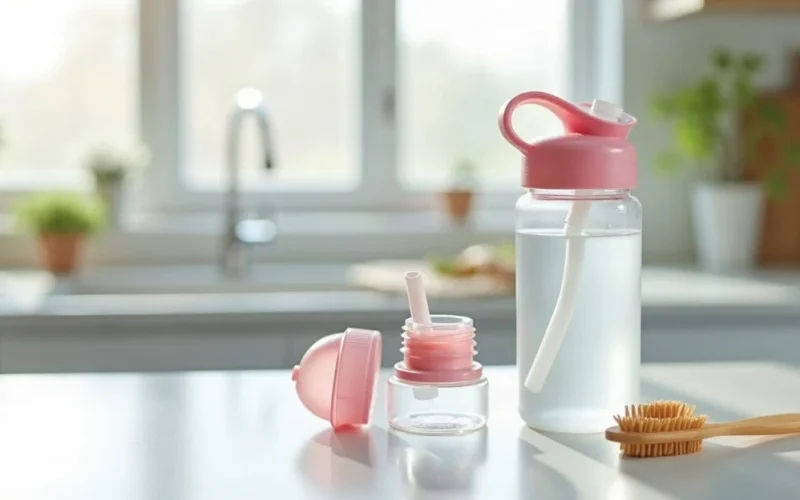
Most bacteria in a reusable bottle come from your own mouth. Wash the lid and seals…
You can cut mould off only hard cheese and firm veg, with a 2.5cm margin. Bin…
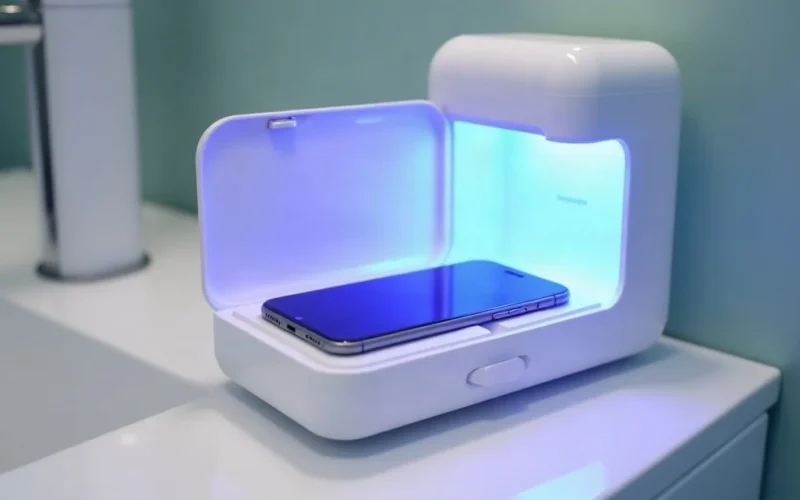
UV-C phone sanitisers can reduce germs, but only where the light reaches, and they do not…
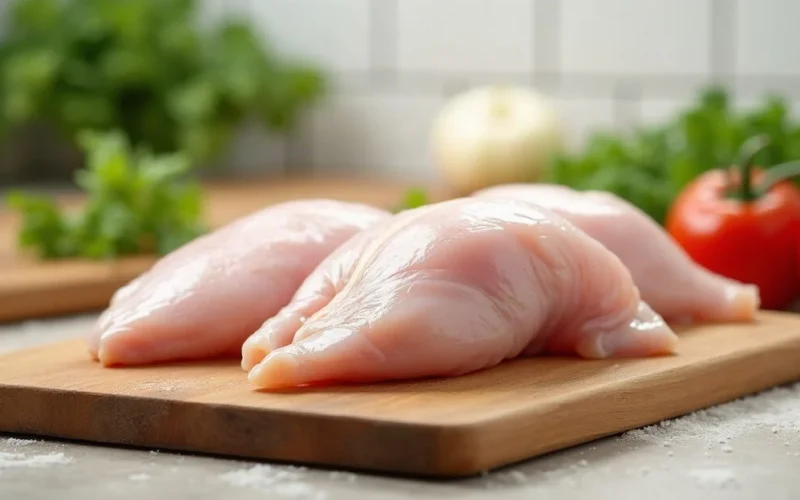
Do not wash raw chicken: the FSA and NHS say rinsing spreads campylobacter around your kitchen.…
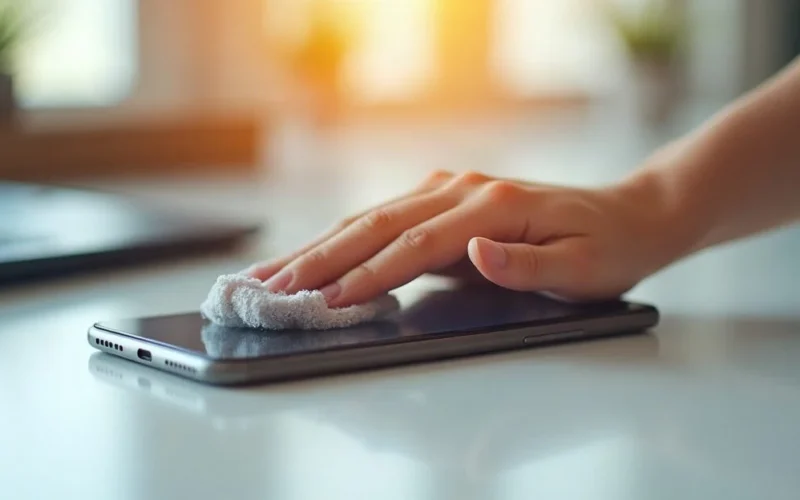
Phones can carry more bacteria than a toilet seat, though most are harmless skin flora. Clean…
Paper towels are the more hygienic choice: rubbing removes germs, while jet dryers can blow them…
Yes, 3% hydrogen peroxide disinfects hard surfaces if left wet long enough. Keep it in its…
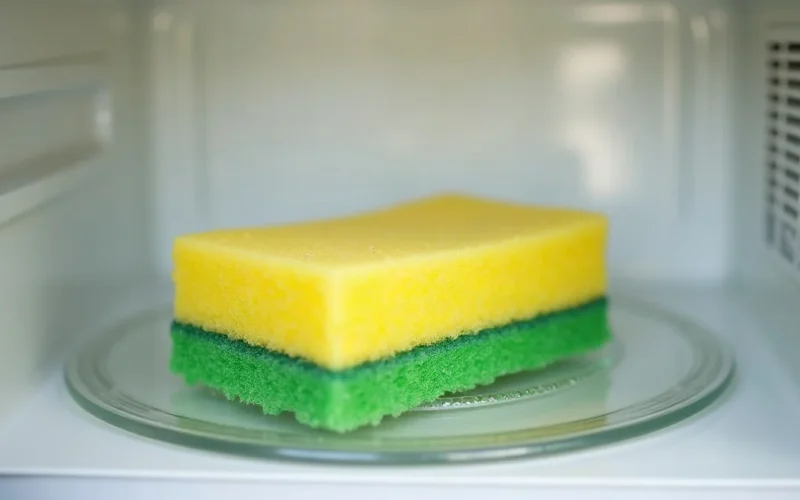
Microwaving a soaking-wet, metal-free sponge for a minute kills most bacteria, per a USDA study, but…
Disinfectant wipes only work if the surface stays visibly wet for the full contact time, often…