Grease sits heavier in fabric than ordinary cooking oil. Bacon fat, chip pan splashes and engine grease all bond stubbornly with the fibres, which is why a quick rinse rarely shifts it. The reliable combination is baking soda left on the stain for several hours, then washing-up liquid worked in, and it handles most grease stains, including some that have already been through a wash.
Before the method, though, a few things about grease stains can go wrong in ways that have nothing to do with the stain itself. Read those first, then the method, then the stronger options and when each is worth the risk.
What to check before you treat anything
- The care label. It tells you the maximum wash temperature and whether the item is dry clean only. Wool, cashmere, silk and structured items such as suits may need the delicate route below or a professional.
- Heat is the real hazard for the stain. Tumble drying or ironing sets grease permanently into the fabric. Air dry until you have confirmed the stain is completely gone.
- Heat is also a hazard for the house. Fire services in the UK have warned that clothes and cloths contaminated with cooking oils or other oils can self-heat and ignite in a tumble dryer. If a garment still smells greasy or feels oily after washing, do not dry it with heat. Wash it again and air dry.
- Solvents are not a shortcut. Petrol, white spirit and similar liquids are flammable and give off harmful fumes. Do not use them on clothes, and keep any pre-treatment away from sources of heat or flame.
- Protect your skin. Used engine and chain grease can contain contaminants you do not want on your hands. Wear disposable nitrile gloves for engine grease, and wash the item separately from the family laundry.
The safest method: baking soda, then washing-up liquid
Neither ingredient is hazardous in normal household use, and the method works on most fabrics because the baking soda step is gentle enough for any of them.
- Blot any excess grease gently with a paper towel. Do not rub, because that spreads it further into the fibres.
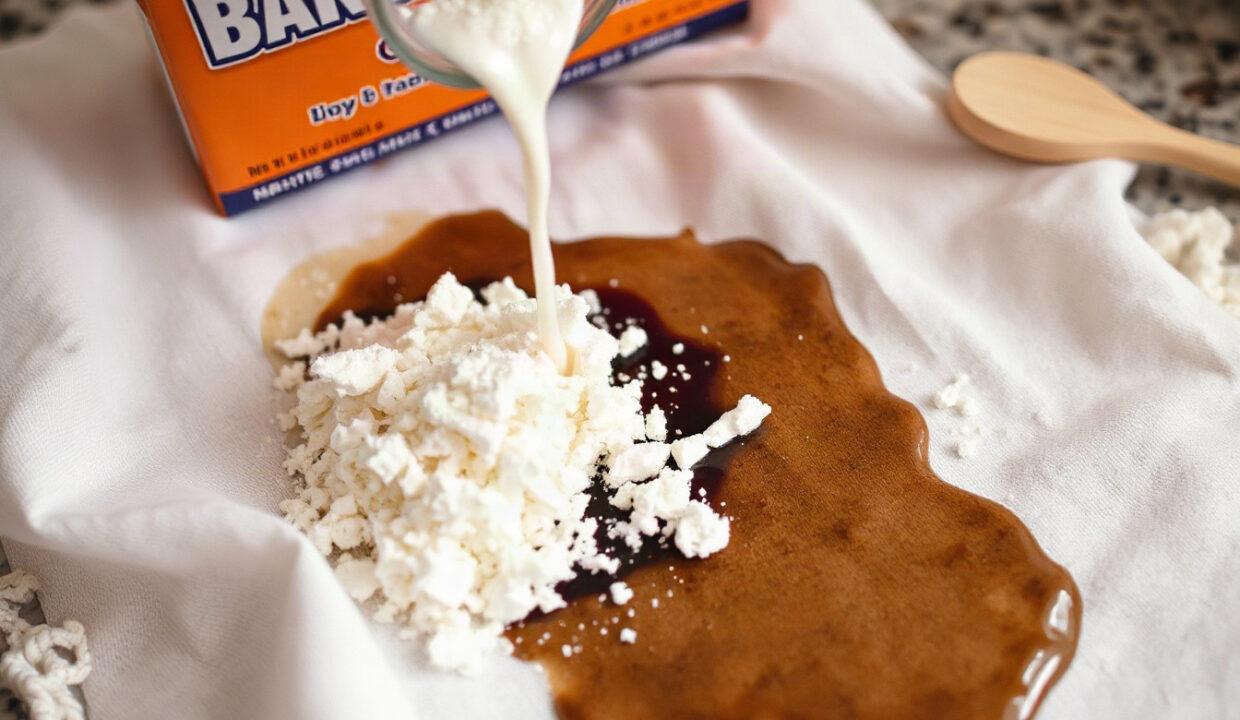
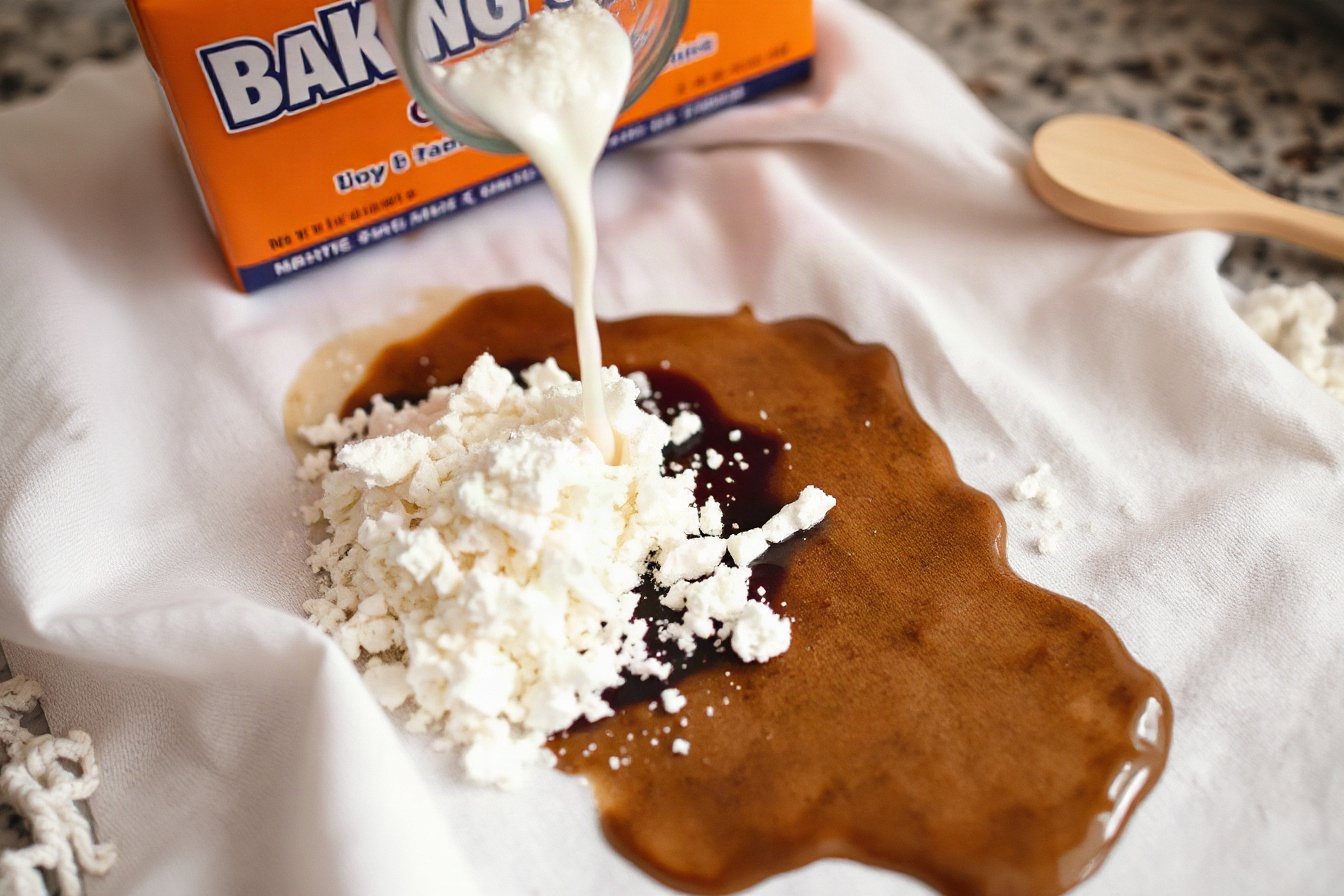
- Cover the stain generously with baking soda, pressing it lightly into the fabric.
- Leave for several hours, or ideally overnight. The baking soda absorbs the grease as it sits.
- Brush off the powder with an old toothbrush or soft brush.
- Work a small amount of washing-up liquid into the stain with your fingers or the toothbrush.
- Leave for 10-15 minutes to let the soap break down what is left.
- Wash on the warmest water temperature the care label allows, then air dry and check the stain is fully gone before any heat drying or ironing.
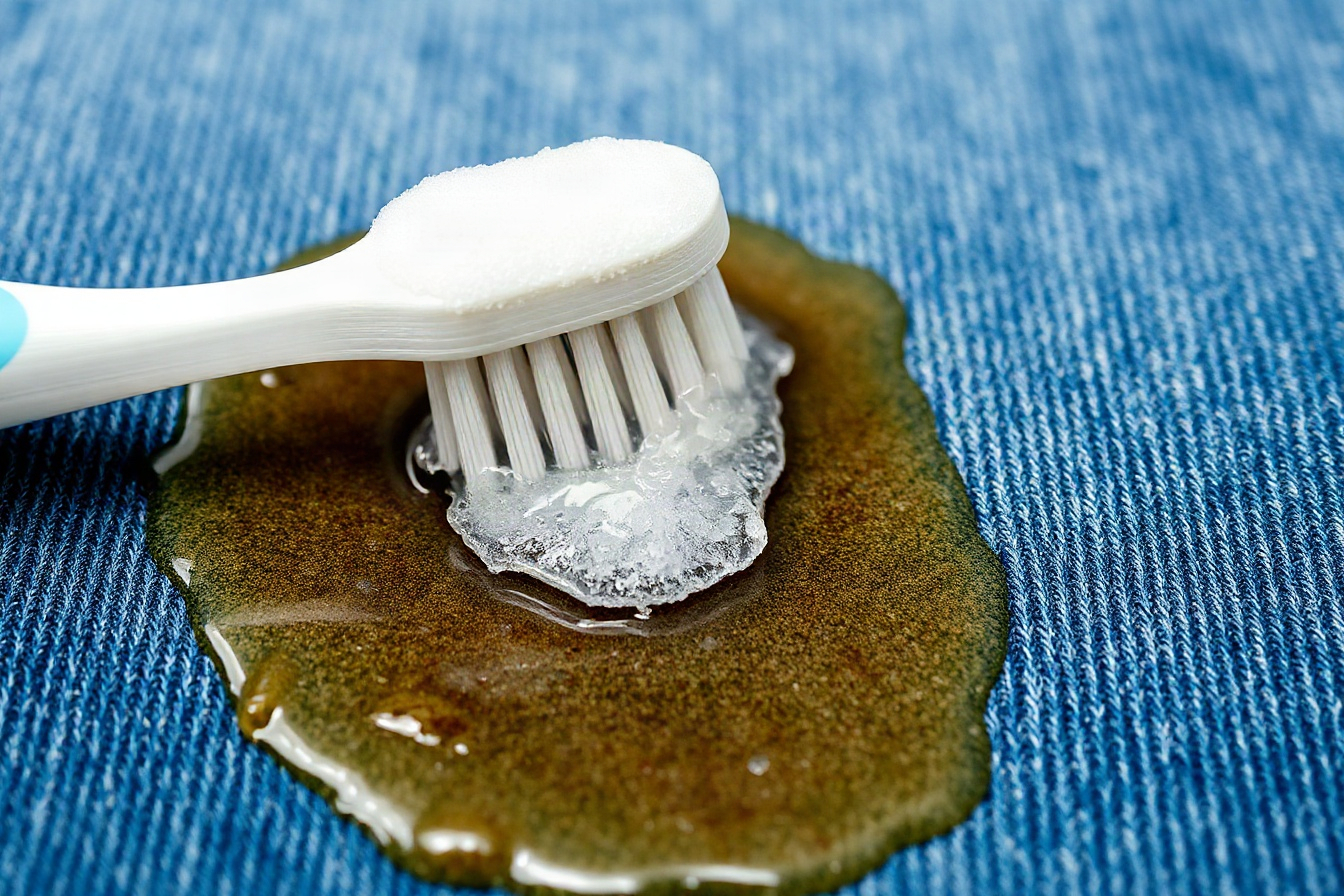
Heat sets a grease stain permanently into the fabric. Always confirm it is completely gone before the item goes anywhere near a tumble dryer or iron.
Baking soda left on a dry stain, followed by dabbing with washing-up liquid and blotting with a clean cloth, can also lift a lot of fresh grease without a full wash if you need the garment again quickly. Skipping the powder and going straight to soap is a common shortcut, but the powder does genuine work absorbing surface grease first, and washing in hot water before pre-treating can set the grease before the soap has had a chance to break it down.
Wool, cashmere and other delicates
Scrubbing or hot water can felt wool or damage a delicate weave, so the same approach needs a lighter touch.
- Use the baking soda step exactly as above. It is gentle enough for any fabric.
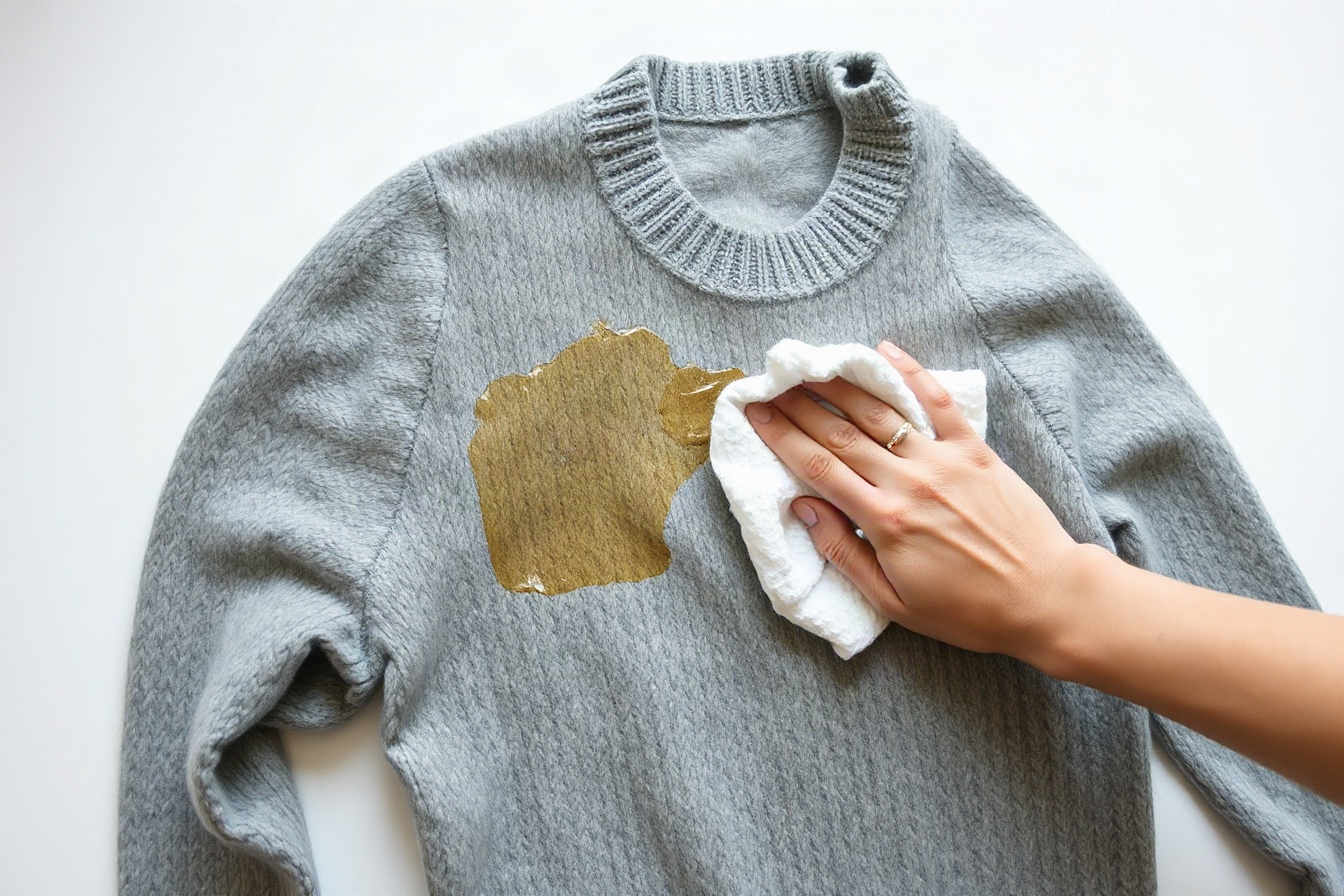
- Instead of scrubbing, dab a small amount of washing-up liquid onto the stain with a soft cloth and press gently rather than rubbing.
- Leave for a shorter time, around 5 minutes. Delicate fibres can be damaged by soap sitting too long, and patience matters more than scrubbing harder.
- Hand wash in cool or lukewarm water, and avoid wringing. Cashmere in particular should not be wrung or hung while wet.
- Lay flat to dry rather than hanging, which can stretch wool out of shape while damp.
If the item is valuable or labelled dry clean only, it is worth asking a dry cleaner before you start, because home treatment is not always reversible. Our guide to dry cleaning at home covers the limits of what you can safely do yourself.
Already washed or dried in: stronger options and their cautions
If the stain went through the wash and dryer before you caught it, the grease has bonded more firmly with the fibres and the standard method alone may not be enough. Expect to repeat the process two or three times. That is normal and does not mean the stain is permanent.
- Repeat the baking soda and washing-up liquid steps, giving it the full overnight dwell time.
- For an enzyme route, soak in warm water with a scoop of heavy-duty laundry detergent containing enzymes, which are designed to break down fats and oils, or pre-treat with an enzyme stain remover spray and follow the pack. Test a hidden area first, and keep enzyme products off wool and silk.
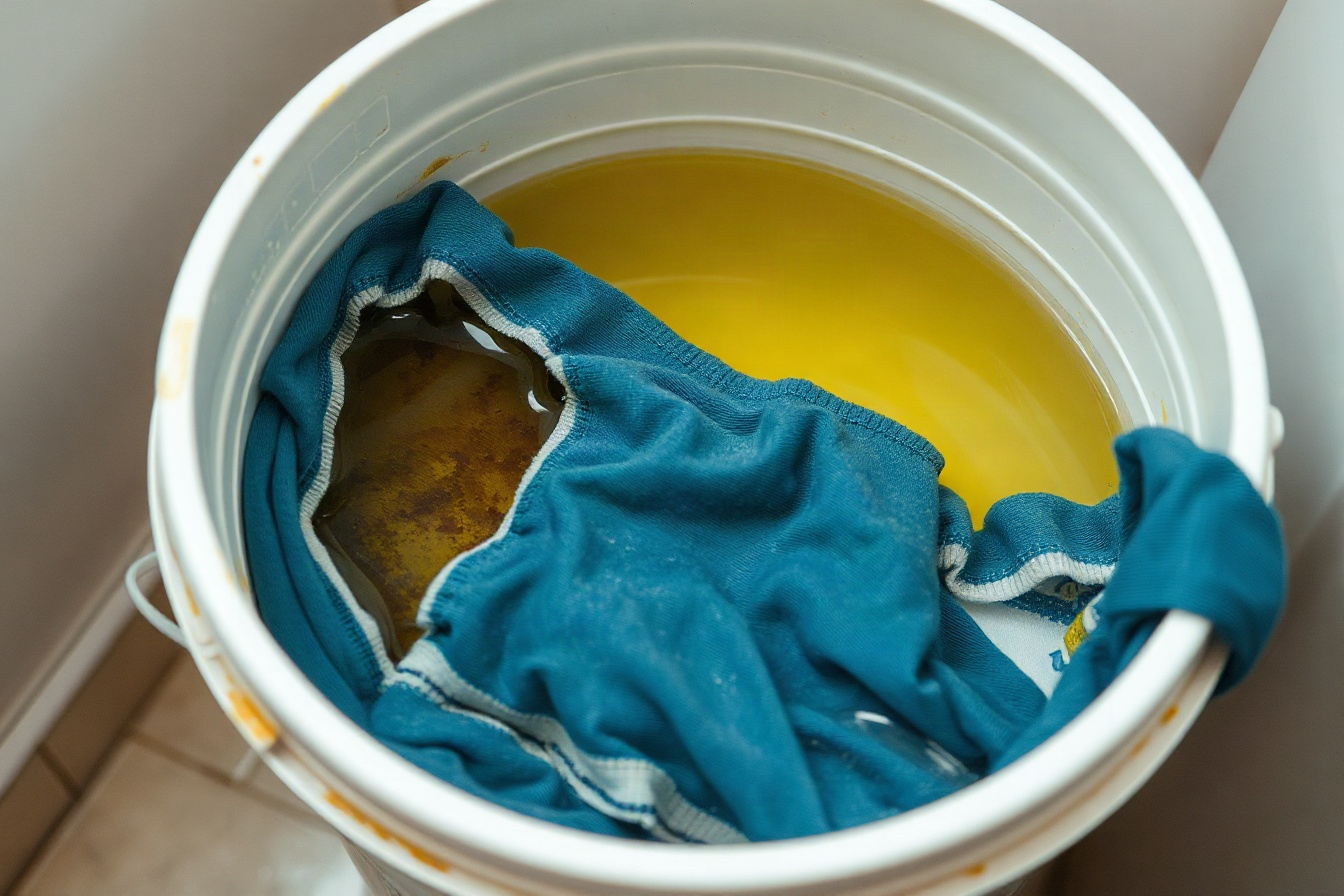
- For stubborn set-in grease, a bucket soak in warm water with a tablespoon of borax laundry booster for about 30 minutes is a long-standing household method. Borax is classed as a hazardous substance, so wear gloves, avoid breathing the dust, keep it away from children and pets, and rinse the item well. Some shops sell a milder ‘borax substitute’, and the pack instructions apply.
- Wash again on the warmest safe temperature, then check thoroughly before drying.
- Bleach is a last resort, and only on white or colourfast fabric. It does not dissolve grease, so it will not fix the oil itself. At best it lightens any remaining coloured pigment, as with engine grease. Check the care label, ventilate the room, and never mix it with other cleaning products. Our list of cleaning products you should never mix explains why. Never use it on wool or silk, which it can damage.
Does the type of grease matter?
| Grease type | Notes |
|---|---|
| Cooking and frying grease | Responds well to the standard method, usually lifting within one treatment if caught within a day or two |
| Bacon and sausage fat | Similar to cooking grease but often heavier. Give the baking soda the full overnight dwell time |
| Engine or bike chain grease | Thicker and often has added pigment. Treat as a set-in stain from the start, wear gloves and expect to repeat the process |
| Fast food and takeaway grease | Usually fresh when noticed, so the standard method handles it well if treated the same day |
Household methods suit the large majority of everyday grease, and baking soda and washing-up liquid are already in most kitchens. Commercial degreasing products can work faster on heavy engine or industrial grease, so if that is your problem, read the label and follow its safety directions. If the grease is on cookware rather than clothes, baked-on grease follows a different approach, and our guides on cleaning baking trays and cleaning oven racks cover that. For plant and cooking oil marks, see getting oil stains out of clothes, and for coloured sauces on top of oil, getting curry stains out of clothes. As an Amazon Associate we earn from qualifying purchases.
Three last questions
Does grease eventually come out of clothes on its own?
No. Grease does not fade or wash out by itself, and repeated washing without treating it first can set the stain further. It needs the baking soda and washing-up liquid treatment, or a stronger soak for set-in marks.
How do I get oil or grease out of cashmere?
Treat it like wool: baking soda first, then a gentle dab of diluted washing-up liquid rather than scrubbing. Hand wash in cool water and dry flat. If it is a valuable piece or labelled dry clean only, ask a cleaner.
Is it safe to put a greasy garment in the tumble dryer to dry it quickly?
Not until the grease is fully removed. Heat sets the stain, and oil-contaminated fabric can self-heat in a dryer. Air dry, check the stain in daylight, and only use heat once it is completely gone.