Most sticker residue comes off with things already in your kitchen, warm soapy water, rubbing alcohol, or a bit of oil, but the right method depends entirely on the surface underneath. What is safe on glass can strip the varnish off wood, and what works on plastic can damage a painted car panel.
This guide covers the fastest all-purpose method, then breaks it down by surface, glass, plastic, wood, metal, fabric, and painted car surfaces, along with the mistakes that scratch or stain the surface instead of just lifting the residue.
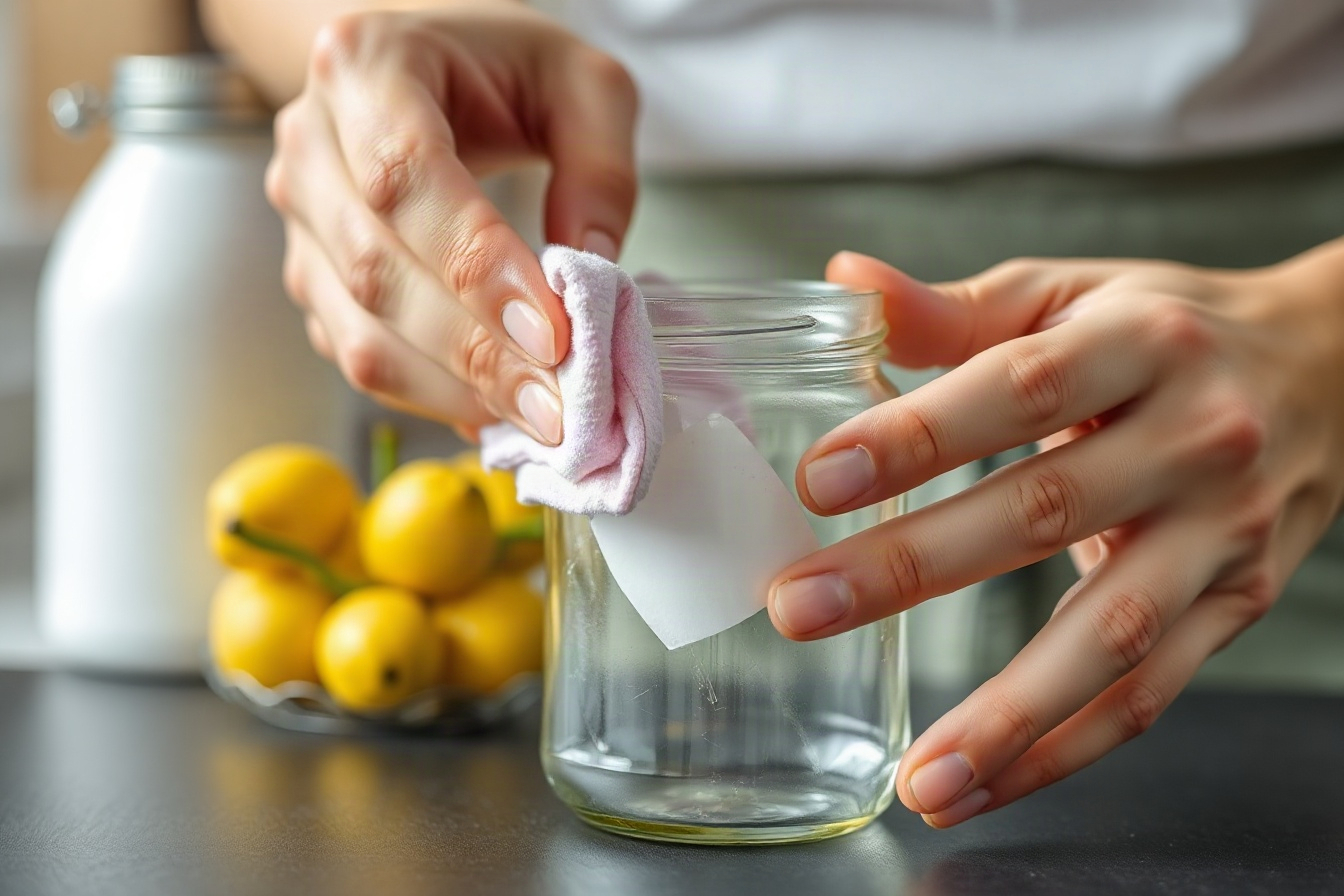
Why Sticker Residue Is So Hard to Shift
Most labels use a pressure-sensitive adhesive designed to stay put for months or years. When you peel the sticker off, the paper or plastic backing usually comes away cleanly, but a thin layer of the adhesive itself is often left behind, especially if the sticker has been on the surface a long time, exposed to sunlight, or peeled off too quickly.
Heat and sunlight actually make this worse over time, the adhesive partially cures and bonds more firmly to the surface, which is why residue on an old jar or a label that has sat in a car window for months is often harder to remove than a sticker you peel off the same day you bought something.
The Fastest All-Purpose Method
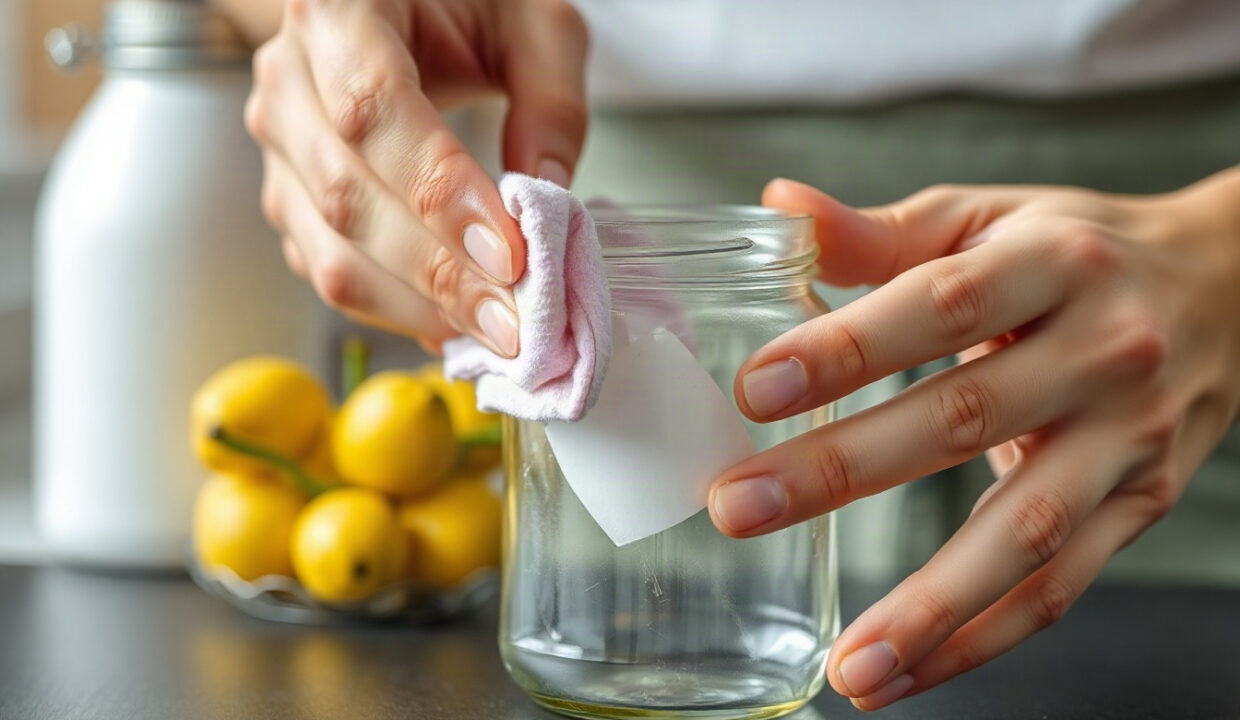
- Soak a cloth in warm water with a small amount of washing-up liquid, or fill a bowl if the item is small enough to submerge.
- Press the wet cloth onto the residue and leave it for 2-3 minutes to soften.
- Rub in small circles with your thumb or the cloth, most fresh residue lifts away at this point.
- If any residue remains, move to rubbing alcohol or oil rather than scrubbing harder, which risks scratching the surface.
- Wipe the area dry and buff with a clean cloth to remove any leftover film.
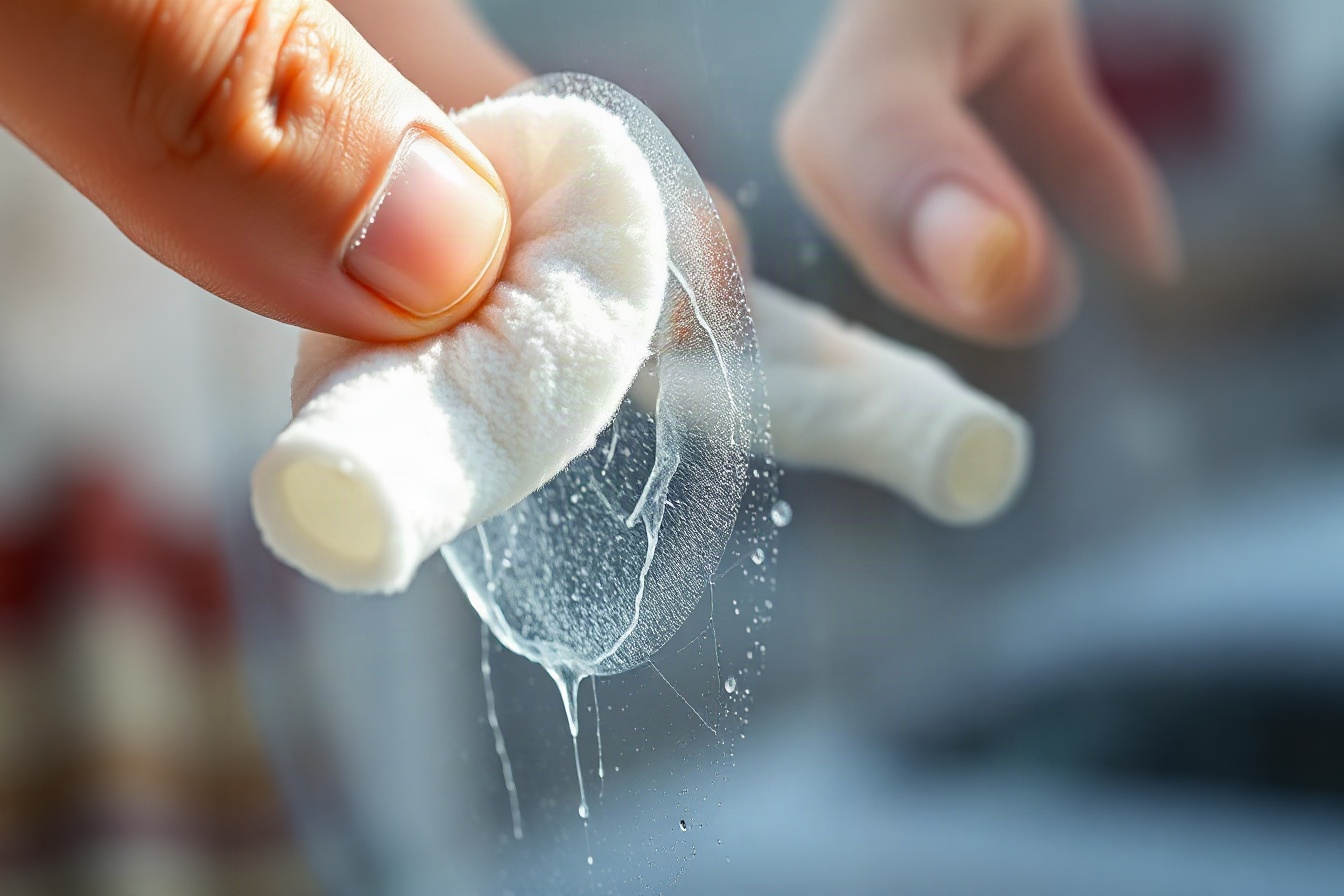
Rubbing alcohol works faster than soapy water on most hard, non-porous surfaces because it dissolves the adhesive itself rather than just loosening it.
The Right Method for Each Surface
Search interest for this topic is heavily split by surface type, glass, plastic, laptops, wood, and car paint each behave differently, so here is what actually works on each one without causing damage:
| Surface | Best Method | Avoid |
|---|---|---|
| Glass and windows | White vinegar or rubbing alcohol on a cloth, then a razor blade held flat for stubborn spots | Nothing, glass tolerates almost every method well |
| Plastic | Warm soapy water first, then cooking oil if needed. Test alcohol on a hidden spot first | Acetone and nail polish remover, which can cloud or melt some plastics |
| Wood, painted or varnished | Warm soapy water only, applied with a barely damp cloth | Alcohol and acetone, both can strip varnish or paint finish |
| Metal and stainless steel | Rubbing alcohol or a hairdryer to soften, then a plastic scraper | Metal scourers, which leave fine scratches visible at an angle |
| Laptops and electronics | Isopropyl alcohol applied to a microfibre cloth, never sprayed directly onto the device | Pouring or spraying any liquid straight onto the casing or near ports |
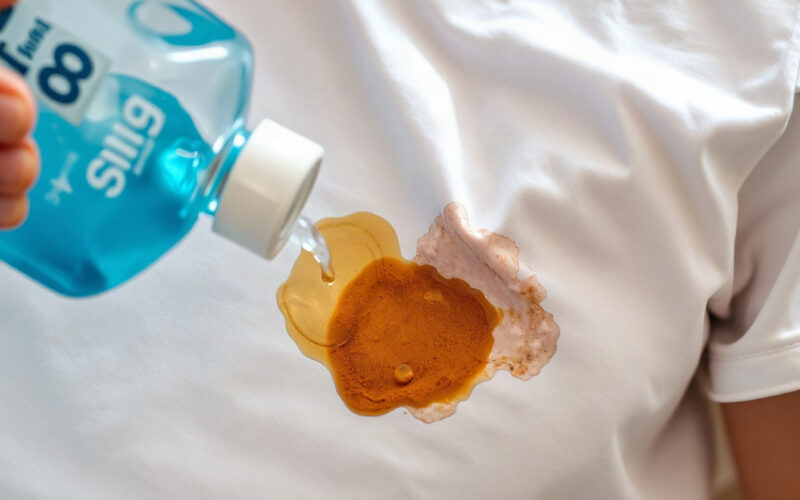
| Fabric and clothing | Freeze the item for an hour so the adhesive turns brittle, then scrape off before washing as normal | Hot water or a tumble dryer before the residue is fully removed, heat sets it into the fibres |
| Painted car surfaces | Car shampoo first, then gentle heat from a hairdryer, then a plastic (not metal) scraper | WD-40 or alcohol directly on paint without testing an inconspicuous panel first |
For Stubborn, Old Residue: Add Heat
If a label has been in place for months, warm soapy water alone often is not enough. Heat softens the adhesive bond and makes the next step far more effective.
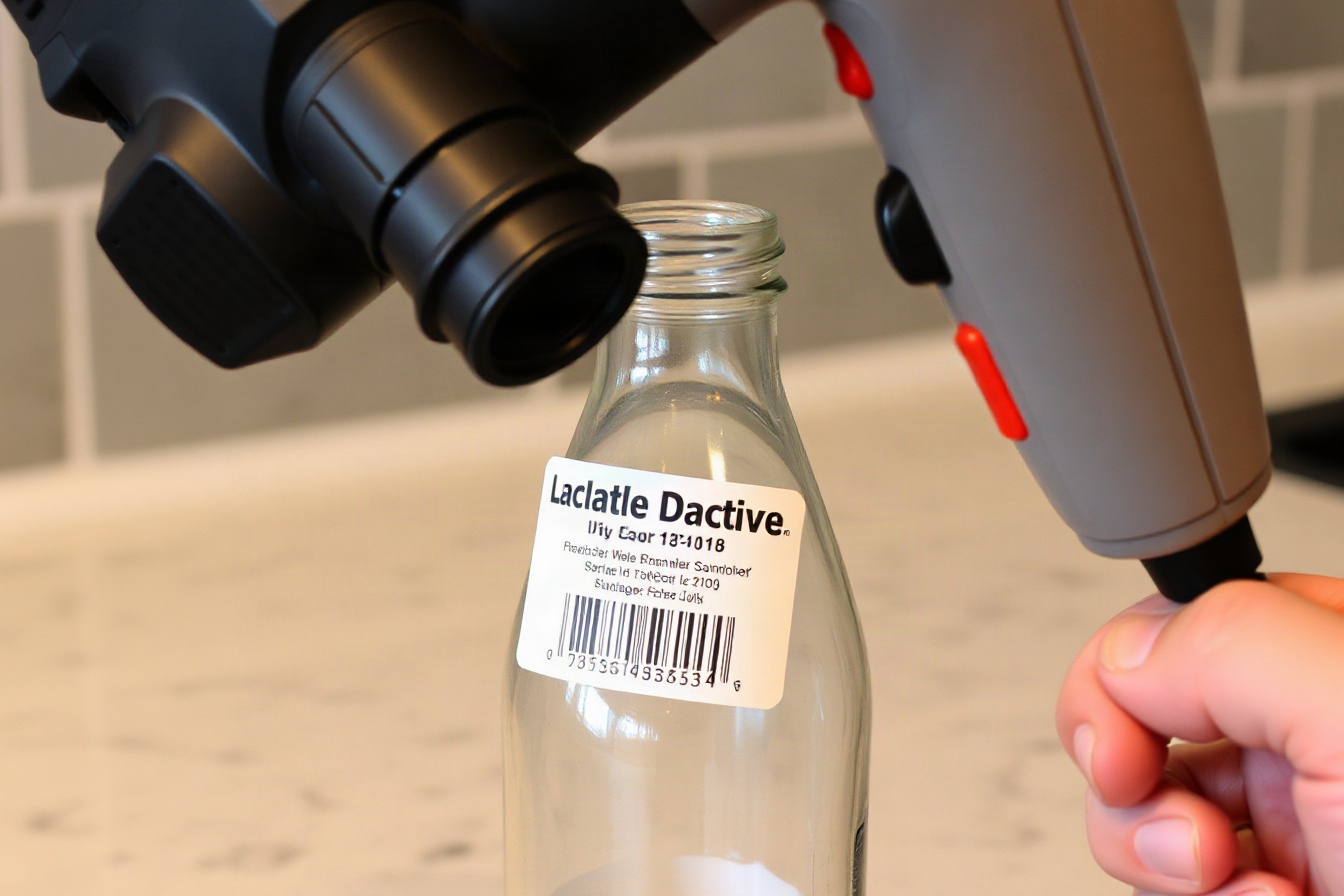
- Hold a hairdryer on a low or medium heat setting about 5-8cm from the surface for 30-60 seconds.
- While still warm, apply rubbing alcohol, oil, or a commercial adhesive remover to a cloth and rub over the softened residue.
- Use a plastic scraper or an old bank card at a shallow angle to lift any remaining film, working from one edge rather than scraping in the middle.
- Finish with warm soapy water to remove any oily or alcohol residue left behind, then dry and buff.
For metal surfaces that already show light rust alongside old sticker residue, such as tools or outdoor fittings, it is worth checking our guide on removing rust from metal once the residue itself is gone.
Mistakes That Make Residue Worse
- Scraping with a metal knife or razor blade held at a steep angle, this gouges plastic and scratches glass and metal alike, always keep the blade as flat as possible.
- Using acetone or nail polish remover on plastic or painted surfaces, it can dissolve or cloud the finish permanently.
- Tumble drying or ironing fabric before the adhesive is fully removed, heat bonds residue permanently into the fibres.
- Scrubbing harder instead of soaking longer, most residue needs time to soften, not force.
- Skipping the final soapy water wipe-down, leftover oil or alcohol film attracts dust and can look worse than the original sticker.
Household Items vs Commercial Adhesive Removers
Tools That Make This Easier
A dedicated scraper and remover spray save time on jars, laptops and car panels.
For general everyday grime and stuck-on marks around the kitchen alongside sticker residue, The Pink Stuff paste is also worth having on hand, it works well on hard, non-porous surfaces once any adhesive residue itself is gone.
If it is your laptop specifically that has residue on the lid or near the vents, take a look at our guide on cleaning a laptop too, since dust and grime often build up around the same areas.
Frequently Asked Questions
How do you remove sticker residue from plastic?
Start with warm soapy water and a soft cloth, leaving it to soak for a couple of minutes first. If residue remains, apply a small amount of cooking oil and rub gently, then finish with soapy water. Avoid acetone or nail polish remover, which can cloud or damage some plastics.
How do you remove sticker residue from glass?
Glass tolerates almost any method well. White vinegar or rubbing alcohol on a cloth works fastest, and a razor blade held completely flat against the surface can lift stubborn spots without scratching.
How do you remove sticker residue from clothes?
Put the item in the freezer for about an hour so the adhesive turns brittle and easier to scrape off, then gently peel or scrape it away before washing as normal. Avoid hot water or the tumble dryer until the residue is fully gone, since heat sets it permanently into the fabric.
How do you remove sticker residue from a laptop?
Apply isopropyl alcohol to a microfibre cloth, never spray it directly onto the device, and gently rub the residue in small circles. A plastic scraper can help lift any remaining film without scratching the casing.
How do you remove sticker residue from wood without damaging the finish?
Stick to warm soapy water applied with a barely damp cloth. Alcohol and acetone can strip varnish or painted finishes, so they are best avoided on wood entirely, even if they work well on other surfaces.
How do you remove sticker residue from a car without damaging the paint?
Wash the area with car shampoo first, apply gentle heat from a hairdryer for about a minute, then use a plastic (never metal) scraper to lift the softened residue. Test any product on an inconspicuous panel first, since WD-40 and alcohol are not guaranteed safe on every paint finish.
Does WD-40 remove sticker adhesive?
Yes, on many hard surfaces WD-40 works well, spray it on, leave for around 10 minutes, then wipe with a microfibre cloth. It is commonly used on car paint and metal, though it should always be tested on a small area first.
How do you remove sticker residue from stainless steel?
Rubbing alcohol or a short blast of heat from a hairdryer softens the residue effectively, then wipe with a cloth. Avoid metal scourers or abrasive pads, which leave fine scratches that become visible at certain angles.