How to Clean Shower Drain: Complete UK Guide 2026

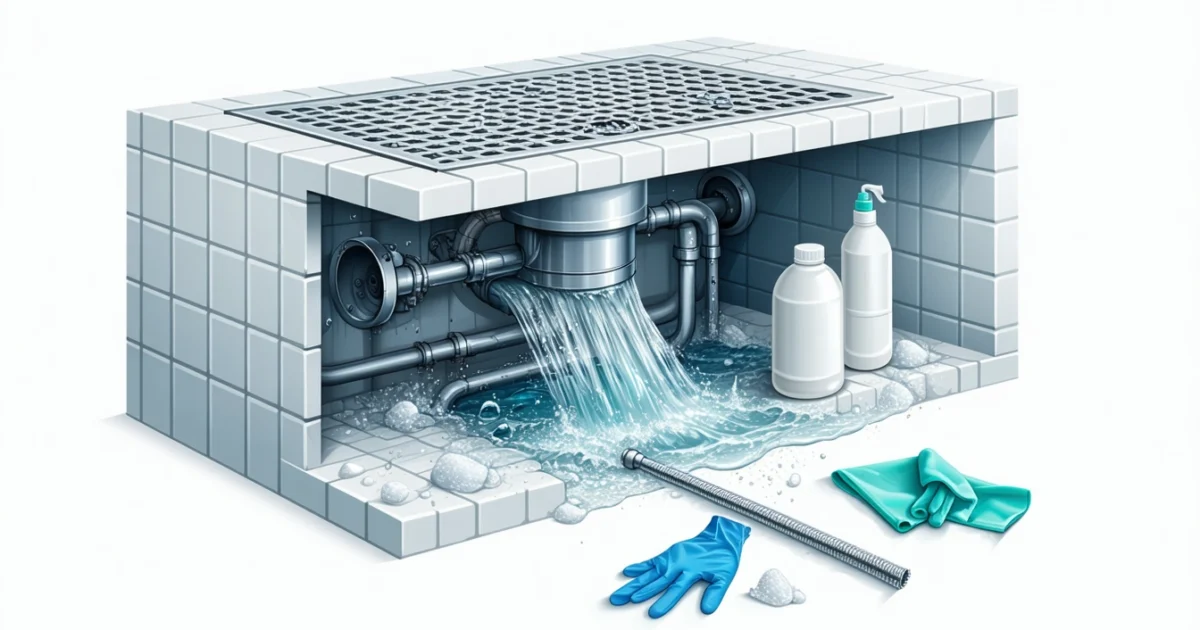
Learning how to clean shower drain effectively is essential for maintaining proper drainage and preventing costly plumbing issues in your bathroom. A blocked shower drain typically results from accumulated hair, soap scum, and debris that builds up over time, causing slow drainage, unpleasant odours, and standing water during showers.
Fortunately, most shower drain blockages can be resolved using simple household items like bicarbonate of soda, white vinegar, and basic tools. Additionally, regular maintenance prevents severe clogs from forming in the first place.
This comprehensive guide covers everything from identifying warning signs to using both natural cleaning methods and commercial drain cleaners safely. Moreover, you’ll learn professional techniques and preventive measures to keep your shower drain flowing freely year-round, similar to maintaining other household fixtures like shower glass.
TL;DR
- Manual removal: Remove drain cover and extract visible hair clogs with pliers or makeshift wire snake
- Natural cleaning: Use bicarbonate of soda and vinegar method followed by hot water flush for regular maintenance
- Prevention: Install drain covers, perform weekly maintenance, and recognise warning signs like slow drainage or odours
Signs Your Shower Drain Needs Cleaning
Recognising the early warning signs of a clogged shower drain helps prevent minor blockages from becoming major plumbing emergencies. Furthermore, identifying these symptoms early allows homeowners to address drainage issues before they require professional intervention or expensive repairs.
Slow Water Drainage and Standing Water
The most obvious indicator appears when water drains slowly or pools around your feet during showering. Normally, shower water should disappear within 30 seconds after turning off the tap. However, blocked drains cause water to accumulate, creating puddles that persist for several minutes.
Standing water becomes particularly noticeable during longer showers when the drainage rate cannot match the water flow rate. Additionally, this stagnant water creates ideal conditions for bacteria growth and unpleasant odours to develop.
Unpleasant Odours Coming From the Drain
Foul smells emanating from shower drains typically indicate decomposing organic matter trapped within the drainage system. These odours often smell musty, sour, or sewage-like and become more pronounced in warm, humid bathroom conditions.
Hair, soap residue, and dead skin cells create this organic buildup that produces hydrogen sulphide gas when decomposing. Moreover, these smells intensify after periods of non-use when trapped water evaporates, allowing sewer gases to escape through the drain opening.
Visible Hair and Debris Around the Drain Opening
Hair clumps, soap scum, and other debris visible around the drain cover signal significant blockage beneath the surface. This visible accumulation represents only a fraction of the total obstruction, as most clogs form deeper within the drain pipe system.
Long hair particularly creates problems by forming dense mats that trap additional debris over time. Similarly, soap residue combines with hair to form sticky masses that adhere to pipe walls, gradually reducing water flow capacity.
Gurgling Sounds When Water Drains
Unusual gurgling or bubbling noises during drainage indicate air trapped within the plumbing system due to partial blockages. These sounds occur when water struggles to flow past obstructions, creating air pockets that produce distinctive gurgling effects.
The gurgling becomes more pronounced as blockages worsen, eventually leading to complete drainage failure. Furthermore, these sounds may accompany slow drainage, providing an audible warning that cleaning action is required immediately.
Water Backing Up During Showers
Water backing up represents the most severe drainage symptom, indicating near-complete blockage requiring immediate attention. This backup occurs when drainage capacity falls below the shower’s water output rate, causing overflow conditions.
Backed-up water often carries debris and unpleasant odours back into the shower area, creating unsanitary conditions. Additionally, persistent backup can damage bathroom flooring and potentially affect neighbouring rooms, making prompt cleaning essential for preventing costly water damage repairs similar to issues that arise with grout maintenance.
Essential Tools and Materials for Shower Drain Cleaning
Successful shower drain cleaning requires proper preparation with the right tools and materials. Moreover, having everything ready beforehand ensures efficient cleaning without interruptions. Professional cleaners recommend gathering all necessary items before starting, as this approach prevents delays and maintains cleaning momentum.
Basic Cleaning Tools
Rubber gloves provide essential protection against bacteria and harsh cleaning chemicals found in drain systems. Additionally, these gloves offer better grip when handling wet tools and prevent skin irritation from prolonged water exposure. Quality nitrile gloves resist punctures better than standard latex alternatives.
A reliable torch or LED light illuminates the drain interior, revealing hidden debris and blockage locations. Furthermore, proper lighting helps identify the extent of cleaning required and ensures thorough debris removal. Waterproof torches work best in wet bathroom environments.
An old toothbrush serves as an excellent scrubbing tool for removing stubborn soap scum and hair from drain covers. Similarly, the bristles reach into small crevices that larger cleaning tools cannot access effectively. Dedicated cleaning toothbrushes prevent cross-contamination with personal hygiene items.
Specialised Drain Cleaning Equipment
Drain snakes represent the most effective tool for removing deep blockages within pipe systems. These flexible cables extend several metres into drainage pipes, breaking up and extracting stubborn clogs that surface cleaning cannot reach. Manual drain snakes cost between £15-30 in UK hardware stores.
Needle-nose pliers excel at gripping and removing visible hair clumps and debris from drain openings. Additionally, their narrow tips navigate tight spaces around drain covers and fixtures with precision. Spring-loaded pliers provide better control when extracting slippery materials.
A straightened wire coat hanger creates an improvised drain snake for minor blockages. However, this tool works best for shallow obstructions within the first 30 centimetres of the drain pipe. Creating a small hook at one end improves debris-catching capability significantly.
Natural Cleaning Solutions
Bicarbonate of soda acts as a natural abrasive and deodoriser, breaking down organic matter and neutralising unpleasant odours. This alkaline compound dissolves soap residue and hair-trapping substances effectively. Standard household bicarbonate works as well as specialised cleaning grades.
White vinegar provides acidic cleaning power that dissolves mineral deposits and soap scum buildup within drainage systems. When combined with bicarbonate of soda, these ingredients create a foaming reaction that helps dislodge stubborn debris. Distilled white vinegar offers the highest acidity levels for cleaning purposes.
Hot water serves as the foundation for most natural cleaning methods, helping dissolve grease and flush away loosened debris. Water temperatures between 60-80°C prove most effective without risking pipe damage. Boiling water should be avoided in older plumbing systems with PVC components.
Commercial Cleaning Products
Drain unblockers contain powerful chemicals designed to dissolve hair, soap, and organic blockages quickly. However, these products require careful handling and adequate ventilation during use. Caustic soda-based unblockers work fastest but pose greater safety risks than enzyme alternatives.
Enzyme cleaners offer a gentler approach, using biological agents to break down organic matter over time. These products work more slowly than chemical unblockers but prove safer for regular maintenance cleaning. Enzyme treatments typically require 6-8 hours to achieve maximum effectiveness.
Professional-grade drain cleaners available in UK supermarkets include brands like Mr Muscle and Buster, which balance effectiveness with household safety. Nevertheless, always read product labels carefully and follow manufacturer instructions precisely to prevent pipe damage or personal injury.
Safety Equipment and Protective Gear
Safety goggles protect eyes from splashing chemicals and debris during aggressive cleaning procedures. Particularly important when using commercial drain unblockers, these goggles prevent serious eye injuries from caustic substances. Wraparound styles offer superior protection coverage.
Adequate ventilation becomes crucial when using chemical cleaning products in enclosed bathroom spaces. Opening windows and running exhaust fans prevents harmful fume accumulation that can cause respiratory irritation. Some commercial cleaners produce toxic gases that require immediate fresh air circulation.
A dust mask or respirator provides additional protection when working with powdered cleaning agents or in poorly ventilated areas. These masks filter out harmful particles and chemical vapours that standard ventilation cannot eliminate completely. N95-rated masks offer adequate protection for household drain cleaning tasks, similar to precautions needed when cleaning grout in confined spaces.
Step-by-Step Manual Hair and Debris Removal
Manual removal represents the most direct approach to clearing blocked shower drains. Moreover, this method allows you to assess the extent of blockage before considering chemical treatments. Physical extraction techniques prove particularly effective for hair clogs and visible debris accumulation.
Removing the Drain Cover or Grate Safely
Start by locating the screws or clips securing your drain cover to the shower floor. Most UK shower drains feature either Phillips head screws or simple lift-out grates. Turn screws anticlockwise using an appropriate screwdriver, keeping track of small components to prevent loss.
Lift the drain cover straight up once all fasteners are removed. Subsequently, place the cover and screws in a safe location away from the shower area. Some covers may resist removal due to soap residue buildup, requiring gentle rocking motions to break the seal.
Extracting Visible Hair Clogs with Pliers or Fingers
Examine the exposed drain opening for visible hair accumulation around the drain edges. Use needle-nose pliers to grasp hair clumps firmly, pulling upward with steady pressure. Alternatively, rubber gloves allow finger extraction of loose hair masses without direct skin contact.
Pull hair clogs slowly to avoid breaking them into smaller pieces that fall deeper into the drain. Patience proves essential during this process, as rushing often pushes debris further down the pipe system. Remove all visible hair before proceeding to deeper cleaning methods.
Using a Makeshift Drain Snake from a Wire Coat Hanger
Transform a standard wire coat hanger into an effective drain snake by straightening the wire completely. Then, create a small hook at one end using pliers, ensuring the hook measures approximately 5mm in diameter. This hook catches hair clogs lodged deeper in the drain pipe.
Insert the hooked end into the drain opening, pushing gently until you feel resistance from accumulated debris. Twist the wire clockwise while maintaining downward pressure to engage hair clogs effectively. Pull upward steadily to extract wrapped hair and soap residue, similar to techniques used when cleaning dishwasher filters.
Repeat the snaking process several times, working systematically around the drain circumference. Each insertion targets different areas where debris accumulation commonly occurs. Clean the wire hook between attempts to maintain optimal catching effectiveness.
Clearing Soap Scum and Smaller Debris
Soap scum creates a sticky matrix that traps smaller debris particles against drain walls. Use an old toothbrush to scrub visible soap buildup from the drain opening and immediate pipe walls. Furthermore, the bristles reach into crevices where standard cleaning tools cannot penetrate effectively.
Flush the drain with hot water periodically during scrubbing to remove loosened debris. This technique prevents soap residue from re-adhering to pipe surfaces during the cleaning process. Hot water also helps dissolve remaining soap film that manual scrubbing cannot eliminate completely.
Proper Disposal of Removed Materials
Never dispose of extracted hair and debris down other drains in your home, as this simply transfers the blockage problem elsewhere. Instead, collect all removed materials in a plastic bag for household waste disposal. This practice prevents contamination of kitchen sinks or bathroom basins.
Seal the disposal bag tightly before placing it in your general household waste bin. Additionally, wash your hands thoroughly after handling drain debris, even when wearing protective gloves. Proper disposal practices maintain household hygiene standards while preventing recurring drainage issues throughout your home’s plumbing system.
Natural Cleaning Methods Using Household Items
Natural cleaning methods offer effective alternatives to harsh chemical drain cleaners while protecting your plumbing system and the environment. These household solutions work by breaking down organic matter, dissolving soap scum, and creating chemical reactions that dislodge stubborn blockages. Moreover, natural cleaners cost significantly less than commercial products whilst delivering comparable cleaning results.
Bicarbonate of Soda and Vinegar Method
The bicarbonate of soda and vinegar combination creates a powerful fizzing reaction that breaks down organic debris and soap buildup. This chemical reaction produces carbon dioxide gas, which creates pressure to dislodge blockages whilst the acidic vinegar dissolves mineral deposits.
- Pour half a cup of bicarbonate of soda directly into the drain opening
- Follow immediately with one cup of white vinegar poured slowly down the drain
- Cover the drain opening with a damp cloth or drain plug for 15-30 minutes
- Remove the cover and flush thoroughly with hot water for 2-3 minutes
- Repeat the process if blockages persist after the initial treatment
The fizzing action works most effectively when the drain opening remains sealed during the reaction period. Additionally, this method works particularly well for removing soap scum buildup that accumulates on pipe walls over time.
Hot Water Flush Technique for Regular Maintenance
Hot water flushing serves as the simplest preventive maintenance method for shower drains. The high temperature dissolves soap residue, loosens hair tangles, and flushes away daily debris accumulation before serious blockages develop.
Run the hottest tap water available for 3-5 minutes weekly to maintain optimal drain flow. Furthermore, the thermal shock helps break down biofilm formation that creates sticky surfaces for debris attachment. This regular maintenance reduces the frequency of intensive cleaning sessions whilst preventing emergency blockage situations.
Dish Soap and Hot Water for Grease Buildup
Body oils, conditioner residue, and soap deposits create greasy buildup that traps other debris particles. Washing-up liquid contains surfactants that break down these oily substances effectively whilst being gentler than commercial drain cleaners.
Squirt 2-3 tablespoons of washing-up liquid directly into the drain opening, then follow with very hot water for several minutes. The surfactants in dish soap emulsify grease deposits, allowing hot water to flush them away completely. This method works particularly well for drains that drain slowly rather than being completely blocked.
Salt and Bicarbonate of Soda Combination
Stubborn clogs require more abrasive action to break apart compacted debris. Coarse salt acts as a mild abrasive whilst bicarbonate of soda provides alkaline cleaning power that dissolves organic matter and neutralises acidic buildup.
Mix equal parts coarse salt and bicarbonate of soda (approximately half a cup each) and pour the mixture down the drain. Follow with hot water after letting the combination sit for 20-30 minutes. The salt crystals scrub pipe walls whilst the bicarbonate of soda breaks down soap scum and organic debris through chemical action.
This method proves especially effective for removing hair clogs that have become mineralised over time. However, avoid using this technique too frequently, as excessive abrasive action may damage older pipe surfaces.
Timing and Safety Considerations
Natural cleaning methods require patience to achieve optimal results compared to instant-acting chemical cleaners. Allow sufficient contact time for chemical reactions to occur before flushing, as rushing the process reduces cleaning effectiveness significantly.
Never mix different cleaning methods simultaneously, particularly vinegar with bicarbonate of soda followed immediately by other chemicals. Instead, complete one treatment fully before attempting alternative methods. This approach prevents dangerous chemical reactions whilst ensuring each method works at maximum effectiveness.
Ventilate the bathroom adequately during natural cleaning treatments, especially when using vinegar-based solutions. Although these methods produce fewer harmful fumes than commercial cleaners, proper ventilation ensures comfort during the cleaning process. Additionally, wear rubber gloves when handling any cleaning materials to protect your skin from prolonged exposure.
Test natural methods on minor blockages first before attempting to clear severe clogs. Similarly, consider professional help if natural methods fail after 2-3 attempts, as persistent blockages may indicate deeper plumbing issues requiring specialist attention. Regular maintenance using these natural methods prevents most serious blockages from developing initially.
Using Commercial Drain Cleaners Safely
Commercial drain cleaners offer powerful solutions for stubborn shower blockages, yet they require careful handling to prevent injury and property damage. Understanding different chemical formulations helps you select appropriate products whilst maintaining safety throughout the cleaning process.
Types of Chemical Drain Cleaners Available in the UK
Caustic drain cleaners contain sodium hydroxide or potassium hydroxide, which dissolve organic matter through alkaline reactions. These products work effectively on hair, soap scum, and grease accumulations commonly found in shower drains. Popular UK brands include Mr Muscle and Domestos drain cleaners.
Acidic cleaners utilise hydrochloric acid or sulphuric acid to break down mineral deposits and soap residue. However, these formulations pose greater risks to pipes and personal safety compared to alkaline alternatives. Consequently, many UK retailers restrict acidic drain cleaners to professional use only.
Enzymatic cleaners employ biological agents to digest organic blockages naturally over extended periods. These products offer gentler alternatives to harsh chemicals, making them suitable for regular maintenance rather than emergency blockage removal. Furthermore, enzymatic formulations prove safer for septic systems and environmental discharge.
Proper Application and Safety Precautions
Always read manufacturer instructions completely before opening chemical drain cleaners. Never exceed recommended quantities, as additional product rarely improves effectiveness whilst significantly increasing safety risks. Pour chemicals slowly down the drain to prevent splashing, which can cause severe burns to skin and eyes.
Wear rubber gloves, safety goggles, and long sleeves when handling any commercial drain cleaner. Chemical splashes occur frequently during application, particularly when pouring into water-filled drains. Additionally, keep a bowl of clean water nearby for immediate rinsing if accidental skin contact occurs.
Allow chemicals to work for the specified contact time without attempting to speed the process through additional applications. Most products require 15-30 minutes to dissolve blockages effectively. Subsequently, flush thoroughly with cold water to remove dissolved debris and neutralise remaining chemicals completely.
Ventilation Requirements and Protective Equipment
Ensure adequate ventilation before opening chemical drain cleaners, as toxic fumes develop rapidly in enclosed spaces. Open bathroom windows and doors to create cross-ventilation, reducing chemical vapour concentration significantly. Poor ventilation can cause respiratory irritation, headaches, and chemical burns to mucous membranes.
Consider using a respirator mask when working with caustic cleaners in poorly ventilated bathrooms. Standard dust masks provide insufficient protection against chemical vapours, requiring proper organic vapour cartridges for adequate filtration. Professional-grade equipment becomes essential when dealing with severe blockages requiring extended chemical contact.
Exit the bathroom immediately after application and avoid re-entering until adequate flushing removes chemical residues. This precaution prevents prolonged exposure to harmful vapours whilst allowing chemicals to work undisturbed. Similarly, warn household members about chemical treatments to prevent accidental exposure during the cleaning process.
What Not to Mix with Chemical Cleaners
Never mix different chemical drain cleaners, as incompatible formulations create dangerous reactions producing toxic gases. Combining acidic and alkaline cleaners generates heat and potentially explosive reactions that can damage pipes and cause severe injuries. Wait at least 24 hours between different chemical treatments to ensure complete neutralisation.
Avoid using chemical cleaners after attempting natural methods involving vinegar or bicarbonate of soda. These combinations produce unpredictable reactions that reduce cleaning effectiveness whilst creating safety hazards. Instead, flush drains thoroughly with water before transitioning between cleaning methods.
Household bleach creates particularly dangerous reactions when combined with acidic cleaners, producing chlorine gas that causes respiratory damage. Similarly, ammonia-based products react violently with acidic formulations, creating toxic vapours requiring immediate evacuation and professional assistance.
Environmental Considerations and Disposal
Chemical drain cleaners impact water treatment systems and aquatic environments significantly after discharge through household drains. UK water companies process these chemicals at treatment facilities, yet excessive concentrations can disrupt biological treatment processes and harm beneficial bacteria.
Dispose of unused chemical cleaners through household hazardous waste collection services rather than pouring them down drains. Most UK councils provide quarterly collection services for chemical waste, preventing environmental contamination whilst ensuring safe disposal. Contact your local authority for specific collection schedules and requirements.
Consider environmental impact when selecting commercial cleaners for routine maintenance. Enzymatic products biodegrade naturally without harming aquatic life, making them preferable for regular use. Reserve harsh chemical cleaners for emergency situations where natural methods prove insufficient for clearing severe blockages.
Store chemical drain cleaners in original containers away from children and pets, ensuring labels remain legible for emergency reference. Temperature fluctuations and container damage can cause chemical leakage, creating safety hazards and environmental contamination. Therefore, inspect storage areas regularly and replace damaged containers immediately to maintain household safety standards.
Deep Cleaning with Professional Tools
Professional drain cleaning tools tackle severe blockages that household methods cannot resolve effectively. However, these powerful instruments require proper knowledge and safety precautions to prevent pipe damage or personal injury during operation.
When to Use a Proper Drain Snake or Auger
Deploy a drain snake when water backs up completely or drains extremely slowly despite trying natural cleaning methods. Additionally, use these tools when you hear gurgling sounds from multiple drains simultaneously, indicating a deeper blockage in the main drainage line.
Manual drain augers work best for blockages located 3-6 metres from the drain opening. Furthermore, these flexible cables navigate pipe bends effectively whilst breaking through hair clumps, soap buildup, and small debris accumulations that resist chemical treatments.
Avoid using drain snakes on older pipes or those with known weak joints, as excessive force can cause structural damage. Similarly, proper maintenance of other household systems prevents costly repairs and ensures optimal performance throughout your home.
Electric Drain Cleaning Machines for Severe Blockages
Electric drain cleaners generate powerful rotational force that cuts through stubborn blockages mechanical methods cannot clear. These machines feature various cable sizes and cutting attachments designed for different pipe diameters and blockage types.
Professional-grade electric units cost between £200-£800 depending on motor power and cable length specifications. Moreover, these machines require electrical safety knowledge and proper grounding to prevent electrocution risks in wet bathroom environments.
Operate electric drain cleaners slowly to prevent cable binding or pipe damage from excessive torque. Consequently, inexperienced users should consider professional service rather than risking expensive pipe repairs or personal injury from improper equipment handling.
High-Pressure Water Jetting Techniques
Hydro jetting uses pressurised water streams reaching 4000 PSI to blast through blockages and clean pipe walls thoroughly. This technique removes grease buildup, mineral deposits, and tree root intrusions that other methods cannot eliminate effectively.
Professional water jetting equipment requires specialised training to prevent pipe damage from excessive pressure application. Therefore, most homeowners should hire certified technicians rather than attempting DIY hydro jetting with rental equipment.
Water jetting proves most effective for main sewer lines and large diameter pipes where high pressure can safely remove accumulated debris. However, this method can damage older pipes or those with existing cracks, making professional assessment essential before treatment.
Professional-Grade Enzyme Cleaners
Commercial enzyme cleaners contain concentrated bacterial cultures that digest organic matter more effectively than household products. These professional formulations work continuously for 24-48 hours, breaking down hair, soap scum, and grease accumulations systematically.
Professional enzyme products cost £15-£40 per treatment but provide superior cleaning power compared to supermarket alternatives. Additionally, these cleaners maintain drain cleanliness longer by establishing beneficial bacterial colonies that prevent future blockage formation.
Apply professional enzyme cleaners monthly as preventive maintenance rather than waiting for blockages to develop. Similarly, regular cleaning of appliance filters prevents performance issues and extends equipment lifespan throughout your household systems.
Cost-Benefit Analysis of Tool Purchase vs Professional Service
| Option | Initial Cost | Per-Use Cost | Effectiveness |
|---|---|---|---|
| Manual Drain Snake | £25-£60 | £0 | Moderate blockages |
| Electric Drain Cleaner | £200-£800 | £5 electricity | Severe blockages |
| Professional Service | £0 | £80-£150 | All blockages + guarantee |
Purchase professional tools when you experience frequent drain blockages requiring regular maintenance intervention. However, occasional blockages make professional service more cost-effective than equipment purchase, storage, and maintenance requirements.
Professional services include guarantee coverage for their work plus liability insurance for any damage caused during cleaning procedures. Conversely, DIY tool use places full responsibility for pipe damage or injury on the homeowner without recourse options.
Consider your technical skill level and available storage space before purchasing expensive drain cleaning equipment. Furthermore, professional drain services provide expertise that prevents costly mistakes whilst ensuring thorough blockage removal and system maintenance.
Preventive Maintenance and Long-term Care
Prevention proves far more effective than reactive drain cleaning, saving both time and money whilst extending your plumbing system’s lifespan. Moreover, establishing consistent maintenance routines prevents the accumulation of hair, soap residue, and debris that causes stubborn blockages requiring professional intervention.
Installing Drain Covers and Hair Catchers
Mesh drain covers provide the first line of defence against hair and debris entering your shower drain system. Additionally, these inexpensive devices catch approximately 85% of hair before it reaches the drain trap, significantly reducing blockage formation over time.
Choose stainless steel mesh covers over plastic alternatives for superior durability and easier cleaning maintenance. Furthermore, silicone hair catchers offer flexible installation options whilst maintaining effective debris collection capabilities throughout daily shower usage.
Replace drain covers every 6-12 months depending on usage frequency and hair length in your household. Similarly, clean collected debris from catchers weekly to maintain optimal water flow and prevent overflow issues during peak usage periods.
Weekly and Monthly Maintenance Routines
Weekly maintenance involves removing visible hair and debris from drain covers plus flushing drains with hot water for two minutes. Consequently, this simple routine prevents minor accumulations from developing into major blockages requiring intensive cleaning intervention.
- Remove and clean drain covers thoroughly
- Flush drains with hot water for 2-3 minutes
- Check water drainage speed and note any changes
- Wipe down shower surfaces to prevent soap buildup
Monthly deep cleaning requires more comprehensive maintenance including enzyme treatment application and thorough drain inspection procedures. Additionally, monthly routines address soap scum accumulation and mineral deposits that weekly cleaning cannot effectively remove.
- Apply enzyme drain cleaner and leave overnight
- Flush with hot water for 5 minutes
- Inspect drain covers for wear or damage
- Clean shower glass and surrounding surfaces
- Test drainage speed and document any changes
Proper Shower Habits to Reduce Drain Problems
Brushing hair before showering removes loose strands that would otherwise enter the drain system during washing and conditioning routines. Moreover, pre-shower brushing reduces hair accumulation by approximately 60% compared to unbrushed hair washing practices.
Cold water rinses help close hair cuticles and reduce shedding during the washing process whilst also conserving energy costs. Subsequently, finishing showers with brief cold water exposure benefits both drain maintenance and personal health through improved circulation.
Use minimal soap and shampoo quantities to reduce residue buildup that combines with hair to create stubborn blockages. Furthermore, thoroughly rinse all products from hair and body before ending your shower session to prevent soap scum accumulation.
Regular Hot Water Flushes and Natural Cleaning Schedules
Weekly hot water flushes dissolve soap residue and minor debris accumulations before they solidify into problematic blockages requiring intensive cleaning intervention. Additionally, hot water maintains optimal drain temperature whilst preventing bacterial growth in trap areas.
Schedule bi-weekly baking soda treatments using one cup of baking soda followed by two cups of hot water after a 30-minute settling period. Consequently, this natural approach neutralises odours whilst gently removing organic matter without harsh chemical exposure risks.
| Frequency | Treatment | Duration | Benefits |
|---|---|---|---|
| Weekly | Hot water flush | 2-3 minutes | Dissolves soap residue |
| Bi-weekly | Baking soda treatment | 30 minutes | Neutralises odours |
| Monthly | Enzyme cleaner | Overnight | Breaks down organic matter |
| Quarterly | Professional inspection | 30 minutes | Identifies potential issues |
Combine natural cleaning methods with enzyme treatments for comprehensive drain maintenance that addresses both immediate cleanliness and long-term system health. Similarly, regular maintenance practices throughout your home prevent costly repairs and extend appliance lifespans significantly.
Recognising When Professional Help is Needed
Persistent slow drainage despite regular maintenance indicates deeper blockages or structural issues requiring professional assessment and specialised equipment intervention. Moreover, recurring problems suggest underlying plumbing issues that DIY methods cannot adequately address or resolve.
Contact professional drain services when you notice gurgling sounds, sewage odours, or water backing up into adjacent fixtures during shower usage. Subsequently, these symptoms indicate serious blockages or ventilation problems requiring immediate professional attention to prevent property damage.
Multiple drain problems throughout your property suggest main sewer line issues that require professional diagnosis and specialised clearing equipment. Additionally, tree root intrusion or pipe deterioration creates complex problems beyond typical homeowner maintenance capabilities and tool limitations.
Professional intervention becomes necessary when drainage problems persist despite consistent maintenance or when multiple fixtures experience simultaneous issues.
Schedule annual professional inspections to identify potential problems before they develop into expensive emergency situations requiring immediate repair intervention. Furthermore, professional assessments provide valuable insights into your plumbing system’s overall condition and maintenance requirements for optimal long-term performance.
Troubleshooting Common Problems
Even with regular maintenance, shower drains can develop persistent issues that require targeted troubleshooting approaches. Understanding these common problems helps you identify when simple cleaning methods need enhancement or when professional intervention becomes necessary.
Dealing with Recurring Blockages and Underlying Causes
Hair accumulation creates the most frequent recurring blockage in shower drains, particularly when combined with soap residue and mineral deposits. Subsequently, this combination forms dense clogs that resist standard cleaning methods and require more aggressive removal techniques.
Check for partial blockages in the trap or further down the drain line when water drains slowly despite visible drain clearing. Furthermore, these hidden obstructions often develop gradually and may require drain snaking or professional hydro-jetting to remove completely.
Mineral buildup from hard water creates stubborn deposits that narrow drain passages over time, causing recurring slow drainage issues. Additionally, these calcium and magnesium deposits require acidic cleaning solutions like white vinegar or commercial descaling products for effective removal.
Addressing Persistent Odours After Cleaning
Biofilm formation in drain pipes creates persistent musty odours that survive standard cleaning procedures and require enzymatic treatment for complete elimination. Moreover, these bacterial colonies regenerate quickly without thorough removal of their protective slime layer.
Pour boiling water followed by baking soda and vinegar weekly to disrupt biofilm formation and neutralise odour-causing bacteria in drain systems. Subsequently, this combination creates an alkaline environment that prevents bacterial growth and eliminates existing odour sources effectively.
Dry trap seals allow sewer gases to enter your bathroom through the drain, creating persistent unpleasant odours despite thorough drain cleaning efforts. Therefore, run water regularly in infrequently used showers to maintain proper trap seal water levels and prevent gas infiltration.
Handling Damaged or Corroded Drain Components
Corroded drain covers develop sharp edges and structural weakness that compromise both safety and drainage efficiency, requiring immediate replacement to prevent injury and improve water flow. Additionally, damaged covers allow larger debris to enter drain systems, increasing blockage frequency significantly.
Replace worn rubber gaskets around drain assemblies when you notice water leaking beneath the shower floor or persistent odours despite regular cleaning maintenance. Furthermore, deteriorated seals allow water damage to subfloor materials and create ideal conditions for mould growth in hidden areas.
Cracked drain pipes cause recurring blockages as debris accumulates in damaged sections and tree roots infiltrate through openings seeking moisture sources. Consequently, these structural problems require professional pipe repair or replacement to restore proper drainage function and prevent property damage.
When DIY Methods Aren't Sufficient
Multiple fixture problems indicate main sewer line issues that exceed DIY capabilities and require professional diagnostic equipment to identify and resolve effectively. Similarly, problems affecting kitchen drains and bathroom fixtures simultaneously suggest system-wide blockages requiring specialised clearing methods.
Contact professionals when drain snaking fails to resolve blockages or when you encounter resistance that suggests pipe damage or major obstruction beyond typical homeowner tool capabilities. Moreover, forcing inappropriate tools through drains can cause expensive pipe damage requiring emergency repair services.
Recurring problems despite consistent maintenance indicate underlying structural issues such as improper slope, pipe deterioration, or root intrusion requiring professional assessment and specialised repair techniques. Therefore, persistent drainage issues warrant professional evaluation to prevent escalating damage and repair costs.
Emergency Temporary Solutions While Awaiting Professional Help
Create temporary drainage by removing standing water with a wet vacuum or bucket to prevent overflow damage while waiting for professional drain clearing services. Subsequently, this immediate action protects bathroom flooring and prevents water damage to adjacent rooms and structural materials.
Use drain covers or temporary plugs to prevent additional debris from entering blocked drains during emergency situations when immediate professional service isn’t available. Additionally, limiting shower usage to essential needs reduces water accumulation and prevents overflow situations from worsening significantly.
Apply enzymatic drain cleaners as a temporary measure to begin breaking down organic blockages while scheduling professional service for complete resolution. However, avoid chemical drain cleaners that can damage pipes or create hazardous conditions for professional technicians during subsequent repair work.
Remember that temporary solutions provide short-term relief but cannot replace proper professional diagnosis and repair of serious drainage problems. Therefore, schedule professional service promptly to prevent minor issues from developing into expensive emergency situations requiring immediate intervention.
Frequently Asked Questions
How often should I clean my shower drain?
You should perform weekly maintenance by removing visible hair and debris from the drain cover. For deeper cleaning using bicarbonate of soda and vinegar, aim for monthly treatments to prevent serious blockages from forming. Regular maintenance is far easier than dealing with completely blocked drains.
What household items can I use to clean a blocked shower drain?
The most effective household items include bicarbonate of soda, white vinegar, and hot water for natural cleaning. You’ll also need basic tools like pliers or a makeshift wire snake for manual hair removal. These common items are safer than harsh chemical drain cleaners and equally effective for most blockages.
How long should water take to drain from my shower?
Water should drain completely within 30 seconds after turning off the tap. If water pools around your feet during showering or takes longer than 30 seconds to disappear, this indicates a developing blockage that requires immediate attention.
Why does my shower drain smell bad even when it's not blocked?
Unpleasant odours typically result from decomposing organic matter like hair, soap scum, and dead skin cells trapped in the drain. These materials produce hydrogen sulphide gas when breaking down. The smell intensifies in warm, humid conditions and after periods of non-use when water evaporates from the trap.
What causes gurgling sounds when my shower drains?
Gurgling or bubbling noises indicate air trapped within the plumbing system due to partial blockages. These sounds occur when water struggles to flow past obstructions, creating air pockets. Gurgling becomes more pronounced as blockages worsen and serves as an early warning sign requiring immediate cleaning action.
Can I prevent shower drain blockages completely?
While complete prevention isn’t possible, you can significantly reduce blockages by:
- Installing drain covers to catch hair and debris
- Performing weekly maintenance to remove visible buildup
- Using natural cleaning methods monthly
- Recognising early warning signs like slow drainage
When should I call a professional plumber for drain issues?
Contact a professional plumber when water backs up during showers, multiple drains are affected simultaneously, or DIY cleaning methods fail to resolve the blockage. Additionally, seek professional help if you notice sewage odours, which may indicate serious plumbing system problems requiring expert attention.
Are chemical drain cleaners safe for shower drains?
While commercial drain cleaners can be effective, natural methods using bicarbonate of soda and vinegar are safer for regular use. Chemical cleaners can damage pipes over time and pose health risks. Reserve harsh chemicals for severe blockages only, and always follow manufacturer instructions carefully when using them.
You May Also Like
How to Clean Shower Head: Remove Limescale & Restore Flow

How to Clean Hardwood Floors: Complete UK Guide 2026