How to Clean a Waffle Maker: Complete Guide for 2026

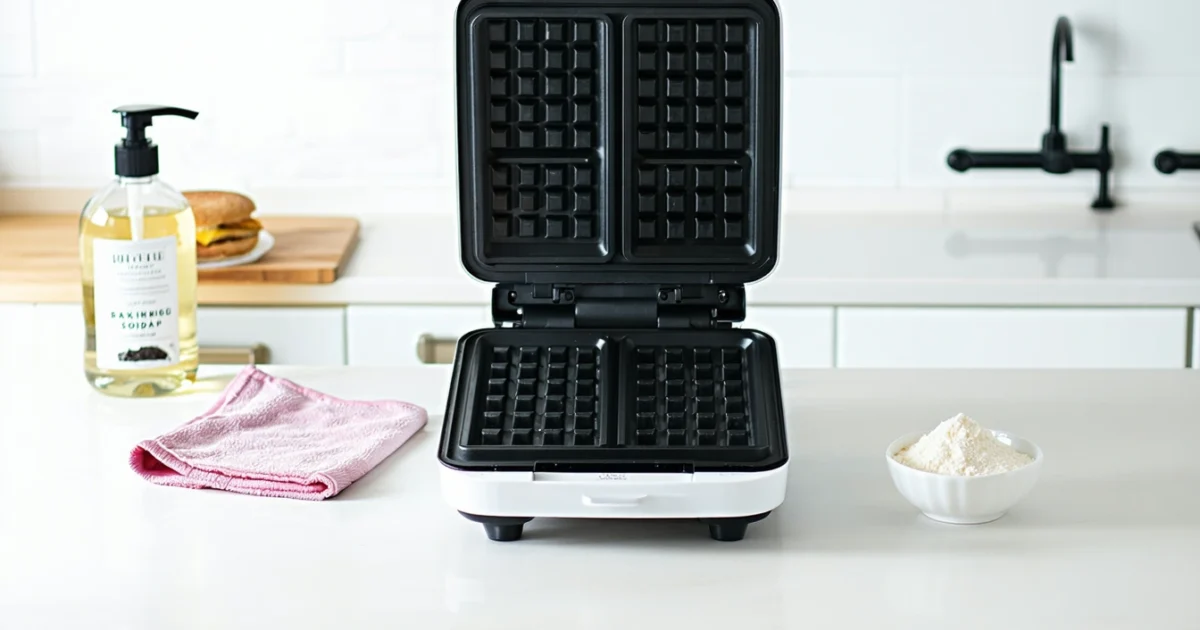
How to clean a waffle maker properly depends on whether your appliance has removable plates or fixed cooking surfaces. Most waffle makers require unplugging, cooling completely, and using gentle cleaning methods to preserve the non-stick coating while removing batter residue and grease buildup.
Regular cleaning prevents baked-on grease and maintains your waffle maker’s performance. Whether you own a waffle maker with removable plates or a fixed-plate model, the right cleaning technique protects electrical components while ensuring food safety.
This guide covers safe cleaning methods for both removable and non-removable plate waffle makers. Additionally, you’ll learn about baking soda and vinegar solutions, proper maintenance schedules, and common mistakes that damage non-stick surfaces. For more appliance cleaning tips, check our complete kitchen deep cleaning guide.
TL;DR
- Always unplug and cool completely before cleaning any waffle maker
- Removable plates can go in the dishwasher or be hand-washed with dish soap
- Fixed plates require damp cloth cleaning, steam method, or baking soda paste for stubborn residue
- Never submerge the main unit in water or use abrasive cleaners on non-stick surfaces
Safety First: Preparing Your Waffle Maker for Cleaning
Proper preparation prevents electrical hazards and ensures effective cleaning results. Always unplug your waffle maker from the electrical outlet before beginning any cleaning process. This simple step eliminates the risk of electrical shock and protects internal components from moisture damage.
Temperature safety requires patience but prevents burns and surface damage. Allow the appliance to cool completely for 15-20 minutes after your final waffle batch. Hot surfaces can cause serious burns, while cleaning warm plates may damage non-stick coatings through thermal shock.
Critical Safety Warning
Manufacturer guidelines provide model-specific cleaning instructions that preserve warranties and prevent damage. Check your owner’s manual for recommended cleaning products, temperature settings, and any special procedures. Some manufacturers void warranties when improper cleaning methods damage internal components.
Different waffle maker designs require specific preparation approaches. Removable plate models need careful plate removal after cooling, while fixed plate units require surface-only cleaning methods. Understanding your waffle maker’s construction prevents accidental damage during preparation.
Water exposure guidelines protect electrical safety and appliance longevity. Only external surfaces and removable components should contact cleaning solutions. The main heating unit contains electrical circuits that malfunction when exposed to moisture, requiring expensive repairs or replacement.
- Unplug immediately after final use to prevent accidental activation
- Test surface temperature with your hand before touching plates directly
- Remove loose crumbs while plates remain slightly warm for easier debris removal
- Gather cleaning supplies including soft cloths, dish soap, and warm water
Proper workspace preparation enhances cleaning efficiency and prevents accidents. Set up your cleaning area near a sink with adequate counter space for disassembled components. Additionally, having towels ready prevents water spots and ensures thorough drying before storage.
Cleaning Waffle Makers with Removable Plates
Removable plate waffle makers offer superior cleaning convenience compared to fixed-plate models. These appliances feature detachable cooking surfaces that separate from the main heating unit, allowing thorough washing and sanitization. Most modern waffle makers include this design feature for easier maintenance and longer appliance life.
How to Safely Remove the Plates
Wait until the waffle maker cools completely before attempting plate removal. Hot plates can cause severe burns and may warp when exposed to cold water too quickly. Touch the surface gently to confirm the temperature has dropped to room level.
Locate the release mechanism on your waffle maker model. Most units feature spring-loaded clips, twist-lock systems, or simple lift-out designs. Press or turn the release according to your manufacturer’s instructions while supporting the plate with your other hand.
Lift plates straight up to avoid damaging the connection points. Furthermore, inspect the electrical contacts for food debris before setting plates aside. Clean contacts ensure proper heating performance when reassembling your appliance.
Dishwasher Cleaning Method for Removable Plates
Check your owner’s manual to confirm dishwasher compatibility before machine washing. Many removable plates feature dishwasher-safe coatings, but some non-stick surfaces require hand washing only. Manufacturer guidelines protect coating integrity and prevent warranty voiding.
Place plates on the top dishwasher rack to avoid direct heat exposure from the bottom heating element. Secure plates properly to prevent movement during the wash cycle. Use standard dishwasher detergent without bleach additives that can damage non-stick surfaces.
Select a normal wash cycle with medium temperature settings. Avoid heated dry cycles that may warp plates or damage protective coatings. Instead, remove plates immediately after the rinse cycle completes and air dry thoroughly.
Hand-Washing Removable Plates with Dish Soap
Fill your sink with warm soapy water using gentle dish soap. Hot water can damage non-stick coatings while cold water fails to dissolve grease effectively. The ideal temperature feels comfortably warm to your hand without causing steam.
Submerge plates completely and let them soak for 5-10 minutes. Soaking loosens baked-on batter and grease without requiring aggressive scrubbing. Additionally, this gentle approach preserves coating integrity and extends plate lifespan.
Use a soft sponge or cloth to clean all surfaces thoroughly. Work in circular motions to remove stubborn residue while avoiding abrasive scrubbers that scratch non-stick coatings. Pay special attention to groove patterns where batter commonly accumulates.
Rinse plates under warm running water until all soap residue disappears. Soap residue affects waffle taste and can cause sticking during future cooking sessions. Inspect plates visually to ensure complete cleaning before drying.
Cleaning the Main Unit Housing
Wipe the exterior housing with a damp cloth while plates soak separately. Focus on areas where batter splatter commonly occurs, including the hinges and control panel. Never submerge the main unit in water as electrical components will suffer permanent damage.
Clean the heating element contacts with a dry cotton swab to remove food particles. Dirty contacts prevent proper electrical connection and cause uneven heating patterns. Therefore, maintaining clean contacts ensures consistent waffle cooking performance.
Address any grease buildup around the unit base using mild dish soap on a barely damp cloth. Excess moisture near electrical components creates safety hazards and potential short circuits. Wipe immediately with a dry cloth after cleaning.
Proper Drying and Reassembly Techniques
Air drying provides the safest method for removable plates. Place plates on a clean towel with grooved sides facing up to promote air circulation. Complete drying prevents water spots and eliminates moisture that encourages bacterial growth.
Dry the main unit thoroughly with a soft microfiber cloth before reassembly. Pay particular attention to electrical contacts and hinge mechanisms where moisture commonly hides. Trapped moisture causes corrosion and electrical malfunctions over time.
Align plates carefully with their connection points during reassembly. Forcing misaligned plates damages both the plates and heating unit contacts. Listen for the distinctive click that indicates proper seating and secure connection.
Test the release mechanism after reassembly to ensure plates seat correctly. Properly installed plates should feel secure but release easily when activated. Moreover, this final check prevents cooking disasters and ensures your waffle maker functions optimally for future use.
Cleaning Non-Removable Plate Waffle Makers
Non-removable plate waffle makers require specialized cleaning techniques to maintain hygiene without damaging electrical components. Unlike removable plate models, these units demand careful moisture control and targeted cleaning approaches. Understanding proper cleaning methods prevents water damage while ensuring thorough sanitation.
Using Damp Cloth Method for Light Cleaning
The damp cloth method provides the safest approach for routine maintenance of non-removable plates. Start by ensuring the waffle maker has cooled completely to room temperature. Unplug the unit from the electrical outlet and allow at least 30 minutes for internal components to cool.
Prepare a microfiber cloth by dampening it with warm water and wringing out excess moisture. The cloth should feel barely damp rather than wet to prevent water infiltration into electrical circuits. Gently wipe the cooking plates using circular motions, focusing on areas with visible food residue.
Clean the plate grooves systematically by folding the damp cloth and pressing it into each indentation. This technique removes crumb particles and light grease buildup effectively. Subsequently, use a dry microfiber cloth to remove any remaining moisture from the plates and surrounding areas.
Steam Cleaning Technique with Hot Water
Steam cleaning offers an effective method for loosening stubborn food particles without introducing excess moisture. Place a small bowl of hot water near the open waffle maker and allow steam to penetrate the plate grooves for 5-10 minutes. This process softens dried batter and grease naturally.
Alternatively, create controlled steam by placing a damp paper towel on the lower plate and closing the waffle maker briefly. The residual heat generates gentle steam that loosens food debris. Open the unit immediately after 30 seconds to prevent overheating or moisture damage.
Follow steam treatment with immediate cleaning using a barely damp cloth. The softened residue wipes away easily without requiring aggressive scrubbing. Always ensure complete drying after steam cleaning to prevent moisture-related electrical issues.
Baking Soda Paste Method for Stubborn Residue
Baked-on grease and stubborn food residue respond well to baking soda paste treatment. Mix three tablespoons of baking soda with one tablespoon of water to create a thick, spreadable paste. This alkaline mixture breaks down grease molecules and neutralizes food odors effectively.
Apply the paste to problem areas using a soft-bristled toothbrush, working it gently into plate grooves. Allow the paste to sit for 15-20 minutes while the baking soda penetrates and loosens stubborn deposits. The alkaline action dissolves grease without damaging non-stick coatings.
Remove the paste using a damp cloth, rinsing the cloth frequently in clean water. Work systematically across each plate section to ensure complete paste removal. Finally, wipe with a dry cloth to eliminate any residual moisture or baking soda particles.
Safety Warning
Cleaning the Exterior and Cord Area
Exterior cleaning requires attention to both aesthetic and functional aspects of the waffle maker. Wipe the outer housing with a damp cloth and mild dish soap solution, avoiding electrical connection points. Grease splatter and fingerprints accumulate on exterior surfaces during regular use.
Clean the power cord carefully using a barely damp cloth to remove grease and food particles. Inspect the cord for damage, cracks, or exposed wiring during cleaning. Damaged cords pose serious electrical hazards and require immediate replacement.
Address ventilation areas and cooling vents with a dry brush or compressed air to remove dust buildup. Blocked vents cause overheating and reduce appliance lifespan significantly. Additionally, clean the drip tray if your model includes one, as accumulated grease creates unpleasant odors and attracts pests.
Polish stainless steel surfaces with a specialized cleaner to maintain their appearance and prevent water spots. Chrome and plastic components benefit from gentle cleaning with appropriate products. For comprehensive kitchen appliance maintenance, consider following professional deep cleaning techniques that ensure optimal performance.
Avoiding Water Damage to Electrical Components
Water damage prevention requires understanding the electrical layout of non-removable plate waffle makers. Heating elements and temperature controls integrate directly into the plate assembly, making them vulnerable to moisture infiltration. Never allow water to pool in plate grooves or contact electrical connections.
Maintain the waffle maker in an upright position during cleaning to prevent water from flowing into internal mechanisms. Tilting or inverting the unit allows moisture to reach sensitive electrical components through ventilation openings. Gravity naturally directs water away from electronics when the unit remains upright.
Use minimal moisture throughout the cleaning process, checking frequently for water accumulation in grooves or crevices. Immediately absorb any excess water with a dry cloth before it can penetrate deeper into the appliance. Furthermore, allow extended drying time after cleaning to ensure complete moisture evaporation before storage or use.
Store the cleaned waffle maker in a dry environment with adequate air circulation. Humid storage conditions promote corrosion and electrical deterioration even after proper cleaning. Regular maintenance using these moisture-controlled methods ensures your non-removable plate waffle maker remains safe and functional for years of reliable service.
Removing Baked-On Grease and Stubborn Residue
Stubborn grease buildup and burnt-on batter require targeted cleaning approaches that penetrate hardened residue without damaging waffle maker surfaces. These challenging deposits form when oils polymerize under high heat, creating tough layers that resist basic cleaning methods. However, strategic application of natural cleaning agents and specialized techniques effectively dissolves even the most persistent buildup.
Baking Soda and Vinegar Cleaning Solution
The combination of baking soda and vinegar creates a powerful cleaning reaction that breaks down grease molecules and lifts stubborn residue from waffle maker plates. Baking soda acts as a mild abrasive while vinegar’s acidity dissolves mineral deposits and cuts through accumulated oils. This natural cleaning solution proves particularly effective against burnt-on batter that has carbonized on plate surfaces.
Create the cleaning paste by mixing three tablespoons of baking soda with two tablespoons of white vinegar, forming a thick consistency that adheres to vertical surfaces. Apply this mixture generously to problem areas, allowing the fizzing reaction to work for 10-15 minutes before scrubbing. The chemical reaction loosens hardened deposits, making them easier to remove with gentle mechanical action.
For maximum effectiveness, warm the waffle maker slightly before applying the baking soda and vinegar solution. Heat expands the grease molecules, allowing the cleaning agents to penetrate more deeply into the buildup. Nevertheless, ensure the plates remain cool enough to touch safely throughout the cleaning process.
Using Oven Cleaner Safely on Waffle Makers
Commercial oven cleaners provide powerful degreasing action for severely soiled waffle makers, but require careful application to avoid damaging non-stick coatings or electrical components. These products contain strong alkaline chemicals that dissolve carbonized food particles and polymerized oils effectively. However, proper ventilation and protective equipment become essential when using these concentrated cleaning agents.
Select oven cleaners specifically labeled as safe for non-stick surfaces, avoiding products containing sodium hydroxide or potassium hydroxide in high concentrations. Apply the cleaner only to the cooking plates, carefully avoiding electrical connections, heating elements, and exterior plastic components. Work in a well-ventilated area while wearing rubber gloves to protect your skin from chemical contact.
Safety Warning
Allow the oven cleaner to work for the manufacturer’s recommended time, typically 15-20 minutes for heavy buildup. Thoroughly rinse all treated surfaces with clean water, followed by a vinegar solution to neutralize any remaining alkaline residue. Multiple rinse cycles ensure no chemical traces remain that could affect food safety or taste.
Soft Brush and Toothbrush Techniques
Mechanical cleaning with soft-bristled brushes provides precise control for removing stubborn residue from waffle maker grooves and textured surfaces. Old toothbrushes work exceptionally well for detailed cleaning, reaching into corners and crevices where buildup typically accumulates. The key lies in using gentle pressure combined with appropriate cleaning solutions rather than aggressive scrubbing that could damage surfaces.
Choose brushes with synthetic bristles rather than natural materials, as synthetic options resist chemical cleaning agents and maintain their shape longer. Soft-bristled dish brushes handle larger areas efficiently, while toothbrushes excel at precision work around hinges, edges, and deep grooves. Additionally, silicone brushes offer excellent chemical resistance and won’t scratch delicate non-stick coatings.
- Use circular motions for general cleaning and back-and-forth strokes for stubborn spots
- Apply cleaning solution first, then brush to avoid spreading dry residue
- Rinse brushes frequently to prevent redepositing loosened debris
- Work systematically from cleanest to dirtiest areas
For burnt-on batter in deep grooves, angle the toothbrush to follow the plate’s contours rather than fighting against the design. This technique maximizes bristle contact with residue while minimizing pressure on the underlying surface. Consequently, even heavily soiled waffle makers respond well to patient, methodical brushing with appropriate cleaning agents.
Dealing with Burnt-On Batter and Grease Buildup
Burnt-on batter creates the most challenging cleaning scenario, as sugar and protein components caramelize and bond strongly to metal surfaces under high heat. These carbonized deposits resist water-based cleaning and require combination approaches using both chemical and mechanical methods. Understanding the composition of these deposits guides the selection of appropriate removal techniques.
Steam treatment proves highly effective for softening burnt-on residue before mechanical removal. Place a damp cloth over the problem area and warm the waffle maker slightly, creating localized steam that penetrates the hardened deposits. This moisture rehydrates the burnt material, making it more susceptible to scraping and brushing.
For severe grease buildup, create a degreasing solution by combining dish soap, white vinegar, and warm water in equal parts. This mixture cuts through multiple layers of accumulated oils while remaining gentle enough for regular use. Apply the solution generously and allow extended contact time of 20-30 minutes for maximum penetration.
Plastic scrapers remove loosened residue without scratching surfaces, while wooden tools work well for stubborn spots that resist other methods. Work gradually, removing layers of buildup rather than attempting to clear everything in one aggressive session. Professional grease removal techniques can provide additional strategies for particularly challenging situations.
When to Use Commercial Kitchen Degreasers
Commercial kitchen degreasers become necessary when natural cleaning methods fail to address severe grease accumulation or when time constraints require rapid cleaning solutions. These specialized products contain concentrated surfactants and solvents designed specifically for food service equipment. However, their powerful formulations demand careful selection and application to ensure food safety.
Professional degreasers work best on waffle makers used frequently in commercial settings or home kitchens where heavy usage creates substantial buildup. Look for products labeled as food-safe and suitable for non-stick surfaces, avoiding industrial cleaners designed for steel equipment. The concentration and chemical composition must match your specific cleaning requirements without exceeding safety parameters.
Apply commercial degreasers according to manufacturer instructions, typically requiring 5-10 minutes of contact time for optimal effectiveness. Use these products sparingly, as their concentrated formulations provide significant cleaning power even in small quantities. Furthermore, thorough rinsing becomes critical to remove all chemical residues before food contact.
Consider commercial degreasers as a last resort after natural methods prove insufficient, or when preparing waffle makers that have been stored dirty for extended periods. These situations often involve oxidized oils and complex residue layers that respond poorly to gentler cleaning approaches. Professional-grade cleaning ensures complete restoration while maintaining equipment safety and functionality.
First-Time Cleaning and Seasoning New Waffle Makers
New waffle makers require thorough preparation before their first use to ensure optimal performance and food safety. Manufacturing residues, protective oils, and packaging materials can contaminate your initial waffles if not properly removed. Additionally, proper seasoning creates a protective barrier that enhances non-stick performance and extends your appliance’s lifespan.
Removing Manufacturing Residues and Oils
Manufacturers apply protective coatings and oils during production to prevent corrosion and damage during shipping. These substances often leave metallic tastes and unpleasant odors that transfer to food. Furthermore, dust, fingerprints, and packaging residues accumulate on surfaces during handling and storage.
Begin by unpacking your waffle maker completely, removing all protective films, tape, and documentation from cooking surfaces. Inspect the plates carefully for any visible residue or foreign materials. Never use abrasive cleaners or steel wool on new non-stick surfaces, as these damage the coating permanently.
Wipe all surfaces with a damp microfiber cloth to remove loose debris and dust. Pay special attention to crevices and grooves where packaging materials might lodge. This initial cleaning removes surface contaminants without introducing moisture to electrical components.
Initial Cleaning Before First Use
Create a gentle cleaning solution using warm water and mild dish soap for your waffle maker’s first deep clean. Mix one tablespoon of liquid dish soap with two cups of warm water, ensuring complete dissolution. This solution effectively removes manufacturing oils without damaging delicate non-stick coatings.
Ensure your waffle maker remains completely unplugged throughout the cleaning process. Dip a soft cloth or sponge into the soapy solution, wringing out excess water to prevent dripping into electrical components. Clean all accessible surfaces methodically, including the exterior housing, control knobs, and cord.
- Focus on cooking plates and their surrounding areas
- Clean hinges and adjustment mechanisms thoroughly
- Wipe down the drip tray and collection areas
- Remove any adhesive residue from labels or stickers
Rinse surfaces with a clean, damp cloth to remove soap residue completely. Soap residue can create off-flavors and interfere with proper seasoning. Allow all components to air dry completely before proceeding to the seasoning stage.
Seasoning Non-Stick Surfaces Properly
Seasoning creates a polymerized oil layer that enhances non-stick properties and protects the coating from wear. This process involves applying a thin oil coating and heating it to create molecular bonds with the surface. Proper seasoning significantly reduces sticking and makes future cleaning easier.
Choose a high smoke point oil such as vegetable oil, canola oil, or grapeseed oil for seasoning. Avoid butter, olive oil, or oils with low smoke points, as these burn and create sticky residues. Apply approximately one teaspoon of oil to the cooking plates using a paper towel or soft cloth.
Seasoning Temperature
Distribute the oil evenly across all cooking surfaces, ensuring complete coverage of grooves and patterns. Less is more when seasoning – excess oil pools and creates uneven coatings. Close the waffle maker and heat for 5-7 minutes, allowing the oil to polymerize completely.
Open the waffle maker carefully after heating, as steam may escape from the hot surfaces. The plates should appear slightly darker with a subtle sheen, indicating successful seasoning. Wipe away any excess oil with a clean paper towel while the surfaces remain warm.
Breaking In Your New Waffle Maker Safely
The break-in period allows your waffle maker’s components to settle and ensures optimal performance from the first use. Temperature calibration varies between units, requiring adjustment to achieve consistent results. Moreover, this period helps identify any manufacturing defects before regular use begins.
Prepare a simple test batter using basic ingredients to evaluate your waffle maker’s performance. Mix one cup flour, one egg, one cup milk, and two tablespoons melted butter for a neutral-tasting batter. This simple recipe helps assess cooking times and temperature settings without wasting expensive ingredients.
Start with medium heat settings for your first test waffle, gradually adjusting based on results. New waffle makers often cook faster than expected due to efficient heat distribution. Monitor the cooking process closely, noting any hot spots or uneven browning patterns.
Discard the first waffle, as it may contain residual manufacturing tastes or seasoning oil flavors. The second waffle typically provides a more accurate representation of your appliance’s performance. Document optimal temperature settings and cooking times for future reference, as these vary significantly between models and manufacturers.
Consider reading our comprehensive guide on deep cleaning your kitchen for additional appliance maintenance tips. Proper initial preparation ensures years of reliable waffle-making performance and simplifies ongoing maintenance requirements.
Regular Maintenance and Cleaning Schedule
Establishing a consistent cleaning routine prevents grease buildup and extends your waffle maker’s lifespan significantly. Daily maintenance requires minimal effort but delivers maximum protection against stubborn residue formation. Furthermore, regular cleaning maintains optimal cooking performance and prevents flavor transfer between different waffle batches.
Daily Cleaning Routine After Each Use
Immediate cleaning after each cooking session prevents baked-on grease from hardening on heating plates. Unplug your waffle maker completely and allow it to cool for 10-15 minutes before beginning the cleaning process. However, avoid letting the appliance cool completely, as warm plates release residue more easily than cold surfaces.
Wipe exterior surfaces with a damp microfiber cloth while the unit remains slightly warm. Remove crumbs and loose debris from cooking plates using a soft-bristled brush or wooden spatula. Additionally, check the drip tray for overflow batter that could attract pests or create unpleasant odors.
- Unplug and cool for 10-15 minutes
- Wipe exterior with damp cloth
- Remove loose crumbs with soft brush
- Empty and rinse drip tray
- Dry all surfaces thoroughly
Weekly Deep Cleaning Recommendations
Weekly deep cleaning addresses accumulated grease and ensures your waffle maker maintains peak performance. Create a cleaning solution using equal parts white vinegar and warm water for effective grease dissolution. This natural mixture breaks down stubborn residue without damaging non-stick coatings or heating elements.
Apply the vinegar solution using a soft cloth, focusing on areas with visible buildup or discoloration. Allow the solution to sit for 5-10 minutes before wiping clean with a fresh damp cloth. Subsequently, dry all surfaces completely to prevent water spots and potential electrical issues.
For waffle makers with removable plates, detach cooking surfaces and wash them in warm soapy water. Scrub gently with a non-abrasive sponge to preserve non-stick coatings. Meanwhile, clean the heating base with a damp cloth, avoiding water contact with electrical components.
Monthly Maintenance Checklist
Monthly maintenance involves thorough inspection and deep cleaning of all waffle maker components. Check power cords for fraying, cracks, or other damage that could pose safety risks. Examine heating plates for scratches, chips, or coating deterioration that affects cooking performance.
| Component | Inspection Points | Action Required |
|---|---|---|
| Power Cord | Fraying, cracks, loose connections | Replace if damaged |
| Heating Plates | Coating integrity, deep scratches | Professional service if severe |
| Temperature Control | Consistent heating, accurate settings | Calibrate or repair |
| Hinges/Locks | Smooth operation, proper alignment | Lubricate or adjust |
Test temperature control accuracy by cooking identical batter portions at the same settings. Inconsistent results indicate calibration issues requiring professional attention. Moreover, verify that indicator lights function properly and heating cycles complete as expected.
Clean hard-to-reach areas using cotton swabs dipped in baking soda paste for stubborn residue removal. This gentle abrasive tackles accumulated grease without scratching delicate surfaces. Rinse thoroughly and dry completely before storage or next use.
Signs Your Waffle Maker Needs Immediate Attention
Recognizing warning signs prevents minor issues from becoming major repairs or safety hazards. Unusual odors during operation often indicate burning residue or electrical problems requiring immediate investigation. Strange smells may signal overheating components or accumulated grease reaching dangerous temperatures.
Uneven cooking patterns suggest heating element problems or severe plate damage affecting heat distribution. Waffles that cook faster on one side indicate hot spots or failing temperature control mechanisms. Additionally, excessive smoke production warns of grease buildup or component malfunction.
Immediate Action Required
Difficulty opening or closing the waffle maker indicates hinge problems or warped plates from overheating. Sticky latches or misaligned cooking surfaces compromise cooking quality and pose safety risks. Furthermore, indicator lights that fail to illuminate or remain constantly lit suggest electrical system failures.
Temperature control problems manifest as consistently overcooked or undercooked waffles despite proper settings. Thermostat failures prevent accurate temperature regulation, affecting cooking consistency and potentially creating fire hazards. Professional diagnosis becomes necessary when basic cleaning fails to resolve these issues.
Common Cleaning Mistakes to Avoid
Proper waffle maker maintenance requires avoiding damaging cleaning practices that can permanently harm your appliance. Understanding these common mistakes helps preserve your waffle maker’s performance and extends its lifespan significantly.
Using Abrasive Cleaners and Tools
Abrasive cleaners destroy the delicate non-stick coating that makes waffle removal effortless. Steel wool, scouring pads, and harsh chemical cleaners strip away protective surfaces, creating permanent damage that cannot be repaired. Once the coating deteriorates, waffles stick relentlessly to the plates.
Similarly, metal utensils scratch and gouge cooking surfaces during cleaning attempts. Knives, forks, and metal scrapers leave permanent marks that trap food particles and create uneven cooking surfaces. Instead, soft cloths, plastic scrapers, and gentle cleaning solutions protect your investment effectively.
Coating Damage Warning
Temperature and Timing Errors
Cleaning a hot waffle maker poses serious safety risks and damages internal components. Hot surfaces can cause severe burns, while rapid temperature changes warp metal plates and crack heating elements. Additionally, cleaning solutions evaporate too quickly on hot surfaces, leaving residue behind.
Always allow your waffle maker to cool completely before beginning any cleaning process. This cooling period typically requires 30-45 minutes after unplugging the appliance. Furthermore, never attempt cleaning while the unit remains plugged into electrical outlets, as moisture and electricity create dangerous combinations.
Water Exposure Mistakes
Submerging electrical components in water destroys internal wiring and creates permanent appliance failure. Water penetration into heating elements, thermostats, and control circuits causes short circuits and potential fire hazards. Moreover, moisture trapped inside electrical housings promotes corrosion and component deterioration.
Never immerse the entire waffle maker in water or place it in dishwashers. Instead, focus cleaning efforts on removable plates and external surfaces using damp cloths and appropriate cleaning solutions. Deep kitchen cleaning techniques apply to waffle makers, emphasizing surface cleaning over submersion methods.
Pros
- Use soft cloths and plastic scrapers
- Clean only when completely cool
- Focus on surface cleaning methods
- Allow proper drying time
Cons
- Never use metal utensils or abrasive pads
- Avoid cleaning while hot or plugged in
- Don't submerge electrical components
- Skip harsh chemical cleaners
Chemical and Product Selection Errors
Harsh cleaning products damage waffle maker surfaces and leave harmful residues that contaminate future food preparation. Oven cleaners contain caustic chemicals that eat through non-stick coatings and metal finishes. These products also leave toxic residues that require extensive rinsing to remove completely.
Bleach-based cleaners cause similar damage while creating dangerous fumes when mixed with other cleaning products. Instead, gentle dish soap, baking soda, and vinegar solutions provide effective cleaning without harmful side effects. These natural alternatives clean thoroughly while preserving your waffle maker’s integrity and safety.
Remember that residue removal becomes critical after any cleaning process. Leftover cleaning products affect waffle taste and may pose health risks when heated during cooking. Therefore, thorough rinsing and complete drying prevent contamination and ensure safe operation for your next waffle-making session.
Frequently Asked Questions
What is the best way to clean my waffle maker?
The best cleaning method depends on your waffle maker type. For removable plate models, detach the plates after cooling and wash them with warm soapy water or place them in the dishwasher. For fixed plate models, use a damp cloth to wipe surfaces, followed by the steam cleaning method or baking soda paste for stubborn residue. Always unplug the unit and allow it to cool completely before cleaning.
How do you clean a waffle maker with non-removable plates?
For waffle makers that don’t come apart, use these safe methods:
- Wipe with a damp cloth while plates are slightly warm
- Use the steam method by placing a damp cloth on warm plates to loosen debris
- Apply baking soda paste for stubborn, baked-on grease
- Never submerge the main unit in water or use abrasive cleaners
How to remove baked-on grease from waffle iron?
To remove stubborn, baked-on grease, create a paste using baking soda and water. Apply this paste to the affected areas and let it sit for 10-15 minutes. Gently scrub with a soft brush or cloth, then wipe clean with a damp cloth. For extra cleaning power, you can also use a vinegar solution after the baking soda treatment to break down remaining grease buildup.
What is the best homemade waffle maker cleaner?
The most effective homemade cleaner combines baking soda and vinegar. Mix 2 tablespoons of baking soda with enough water to form a paste, apply to stubborn areas, then follow with a vinegar solution (1:1 ratio of white vinegar and water). This combination breaks down grease and removes odors naturally without damaging non-stick surfaces.
How do you clean a waffle maker for the first time?
Before first use, wipe down all surfaces with a damp cloth to remove manufacturing residue. For removable plates, wash them with warm soapy water and dry thoroughly. Season the plates by lightly coating them with cooking oil or spray, then heating the unit for 2-3 minutes. This creates a protective layer and improves non-stick performance.
Can you use oven cleaner on a waffle maker?
No, never use oven cleaner on waffle makers. Oven cleaners contain harsh chemicals that can damage non-stick coatings, leave toxic residues, and harm electrical components. Instead, use gentle dish soap, baking soda paste, or vinegar solutions specifically designed for kitchen appliances with non-stick surfaces.
How often should you clean your waffle maker?
Clean your waffle maker after every use for basic maintenance, wiping away crumbs and light residue. Perform a deep cleaning weekly if used frequently, or monthly for occasional use. Regular cleaning prevents baked-on grease buildup and maintains optimal performance and food safety.
Can waffle maker plates go in the dishwasher?
Most removable waffle maker plates are dishwasher-safe, but always check your owner’s manual first. Place them on the top rack and use a gentle cycle to prevent damage. Hand washing with warm soapy water is often gentler and extends the life of non-stick coatings.
What should you never do when cleaning a waffle maker?
Avoid these common mistakes that can damage your waffle maker:
- Never submerge the main unit in water
- Don’t use abrasive cleaners or steel wool on non-stick surfaces
- Avoid cleaning while hot – always cool completely first
- Don’t forget to unplug before cleaning
- Never use harsh chemicals like bleach or oven cleaner
How do you clean waffle maker with hot water method?
The hot water method works well for removable plates. Soak the plates in hot, soapy water for 10-15 minutes to loosen baked-on batter. For fixed plates, place a damp, warm cloth on the surface to create steam that softens debris. Never pour hot water directly onto the main unit or electrical components.
Why is my waffle maker smoking after cleaning?
Smoking after cleaning usually indicates residual moisture or cleaning product on the heating elements. Ensure all surfaces are completely dry before use. If you used cleaning solutions, wipe thoroughly with a damp cloth to remove residue, then dry completely. Season the plates with a light coating of oil to restore the non-stick surface.
How do you maintain a waffle maker's non-stick coating?
Preserve non-stick coatings by using gentle cleaning methods and avoiding abrasive tools. Clean with soft cloths or sponges, use mild dish soap, and dry thoroughly after each use. Season periodically with cooking oil to maintain the non-stick properties and prevent food from sticking.
Can you clean a waffle maker with just water?
Water alone can handle light cleaning for fresh crumbs and minimal residue. However, for grease buildup and baked-on batter, you’ll need dish soap or baking soda for effective cleaning. Always use warm (not hot) water and ensure complete drying to prevent water spots and potential electrical issues.
You May Also Like
How to Clean Your Nespresso Machine: Complete Guide 2026
How to Clean Oven Glass Without Scratching: Expert Guide 2026