How to Clean Retainers: Complete Guide for All Types 2026

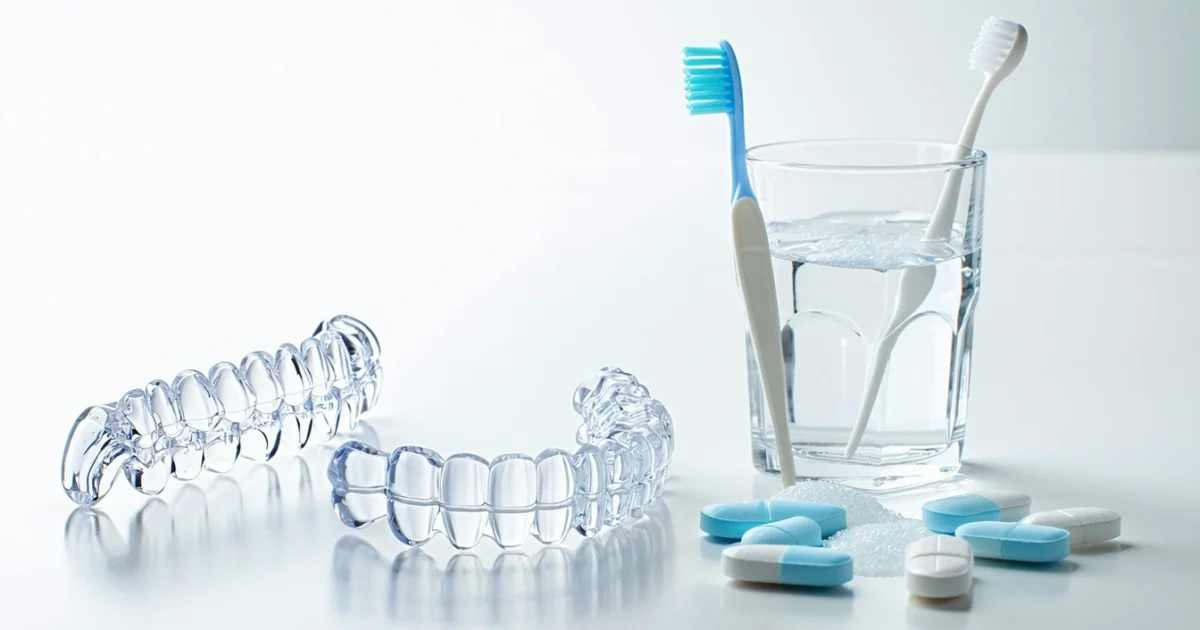
How to clean retainers properly requires understanding your specific retainer type and using the right cleaning methods to maintain oral hygiene whilst preventing damage. Whether you wear Hawley retainers, clear plastic retainers, or have permanent bonded retainers, daily cleaning with lukewarm water and gentle brushing prevents bacteria buildup and keeps your retainers fresh.
Different retainer materials require specific cleaning approaches. Wire and acrylic Hawley retainers need careful attention around metal components, whilst clear plastic retainers like Essix or Invisalign can warp with hot water. Additionally, bonded retainers present unique cleaning challenges as they remain fixed to your teeth.
Proper retainer maintenance involves daily cleaning routines, weekly deep cleaning, and knowing which products to avoid. Furthermore, using retainer cleaning tablets, mild soap, or safe homemade solutions ensures your retainers stay hygienic without causing damage.
TL;DR
- Daily cleaning with lukewarm water and soft-bristled toothbrush prevents bacteria buildup
- Different retainer types (Hawley, clear plastic, bonded) require specific cleaning methods
- Safe cleaning products include retainer tablets, mild soap, and baking soda solutions
- Avoid toothpaste, hot water, and harsh chemicals that can damage retainer materials
- Weekly deep cleaning removes stubborn plaque and stains effectively
Types of Retainers and Their Cleaning Requirements
Understanding your retainer type determines the most effective cleaning approach. Each retainer material responds differently to cleaning products and techniques, making proper identification essential for maintaining oral hygiene without causing damage.
Hawley Retainers (Wire and Acrylic)
Hawley retainers combine metal wires with acrylic plastic, creating unique cleaning challenges. The wire components require gentle brushing to remove plaque buildup, whilst the acrylic base needs careful attention to prevent scratching.
Clean Hawley retainers by focusing on the wire clasps where bacteria accumulate most readily. Use a soft-bristled toothbrush to gently scrub around metal components, ensuring you reach all wire surfaces. Subsequently, clean the acrylic portion with circular motions to remove food particles and plaque.
The metal wires can withstand slightly firmer brushing than plastic components. However, avoid excessive pressure that might bend the wires or crack the acrylic base. Additionally, never use abrasive cleaners on the acrylic surface, as these create microscopic scratches where bacteria thrive.
Clear Plastic Retainers (Essix and Invisalign)
Clear plastic retainers require the most delicate cleaning approach due to their thermoplastic construction. These retainers warp easily when exposed to hot water, making temperature control crucial during cleaning.
Clean clear retainers exclusively with lukewarm water to prevent distortion. The plastic material becomes pliable at temperatures above 40°C, potentially altering the retainer’s fit permanently. Moreover, use only gentle cleaning solutions that won’t cloud the transparent material.
Brush clear retainers with extremely light pressure to avoid creating visible scratches. The smooth plastic surface shows damage more readily than other materials, making gentle handling essential. Furthermore, avoid soaking these retainers in harsh solutions that might cause discolouration or material degradation.
Permanent Bonded Retainers
Bonded retainers present the greatest cleaning challenge because they remain permanently attached to your teeth. These thin metal wires require specialised cleaning techniques to prevent plaque accumulation and gum disease.
Clean bonded retainers using floss threaders or water flossers to reach beneath the wire. Traditional flossing becomes impossible with bonded retainers, making these tools essential for maintaining gum health. Additionally, interdental brushes help remove plaque from tight spaces around the wire.
Focus cleaning efforts on the gum line where bonded retainers meet your teeth. Bacteria accumulate rapidly in these areas, potentially causing gingivitis if left uncleaned. Similarly, gentle brushing techniques similar to those used for delicate surfaces work best around bonded wires.
Why Different Materials Require Specific Approaches
Each retainer material possesses unique properties that determine appropriate cleaning methods. Acrylic scratches easily, metal components resist corrosion differently, and thermoplastics respond variably to temperature changes.
| Retainer Type | Primary Material | Key Cleaning Consideration |
|---|---|---|
| Hawley | Acrylic + Metal Wire | Avoid scratching acrylic base |
| Clear Plastic | Thermoplastic | Prevent heat warping |
| Bonded | Metal Wire | Access around fixed wire |
Understanding material science helps explain why one-size-fits-all cleaning approaches fail. Thermoplastic retainers soften at relatively low temperatures, whilst metal components can withstand higher heat. Consequently, cleaning products and techniques must match material properties to maintain retainer integrity.
The porosity of different materials also affects bacterial adhesion and cleaning requirements. Acrylic surfaces develop microscopic pores over time, requiring different cleaning strategies than smooth plastic surfaces. Therefore, tailoring your cleaning approach to your specific retainer type ensures optimal hygiene and longevity.
Daily Retainer Cleaning Routine
Establishing a consistent daily cleaning routine prevents bacterial buildup and maintains retainer hygiene effectively. Moreover, regular cleaning extends retainer lifespan whilst preventing unpleasant odours and potential oral health issues.
Step-by-Step Daily Cleaning Process
- Remove your retainer carefully using both hands to avoid bending
- Rinse immediately under lukewarm water to remove loose debris
- Apply a small amount of gentle soap or retainer cleaner to your brush
- Brush all surfaces using circular motions for 30-60 seconds
- Pay special attention to grooves where bacteria accumulate
- Rinse thoroughly under running water to remove all cleaning residue
- Shake off excess water and place on a clean towel to air dry
This systematic approach ensures comprehensive cleaning whilst protecting delicate retainer materials. Furthermore, following the same sequence daily creates muscle memory that prevents rushed or incomplete cleaning sessions.
Optimal Cleaning Times
Morning cleaning removes overnight bacterial accumulation and freshens your retainer for daily wear. Additionally, cleaning upon waking prevents transferring bacteria from your retainer to breakfast or morning beverages.
Evening cleaning proves equally important as it eliminates food particles and plaque buildup from daily activities. Consequently, thorough evening cleaning prevents bacterial multiplication during overnight storage periods.
Some orthodontists recommend cleaning retainers after each meal, particularly for removable types. However, twice-daily cleaning typically suffices for most patients when performed thoroughly and consistently.
Essential Cleaning Tools
A soft-bristled toothbrush serves as the primary cleaning tool for retainer maintenance. Specifically, children’s toothbrushes work excellently due to their smaller heads and gentler bristles that reach tight spaces without causing damage.
Lukewarm water provides the ideal temperature for cleaning whilst protecting thermoplastic materials from warping. Similarly, water temperature between room temperature and body temperature ensures effective cleaning without material damage.
Additional helpful tools include denture brushes for deeper cleaning and interdental brushes for accessing narrow crevices. However, these supplementary tools complement rather than replace your primary soft-bristled brush, much like how specialised cleaning tools enhance laptop screen cleaning techniques.
Gentle Brushing Technique
Apply light pressure when brushing to prevent scratching acrylic surfaces or bending metal components. Instead, let the brush bristles do the work through gentle circular motions that dislodge debris without causing damage.
Focus brushing efforts on areas where saliva proteins and food particles typically accumulate. These include wire attachments, clasps, and any textured surfaces that provide bacterial hiding spots.
Avoid aggressive scrubbing motions that can create microscopic scratches in retainer surfaces. These tiny scratches become bacterial breeding grounds that make future cleaning more difficult and less effective.
Proper Rinsing and Drying Methods
Thorough rinsing removes all cleaning product residue that could irritate your mouth or alter taste perception. Therefore, rinse for at least 15-20 seconds under running water whilst rotating the retainer to reach all surfaces.
Air drying prevents bacterial growth better than towel drying, which can introduce new contaminants. Place your clean retainer on a designated clean surface away from bathroom humidity and dust.
Never use hot air dryers or direct heat sources that can warp thermoplastic materials. Instead, allow natural air circulation to dry your retainer completely before storage or reinsertion into your mouth.
Safe Cleaning Products and Solutions
Selecting appropriate cleaning products ensures effective sanitisation whilst protecting your retainer’s materials from damage. Consequently, understanding which solutions work best for different cleaning scenarios helps maintain optimal oral hygiene without compromising retainer integrity.
Retainer Cleaning Tablets
Retainer cleaning tablets contain effervescent compounds that create oxygen bubbles to lift bacteria and debris from retainer surfaces. These tablets dissolve completely in water, forming a sanitising solution that penetrates hard-to-reach areas without requiring scrubbing.
Drop one tablet into a glass of lukewarm water and submerge your retainer for the recommended time, typically 15-30 minutes. The fizzing action indicates active cleaning compounds breaking down biofilm and protein deposits that accumulate during normal wear.
Popular UK brands like Polident and Steradent formulate tablets specifically for orthodontic appliances. However, always check packaging labels to ensure compatibility with your retainer type, as some formulations suit certain materials better than others.
Mild Antibacterial Soap Alternative
Antibacterial liquid soap provides an excellent daily cleaning option when retainer tablets aren’t available. Furthermore, this method works particularly well for quick cleaning sessions between longer soaking treatments.
Use only mild, fragrance-free antibacterial soap to avoid taste residues and potential allergic reactions. Apply a small amount to your soft-bristled brush and gently clean all retainer surfaces under running lukewarm water.
Rinse thoroughly for at least 30 seconds to remove all soap residue, as lingering detergent can irritate oral tissues. This cleaning method proves especially useful when travelling or when you need immediate cleaning results.
Denture Cleaners for Retainers
Denture cleaning products share similar formulations with retainer cleaners, making them suitable alternatives for orthodontic appliance care. Nevertheless, compatibility depends on your specific retainer materials and the cleaner’s chemical composition.
Denture tablets work through similar effervescent action as retainer tablets, creating antimicrobial solutions that eliminate bacteria and freshen appliances. Most UK pharmacies stock brands like Fixodent and Poligrip that prove safe for retainer use.
Always verify with your orthodontist before using denture cleaners, particularly if your retainer contains metal components. Some denture formulations contain stronger chemicals that might affect wire attachments or bonding materials differently than plastic retainers.
Homemade Cleaning Solutions
Baking soda solutions create alkaline environments that neutralise acid-producing bacteria whilst gently removing stains and odours. Mix one teaspoon of baking soda with one cup of lukewarm water to create an effective cleaning soak.
Soak your retainer in baking soda solution for 10-15 minutes before brushing gently with a soft-bristled brush. This natural approach works particularly well for removing stubborn plaque buildup without harsh chemicals that might damage sensitive materials.
White vinegar solutions provide antimicrobial properties through acetic acid that kills bacteria and dissolves mineral deposits. However, dilute white vinegar with equal parts water to prevent potential damage to retainer materials from excessive acidity.
Limit vinegar soaking to 5-10 minutes maximum and rinse thoroughly afterwards, as prolonged acid exposure can weaken certain plastics or corrode metal components. Additionally, the strong taste requires extensive rinsing before reinsertion.
When to Use Each Cleaning Method
Daily maintenance cleaning requires gentle methods like mild antibacterial soap or quick tablet soaks that remove surface bacteria without intensive treatment. Similarly, morning and evening cleaning routines benefit from these quick-acting solutions that fit easily into busy schedules.
Weekly deep cleaning sessions call for retainer cleaning tablets or longer baking soda soaks that address accumulated biofilm and stubborn deposits. These intensive treatments complement daily care, much like how deep cleaning dishwasher filters maintains appliance performance.
Emergency cleaning situations benefit from homemade solutions when commercial products aren’t available. For instance, baking soda provides immediate odour control, whilst diluted vinegar tackles mineral buildup from hard water areas common throughout the UK.
Choose cleaning frequency based on retainer wear patterns and individual oral health needs. Full-time retainer wearers require more frequent cleaning than night-only users, whilst people with higher bacterial loads might need daily tablet treatments rather than weekly deep cleans.
Deep Cleaning Methods for Stubborn Buildup
Stubborn buildup on retainers requires intensive cleaning methods that go beyond daily maintenance routines. Moreover, these deep cleaning techniques target hardened plaque, mineral deposits, and persistent stains that regular cleaning cannot eliminate effectively.
Weekly Deep Cleaning Routine
Establish a weekly deep cleaning schedule that complements daily maintenance for optimal retainer hygiene. Furthermore, this intensive routine prevents bacterial accumulation and maintains retainer clarity over extended periods.
- Rinse retainers under lukewarm water to remove loose debris
- Soak in retainer cleaning tablets for 15-30 minutes
- Brush gently with a soft-bristled toothbrush using circular motions
- Rinse thoroughly and inspect for remaining buildup
- Air dry completely before storage
Weekly cleaning sessions address biofilm formation that daily cleaning cannot penetrate. Additionally, this routine helps identify potential issues like cracks or wear patterns that require professional attention.
Removing Plaque and Tartar Buildup Safely
Plaque removal requires gentle mechanical action combined with appropriate cleaning solutions to avoid damaging retainer materials. However, tartar buildup presents greater challenges due to its hardened, mineralised structure that bonds firmly to retainer surfaces.
Create a baking soda paste using three parts baking soda to one part water for effective plaque dissolution. Subsequently, apply this paste using a soft brush with gentle circular motions, focusing on areas with visible buildup.
Tartar removal demands more intensive approaches, including ultrasonic cleaning baths that use high-frequency vibrations to break down mineralised deposits. Alternatively, extended soaking in retainer cleaning tablets helps soften tartar for easier removal during brushing.
Never use metal instruments or abrasive materials to scrape tartar, as these methods can scratch retainer surfaces and create bacterial harbourage sites. Instead, persistent tartar buildup requires professional cleaning from dental hygienists who possess specialised tools and expertise.
Stain Removal Techniques for Discoloured Retainers
Retainer discolouration occurs from various sources including food pigments, bacterial staining, and mineral deposits from hard water. Consequently, different stain types require specific removal approaches for effective restoration.
| Stain Type | Treatment Method | Duration |
|---|---|---|
| Food stains | Hydrogen peroxide soak (3%) | 10-15 minutes |
| Bacterial staining | Retainer cleaning tablets | 20-30 minutes |
| Mineral deposits | Diluted white vinegar | 5-10 minutes |
| General yellowing | Baking soda paste | 15-20 minutes |
Hydrogen peroxide solutions effectively bleach organic stains whilst maintaining retainer integrity when used appropriately. Similarly, this oxidising agent breaks down bacterial pigments that cause persistent discolouration in clear retainers.
Avoid using household bleach or chlorine-based products, as these chemicals can weaken retainer plastics and cause brittleness. Instead, stick to dental-grade hydrogen peroxide or purpose-made retainer whitening products for safe stain removal.
Soaking Methods and Recommended Duration
Proper soaking techniques maximise cleaning effectiveness whilst preventing damage to retainer materials. Furthermore, soaking duration varies significantly based on cleaning solution strength and buildup severity.
Commercial retainer tablets require 15-30 minute soaking periods for optimal bacterial elimination and buildup removal. Additionally, these effervescent tablets create bubbling action that helps dislodge debris from retainer crevices and wire attachments.
Baking soda solutions work effectively with 20-30 minute soaking periods that allow alkaline action to neutralise acids and dissolve organic deposits. However, longer soaking times may cause surface dulling in some retainer materials.
Never exceed 30 minutes when soaking retainers in any cleaning solution to prevent material degradation
Vinegar soaks require maximum 10-minute durations due to acetic acid’s potential to weaken plastic components over time. Consequently, brief exposure provides mineral dissolution benefits without compromising retainer structural integrity.
Always rinse retainers thoroughly after soaking to remove residual cleaning agents that could irritate oral tissues. Moreover, proper rinsing prevents taste transfer and ensures complete removal of loosened debris and dissolved deposits.
When Professional Cleaning is Necessary
Professional cleaning becomes essential when home methods fail to address severe buildup or when retainers show signs of damage requiring expert assessment. Additionally, certain conditions warrant immediate professional intervention to prevent further deterioration.
Persistent odours that remain after thorough cleaning indicate deep bacterial colonisation that requires professional ultrasonic cleaning or antimicrobial treatments. Similarly, visible cracks or rough surfaces need professional evaluation to determine repair feasibility versus replacement necessity.
Seek professional cleaning when retainers develop heavy tartar buildup that resists home removal methods, as dental professionals possess specialised scaling instruments and techniques for safe removal. Furthermore, professional cleaning often includes polishing that restores retainer clarity and smoothness.
Schedule professional assessments every six months during routine dental visits to identify potential issues before they become problematic. Consequently, this preventive approach helps maintain retainer function and extends their useful lifespan through proper maintenance guidance.
Professional cleaning services typically cost £20-50 in the UK but provide thorough decontamination that home methods cannot achieve. Therefore, this investment proves worthwhile for maintaining oral health and retainer effectiveness over extended periods.
Products and Methods to Avoid
Understanding which cleaning products damage retainers prevents costly replacements and maintains their structural integrity. Moreover, avoiding harmful substances protects both the retainer material and your oral health from potential complications.
Why Toothpaste Can Damage Retainers
Toothpaste contains abrasive particles designed to remove plaque from teeth but these same particles scratch retainer surfaces. Additionally, the abrasive action creates microscopic grooves that harbour bacteria and make cleaning more difficult over time.
Regular toothpaste use causes permanent surface damage that appears as cloudy or frosted areas on clear retainers. Furthermore, the scratched surfaces trap odour-causing bacteria more readily, leading to persistent unpleasant smells despite regular cleaning attempts.
Hot Water Risks – Warping and Distortion
Hot water temperatures above 40°C cause thermoplastic retainer materials to soften and lose their precise shape. Consequently, even brief exposure to hot water can render retainers ineffective by altering their carefully calibrated fit.
Warped retainers create uneven pressure distribution across teeth, potentially causing discomfort or unwanted tooth movement. Similarly, distorted retainers may develop sharp edges that irritate gums and soft tissues during wear.
Always use lukewarm or cold water for cleaning, as this temperature range effectively removes debris without compromising retainer integrity. Therefore, checking water temperature before cleaning prevents accidental damage that requires expensive replacement.
Harsh Chemicals and Bleach – Potential Damage
Household bleach and strong chemicals break down retainer polymers, causing brittleness and structural weakness over time. Additionally, these substances can alter retainer colour and create toxic residues that pose health risks when worn.
Chemical damage manifests as white spots, discolouration, or cloudy areas that cannot be reversed through normal cleaning methods. Furthermore, chemically damaged retainers may crack unexpectedly during normal use, requiring immediate replacement.
Avoid products containing chlorine, ammonia, or strong acids as these substances permanently alter retainer materials. Instead, stick to gentle cleaning solutions specifically designed for dental appliances to maintain safety and effectiveness.
Alcohol-Based Mouthwashes and Their Effects
Alcohol-based mouthwashes dry out retainer materials and make them more susceptible to cracking and brittleness. Moreover, prolonged exposure to alcohol causes retainers to become cloudy and lose their transparent appearance.
The drying effect of alcohol creates micro-cracks in the retainer surface that provide breeding grounds for bacteria and fungi. Consequently, these damaged areas become increasingly difficult to clean and may develop persistent odours despite regular maintenance.
Choose alcohol-free mouthwashes or rinse retainers thoroughly with water after any mouthwash contact to prevent damage. Similarly, proper cleaning techniques for delicate items require gentle, non-aggressive products for optimal results.
Abrasive Cleaning Tools That Cause Scratches
Hard-bristled toothbrushes and scouring pads create permanent scratches that compromise retainer hygiene and appearance. Additionally, these abrasive tools remove protective surface coatings that help resist bacterial adhesion.
Scratched retainer surfaces trap food particles and bacteria more effectively than smooth surfaces, making thorough cleaning increasingly difficult. Furthermore, the rough texture created by abrasive cleaning feels uncomfortable against the tongue and cheeks.
- Steel wool or metal brushes – cause deep gouges
- Rough sponges – create surface abrasions
- Pumice stones – remove material layers
- Nail brushes – too aggressive for retainer materials
Use only soft-bristled toothbrushes or dedicated retainer brushes to prevent surface damage while maintaining effective cleaning. Therefore, gentle cleaning tools preserve retainer integrity while removing harmful deposits and bacteria effectively.
Proper Storage and Maintenance
Effective retainer storage prevents bacterial contamination and extends appliance lifespan significantly. Moreover, proper maintenance routines ensure optimal hygiene between cleaning sessions while protecting your investment in orthodontic care.
Clean, Dry Storage Containers
Ventilated retainer cases provide ideal storage conditions by allowing air circulation while protecting against dust and debris. Additionally, perforated containers prevent moisture accumulation that encourages bacterial and fungal growth during storage periods.
Solid plastic cases trap humidity and create breeding grounds for harmful microorganisms within hours. Consequently, retainers stored in non-ventilated containers develop unpleasant odours and require more intensive cleaning to restore freshness.
- Daily cleaning – rinse cases with warm water and mild soap
- Weekly deep clean – soak in antibacterial solution for 15 minutes
- Monthly replacement – replace worn or cracked storage containers
- Travel preparation – ensure cases are completely dry before packing
Store cases in cool, dry locations away from direct sunlight and heat sources that can warp plastic materials. Furthermore, avoid bathroom storage where humidity levels remain consistently high throughout the day.
Preventing Bacterial Growth During Storage
Moisture elimination represents the most critical factor in preventing bacterial proliferation during retainer storage. Similarly, temperature control and proper ventilation work together to create unfavourable conditions for microbial growth.
Bacteria multiply rapidly in warm, moist environments, doubling their population every 20 minutes under optimal conditions. Therefore, thorough drying before storage becomes essential for maintaining retainer hygiene and preventing oral health complications.
Pat retainers completely dry with clean paper towels before placing them in storage containers. Additionally, allow cases to air dry for several minutes after cleaning to eliminate residual moisture that supports bacterial growth.
UV sanitising cases provide additional protection by killing bacteria and viruses through ultraviolet light exposure. However, these devices require regular maintenance and proper usage to deliver effective sterilisation results consistently.
Travel Cleaning and Storage Tips
Portable cleaning solutions maintain retainer hygiene during travel when access to regular cleaning supplies becomes limited. Moreover, compact storage systems protect retainers from damage while occupying minimal luggage space.
Travel-sized cleaning tablets dissolve quickly in water bottles or hotel glasses, providing effective cleaning without bulky equipment. Additionally, these concentrated solutions eliminate bacteria and freshen retainers using minimal water quantities.
| Travel Essential | Purpose | Storage Tip |
|---|---|---|
| Cleaning tablets | Daily disinfection | Keep in original foil packaging |
| Soft travel brush | Mechanical cleaning | Store in protective case |
| Backup retainer case | Emergency storage | Pack in carry-on luggage |
| Antibacterial wipes | Case cleaning | Resealable packet essential |
Pack retainers in hard-shell cases to prevent crushing damage during transport, particularly when flying or using public transportation. Furthermore, carry backup storage containers in case primary cases become lost or damaged during travel.
Similar to maintaining kitchen appliances during travel, retainer care requires consistent attention regardless of location changes or schedule disruptions.
When to Replace Cleaning Products
Cleaning product expiration affects effectiveness and may introduce harmful bacteria to retainer cleaning routines. Additionally, expired solutions lose their antimicrobial properties and can develop contamination that transfers to oral appliances.
Retainer cleaning tablets typically maintain effectiveness for 2-3 years when stored in cool, dry conditions away from direct sunlight. However, tablets exposed to moisture or extreme temperatures lose potency and may crumble or discolour significantly.
- Foaming cleaners – replace every 18 months or when consistency changes
- Antibacterial solutions – discard after 12 months or if cloudiness develops
- Cleaning brushes – replace every 3-4 months or when bristles fray
- Storage cases – replace when cracks appear or odours persist
Check cleaning product labels regularly for expiration dates and storage requirements that ensure optimal performance. Moreover, replace products immediately if unusual odours, colour changes, or texture modifications occur during storage.
Signs Your Retainer Needs Professional Attention
Persistent odours despite regular cleaning indicate bacterial infiltration into retainer materials that requires professional intervention. Similarly, visible discolouration or surface changes suggest material degradation that home cleaning cannot address effectively.
Cracks or chips in retainer surfaces create bacterial harbourage sites that resist standard cleaning methods and may cause oral irritation. Therefore, damaged retainers require immediate professional evaluation to prevent oral health complications and ensure continued effectiveness.
Professional cleaning removes 99.9% of bacteria that resist home cleaning methods
White or yellow deposits that persist after thorough cleaning indicate calculus formation that requires professional removal techniques. Additionally, rough or sharp edges developing on retainer surfaces suggest wear patterns that need orthodontic assessment and possible replacement.
Schedule professional cleaning every 6 months or immediately when home cleaning fails to maintain retainer freshness and appearance. Furthermore, orthodontic professionals can identify early signs of wear that might compromise retainer function or oral comfort.
Just as dishwasher filters require professional attention when home maintenance proves insufficient, retainers benefit from periodic professional care to maintain optimal hygiene and function.
Troubleshooting Common Cleaning Issues
Even with proper cleaning techniques, retainer maintenance can present challenges that require specific solutions. Understanding these common issues helps maintain optimal retainer hygiene and extends appliance lifespan effectively.
Persistent Odours – Causes and Solutions
Bacterial biofilms create the most common source of persistent retainer odours that resist standard cleaning methods. These microscopic communities penetrate retainer materials deeply, producing sulphur compounds that generate unpleasant smells even after thorough washing.
Additionally, food particles trapped in retainer crevices decompose over time, creating odour-causing bacteria that multiply rapidly in warm, moist environments. Poor drying techniques also contribute to bacterial growth by maintaining ideal conditions for microbial proliferation.
Combat persistent odours by soaking retainers in hydrogen peroxide solution (3% concentration) for 30 minutes weekly. Alternatively, ultrasonic cleaners eliminate embedded bacteria through high-frequency vibrations that penetrate material surfaces effectively.
Furthermore, overnight soaking in denture cleaning tablets dissolves biofilms that resist brushing and rinsing alone. However, ensure complete rinsing before wearing to prevent chemical irritation of oral tissues.
White Buildup Identification and Removal
Calcium deposits appear as white, chalky buildup on retainer surfaces, particularly in areas exposed to saliva minerals over extended periods. This calcification occurs naturally as saliva contains calcium phosphate that crystallises on retainer materials during wear.
Moreover, protein deposits from saliva create white film that accumulates gradually on retainer surfaces. These organic compounds bind tightly to retainer materials, requiring specific removal techniques to prevent permanent staining.
Remove white buildup using white vinegar solution (equal parts water and vinegar) applied for 15-20 minutes before gentle brushing. The acetic acid dissolves mineral deposits effectively without damaging retainer materials or compromising structural integrity.
Subsequently, baking soda paste provides gentle abrasive action that removes stubborn protein deposits without scratching retainer surfaces. Apply paste using soft-bristled toothbrush with circular motions, then rinse thoroughly with lukewarm water.
Cloudy or Discoloured Retainers
Material degradation causes retainer cloudiness as plastic polymers break down under repeated cleaning cycles and exposure to oral bacteria. This deterioration affects retainer transparency and may indicate approaching replacement needs.
Similarly, staining agents from coffee, tea, or coloured beverages penetrate retainer materials over time, creating permanent discolouration that resists standard cleaning methods. Tobacco use also contributes significantly to retainer yellowing and surface staining.
Address cloudiness using retainer cleaning crystals dissolved in warm water for deep material penetration. These specialised cleaners target embedded stains while maintaining retainer flexibility and structural integrity throughout treatment.
However, severe discolouration may indicate irreversible material changes that compromise retainer effectiveness. In such cases, replacement becomes necessary to maintain proper orthodontic function and oral hygiene standards.
Dealing with Damaged Retainers During Cleaning
Cracks or chips in retainer surfaces create bacterial harbourage sites that resist cleaning and may cause oral irritation during wear. These damage patterns often result from excessive cleaning pressure or inappropriate cleaning tools.
Furthermore, warping or distortion can occur when retainers experience temperature extremes during cleaning processes. Hot water exposure causes material expansion that permanently alters retainer fit and effectiveness.
Clean damaged retainers using extra gentle techniques to prevent further deterioration while maintaining basic hygiene. Avoid aggressive scrubbing or harsh chemicals that might worsen existing damage patterns.
Nevertheless, damaged retainers require immediate orthodontic evaluation to assess safety and effectiveness. Continuing to wear compromised retainers may cause oral injuries or fail to maintain proper tooth positioning.
When Cleaning Isn't Enough – Replacement Indicators
Persistent odours that resist all cleaning methods indicate deep bacterial infiltration that cleaning cannot eliminate effectively. This situation requires retainer replacement to restore proper oral hygiene and prevent bacterial complications.
Additionally, structural damage including cracks, chips, or significant wear patterns compromises retainer function and safety. Such damage creates sharp edges that may injure oral tissues or fail to maintain proper tooth alignment.
Replace retainers every 2-3 years or immediately when damage occurs
Poor fit resulting from material degradation or warping indicates replacement necessity regardless of cleaning effectiveness. Ill-fitting retainers fail to maintain orthodontic results and may cause discomfort during wear.
Moreover, permanent discolouration or cloudiness that affects retainer appearance may warrant replacement for aesthetic reasons. While functional performance remains adequate, visible deterioration can impact wearer confidence and compliance.
Just as dishwasher filters require replacement when cleaning cannot restore effectiveness, retainers need replacement when maintenance fails to address fundamental deterioration issues.
Frequently Asked Questions
How often should I clean my retainer?
You should clean your retainer daily after each use with lukewarm water and a soft-bristled toothbrush. Additionally, perform a weekly deep clean using retainer cleaning tablets or a mild soap solution to remove stubborn plaque and bacteria buildup.
Can I use toothpaste to clean my retainer?
No, avoid using toothpaste on retainers as it contains abrasive particles that can scratch the surface, creating microscopic grooves where bacteria thrive. Instead, use retainer cleaning tablets, mild soap, or a baking soda solution for safe cleaning.
What temperature water should I use to clean my retainer?
Always use lukewarm water when cleaning retainers. Hot water can warp clear plastic retainers permanently, whilst cold water may not effectively remove bacteria and plaque. Keep water temperature below 40°C to prevent damage to thermoplastic materials.
How do I clean a bonded retainer that's permanently attached?
Clean bonded retainers using floss threaders or water flossers to reach beneath the wire where traditional floss cannot access. Use interdental brushes to clean around the wire and maintain regular dental hygiene with fluoride toothpaste to prevent plaque buildup.
What cleaning products should I avoid with retainers?
- Toothpaste – contains abrasive particles that scratch surfaces
- Hot water – can warp plastic retainers permanently
- Harsh chemicals – bleach or alcohol-based mouthwashes can damage materials
- Abrasive cleaners – create microscopic scratches where bacteria accumulate
Can I soak my retainer overnight in cleaning solution?
Yes, overnight soaking in retainer cleaning tablets or mild soap solution is safe and effective for deep cleaning. However, avoid soaking clear plastic retainers in harsh solutions that might cause discolouration or material degradation.
What's the difference between cleaning Hawley and clear plastic retainers?
Hawley retainers with metal wires can withstand slightly firmer brushing around wire components, whilst clear plastic retainers require extremely gentle handling to prevent visible scratches and warping. Both need lukewarm water, but clear retainers are more sensitive to temperature and pressure.
How do I make a homemade retainer cleaning solution?
Create a safe homemade solution by mixing 1 teaspoon of baking soda with lukewarm water, or use a few drops of mild dish soap in water. These gentle solutions effectively clean retainers without causing damage to plastic or metal components.
You May Also Like
How to Clean Glasses: Complete Guide for Crystal Clear Vision
How to Clean a Hairbrush: Complete Guide for All Brush Types