How to Clean Iron Plate: Complete UK Guide 2026

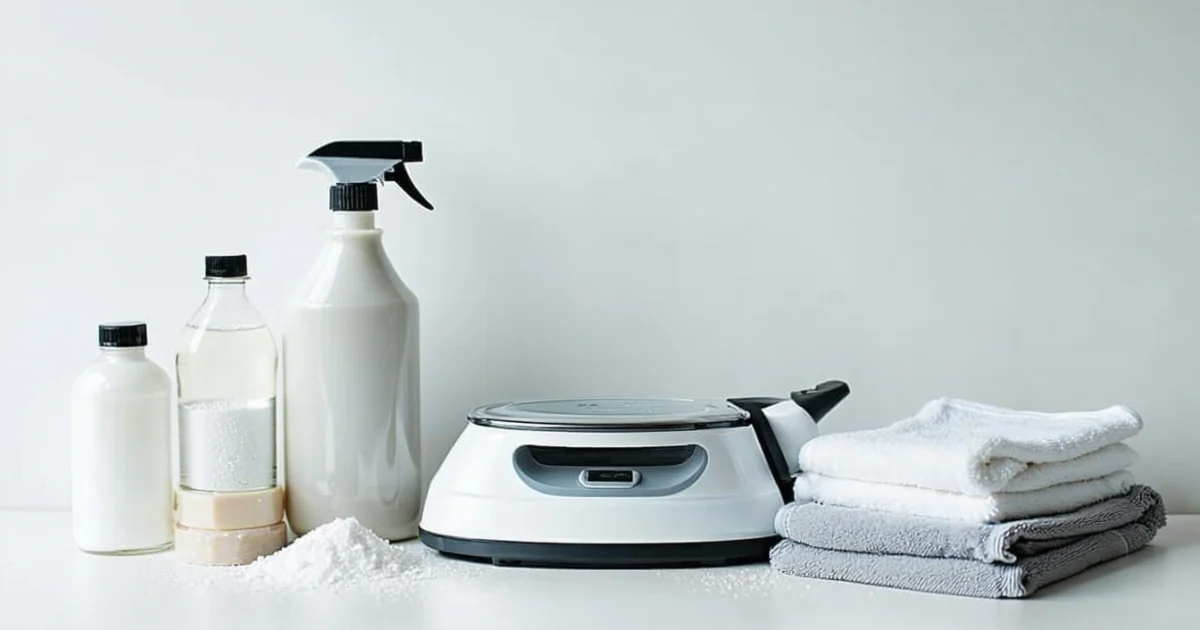
How to clean iron plate effectively requires understanding your iron type and using the right cleaning methods for different stains. Whether you’re dealing with mineral deposits, burnt fabric residue, or sticky buildup, the proper cleaning technique can restore your iron’s performance and prevent damage to your clothes.
Most iron plate issues stem from mineral deposits from hard water, fabric residue from synthetic materials, or temperature-related burns. Additionally, these problems manifest as poor gliding, clothes staining, or reduced steam output. Furthermore, different iron plate materials like ceramic, stainless steel, and non-stick coatings require specific cleaning approaches.
Simple household items like white vinegar, baking soda, and distilled water can tackle most cleaning challenges effectively. However, commercial cleaners work better for stubborn stains and deep cleaning tasks. Moreover, regular maintenance prevents buildup and extends your iron’s lifespan significantly.
TL;DR
- Use white vinegar solution for mineral deposits and limescale removal
- Apply baking soda paste to remove burnt fabric residue and sticky marks
- Clean with distilled water regularly to prevent future buildup and maintain performance
- Always unplug and cool down your iron before cleaning for safety
Understanding Your Iron Plate and Common Cleaning Issues
Types of Iron Plates and Their Characteristics
Modern irons feature three primary plate materials, each requiring different cleaning approaches. Ceramic plates provide excellent heat distribution and smooth gliding but scratch easily with abrasive cleaners. Meanwhile, stainless steel plates offer durability and heat retention, though they’re more prone to mineral buildup and water stains.
Non-stick coated plates deliver effortless fabric gliding and resist sticking, yet they demand gentle cleaning methods to preserve their coating. Additionally, some premium irons combine materials, featuring ceramic-coated stainless steel or titanium-infused surfaces for enhanced performance.
Common Stains and Buildup Problems
Mineral deposits represent the most frequent cleaning challenge, particularly in hard water areas across the UK. These white, chalky buildups form when calcium and magnesium particles accumulate on the plate surface and steam vents. Consequently, mineral deposits create rough patches that snag fabrics and reduce steam output significantly.
Fabric residue occurs when synthetic materials melt onto the hot plate surface, creating sticky, discoloured patches. Furthermore, this residue transfers to clean clothes, leaving unsightly marks and stains. Polyester, nylon, and acrylic fabrics commonly cause this issue when ironed at excessive temperatures.
Burnt-on stains develop from overheated starch, fabric softener residue, or melted plastic materials. These dark, stubborn marks resist simple cleaning methods and require targeted removal techniques. Moreover, burnt stains often combine with mineral deposits, creating complex cleaning challenges that need multiple treatment approaches.
Warning Signs Your Iron Plate Needs Cleaning
Poor gliding performance indicates significant plate contamination requiring immediate attention. When your iron drags across fabrics instead of gliding smoothly, mineral deposits or residue buildup impede proper movement. Similarly, cleaning glass surfaces requires recognising performance issues early to prevent permanent damage.
Clothes staining signals serious plate contamination that transfers dirt, minerals, or burnt residue to clean garments. These stains appear as brown, yellow, or white marks on freshly ironed items. Additionally, metallic or chemical odours during ironing indicate plate contamination affecting both performance and fabric safety.
Reduced steam output occurs when mineral deposits block steam vents, preventing proper moisture distribution. Blocked vents reduce ironing efficiency and may cause uneven heating across the plate surface. Therefore, regular cleaning maintains optimal steam function and prevents costly repair issues.
| Plate Type | Common Issues | Cleaning Frequency |
|---|---|---|
| Ceramic | Scratches, mineral spots | Weekly |
| Stainless Steel | Water stains, buildup | Bi-weekly |
| Non-stick | Coating wear, residue | After every 5 uses |
Essential Cleaning Supplies and Safety Precautions
Proper iron plate cleaning requires specific materials that effectively remove buildup without damaging delicate surfaces. Furthermore, following essential safety protocols protects both you and your equipment during the cleaning process.
Basic Cleaning Materials for Iron Plates
White vinegar serves as the primary cleaning agent for mineral deposit removal and general plate maintenance. This natural acid dissolves calcium buildup, water stains, and light residue without harsh chemicals. Additionally, vinegar’s antimicrobial properties sanitise the plate surface during cleaning.
Baking soda creates an effective abrasive paste when mixed with water, targeting stubborn burnt stains and sticky residue. The alkaline compound neutralises acidic buildup while providing gentle scrubbing action. However, baking soda requires careful application to avoid scratching non-stick coatings.
Distilled water prevents additional mineral deposits during the cleaning process, unlike tap water which contains calcium and magnesium. Using distilled water ensures thorough rinsing without introducing new contaminants to the plate surface. Moreover, distilled water works perfectly for streak-free cleaning applications.
Soft cloths provide safe cleaning without surface scratches or coating damage. Microfibre cloths excel at capturing particles and residue while protecting delicate plate finishes. Similarly, cotton cloths offer excellent absorption for liquid cleaners and final polishing.
- White vinegar (5% acidity minimum)
- Baking soda (food grade)
- Distilled water (mineral-free)
- Microfibre cloths (lint-free)
- Cotton swabs (for steam vents)
- Plastic scraper (for stubborn residue)
Commercial Iron Cleaners and Applications
Commercial iron cleaners target specific contamination types that household materials cannot effectively remove. These specialised products contain formulated acids, solvents, and surfactants designed for iron plate restoration. Nevertheless, commercial cleaners require careful selection based on your iron’s plate material.
Ceramic plate cleaners use gentle abrasives and mild acids to remove mineral deposits without scratching delicate surfaces. These products work effectively on white spots, water stains, and light burnt residue. Conversely, stainless steel cleaners contain stronger acids for heavy-duty mineral removal.
Use commercial cleaners when household methods fail to remove stubborn stains, burnt plastic, or heavy mineral buildup. Additionally, professional cleaners prove essential for restoring severely neglected irons or preparing plates for long-term storage. However, always test commercial products on inconspicuous areas first.
| Cleaner Type | Best For | Application Time |
|---|---|---|
| Acid-based | Mineral deposits | 5-10 minutes |
| Solvent-based | Burnt plastic | 15-20 minutes |
| Abrasive paste | Stubborn stains | 2-5 minutes |
Critical Safety Guidelines
Always unplug your iron before beginning any cleaning procedure to prevent electrical shock and accidental activation. The iron must remain disconnected throughout the entire cleaning process. Furthermore, unplugging prevents temperature fluctuations that could interfere with cleaning effectiveness.
Complete cooling ensures safe handling and prevents burns during cleaning procedures. Allow at least 30 minutes for full temperature reduction after use. Additionally, cooling prevents cleaning solutions from evaporating too quickly or causing thermal shock to the plate.
Surface protection prevents damage to countertops, tables, and surrounding areas during cleaning. Place towels or protective mats beneath the iron to catch drips and spills. Similarly, proper workspace preparation prevents cleaning solutions from damaging nearby surfaces, much like protecting areas during oven cleaning procedures.
Never immerse the iron body in water – clean only the plate surface to prevent electrical damage
Ventilation requirements become critical when using commercial cleaners or vinegar solutions. Open windows and ensure adequate airflow to prevent fume accumulation. Moreover, proper ventilation reduces cleaning solution odours and prevents respiratory irritation during extended cleaning sessions.
- Unplug iron completely
- Wait 30+ minutes for cooling
- Prepare protected workspace
- Ensure adequate ventilation
- Test cleaners on small areas first
- Keep water away from electrical components
Step-by-Step Cleaning Methods for Different Stain Types
Different stains require specific cleaning approaches to achieve optimal results. Each stain type responds to particular cleaning agents and techniques. Consequently, identifying the stain type determines the most effective cleaning method for your iron plate.
Removing Mineral Deposits and Limescale with Vinegar Solution
White vinegar dissolves mineral deposits and limescale buildup effectively through its natural acidity. Mix equal parts white vinegar and distilled water in a spray bottle for optimal cleaning strength. Additionally, this solution works similarly to cleaning mineral deposits on glass stovetops and other household appliances.
Apply the vinegar solution generously across the iron plate surface using a spray bottle or cloth. Allow the solution to sit for 10-15 minutes to penetrate stubborn mineral deposits. Subsequently, the acid breaks down calcium and lime buildup that accumulates from hard water areas common throughout the UK.
Scrub gently with a soft cloth or sponge in circular motions to remove loosened deposits. Focus extra attention on heavily stained areas where mineral buildup appears thickest. Finally, rinse the plate thoroughly with clean water and dry completely with a lint-free cloth.
Cleaning Burnt Fabric Residue with Baking Soda Paste
Baking soda paste removes burnt fabric residue through gentle abrasive action without scratching the iron plate. Create the paste by mixing three tablespoons baking soda with one tablespoon water until thick consistency forms. Moreover, this paste method proves effective for various burnt-on residues throughout the home.
Spread the baking soda paste evenly across burnt areas using a soft cloth or plastic spatula. Allow the paste to sit for 20-30 minutes to soften hardened fabric residue. During this time, the alkaline properties neutralise acidic burn marks and loosen stubborn deposits.
Scrub the paste using circular motions with a soft-bristled toothbrush or cloth. Apply moderate pressure to remove loosened residue without damaging the plate surface. Afterwards, wipe away all paste residue with a damp cloth and dry thoroughly to prevent water spots.
Tackling Sticky Residue and Adhesive Marks
Sticky residue from fabric softener sheets, starch, or adhesive labels requires specific removal techniques. Heat the iron to low temperature for 2-3 minutes to soften stubborn residue before cleaning. However, ensure the iron remains cool enough to handle safely during the cleaning process.
Apply a small amount of rubbing alcohol or commercial adhesive remover to a cloth and gently rub sticky areas. The alcohol dissolves adhesive bonds and removes residue without damaging the iron plate coating. Similarly, this technique works for removing sticky residues from other household surfaces.
For particularly stubborn adhesive marks, use a plastic scraper to gently lift residue after applying the cleaning solution. Avoid metal scrapers that could scratch or damage the iron plate surface. Finally, clean the entire plate with mild soap solution to remove any remaining cleaning product residue.
Deep Cleaning Steam Vents and Holes
Steam vents accumulate mineral deposits and fabric particles that reduce iron performance and cause staining. Use cotton swabs dipped in white vinegar to clean individual steam holes thoroughly. Additionally, this detailed cleaning approach ensures optimal steam distribution during ironing sessions.
Insert the cotton swab into each steam hole and rotate gently to remove accumulated debris. Replace swabs frequently to avoid redistributing dirt and mineral deposits. Furthermore, this method prevents blockages that cause uneven steam distribution and water spitting.
For severely blocked steam vents, use a toothpick or thin wire to carefully dislodge stubborn particles. Exercise extreme caution to avoid damaging the steam hole structure or pushing debris deeper into the iron. Subsequently, flush the steam system by filling the water reservoir with distilled water and operating the steam function over a sink, similar to maintenance procedures used for dishwasher filter cleaning.
Complete the deep cleaning process by wiping all surfaces with a clean, damp cloth to remove loosened particles and cleaning residue. Dry thoroughly before storing to prevent water damage and ensure optimal iron performance for future use.
Using Commercial Iron Cleaners Safely and Effectively
Commercial iron cleaners deliver powerful cleaning action when home remedies fail to remove stubborn stains and mineral deposits. These specialized products contain formulated chemicals that dissolve burnt fabric residue and calcium buildup more effectively than household alternatives. However, proper application techniques ensure safe usage while maximizing cleaning effectiveness.
When to Choose Commercial Cleaners Over Home Remedies
Select commercial cleaners when burnt polyester or synthetic fabrics create stubborn residue that resists vinegar and baking soda solutions. Additionally, these products excel at removing heavy mineral deposits from hard water areas where home remedies prove insufficient. Commercial formulations also work faster than natural alternatives, making them ideal for frequent iron users.
Professional cleaners become necessary when multiple cleaning attempts with household products fail to restore iron plate smoothness. Furthermore, commercial solutions prevent damage that aggressive scrubbing with home remedies might cause to delicate iron surfaces. Choose these products for valuable or professional irons where gentle yet effective cleaning maintains optimal performance.
Application Techniques for Different Cleaner Types
Liquid iron cleaners require direct application to the cool iron plate using the manufacturer’s recommended amount. Apply the solution evenly across the entire surface, ensuring complete coverage of stained areas. Allow the cleaner to penetrate for the specified contact time, typically 5-10 minutes, without exceeding recommended duration.
Paste-type cleaners need gentle spreading with a soft cloth or applicator pad to avoid scratching the plate surface. Work the paste into stubborn stains using circular motions, maintaining consistent pressure throughout the cleaning process. These thicker formulations provide longer contact time for dissolving difficult residue.
Spray cleaners offer convenient application but require even distribution to prevent concentrated chemical exposure on specific plate areas. Hold the spray bottle 6-8 inches from the iron surface and apply in overlapping patterns. Consequently, this technique ensures uniform cleaning action across the entire plate area, similar to techniques used when cleaning glass stovetops with specialized products.
Proper Rinsing and Residue Removal After Cleaning
Complete residue removal prevents chemical transfer to clothing and ensures iron safety during subsequent use. Wipe the treated surface with a clean, damp cloth immediately after the recommended contact time expires. Rinse the cloth frequently in clean water to avoid redistributing dissolved residue across the iron plate.
Follow initial wiping with thorough rinsing using a cloth dampened with distilled water to remove all chemical traces. Pay special attention to steam vents and plate edges where cleaner residue commonly accumulates. Subsequently, dry the iron completely with a clean towel before plugging in or storing.
Test the cleaned iron on an old fabric scrap before ironing valuable garments to ensure complete residue removal. Heat the iron to medium temperature and press the test fabric for several seconds, checking for chemical odors or staining. This final verification step guarantees safe iron operation and prevents damage to clothing items.
Preventive Maintenance and Long-term Care
Preventive maintenance extends iron plate lifespan and maintains optimal ironing performance through consistent care practices. Regular maintenance prevents mineral buildup, fabric scorching, and costly repairs while ensuring your iron delivers professional results for years.
Using Distilled Water to Prevent Mineral Buildup
Distilled water eliminates mineral deposits that cause plate staining and steam vent blockages. UK tap water contains calcium and magnesium that create white chalky residue on iron plates over time. Therefore, switching to distilled water prevents these minerals from accumulating and maintains plate smoothness.
Fill your iron’s water reservoir exclusively with distilled water to prevent scale formation. Hard water areas in the UK, particularly London and Birmingham, contain higher mineral concentrations that accelerate buildup. Moreover, distilled water costs approximately £1-2 per bottle but saves significantly more in cleaning products and potential iron replacement costs.
Empty the water reservoir after each use to prevent stagnant water from depositing minerals overnight. This simple practice reduces maintenance frequency and keeps steam vents clear for optimal performance. Additionally, this habit prevents bacterial growth in stored water that could create unpleasant odors during ironing.
Proper Temperature Settings for Different Fabrics
Correct temperature selection prevents fabric damage and reduces plate contamination from synthetic material melting. Cotton fabrics require high heat settings (200°C), while delicate materials like silk need low temperatures (110°C). Consequently, matching temperature to fabric type prevents residue buildup and extends both garment and iron lifespan.
| Fabric Type | Temperature Setting | Iron Symbol |
|---|---|---|
| Silk, Nylon | 110°C (Low) | One dot |
| Wool, Polyester | 150°C (Medium) | Two dots |
| Cotton, Linen | 200°C (High) | Three dots |
Always start with lower temperatures and increase gradually when uncertain about fabric requirements. This approach prevents accidental scorching that creates stubborn stains on iron plates. Furthermore, using appropriate temperatures reduces the frequency of deep cleaning sessions, similar to maintenance practices for other household appliances.
Allow the iron to cool completely between different fabric types requiring significantly different temperatures. Sudden temperature changes can cause thermal shock and damage internal components. Meanwhile, this cooling period provides an opportunity to clean the plate surface if any residue appears during use.
Regular Cleaning Schedule and Maintenance Tips
Establish a weekly cleaning routine to maintain iron plate condition and prevent stubborn buildup formation. Light cleaning after every 5-10 uses prevents minor stains from becoming permanent marks. However, heavy users should clean their iron plates twice weekly to maintain optimal performance.
- Daily: Empty water reservoir and wipe plate with damp cloth
- Weekly: Clean plate with mild soap solution and check steam vents
- Monthly: Deep clean with specialized iron cleaner or natural solutions
- Quarterly: Inspect cord, check temperature accuracy, and service if needed
Monitor your iron’s performance indicators to determine cleaning frequency adjustments. Reduced steam output, uneven heating, or visible residue signals immediate cleaning requirements. Therefore, responsive maintenance prevents minor issues from developing into major problems requiring professional repair.
Keep a maintenance log to track cleaning dates and identify patterns in buildup formation. This record helps optimize your cleaning schedule based on actual usage patterns rather than arbitrary timelines. Additionally, documentation proves valuable for warranty claims if mechanical issues develop.
Storage Practices to Maintain Iron Plate Condition
Proper storage protects iron plates from damage and contamination between uses. Store your iron in an upright position on its heel rest to prevent plate contact with surfaces that could cause scratches. Never store the iron face-down on any surface, as this practice creates permanent plate damage.
Cool storage prevents thermal damage and extends iron lifespan significantly. Allow the iron to cool completely before storage, typically requiring 15-20 minutes after use. Subsequently, store in a dry location away from humidity that could promote corrosion or mineral deposits on the plate surface.
Wrap the cord loosely around the iron body without creating tight bends that damage internal wiring. Tight cord wrapping creates stress points that lead to electrical failures over time. Moreover, proper cord storage prevents accidental plate scratches from metal cord connectors during handling.
Proper preventive maintenance reduces iron replacement costs by up to 75% compared to reactive cleaning approaches.
Consider using an iron storage caddy or designated shelf space to prevent accidental damage from other household items. Dedicated storage space reduces handling frequency and protects the iron from impacts that could damage the plate surface. This investment in proper storage pays dividends through extended iron lifespan and consistent performance.
Troubleshooting Persistent Stains and When to Replace
Dealing with Stubborn Burnt-on Stains
Stubborn burnt-on stains require aggressive cleaning methods that go beyond standard maintenance routines. Initially, create a paste using baking soda and white vinegar in equal parts to tackle persistent residue. This alkaline-acidic combination breaks down carbonised deposits that resist gentle cleaning approaches.
Heat the iron to its lowest temperature setting before applying the paste mixture. Consequently, the mild heat activates the cleaning agents whilst preventing further burning of existing stains. Scrub gently using a plastic scraper or old toothbrush to avoid scratching the plate surface during stain removal.
For particularly stubborn stains, commercial iron cleaners provide stronger chemical action than household remedies. Furthermore, these specialised products contain surfactants designed specifically for iron plate restoration. Apply according to manufacturer instructions, typically requiring 10-15 minutes of contact time for optimal stain dissolution.
Repeat the cleaning process multiple times if necessary, as deeply embedded stains rarely respond to single treatments. Additionally, patience proves essential when dealing with burnt synthetic fabric residues that have bonded chemically with the plate surface. Similar persistence helps when cleaning oven surfaces with comparable burnt-on deposits.
Restoring Heavily Stained or Damaged Plates
Heavily stained plates often require professional restoration techniques beyond typical household cleaning methods. First, assess whether the staining affects iron performance by testing on scrap fabric pieces. If stains transfer to fabric or create uneven heating, restoration becomes necessary for proper iron function.
Fine-grade steel wool removes surface-level damage and deep staining when used carefully with appropriate cleaning solutions. However, this abrasive method requires extreme caution to prevent permanent plate damage. Work in circular motions with minimal pressure, checking progress frequently to avoid over-abrading the surface.
Professional iron plate restoration services offer specialised equipment and expertise for severely damaged units. These services typically cost £25-50 but can restore plates that appear beyond repair. Moreover, professional restoration often proves more economical than purchasing replacement irons for high-quality models.
Consider the iron’s overall condition before investing in extensive restoration efforts. Meanwhile, newer irons with ceramic or titanium plates resist staining better than traditional aluminium surfaces. This resistance makes future maintenance easier and reduces restoration frequency significantly.
Signs That Indicate Iron Replacement Is Necessary
Several clear indicators signal when iron replacement becomes more practical than continued repair attempts. Deep scratches or gouges in the plate surface create permanent snagging points that damage delicate fabrics during ironing. These physical defects cannot be repaired through cleaning and worsen with continued use.
Uneven heating patterns indicate internal heating element failure that affects ironing performance significantly. Test for this issue by checking temperature consistency across the entire plate surface using an infrared thermometer. Consequently, uneven heating creates fabric damage and poor ironing results that cleaning cannot address.
- Persistent stain transfer to clean fabrics despite thorough cleaning
- Visible corrosion or pitting on the plate surface
- Steam holes completely blocked with mineral deposits
- Electrical issues such as intermittent heating or cord damage
- Age exceeding 8-10 years with frequent repair needs
Cost-effectiveness analysis helps determine replacement timing for older irons requiring extensive restoration. Generally, restoration costs exceeding 60% of replacement value indicate replacement makes better financial sense. Additionally, newer models offer improved energy efficiency and advanced features that justify replacement investment.
Safety considerations override cost factors when electrical components show signs of failure or damage. Furthermore, damaged heating elements or compromised insulation create fire hazards that make continued use dangerous. Similar safety principles apply when maintaining other household appliances like toasters with heating elements.
Professional restoration services can save up to 70% compared to premium iron replacement costs
Frequently Asked Questions
How often should I clean my iron plate?
You should clean your iron plate every 2-3 weeks with regular use, or monthly for occasional users. If you live in a hard water area, clean it weekly to prevent mineral buildup. Always clean immediately after noticing poor gliding, staining, or reduced steam output.
Can I use tap water in my iron or should I use distilled water?
Use distilled water whenever possible, especially in hard water areas across the UK. Tap water contains minerals that create limescale buildup on the plate and block steam vents. If you must use tap water, clean your iron more frequently and consider using a water filter.
What's the safest way to remove burnt fabric from my iron plate?
Make a paste with baking soda and water, apply it to the cooled iron plate, and gently scrub with a soft cloth. For stubborn burns, heat the iron slightly (warm, not hot) to soften the residue, then clean with the baking soda paste. Never use abrasive materials that could scratch the surface.
Is white vinegar safe for all types of iron plates?
White vinegar is safe for most iron plates including stainless steel and ceramic surfaces. However, use it sparingly on non-stick coated plates and always dilute it with equal parts water. Test on a small area first and rinse thoroughly after cleaning to prevent acid damage.
Why does my iron leave white marks on dark clothes?
White marks typically indicate mineral deposits from hard water buildup on your iron plate. These calcium and magnesium deposits transfer to fabrics during ironing. Clean your iron with a vinegar solution and switch to distilled water to prevent future occurrences.
Can I clean my iron plate while it's still warm?
Never clean a hot iron plate for safety reasons. Always unplug your iron and allow it to cool completely before cleaning. For some cleaning methods, a slightly warm (not hot) iron can help soften stubborn residue, but ensure it’s safe to touch.
What household items can I use to clean my iron plate effectively?
- White vinegar – excellent for mineral deposits and limescale
- Baking soda – perfect for burnt fabric residue and sticky buildup
- Distilled water – prevents future mineral deposits
- Soft cloths – safe for all plate surfaces
- Cotton swabs – ideal for cleaning steam vents
How do I know if my iron plate is too damaged to clean?
Replace your iron if the plate has deep scratches, permanent staining, or coating damage that affects performance. If cleaning methods don’t restore smooth gliding or eliminate clothes staining, the plate surface may be permanently compromised. Non-stick coatings that are peeling or flaking also indicate replacement time.
You May Also Like
How to Clean Stainless Steel Pans: Complete 2026 Guide
How to Clean Stainless Steel Water Bottles: Complete Guide