How to Clean Birkenstocks: Complete Care Guide 2026

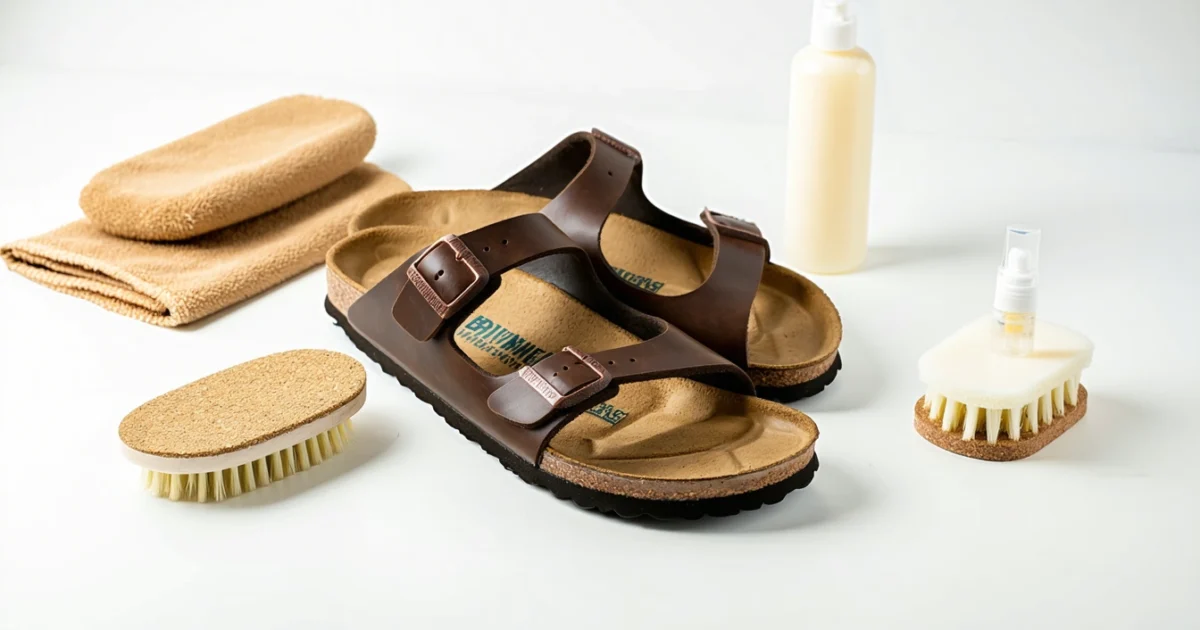
How to clean Birkenstocks properly requires understanding your sandal’s specific materials and using gentle, targeted cleaning methods that won’t damage the cork footbed or premium uppers. Unlike regular shoes, Birkenstocks feature unique materials like cork footbeds, Birko-Flor synthetic leather, and genuine leather or suede straps that need specialised care to maintain their comfort and longevity.
Most people make costly mistakes by using harsh chemicals or throwing their Birkenstocks in the washing machine. However, with the right cleaning supplies and techniques, you can safely remove stains, eliminate odours, and restore your sandals to like-new condition. The key is identifying your Birkenstock’s materials first, then following material-specific cleaning protocols.
This comprehensive guide covers everything from basic maintenance to tackling stubborn stains and water damage. Additionally, we’ll explore protective treatments that prevent future damage and extend your Birkenstocks’ lifespan significantly.
TL;DR
- Never machine wash Birkenstocks – use gentle hand cleaning with material-specific products instead
- Cork footbeds need special care with cork sealers and soft brushes to prevent cracking and damage
- Different materials (leather, suede, Birko-Flor, EVA) require specific cleaning methods and products for best results
- Regular maintenance with proper drying and protective treatments extends lifespan and prevents costly repairs
Understanding Your Birkenstock Materials
Proper Birkenstock cleaning begins with identifying your sandal’s specific materials. Therefore, each material type requires different cleaning approaches to prevent damage and maintain longevity. Birkenstocks feature four primary upper materials: genuine leather, suede, Birko-Flor synthetic leather, and EVA foam.
Genuine leather Birkenstocks showcase smooth, natural hide that develops a beautiful patina over time. Meanwhile, suede versions feature a soft, napped texture that requires gentle brushing techniques. Birko-Flor represents Birkenstock’s premium synthetic alternative, offering leather-like appearance with easier maintenance. Finally, EVA models consist entirely of lightweight foam material that’s completely waterproof.
Cork Footbed Composition and Care Requirements
The cork footbed forms the heart of every Birkenstock sandal, combining natural cork granules with latex binding agents. Furthermore, this unique composition creates the signature moulding effect that makes Birkenstocks so comfortable. However, cork requires specific care because it’s a natural material that can dry out, crack, or crumble without proper maintenance.
Cork footbeds feature a protective latex coating that prevents moisture absorption initially. Nevertheless, this coating wears away with regular use, exposing the porous cork underneath. Consequently, exposed cork becomes vulnerable to water damage, staining, and bacterial growth if not properly sealed and maintained.
Material-Specific Cleaning Considerations
| Material Type | Cleaning Method | Key Considerations |
|---|---|---|
| Genuine Leather | Damp cloth + leather conditioner | Avoid soaking; condition after cleaning |
| Suede | Suede brush + specialised cleaner | Never use water directly; brush in one direction |
| Birko-Flor | Mild soap solution | Most durable; easiest to clean |
| EVA Foam | Soap and water | Fully waterproof; can be submerged |
Each material responds differently to cleaning agents and techniques. For instance, leather requires conditioning after cleaning to prevent cracking, while suede needs specialised brushes to restore its texture. Similarly, understanding these differences prevents costly mistakes that could permanently damage your sandals.
Why Generic Shoe Cleaners May Damage Birkenstocks
Generic shoe cleaners contain harsh chemicals and detergents designed for synthetic materials and rubber soles. However, these aggressive formulations can severely damage Birkenstock’s natural materials. Specifically, strong detergents strip natural oils from leather, causing it to crack and become brittle over time.
Cork proves particularly vulnerable to conventional shoe cleaners because these products often contain alcohol or ammonia. Additionally, these chemicals dissolve the latex binders holding cork granules together, leading to crumbling and structural failure. This type of damage is irreversible and requires expensive professional repair or replacement.
Furthermore, generic cleaners may leave chemical residues that cause skin irritation when your feet contact the footbed. Just as cleaning leather jackets requires specialised products, Birkenstocks need gentle, material-appropriate cleaning solutions to maintain their comfort and durability.
Using the wrong cleaning products can reduce your Birkenstocks’ lifespan by up to 70% compared to proper maintenance techniques.
Essential Cleaning Supplies and Tools
Selecting the right cleaning supplies for your Birkenstocks requires understanding which products work safely with each material type. Moreover, using inappropriate cleaners can cause irreversible damage to cork, leather, and suede components. Therefore, building a proper cleaning kit ensures your sandals receive the gentle care they need.
Recommended Cleaning Products for Each Material Type
Cork footbeds respond best to mild soap solutions and specialised cork cleaners. Additionally, cork sealers help protect the material after cleaning, preventing moisture absorption and extending lifespan. Specifically, products containing natural waxes provide optimal protection without compromising breathability.
Leather straps require pH-neutral leather cleaners that remove dirt without stripping natural oils. Furthermore, leather conditioners restore flexibility and prevent cracking after the cleaning process. Quality leather care products contain lanolin or similar natural moisturising agents that penetrate deeply into the material.
Suede materials need specialised suede cleaners that lift stains without matting the delicate fibres. Similarly, suede protector sprays create an invisible barrier against future stains and water damage. These products work by coating individual fibres rather than creating a surface film.
| Material | Recommended Cleaner | After-Care Product |
|---|---|---|
| Cork | Mild soap solution | Cork sealer |
| Leather | pH-neutral leather cleaner | Leather conditioner |
| Suede | Specialised suede cleaner | Suede protector spray |
| Synthetic | Gentle dish soap | None required |
Basic Tools Needed
Soft-bristled brushes prove essential for cleaning without damaging delicate materials. Specifically, natural bristle brushes work best for leather, while synthetic brushes suit cork and synthetic materials. Additionally, suede requires specialised brushes with brass or copper bristles to restore texture effectively.
Microfibre cloths provide lint-free cleaning and drying without scratching surfaces. Similarly, cotton cloths work well for applying conditioners and sealers evenly across materials. These cloths should be clean and dedicated solely to shoe care to prevent cross-contamination.
- Soft toothbrush for detailed cleaning around buckles and seams
- Magic erasers for stubborn marks on synthetic materials only
- Cotton swabs for precise cleaning in tight spaces
- Clean towels for drying and protecting work surfaces
- Spray bottles for applying cleaning solutions evenly
Just as cleaning leather jackets requires specific tools, Birkenstocks need gentle implements that won’t cause surface damage. Therefore, investing in quality cleaning tools protects your investment and ensures consistent results.
What to Avoid
Harsh chemicals including bleach, ammonia, and alcohol-based cleaners destroy natural materials irreversibly. Specifically, these substances dissolve cork binders, crack leather, and mat suede fibres permanently. Additionally, petroleum-based products leave residues that attract more dirt over time.
Washing machines subject Birkenstocks to excessive water exposure and mechanical stress that damages all components. Furthermore, the agitation action loosens cork granules and stretches leather beyond repair. Even gentle cycles generate forces that exceed what these materials can withstand safely.
Never use bleach, harsh detergents, or washing machines on Birkenstocks – these methods cause permanent damage that cannot be repaired.
- Dishwasher detergents contain enzymes that break down natural materials
- Acetone or nail polish remover dissolves adhesives and finishes
- Wire brushes scratch and gouge all surface materials
- Hair dryers or direct heat cause cracking and warping
- Soaking in water leads to cork swelling and adhesive failure
DIY Cleaning Solution Alternatives
Mild soap solutions using castile soap or gentle dish soap create effective, safe cleaning alternatives. Specifically, mixing one teaspoon of soap with 250ml of lukewarm water produces a gentle cleaner suitable for most materials. This solution removes dirt without harsh chemicals that damage natural components.
White vinegar solutions work excellently for removing odours and light stains from cork footbeds. Additionally, mixing equal parts white vinegar and water creates an antimicrobial solution that neutralises bacteria causing foot odour. However, test this solution on inconspicuous areas first to ensure compatibility.
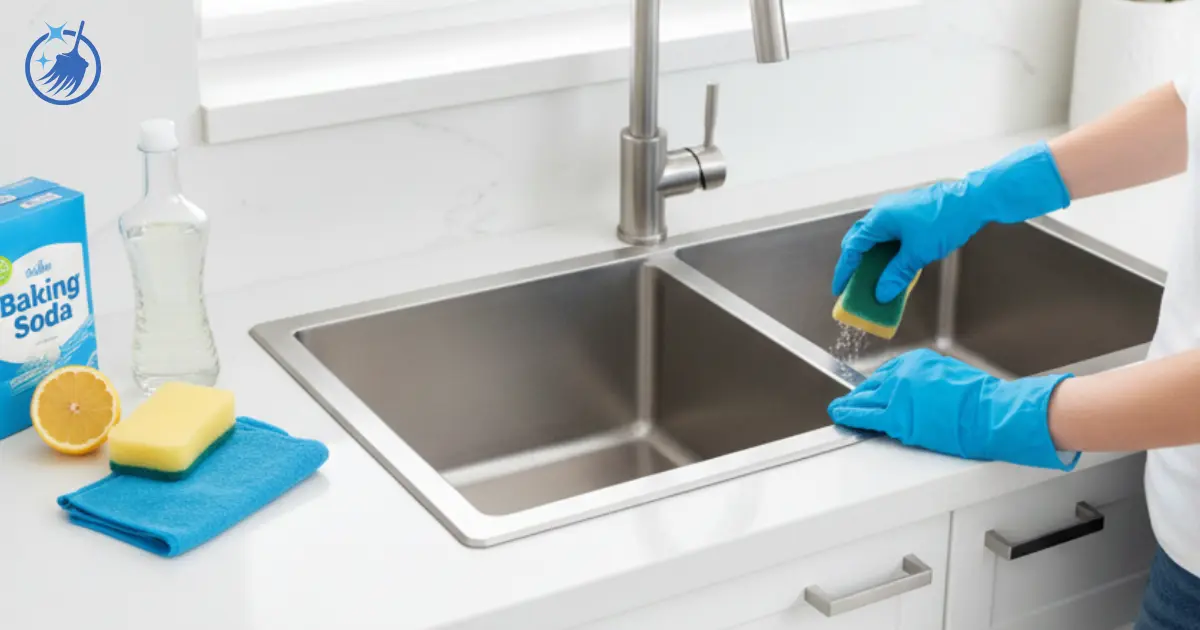
Baking soda paste made with water effectively tackles stubborn stains on synthetic materials. Similarly, this gentle abrasive removes marks without scratching surfaces when applied with soft cloths. Allow the paste to sit for 10 minutes before gently scrubbing and wiping clean.
For leather conditioning, natural oils like jojoba or coconut oil provide excellent alternatives to commercial products. These oils penetrate deeply while maintaining breathability, unlike petroleum-based alternatives that create surface barriers. Apply sparingly and allow complete absorption before wearing.
Step-by-Step Cleaning Process
Pre-cleaning Preparation and Assessment
Begin by removing all loose dirt and debris using a dry brush or cloth. Subsequently, examine each sandal component to identify material types and specific cleaning requirements. This initial assessment determines which cleaning methods suit your particular Birkenstock model.
Remove the footbed if possible to access all cleaning surfaces effectively. Furthermore, check for any loose stitching or damaged areas that require gentle handling during the cleaning process. Document these problem areas to avoid causing further damage.
Cleaning the Cork Footbed Safely
Mix one teaspoon of mild soap with 250ml of lukewarm water to create a gentle cleaning solution. Then, dip a soft cloth into this mixture and wring out excess water until the cloth feels barely damp. Never saturate cork footbeds as excessive moisture causes swelling and structural damage.
Gently wipe the cork surface using circular motions, paying attention to stained or discoloured areas. Additionally, use a soft-bristled toothbrush to clean textured areas and crevices where dirt accumulates. Avoid scrubbing vigorously as this action damages the cork’s natural surface texture.
For stubborn odours, create a solution using equal parts white vinegar and water. Apply this mixture sparingly with a cloth, then immediately wipe with a clean, damp cloth to remove vinegar residue. This process neutralises bacteria while maintaining cork integrity.
Treating Leather Uppers and Straps
Clean leather components using the same mild soap solution prepared for cork cleaning. However, use even less moisture on leather surfaces to prevent water stains and cracking. Work the cleaning solution into leather using gentle, circular motions with a barely damp cloth.
Remove soap residue completely using a clean, slightly damp cloth, then allow leather to air dry naturally. Once completely dry, apply a small amount of leather conditioner or natural oil like jojoba oil. This conditioning process maintains flexibility and prevents cracking, similar to techniques used when cleaning leather jackets.
Addressing Suede and Nubuck Materials
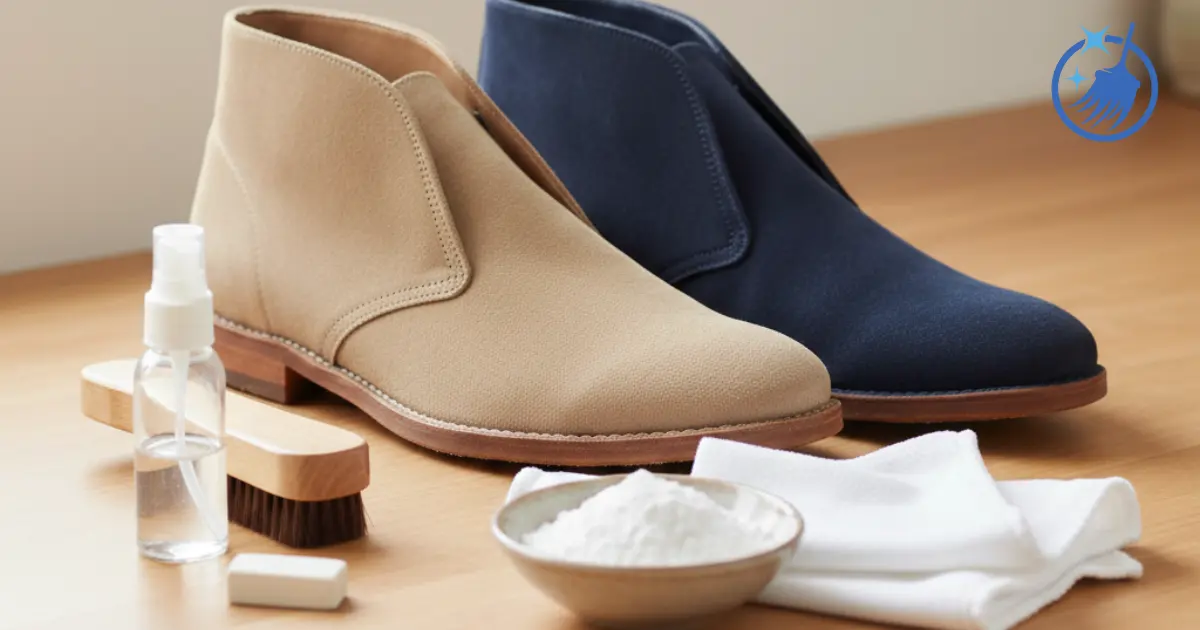
Use a suede brush or clean toothbrush to gently lift dirt from suede surfaces before any liquid cleaning. Brush in one direction initially, then brush against the grain to restore the natural nap texture. This dry brushing removes most surface dirt without requiring moisture.
For stains on suede materials, use a suede eraser or clean pencil eraser to gently rub affected areas. Alternatively, create a paste using baking soda and water for stubborn marks. Apply this paste sparingly, allow it to dry completely, then brush away residue with a suede brush.
Never use water-based solutions directly on suede or nubuck materials as moisture creates permanent stains and texture changes. Instead, focus on dry cleaning methods and professional suede cleaners for serious staining issues.
Cleaning Birko-Flor Synthetic Materials
Birko-Flor synthetic materials tolerate more moisture than natural materials, making them easier to clean thoroughly. Use the mild soap solution with a slightly damper cloth than used for leather or cork components. This synthetic material resists water damage and staining.
For stubborn stains on Birko-Flor, create a baking soda paste and apply it to affected areas. Allow the paste to sit for 10 minutes before gently scrubbing with a soft cloth. Rinse thoroughly with a clean, damp cloth to remove all paste residue.
Synthetic materials dry faster than natural components, but still require proper air circulation during the drying process. Moreover, these materials maintain their appearance longer when cleaned regularly using appropriate techniques.
Proper Drying Techniques and Timing
Place cleaned Birkenstocks in a well-ventilated area away from direct sunlight and heat sources. Room temperature drying prevents cracking and warping that occurs with rapid temperature changes. Position sandals on their sides to allow air circulation around all surfaces.
Cork footbeds typically require 24 to 48 hours to dry completely, depending on humidity levels and cleaning moisture used. Leather components dry faster but still need adequate time to prevent moisture retention that leads to mould growth.
Test dryness by touching the deepest recesses of the footbed and strap attachment points. These areas retain moisture longest and must feel completely dry before wearing. Premature wearing of damp sandals causes odour development and material deterioration.
Once fully dry, reassemble any removable components and inspect the cleaning results. Properly dried Birkenstocks should feel firm, smell fresh, and show no signs of moisture retention in any material areas.
Tackling Specific Problems
Even with regular cleaning, Birkenstocks develop challenging issues that require targeted solutions. Furthermore, understanding how to address these specific problems prevents permanent damage and extends sandal lifespan significantly.
Removing Stubborn Stains and Marks
Oil-based stains respond best to cornstarch treatment applied immediately after staining occurs. Sprinkle cornstarch generously over the affected area and allow it to absorb oils for 30 minutes before brushing away. Subsequently, clean the area with mild soap solution to remove residual starch particles.
For protein stains like blood or sweat marks, create a paste using cold water and enzyme laundry detergent. Apply this mixture to stained areas and let it work for 15 minutes before gently scrubbing with a soft brush. Cold water prevents protein coagulation that makes stains permanent.
Ink stains require immediate attention using rubbing alcohol applied to a cotton swab. Dab the stain gently without rubbing to prevent ink spreading deeper into materials. Work from the outside of the stain inward to contain the affected area effectively.
Eliminating Odours and Bacteria
Persistent odours indicate bacterial growth within the cork footbed that requires thorough disinfection. Mix equal parts white vinegar and water in a spray bottle for an effective antibacterial solution. Spray the mixture lightly over footbed surfaces and allow it to air dry completely.
Baking soda neutralises odours naturally when sprinkled generously over footbeds overnight. Moreover, this treatment absorbs moisture that bacteria need to thrive. Brush away the powder thoroughly the following morning and repeat weekly for persistent odour problems.
Tea tree oil provides natural antimicrobial properties when diluted properly for cleaning applications. Add 5 drops of tea tree oil to 250ml of water and spray lightly over affected areas. This solution kills odour-causing bacteria while leaving a fresh, natural scent.
Dealing with Salt Stains and Water Damage
Salt stains from winter conditions create white, crusty deposits that damage leather and synthetic materials over time. Create a solution using one part white vinegar to three parts warm water for effective salt removal. Apply this mixture with a clean cloth, working in circular motions to dissolve salt crystals completely.
Water damage appears as dark stains or stiff areas where moisture has penetrated deeply into materials. Treat these areas by applying leather conditioner to affected leather components after thorough cleaning. Similarly, proper cleaning techniques prevent water damage from becoming permanent in various materials.
Cork footbeds show water damage as darkened or hardened areas that feel different underfoot. Sand these areas lightly with fine-grit sandpaper to restore the natural texture. Subsequently, apply cork sealant to prevent future water penetration and maintain material integrity.
Restoring Faded or Discoloured Materials
UV damage causes leather components to fade and become brittle over extended sun exposure. Apply high-quality leather conditioner containing UV protection to restore flexibility and colour depth. Work the conditioner into leather using circular motions until fully absorbed.
Synthetic materials like Birko-Flor resist fading better than natural leather but still benefit from protective treatments. Clean faded synthetic straps with mild soap solution, then apply vinyl protectant to restore original appearance and prevent further deterioration.
Cork footbeds naturally darken with use, but uneven discolouration indicates cleaning neglect or moisture damage. Sand discoloured areas lightly with 220-grit sandpaper to remove surface staining. Follow sanding with cork sealer application to even out colour and protect against future staining.
When Professional Cleaning is Necessary
Extensive mould growth throughout footbed materials requires professional intervention to prevent health risks and material destruction. Professional cleaners possess specialised equipment and antimicrobial treatments that eliminate deep-seated mould colonies effectively.
Structural damage like separated soles or cracked footbeds needs professional repair services rather than cleaning attempts. These issues compromise sandal integrity and safety when walking. Professional cobblers can assess whether repair or replacement provides the better solution.
Valuable or sentimental Birkenstocks benefit from professional cleaning services that use specialised techniques and products. Professional cleaners understand material interactions and can restore sandals without risking damage from incorrect cleaning methods. Additionally, they provide protective treatments that extend sandal lifespan significantly beyond home cleaning results.
Maintenance and Prevention
Establishing a regular cleaning schedule prevents dirt accumulation and extends your Birkenstocks’ lifespan significantly. Weekly maintenance involves brushing away surface debris and monthly deep cleaning addresses embedded soil and odours. Furthermore, seasonal maintenance ensures your sandals remain comfortable and hygienic throughout the year.
Daily care requires minimal effort but delivers maximum protection. After each wear, allow sandals to air dry completely before storage. Additionally, rotate between multiple pairs when possible to prevent moisture buildup and reduce wear patterns. This simple rotation system extends each pair’s useful life considerably.
Protective Treatments and Conditioning
Cork sealers protect footbeds from moisture damage and cracking while maintaining natural flexibility. Apply cork conditioner every three months or when surfaces appear dry and brittle. Moreover, leather straps benefit from monthly conditioning with specialised leather balm to prevent cracking and maintain suppleness.
Waterproofing treatments create protective barriers against moisture and staining on both leather and synthetic materials. However, avoid silicone-based products that can interfere with breathability and cause material deterioration. Instead, choose breathable waterproofing solutions specifically designed for footwear applications.
- Cork sealer: Apply thin coats every 3-4 months
- Leather conditioner: Monthly treatment prevents cracking
- Waterproofing spray: Seasonal application protects against moisture
- Antimicrobial treatment: Quarterly application prevents odour-causing bacteria
Proper Storage Methods
Storage conditions directly impact your Birkenstocks’ longevity and appearance. Store sandals in cool, dry locations away from direct sunlight and heat sources that cause material degradation. Similarly, avoid damp basements or humid areas where mould and mildew thrive on organic materials.
Proper ventilation prevents moisture accumulation during storage periods. Use shoe trees or stuff sandals with newspaper to maintain shape and absorb residual moisture. Additionally, store pairs separately to prevent colour transfer and material damage from contact friction.
Temperature fluctuations cause materials to expand and contract, leading to cracking and separation. Maintain consistent storage temperatures between 15-25°C for optimal material preservation. Consequently, avoid storing Birkenstocks in car boots, garages, or other areas subject to extreme temperature variations.
Warning Signs Requiring Professional Attention
Recognising early warning signs prevents minor issues from becoming costly repairs or replacements. Deep cracks in cork footbeds indicate structural compromise requiring professional assessment and repair. Meanwhile, persistent odours despite thorough cleaning suggest bacterial colonisation needing antimicrobial treatment.
Sole separation creates safety hazards and requires immediate professional intervention. Attempting DIY repairs often worsens damage and voids manufacturer warranties. Professional cobblers possess specialised adhesives and techniques for permanent sole reattachment that home repairs cannot match.
- Structural cracks: Deep fissures in cork or sole materials
- Sole separation: Gaps between footbed and outsole
- Persistent odours: Smells remaining after thorough cleaning
- Colour bleeding: Dyes transferring between materials
- Hardware failure: Broken buckles or damaged adjustment mechanisms
Extending Lifespan Through Proper Care
Preventive maintenance costs significantly less than replacement or professional restoration services. Regular conditioning prevents material deterioration that leads to premature failure and costly repairs. Therefore, investing in quality care products and establishing consistent maintenance routines maximises your investment return.
Quality Birkenstocks can last 10-15 years with proper care and maintenance. However, neglected pairs often require replacement within 2-3 years due to preventable damage. This dramatic difference demonstrates how proper care techniques directly impact long-term value and comfort.
Understanding your sandals’ specific material requirements ensures appropriate care methods. Leather models need different treatments than synthetic versions, while cork footbeds require specialised products unavailable for other materials. Consequently, tailoring your maintenance approach to specific materials optimises protection and longevity. Just as leather jacket cleaning requires specific techniques, Birkenstock maintenance demands material-appropriate methods for optimal results.
Well-maintained Birkenstocks retain 85% of their original comfort and support after five years of regular use
Frequently Asked Questions
Can I put my Birkenstocks in the washing machine?
No, never machine wash Birkenstocks. The washing machine can damage the cork footbed, cause the materials to shrink or crack, and destroy the adhesives that hold the sandal together. Always use gentle hand cleaning methods with material-specific products instead.
How often should I clean my Birkenstocks?
Clean your Birkenstocks every 2-3 weeks with regular wear, or whenever they become visibly dirty or start to smell. Light maintenance cleaning can be done weekly by simply wiping them down with a damp cloth. Deep cleaning should be done monthly during heavy use periods.
What's the difference between cleaning leather and Birko-Flor Birkenstocks?
Leather Birkenstocks require leather conditioner after cleaning and should never be soaked. Birko-Flor models are more durable and can handle mild soap solutions directly. Birko-Flor is also easier to clean and doesn’t require conditioning treatments like genuine leather does.
How do I remove odours from my Birkenstocks?
To eliminate odours, clean the footbed thoroughly with a cork-safe cleaner, then allow them to dry completely in a well-ventilated area. You can also sprinkle baking soda on the footbed overnight and brush it off the next morning. For persistent odours, use an antimicrobial spray designed for footwear.
Can I use regular household cleaners on my Birkenstocks?
Avoid harsh household cleaners like bleach, ammonia, or generic detergents. These can damage the cork footbed and natural materials. Instead, use mild soap solutions, specialised leather cleaners, or cork-specific products designed for Birkenstock maintenance.
What should I do if my cork footbed is cracking?
If your cork footbed shows cracks, apply a cork sealer immediately to prevent further damage. Clean the footbed gently, allow it to dry completely, then apply the sealer according to manufacturer instructions. Regular use of cork sealers can prevent cracking and extend your sandals’ lifespan.
How long should I let my Birkenstocks dry after cleaning?
Allow your Birkenstocks to air dry for 24-48 hours in a well-ventilated area away from direct sunlight or heat sources. The cork footbed needs adequate time to dry completely to prevent mould and maintain its structural integrity. Never use hair dryers or place them near radiators.
Are EVA Birkenstocks easier to clean than other materials?
Yes, EVA Birkenstocks are the easiest to clean because they’re fully waterproof and made from synthetic foam. You can wash them with soap and water, and even submerge them completely. However, they still shouldn’t go in the washing machine as the agitation can damage their shape.
You May Also Like
How to Clean UGGs: Complete Care Guide for Sheepskin Boots
How to Clean White Trainers: The Complete UK Guide (2025)