How to Clean Your Ears Safely: Complete UK Guide 2026

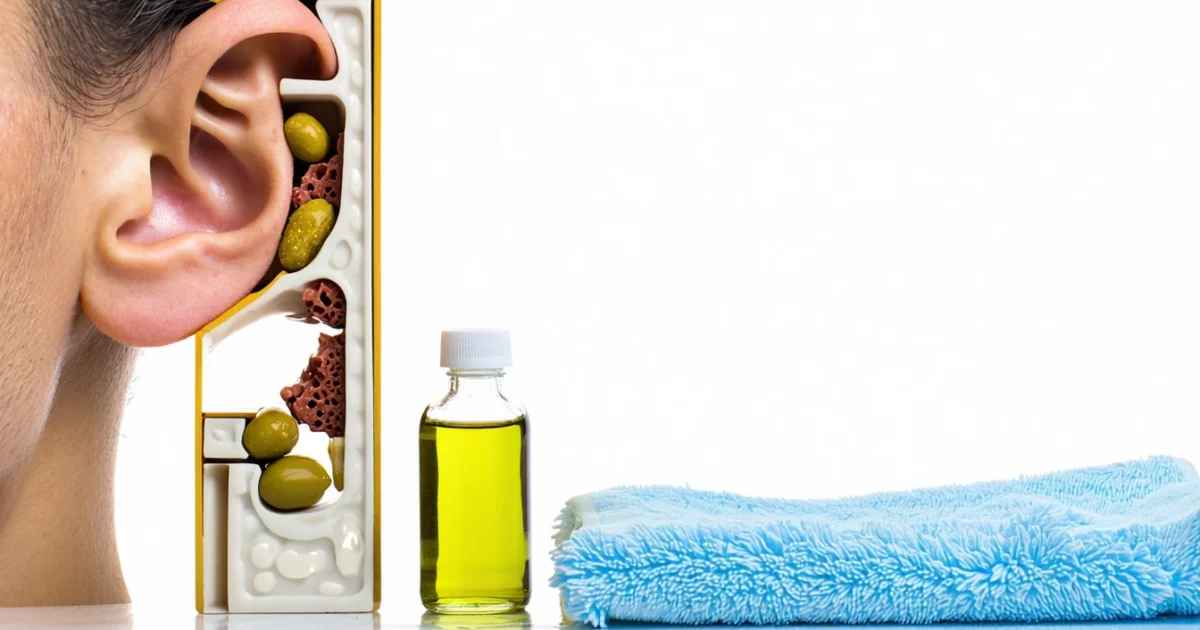
How to clean ears safely involves gentle external cleaning and proper ear drop techniques, whilst avoiding dangerous practices like cotton buds that can push wax deeper. Your ears naturally self-clean through jaw movement and skin migration, but sometimes excess cerumen (ear wax) requires careful removal using safe methods.
Most people clean their ears incorrectly, risking impacted wax, infections, or even perforated eardrums. Understanding proper ear hygiene protects your hearing whilst maintaining the ear’s natural protective barrier.
This guide covers safe home cleaning methods, dangerous practices to avoid, and when to seek NHS professional ear wax removal services. Additionally, you’ll learn prevention strategies and routine care tips for optimal ear health.
TL;DR
- Clean only the outer ear with a washcloth – never insert objects into ear canals
- Use ear drops safely (olive oil, mineral oil) and gentle warm water irrigation when needed
- Avoid cotton buds and ear candles – they’re dangerous and can cause impacted wax or injury
- Seek NHS professional help for excessive wax, hearing loss, or pain symptoms
Understanding Ear Wax and Why Ears Need Cleaning
Ear wax, medically known as cerumen, serves as your ear’s natural protective barrier against dust, bacteria, and foreign particles. Furthermore, this waxy substance lubricates the ear canal whilst preventing infections from reaching the delicate inner ear structures. The human body produces cerumen through specialised glands in the outer third of the ear canal, creating a sticky trap for potential irritants.
Cerumen contains antimicrobial properties that actively fight harmful bacteria and fungi. Moreover, the substance’s acidic pH level creates an inhospitable environment for pathogens, protecting your hearing apparatus naturally. Healthy ears produce varying amounts of wax depending on genetics, age, and environmental factors.
How Ears Self-Clean Naturally
Your ears employ a sophisticated self-cleaning mechanism that operates continuously without conscious effort. Specifically, jaw movements from talking, chewing, and yawning create subtle vibrations that gradually move old wax outward. Additionally, the ear canal’s skin naturally migrates from the eardrum toward the outer ear, carrying debris and excess cerumen along its path.
This natural conveyor system typically removes old wax within two to four weeks of production. Consequently, most people never need manual ear cleaning if their natural mechanisms function properly. The process works similarly to how stainless steel naturally resists corrosion, requiring minimal intervention when functioning correctly.
When Ear Cleaning Becomes Necessary
Ear cleaning becomes essential when the natural self-cleaning process fails or becomes disrupted. However, some individuals produce excessive amounts of cerumen that overwhelm their ear’s natural removal capacity. Additionally, narrow ear canals, hearing aid use, or frequent earbud insertion can interfere with normal wax migration patterns.
Certain medical conditions also necessitate active ear maintenance. For instance, eczema sufferers often experience altered wax consistency that doesn’t move naturally. Similarly, elderly individuals may develop harder, drier cerumen that accumulates more readily than softer varieties.
Professional cleaning becomes necessary when home methods prove insufficient. Particularly, healthcare providers recommend intervention when wax blocks more than 80% of the ear canal or causes significant hearing impairment.
Signs of Excessive Ear Wax Buildup
Recognising excessive wax accumulation helps prevent complications and hearing difficulties. Initially, you might notice a feeling of fullness or pressure in the affected ear, similar to having water trapped inside. Subsequently, hearing may become muffled or sounds may seem distant and unclear.
- Hearing loss or muffled sounds in one or both ears
- Feeling of fullness, pressure, or blockage in the ear canal
- Earache or discomfort that persists throughout the day
- Tinnitus (ringing, buzzing, or whistling sounds)
- Dizziness or balance problems during movement
- Visible dark or yellow wax at the ear opening
- Itching or irritation within the ear canal
These symptoms often develop gradually over weeks or months as wax accumulates. Therefore, early recognition allows for gentler removal methods compared to severely impacted cases. Notably, sudden hearing loss or severe pain requires immediate medical attention rather than home treatment attempts.
Understanding when your ears need cleaning helps maintain optimal hearing health whilst avoiding unnecessary interventions. Most importantly, recognising the difference between normal wax production and problematic buildup guides appropriate treatment decisions.
Safe Methods for Cleaning Your Ears at Home
Cleaning your ears safely at home requires gentle techniques that remove excess wax without pushing debris deeper into the canal. Moreover, proper ear hygiene focuses on the outer ear areas whilst allowing natural wax migration to occur. These proven methods help maintain ear health when used correctly and consistently.
External Ear Cleaning with Washcloth
The safest approach involves cleaning only the outer ear and ear opening with a soft, damp washcloth. Specifically, this method removes visible wax and debris without risking damage to delicate inner structures. Gently wipe around the ear opening and outer folds during your regular bathing routine.
Use lukewarm water and avoid inserting the cloth into the ear canal itself. Additionally, pat the area dry with a clean towel rather than rubbing vigorously. This external cleaning method works effectively for daily maintenance, similar to how you might approach cleaning delicate surfaces without causing damage.
Using Ear Drops for Wax Softening
Ear drops soften hardened wax, making natural removal easier and more effective. Furthermore, several safe options exist for home use, each offering different benefits for various wax types and sensitivities.
- Olive oil – Natural and gentle, effective for softening hard wax
- Mineral oil – Medical-grade option that lubricates and loosens debris
- Commercial ear drops – Specially formulated solutions containing wax-dissolving agents
- Glycerine drops – Moisturising properties help with dry, flaky wax
- Hydrogen peroxide drops – Bubbling action helps break down wax buildup
Choose drops based on your specific needs and any known allergies. Importantly, avoid water-based solutions if you suspect a perforated eardrum or have active ear infections.
Proper Technique for Applying Ear Drops
Correct application ensures ear drops reach the wax effectively whilst preventing complications. Initially, warm the drops to body temperature by holding the bottle in your hands for several minutes, as cold drops can cause dizziness.
- Lie on your side with the affected ear facing upward
- Gently pull the outer ear upward and backward to straighten the canal
- Apply 2-3 drops into the ear opening without touching the dropper to your ear
- Remain lying down for 5-10 minutes to allow penetration
- Tilt your head to allow excess drops to drain onto a tissue
Repeat this process twice daily for 3-5 days before attempting any removal techniques. Subsequently, the softened wax often emerges naturally during washing or gentle cleaning.
Gentle Irrigation with Warm Water
Ear irrigation uses gentle water flow to flush out softened wax after drop treatment. However, this method requires careful technique to avoid forcing wax deeper or damaging the eardrum. Use only after several days of ear drop treatment to ensure wax softening.
Fill a clean bulb syringe with lukewarm water, then gently squeeze water into the ear canal whilst tilting your head. Allow the water to flow out naturally, carrying loosened wax with it. Never use high pressure or cold water, as these can cause pain, dizziness, or injury.
Dry the outer ear thoroughly after irrigation to prevent bacterial growth. Notably, avoid this method if you have a history of ear problems, perforated eardrums, or current ear infections.
Over-the-Counter Ear Cleaning Kits
Commercial ear cleaning kits provide comprehensive solutions with professional-grade tools and instructions. These kits typically include wax-softening drops, irrigation syringes, and detailed guidance for safe home use. Moreover, they offer convenience and standardised approaches to ear care.
| Kit Component | Purpose | Usage Notes |
|---|---|---|
| Softening drops | Dissolve hardened wax | Use 3-5 days before irrigation |
| Irrigation syringe | Gentle water flushing | Lukewarm water only |
| Collection basin | Catch expelled wax and water | Position under ear during irrigation |
| Instructions | Step-by-step guidance | Follow manufacturer directions precisely |
Quality kits from reputable manufacturers provide safer alternatives to improvised methods. Additionally, they include safety warnings and contraindications to help users avoid complications. Choose kits approved by healthcare authorities and avoid products making unrealistic claims about instant results.
Remember that patience proves essential with all home ear cleaning methods. Wax softening and natural removal take time, typically requiring several days of consistent treatment. Rushing the process or using excessive force often worsens the problem rather than solving it.
What NOT to Do: Dangerous Ear Cleaning Practices
Understanding dangerous ear cleaning practices protects your hearing and prevents serious injury. Many common household items and popular methods actually damage ear canals rather than clean them effectively. Consequently, avoiding these risky approaches ensures safer ear care routines.
Why Cotton Buds (Q-tips) Are Unsafe for Ear Canals
Cotton buds push earwax deeper into the ear canal instead of removing it. Furthermore, this pushing action compacts wax against the eardrum, creating harder blockages that require professional removal. The cotton tip also collects loose wax and redistributes it throughout the canal.
Medical professionals consistently warn against inserting cotton buds into ear canals. Additionally, the rigid plastic stem can puncture the delicate eardrum with minimal pressure, causing permanent hearing damage. Even gentle use risks scratching the ear canal’s sensitive skin, leading to infections.
Cotton buds remove protective wax that naturally lubricates and shields the ear canal. Subsequently, this removal disrupts the ear’s self-cleaning mechanism, potentially increasing wax production and creating a cycle of dependency on cleaning tools.
Risks of Using Bobby Pins, Keys, or Other Objects
Household objects like bobby pins, keys, paperclips, or hairpins pose extreme dangers when inserted into ears. These items lack appropriate design for ear anatomy and can cause severe lacerations, punctured eardrums, or permanent hearing loss. Moreover, their sharp edges easily tear delicate ear canal tissue.
Metal objects conduct temperature changes that can shock sensitive ear tissues. Additionally, they may carry bacteria from surfaces, introducing infections directly into the ear canal. The irregular shapes of these improvised tools make controlled, gentle movement virtually impossible.
Emergency departments regularly treat injuries from inappropriate ear cleaning tools. These accidents often occur when someone accidentally pushes too hard or gets startled during the cleaning process, driving the object deeper into the ear canal.
Why Ear Candles Are Ineffective and Dangerous
Ear candling involves no scientific evidence supporting its effectiveness for wax removal. This practice involves inserting a hollow candle into the ear and lighting the opposite end, supposedly creating suction to draw out wax. However, scientific studies demonstrate that ear candles fail to remove earwax effectively.
The FDA warns against ear candling due to serious burn risks and potential ear damage. Hot wax from the candle can drip into the ear canal, causing burns, blockages, or perforated eardrums. Furthermore, the flame poses obvious fire hazards to hair, face, and surroundings.
Studies reveal that ear candles actually deposit more debris into ears than they remove. The residue found after candling comes from the candle itself, not from extracted earwax. This misconception leads people to believe the treatment works when it merely creates additional problems.
Avoiding Excessive Force or Pressure
Gentle techniques prove essential for safe ear cleaning, whether using proper cleaning methods or professional treatments. Excessive pressure damages the ear canal’s delicate skin and can push wax deeper into the ear. Consequently, light touch and patience prevent injuries while achieving better results.
High-pressure water irrigation can rupture eardrums or cause severe dizziness and nausea. Similarly, aggressive scrubbing motions with any tool create micro-tears in ear canal skin, providing entry points for bacterial infections. The ear’s natural cleaning process works slowly and gently.
Professional ear cleaning demonstrates the importance of controlled, measured approaches. Healthcare providers use specialised tools and techniques that apply minimal pressure while maximising safety. This professional standard should guide all home ear care decisions, emphasising gentleness over aggressive cleaning attempts.
When to Seek Professional Ear Cleaning
Professional ear cleaning becomes necessary when home methods fail or when specific symptoms indicate medical attention. Recognising these warning signs prevents complications and ensures proper treatment for ear-related issues.
Signs You Need Medical Attention
Persistent hearing loss lasting more than a few days signals potential wax impaction requiring professional removal. Additionally, severe ear pain, discharge, or bleeding indicates serious conditions that home cleaning cannot address safely.
Dizziness, tinnitus (ear ringing), or feeling of fullness that persists beyond normal cleaning attempts suggests deep wax blockages. Furthermore, previous ear surgery, perforated eardrums, or recurring ear infections require medical supervision for any cleaning procedures.
- Complete hearing blockage in one or both ears
- Sharp or throbbing ear pain
- Yellow, green, or bloody discharge
- Fever accompanying ear symptoms
- Balance problems or severe dizziness
- Previous ear drum perforation history
NHS Services for Ear Wax Removal
The NHS provides ear wax removal services through GP practices, community clinics, and audiology departments. Most areas offer these services free of charge when medically necessary, though availability varies by Clinical Commissioning Group.
Patients typically require GP referral for NHS ear cleaning services, especially for complex cases. However, some areas provide direct access through community hearing services or pharmacy-based clinics contracted with local NHS trusts.
Waiting times for NHS ear wax removal range from 2-8 weeks depending on local demand and service capacity. Emergency cases involving severe pain or complete hearing loss receive priority appointments within 48-72 hours.
Professional Methods: Microsuction, Irrigation, Manual Removal
Microsuction represents the gold standard for professional ear cleaning, using gentle suction under microscopic guidance. This method removes wax precisely without introducing water, making it suitable for patients with perforated eardrums or previous ear surgery.
Irrigation involves warm water flow to dislodge and flush out ear wax, though professionals use controlled pressure and temperature. Meanwhile, manual removal employs specialised instruments like curettes or forceps under direct visualisation through an otoscope.
| Method | Best For | Duration | Comfort Level |
|---|---|---|---|
| Microsuction | Hard wax, perforated drums | 10-15 minutes | Minimal discomfort |
| Irrigation | Soft wax, healthy ears | 5-10 minutes | Generally comfortable |
| Manual removal | Visible wax, foreign objects | 5-20 minutes | Slight pressure sensation |
What to Expect During Professional Cleaning
Professional ear cleaning appointments begin with otoscopic examination to assess ear canal condition and wax type. The practitioner explains the chosen method and obtains consent before proceeding with treatment.
During microsuction, patients hear a gentle humming sound as the suction device removes wax under microscopic guidance. Irrigation involves warm water sensation and possible temporary dizziness as wax dislodges and flows out.
Most procedures complete within 15-20 minutes for both ears, including examination and aftercare instructions. Patients experience immediate hearing improvement in most cases, though temporary sensitivity to sound may occur for 24-48 hours.
Post-treatment care involves keeping ears dry for 24 hours and avoiding cotton buds or other cleaning attempts. Follow-up appointments may be necessary for patients with recurring wax problems or underlying ear conditions.
Cost Considerations and Availability
Private ear cleaning costs range from £50-£150 per session across the UK, with microsuction typically commanding higher fees than irrigation. London and major cities generally charge premium rates compared to rural areas.
Many high street pharmacies now offer ear wax removal services, with Boots and Specsavers providing competitive pricing and convenient locations. These services often provide same-day or next-day appointments without GP referral requirements.
Private healthcare insurance may cover ear cleaning when medically necessary, though cosmetic or routine cleaning typically requires out-of-pocket payment. Some employers include ear care in occupational health packages, particularly for workers in dusty or noisy environments.
Availability varies significantly by region, with urban areas offering multiple private and NHS options while rural locations may have limited services. Consequently, patients in remote areas might travel considerable distances for professional ear cleaning, making cost planning essential for ongoing care needs.
Maintaining Healthy Ears: Prevention and Routine Care
Proper ear maintenance prevents most wax-related problems while protecting your hearing health long-term. Furthermore, establishing good ear care habits reduces the need for professional cleaning interventions and minimises infection risks.
Safe Cleaning Frequency Guidelines
Most people should clean their outer ears 2-3 times weekly using a damp cloth or tissue. However, the ear canal itself requires cleaning only when symptoms like hearing loss or discomfort occur, typically every 6-12 months for average wax producers.
Excessive cleaning disrupts the ear’s natural self-cleaning mechanism and can push wax deeper into the canal. Additionally, over-cleaning removes beneficial wax that protects against bacteria, dust, and moisture intrusion.
People with hearing aids or those working in dusty environments may need more frequent professional cleaning every 3-4 months. Similarly, individuals with naturally narrow ear canals or excessive wax production require tailored cleaning schedules determined by healthcare professionals.
Preventing Excessive Wax Accumulation
Several lifestyle modifications help prevent problematic wax buildup naturally. Consequently, these preventive measures reduce the frequency of professional interventions while maintaining optimal ear health.
- Avoid cotton buds entirely, as they compact wax and can damage delicate ear structures
- Stay hydrated to keep ear wax at optimal consistency for natural removal
- Use ear drops monthly if recommended by your GP for maintenance purposes
- Clean hearing aids regularly to prevent wax transfer back into ears
- Manage underlying conditions like eczema that affect wax production
Diet also influences wax consistency, with omega-3 fatty acids helping maintain healthy wax texture. Moreover, regular jaw movement through chewing and talking naturally assists the ear’s self-cleaning process by encouraging wax migration outward.
Water and Debris Protection Strategies
Protecting ears from water prevents infections and maintains the natural wax barrier’s effectiveness. Therefore, swimmers and frequent bathers should implement specific protective measures to safeguard their ear health.
Swimming precautions include wearing properly fitted earplugs or custom-moulded protectors during water activities. Subsequently, tilting your head and gently shaking helps remove trapped water naturally without using cotton buds or other implements.
Workplace protection becomes essential for individuals exposed to dust, chemicals, or loud noises. Additionally, using appropriate hearing protection equipment prevents debris accumulation while protecting against noise-induced hearing damage.
After showering or swimming, gently dry the outer ear with a clean towel and allow air circulation to prevent moisture retention. However, avoid aggressive drying methods that might push water deeper into the ear canal.
When Professional Consultation Becomes Necessary
Recognising warning signs helps determine when self-care measures prove insufficient and professional intervention becomes essential. Meanwhile, early consultation prevents minor issues from developing into serious complications requiring extensive treatment.
Immediate GP consultation is required for sudden hearing loss, severe pain, discharge, or signs of infection like fever and swelling. Furthermore, persistent tinnitus or dizziness accompanying ear problems warrants urgent medical assessment.
| Symptom | Urgency Level | Recommended Action |
|---|---|---|
| Gradual hearing reduction | Routine | GP appointment within 2 weeks |
| Sudden hearing loss | Urgent | Same-day GP or A&E visit |
| Ear pain with fever | Urgent | GP appointment within 24 hours |
| Discharge or bleeding | Urgent | Immediate medical attention |
| Persistent tinnitus | Routine | Audiologist referral |
Audiologist referral becomes appropriate for comprehensive hearing assessments, hearing aid fittings, or complex ear wax management cases. Similarly, ENT specialist consultation may be necessary for recurrent infections, structural abnormalities, or failed treatment responses.
Regular hearing checks every 2-3 years help detect gradual changes that might otherwise go unnoticed. Consequently, this proactive approach enables early intervention and prevents minor issues from progressing to significant hearing impairment.
Just as regular maintenance prevents appliance problems, consistent ear care routines maintain optimal hearing health and reduce the need for intensive professional treatments. Therefore, combining proper daily care with appropriate professional support ensures long-term ear health and hearing preservation.
Frequently Asked Questions
Is it safe to use cotton buds to clean my ears?
No, cotton buds are not safe for ear cleaning. They can push wax deeper into the ear canal, causing impacted wax, infections, or even perforated eardrums. The ear canal is delicate, and inserting objects can damage the skin or eardrum. Stick to cleaning only the outer ear with a washcloth.
How often should I clean my ears?
Most people don’t need to clean their ears regularly as they self-clean naturally through jaw movement and skin migration. Only clean the outer ear during your regular washing routine. If you experience excessive wax buildup, consult an NHS professional rather than attempting frequent home cleaning.
What ear drops are safe to use at home?
Safe ear drops for home use include:
- Olive oil – softens hardened wax naturally
- Mineral oil – gentle and effective for wax removal
- Over-the-counter ear drops – specifically designed for cerumen removal
- Warm water – for gentle irrigation after softening wax
Always follow package instructions and avoid using drops if you have a perforated eardrum.
When should I see an NHS professional for ear wax removal?
Seek NHS professional help when you experience:
- Significant hearing loss or muffled sounds
- Ear pain or persistent discomfort
- Discharge from the ear
- Dizziness or balance problems
- Failed home treatment after several days
- Complete blockage sensation
Are ear candles effective for removing wax?
No, ear candles are dangerous and ineffective. They pose serious risks including burns, ear canal obstruction from melted wax, and eardrum perforation. There’s no scientific evidence supporting their effectiveness, and they can actually push debris deeper into the ear canal.
Why do some people produce more ear wax than others?
Ear wax production varies due to several factors:
- Genetics – determines wax type and production amount
- Age – elderly individuals often produce harder, drier wax
- Ear canal shape – narrow canals may trap wax more easily
- Environmental factors – dusty conditions can increase production
- Medical conditions – such as eczema affecting wax consistency
- Hearing aid use – can interfere with natural wax migration
Can ear wax cause hearing loss?
Yes, excessive ear wax can cause temporary hearing loss. When wax blocks more than 80% of the ear canal, it can significantly impair hearing. This type of hearing loss is conductive and typically reversible once the wax is safely removed by a healthcare professional.
How do I safely irrigate my ears at home?
For safe home ear irrigation:
- Soften wax first with ear drops for several days
- Use lukewarm water – never hot or cold
- Gentle pressure only – avoid forceful squirting
- Tilt head to allow water to drain naturally
- Stop immediately if you experience pain or dizziness
Never irrigate if you suspect a perforated eardrum or have ear pain.
You May Also Like
How to Clean Retainers: Complete Guide for All Types 2026