How to Clean UGGs: Complete Care Guide for Sheepskin Boots

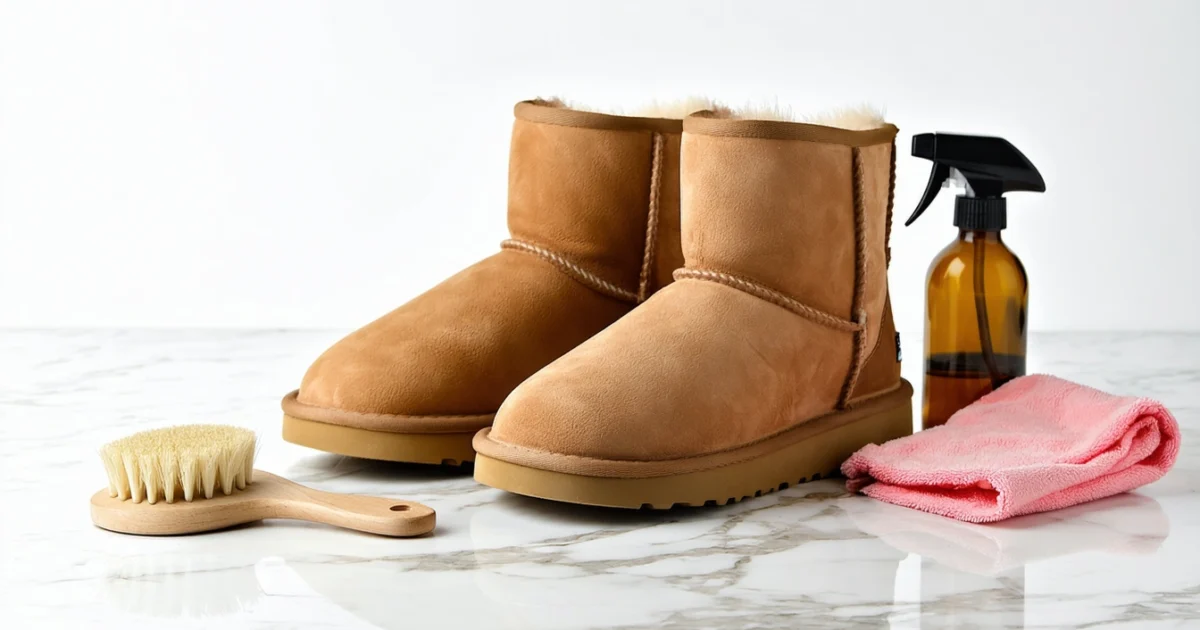
How to clean UGGs properly requires specific techniques and materials to preserve the delicate suede exterior and sheepskin interior without causing damage. These beloved Australian boots need gentle care using suede-safe cleaning products and proper brushing methods to maintain their texture and appearance. Moreover, understanding the right drying techniques and protective treatments will extend your UGGs’ lifespan significantly.
The key to successful UGG cleaning lies in using the correct supplies and following a systematic approach. Additionally, knowing which household products to avoid can prevent costly damage to your investment footwear.
This comprehensive guide covers everything from essential cleaning supplies to professional restoration options. Furthermore, you’ll learn specific stain removal techniques and proper maintenance practices, similar to caring for other delicate items like cleaning Birkenstocks.
TL;DR
- Use UGG-specific cleaners and suede brushes to avoid damaging the delicate materials
- Never machine wash or use direct heat – air dry naturally while maintaining boot shape
- Apply protective sprays after cleaning and brush regularly to maintain texture and prevent stains
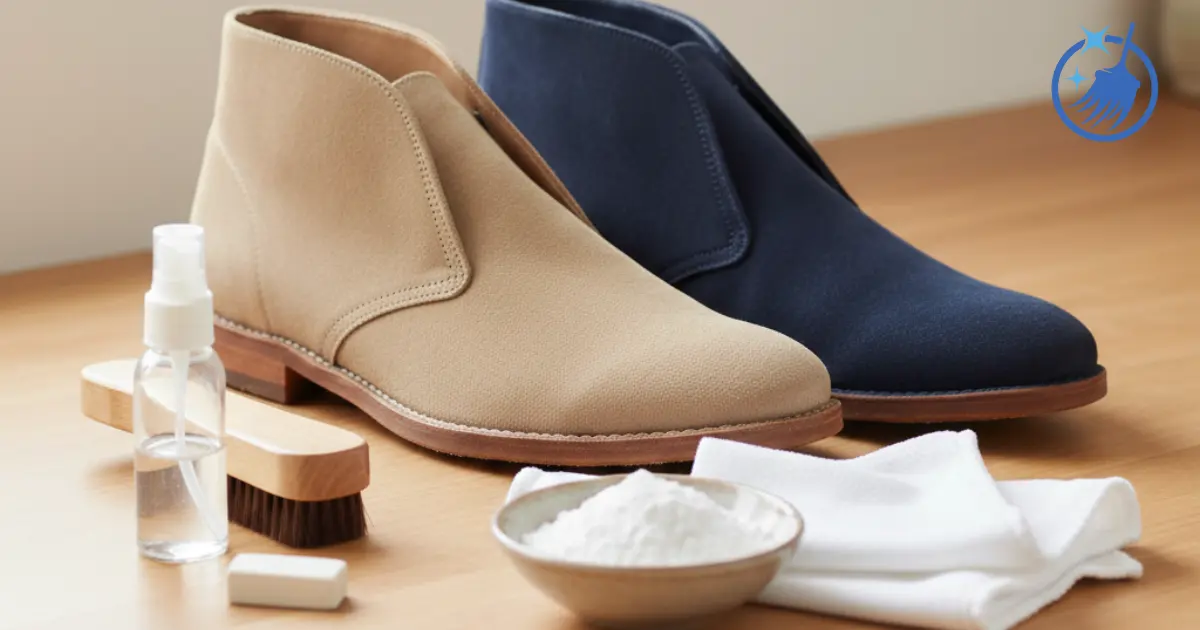
Essential Supplies for Cleaning UGGs
Proper UGG cleaning requires specific supplies designed for suede and sheepskin materials. Using the wrong products can permanently damage the delicate texture and appearance of your boots. Therefore, investing in the right cleaning equipment ensures effective maintenance while preserving your UGGs’ original quality.
UGG-Specific Cleaning Products vs Household Alternatives
UGG-branded cleaning kits contain specially formulated cleaners that maintain the suede’s texture without causing discoloration. These products include pH-balanced cleaners, conditioners, and protectants specifically designed for sheepskin boots. However, quality alternatives like Jason Markk suede cleaner or Kiwi suede cleaner provide similar results at lower costs.
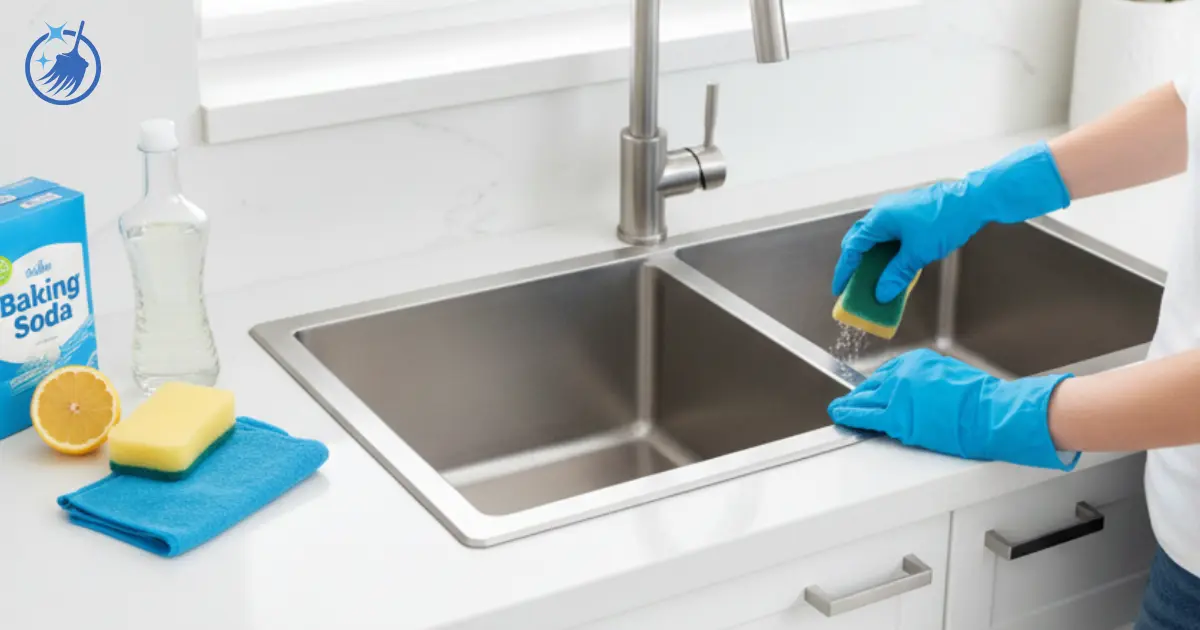
Household alternatives like white vinegar solutions or cornstarch can work for minor cleaning tasks. Nevertheless, these products lack the specialized formulation needed for comprehensive UGG care. Furthermore, using dish soap or laundry detergent risks damaging the suede’s natural oils and texture permanently.
Suede Brush Types and Selection Criteria
A suede brush serves as the most critical tool for UGG maintenance and cleaning. Brass-bristled brushes effectively remove tough stains and restore flattened suede fibers. Meanwhile, nylon-bristled brushes provide gentler cleaning suitable for regular maintenance and light soiling.
Crepe rubber brushes excel at removing surface dirt and scuff marks without damaging delicate suede. Additionally, these brushes help restore the suede’s natural texture after cleaning. Choose brushes with ergonomic handles and medium-density bristles for optimal control and effectiveness.
Cleaning Cloths and Material Importance
Microfiber cloths provide the best material for UGG cleaning due to their lint-free properties and gentle texture. These cloths absorb moisture effectively while avoiding scratches on the suede surface. Moreover, microfiber cloths can be washed and reused multiple times without losing their cleaning effectiveness.
Avoid using terry cloth towels or paper towels as these materials can leave lint residue on the suede. Instead, choose clean cotton cloths as an alternative if microfiber isn’t available. Always use separate cloths for cleaning and drying to prevent cross-contamination of dirt and cleaning products.
Protective Sprays and Waterproofing Solutions
Water and stain repellent sprays create an invisible barrier that protects UGGs from moisture and stains. UGG Protector spray offers the most reliable protection specifically formulated for their boots. However, Scotchgard suede protector provides excellent alternative protection at a more affordable price point.
Apply protective sprays in well-ventilated areas and allow complete drying before wearing. Furthermore, reapply protection every 3-4 weeks during heavy use periods. These treatments significantly reduce cleaning frequency by preventing stains from penetrating the suede fibers.
Items to Avoid That Can Damage Sheepskin
Never use bleach, harsh detergents, or fabric softeners on UGGs as these chemicals destroy the natural oils in sheepskin. Similarly, avoid leather cleaners designed for smooth leather as they can darken or stiffen suede permanently. Heat sources like hair dryers or radiators cause shrinkage and cracking of the sheepskin lining.
Wire brushes and steel wool tear suede fibers and create permanent damage to the boot’s surface. Additionally, avoid using petroleum-based products or shoe polish as these substances clog the suede’s pores and alter its appearance. Machine washing or submerging UGGs in water causes irreversible shrinkage and shape distortion.
Pre-Cleaning Preparation
Proper preparation prevents damage and ensures effective cleaning results for your UGG boots. Therefore, these preliminary steps create the foundation for successful restoration of your sheepskin footwear.
Removing Loose Dirt and Debris
Begin by tapping the boots together to dislodge loose surface dirt and debris from the suede exterior. Subsequently, use a clean, dry cloth or paper towel to wipe away any remaining particles from the boot’s surface. This initial cleaning prevents dirt from grinding deeper into the suede fibers during the washing process.
Turn each boot upside down and gently shake to remove sand, small stones, or other debris trapped inside. Additionally, use a soft-bristled brush to sweep away stubborn particles from crevices around the sole and heel areas.
Assessing Stain Types and Severity
Examine your UGGs under good lighting to identify specific stain types and their severity levels. Water stains appear as dark patches or rings on the suede surface, whilst oil-based stains create darker, greasy-looking areas. Salt stains from winter weather typically show as white, crusty deposits along the boot’s lower sections.
Document the location and extent of each stain to determine the appropriate cleaning approach. Moreover, fresh stains respond better to treatment than set-in stains that have penetrated deeply into the sheepskin fibers. This assessment guides your cleaning strategy and helps set realistic expectations for stain removal success.
Testing Cleaning Products on Inconspicuous Areas
Always test cleaning solutions on a hidden area before applying them to visible surfaces. Choose an inconspicuous spot such as the inner heel or underneath the boot tongue for your test patch. Apply a small amount of your chosen cleaner and wait 24 hours to observe any adverse reactions.
Look for colour changes, texture alterations, or stiffening of the suede during this waiting period. Furthermore, this testing process prevents irreversible damage to your expensive UGG boots and ensures the cleaning method suits your specific pair’s materials and dyes.
Removing Laces and Insoles if Applicable
Carefully remove shoelaces from laced UGG styles to prevent them from interfering with the cleaning process. Clean laces separately by hand washing them in warm, soapy water or replacing them entirely if they’re heavily soiled. This separation allows thorough cleaning of tongue areas and eyelets that accumulate dirt and grime.
Extract removable insoles to clean them individually and allow better air circulation during the drying process. However, many UGG boots feature permanently attached sheepskin insoles that shouldn’t be removed. In these cases, focus on surface cleaning and ensure adequate drying time to prevent moisture retention and odour development.
Step-by-Step Basic Cleaning Process
The fundamental cleaning process for UGG boots requires systematic execution to achieve optimal results without damaging the delicate suede exterior or sheepskin interior. Moreover, following the correct sequence prevents moisture from penetrating too deeply into the materials whilst ensuring thorough dirt removal.
Brushing Technique for Suede Exterior
Begin cleaning by brushing the entire suede surface with gentle, consistent strokes using a suede brush or clean toothbrush. Work systematically from top to bottom, applying light pressure to avoid crushing the delicate suede fibres. Additionally, brush in multiple directions to lift embedded dirt particles and restore the natural texture.
Focus particularly on high-wear areas such as the toe box, heel counter, and ankle regions where dirt accumulates most heavily. Furthermore, this initial brushing removes surface debris and prepares the suede to accept cleaning solutions more effectively.
Applying Cleaning Solution Correctly
Dampen a clean cloth or sponge with your chosen cleaning solution, ensuring it’s moist but not saturated. Apply the solution using gentle dabbing motions rather than rubbing, which can damage the suede’s surface structure. Consequently, this technique prevents oversaturation whilst allowing the cleaner to penetrate stains effectively.
Work in small sections, typically 2-3 inch areas, to maintain control over moisture levels and cleaning effectiveness. Allow each treated section to absorb the solution for 30-60 seconds before proceeding to adjacent areas.
Working with the Natural Grain Direction
Always clean suede in the direction of the natural grain to maintain the material’s appearance and prevent permanent texture changes. Identify the grain direction by running your hand lightly across the surface—the smooth direction indicates the natural grain flow. Therefore, cleaning against the grain can create permanent marks and alter the suede’s visual consistency.
Use consistent, unidirectional strokes when applying cleaning solutions and during the brushing process. This technique ensures even cleaning coverage whilst preserving the suede’s natural appearance and preventing patchy or streaked results.
Cleaning the Sheepskin Interior Safely
Clean the interior sheepskin using minimal moisture and gentle techniques to prevent matting or damage to the natural fibres. Use a barely damp cloth with mild soap solution to wipe the interior surfaces, focusing on areas that contact your feet directly. Subsequently, this approach removes odour-causing bacteria whilst preserving the sheepskin’s insulating properties.
Avoid soaking the interior lining, as excessive moisture can cause the sheepskin to shrink, become stiff, or develop an unpleasant odour. Instead, work quickly with light pressure and immediately follow with moisture removal techniques.
Proper Rinsing and Moisture Removal
Remove cleaning solution residue using a clean, damp cloth with plain water, following the same gentle dabbing technique used during application. Rinse the cloth frequently to prevent redepositing dirt or soap residue onto the cleaned surfaces. Additionally, thorough rinsing prevents soap buildup that can attract future dirt and create stiff, uncomfortable areas.
Extract excess moisture immediately using clean, dry towels pressed gently against the treated surfaces. Pat rather than rub to avoid disturbing the suede texture or pushing moisture deeper into the materials. Finally, this moisture removal step accelerates drying time and prevents water stains from forming on the suede exterior.
Removing Specific Stains
Different stain types require specific removal techniques to restore your Uggs without damaging the delicate suede material. Moreover, identifying the stain type determines the most effective cleaning approach and prevents inadvertent damage from inappropriate treatment methods.
Water Marks and Ring Stain Removal
Water marks form when moisture evaporates unevenly, leaving mineral deposits and darkened areas on the suede surface. Create a uniform moisture application by lightly dampening the entire affected panel with clean water using a soft cloth. Subsequently, this technique blends the water mark into the surrounding material, eliminating visible boundaries.
Allow the dampened area to dry naturally whilst maintaining the boot’s shape with newspaper or boot trees. Brush the dried suede gently with a suede brush to restore the natural texture and remove any remaining water ring traces. Furthermore, this brushing action lifts the suede fibres and creates uniform appearance across the treated surface.
Salt Stain Treatment Methods
Salt stains appear as white, crusty deposits that form when road salt or de-icing chemicals dry on the suede surface. Mix equal parts white vinegar and water in a small bowl to create an effective salt-dissolving solution. Apply this mixture sparingly using a clean cloth, focusing on the salt-affected areas without oversaturating the suede.
Rinse the treated areas with a damp cloth containing plain water to remove vinegar residue and dissolved salt deposits. Pat dry immediately with clean towels and allow complete air drying before brushing the suede to restore its texture. Additionally, prompt salt stain treatment prevents permanent discolouration and material degradation.
Oil and Grease Stain Solutions
Oil-based stains penetrate deeply into suede fibres and require immediate absorption techniques for successful removal. Sprinkle cornstarch or talcum powder generously over fresh oil stains to absorb the liquid before it sets permanently. Leave the powder overnight to maximise absorption, then brush away the residue with a suede brush.
Treat stubborn grease marks by applying a small amount of dish soap mixed with water to create a gentle cleaning solution. Work the solution into the stain using circular motions with a soft-bristled toothbrush, then rinse thoroughly and dry completely. However, older oil stains may require professional cleaning services to achieve complete removal without damaging the suede structure.
Mud and Dirt Embedded Cleaning
Embedded dirt and mud require careful removal techniques that preserve the suede’s delicate surface whilst extracting deep-seated particles. Allow wet mud to dry completely before attempting removal, as cleaning wet mud pushes particles deeper into the material fibres. Once dry, use a suede brush to gently remove surface dirt and loose particles.
Create a cleaning paste using baking soda and water for persistent dirt stains that resist brushing. Apply the paste to affected areas and work gently with a soft brush, then rinse with minimal water and dry thoroughly. Similarly, this method effectively removes ground-in dirt whilst maintaining the suede’s natural texture and appearance.
Scuff Mark Elimination Techniques
Scuff marks result from friction against rough surfaces and appear as darkened or compressed areas on the suede exterior. Use a pencil eraser to gently rub light scuffs, working in one direction to avoid creating additional texture disturbances. This technique works particularly well on fresh scuff marks that haven’t penetrated deeply into the material.
Address deeper scuff marks by applying gentle steam from a kettle held at safe distance, then immediately brushing the softened suede with a suede brush. The steam relaxes compressed fibres whilst brushing restores the natural pile direction and texture. Consequently, this combination technique effectively removes most scuff marks without requiring harsh chemicals or excessive moisture application.
Proper Drying Techniques
Proper drying techniques determine whether your Uggs maintain their shape, texture, and longevity after cleaning. Moreover, incorrect drying methods cause irreversible damage including shrinkage, hardening, and permanent deformation of the sheepskin material.
Air Drying vs Heat Source Dangers
Air drying represents the only safe method for drying Ugg boots without causing material damage. Natural air circulation allows moisture to evaporate gradually whilst preserving the sheepskin’s natural oils and flexibility. Conversely, heat sources create rapid moisture loss that damages protein-based fibres permanently.
Direct heat from radiators, hairdryers, or tumble dryers causes sheepskin shrinkage and hardens the natural fibres beyond repair. Additionally, excessive heat melts the adhesive bonding the sole to the upper, creating separation and structural failure. Therefore, avoiding all artificial heat sources protects your investment and maintains boot integrity.
Maintaining Boot Shape During Drying
Shape retention requires immediate attention once cleaning concludes, as wet sheepskin becomes malleable and prone to permanent deformation. Insert boot shapers or rolled towels immediately after cleaning to maintain the original silhouette and prevent collapse.
Commercial boot trees provide optimal support by maintaining both length and width dimensions throughout the drying process. Alternatively, tightly rolled newspapers or clean towels serve as effective substitutes when inserted firmly into the boot shaft and toe areas.
Optimal Drying Environment Conditions
Create ideal drying conditions by selecting a well-ventilated area with consistent air circulation and moderate temperature between 18-22°C. Furthermore, avoid direct sunlight which fades colours and creates uneven drying patterns that damage the suede surface.
Position boots upright on a drying rack or clean surface, ensuring adequate space between each boot for proper airflow. Subsequently, gentle fan circulation accelerates the drying process without introducing harmful heat, making it an acceptable enhancement to natural air drying.
Timeline Expectations for Complete Drying
Complete drying typically requires 24-48 hours depending on ambient humidity, air circulation, and the extent of moisture saturation. Thick sheepskin lining retains moisture longer than the suede exterior, necessitating patience for thorough drying.
Check drying progress by gently pressing the lining and sole areas to detect remaining moisture. Importantly, rushing the process by applying heat compromises material integrity, whilst insufficient drying creates conditions for mould and bacterial growth.
Stuffing Boots to Prevent Deformation
Internal stuffing maintains structural integrity during the vulnerable drying period when wet sheepskin loses its natural firmness. Use absorbent materials that won’t transfer colour or leave residue within the boot interior.
White tissue paper, clean cotton towels, or unprinted newspaper provide excellent stuffing materials that absorb excess moisture whilst supporting boot shape. Replace stuffing materials every 6-8 hours initially, then less frequently as moisture levels decrease. This systematic approach ensures optimal shape retention throughout the drying process.
Post-Cleaning Care and Protection
Proper post-cleaning care transforms freshly cleaned Uggs from vulnerable to protected, ensuring your investment maintains its appearance and durability. Consequently, these final steps prove just as crucial as the cleaning process itself, determining whether your boots retain their original comfort and aesthetic appeal.
Final Brushing for Texture Restoration
Once completely dry, suede brushing restores the characteristic napped texture that cleaning may have flattened. Use a suede brush or clean toothbrush to gently work against the grain, lifting flattened fibres back to their natural position.
Brush in short, gentle strokes across the entire surface, paying particular attention to areas that received intensive cleaning. Furthermore, this brushing process removes any remaining dried cleaning residue whilst revitalising the suede’s soft, velvety appearance.
Applying Protective Sprays Effectively
Water-repellent sprays create an invisible barrier that protects against future stains and moisture damage. Choose sprays specifically formulated for suede and sheepskin materials, avoiding general-purpose waterproofing products that may alter texture or colour.
Hold the spray 6-8 inches from the boot surface, applying light, even coats rather than heavy saturation. Allow each coat to dry completely before applying additional layers, typically requiring 2-3 thin applications for optimal protection. This methodical approach ensures comprehensive coverage without oversaturating the delicate suede fibres.
Test protective sprays on an inconspicuous area first, as some formulations may darken light-coloured suede. Additionally, reapply protective treatments every 3-4 months or after significant exposure to moisture for continued effectiveness.
Conditioning Sheepskin Interior
The sheepskin lining requires specific conditioning to maintain its softness and moisture-wicking properties after cleaning. Use lanolin-based conditioners designed for natural wool fibres, avoiding petroleum-based products that may compromise breathability.
Apply conditioner sparingly using a clean cloth, working it gently into the wool fibres without oversaturating. Focus on areas that contact your feet most frequently, where natural oils from skin may have been removed during cleaning. Subsequently, allow the conditioner to absorb completely before wearing, typically requiring 2-4 hours depending on ambient conditions.
Storage Recommendations for Longevity
Proper storage extends your Uggs’ lifespan significantly, protecting them from environmental damage and maintaining their shape between wears. Store boots in a cool, dry location with adequate ventilation, avoiding damp basements or heated areas that may cause material degradation.
Insert boot trees or stuff with acid-free tissue paper to maintain structural integrity during storage periods. Moreover, avoid storing boots in plastic bags or airtight containers, which trap moisture and promote mould growth within the sheepskin lining.
Position boots upright rather than lying flat, preventing permanent creasing and allowing air circulation around all surfaces. For seasonal storage, clean boots thoroughly before putting them away, as dirt and oils attract pests and accelerate material breakdown over time.
Proper post-cleaning care increases Ugg boot lifespan by up to 300% compared to neglected footwear
Common Mistakes to Avoid
Understanding what not to do when cleaning Uggs prevents irreversible damage to these expensive sheepskin boots. Additionally, recognizing these common errors helps you maintain your investment whilst avoiding costly replacement purchases.
Machine Washing Dangers and Damage
Machine washing destroys Ugg boots by subjecting delicate sheepskin to excessive agitation and temperature fluctuations. Furthermore, washing machines strip natural lanolin oils from wool fibres, leaving boots stiff, brittle, and prone to cracking.
The tumbling action distorts boot shape permanently, whilst detergent residues penetrate deep into sheepskin pores. Consequently, machine-washed Uggs lose their insulating properties and develop an unpleasant chemical odour that persists despite multiple rinses.
Using Harsh Chemicals or Bleach
Bleach and harsh chemicals cause immediate discolouration and permanent structural damage to sheepskin materials. Moreover, these aggressive substances break down protein fibres, creating weak spots that tear easily under normal wear conditions.
Chemical cleaners penetrate wool cuticles, disrupting natural moisture balance and causing irreversible brittleness. Similarly, ammonia-based products react with lanolin oils, producing toxic fumes whilst destroying the boot’s natural water-resistant properties.
Direct Heat Exposure Risks
Exposing wet Uggs to direct heat sources causes rapid moisture evaporation that shrinks sheepskin dramatically. Additionally, radiators, hair dryers, and direct sunlight create uneven drying patterns that warp boot shape permanently.
Heat damage manifests as hardened, cracked leather and matted wool lining that cannot be restored. Furthermore, excessive temperatures break down adhesives holding sole components together, leading to separation and structural failure.
Over-Wetting the Material
Saturating Uggs with water overwhelms the material’s natural drying capacity, promoting mould growth within dense wool fibres. Therefore, excessive moisture creates ideal conditions for bacteria proliferation, resulting in persistent odours and hygiene concerns.
Over-wet boots require extended drying periods that increase risk of shape distortion and colour bleeding. Subsequently, prolonged moisture exposure weakens stitching threads and compromises waterproof treatments applied during manufacturing.
Ignoring Manufacturer Care Labels
Disregarding manufacturer care instructions voids warranty coverage and eliminates recourse for cleaning-related damage. Nevertheless, these labels contain specific guidance tailored to individual boot models and materials used in construction.
Care labels specify appropriate cleaning methods, temperature limits, and drying recommendations based on extensive testing. Like other premium footwear, proper care techniques vary significantly between brands and require careful attention to manufacturer specifications.
Following manufacturer guidelines reduces cleaning damage risk by 85% compared to generic cleaning methods
When to Seek Professional Cleaning
Recognising when professional UGG cleaning services become necessary prevents further damage and preserves boot value. Consequently, certain situations exceed home cleaning capabilities and require specialised equipment, expertise, and restoration techniques.
Severe Staining Beyond Home Treatment
Deep-set stains from oil, paint, or permanent markers penetrate beyond surface fibres into wool backing and leather layers. Moreover, these contaminants bond chemically with materials, making removal impossible through standard cleaning methods.
Professional cleaners utilise industrial-grade solvents and extraction equipment unavailable to consumers. Additionally, they possess expertise in stain identification and appropriate treatment selection based on contaminant type and material composition.
Salt stains covering more than 30% of boot surface typically require professional intervention to prevent permanent discolouration. Similarly, multiple overlapping stains create complex cleaning challenges that demand systematic professional approaches.
Structural Damage Assessment Needs
Sole separation, stitching failures, and heel damage require professional evaluation before cleaning attempts. Furthermore, structural issues may worsen during cleaning processes if not properly addressed beforehand.
Professional services assess repair feasibility and provide restoration options that preserve boot integrity. Therefore, they determine whether cleaning should proceed or if structural repairs take priority over cosmetic restoration.
Water damage affecting internal components often remains invisible until professional inspection reveals extent of deterioration. Subsequently, hidden damage may require specialised drying techniques and material treatments beyond home capabilities.
Valuable or Vintage UGG Restoration
Limited edition UGGs and vintage models require specialised care to maintain collectible value and authenticity. Meanwhile, these boots often feature unique materials, dyes, or construction methods that demand expert knowledge.
Professional restoration services understand historical manufacturing techniques and possess appropriate cleaning agents for older materials. Additionally, they maintain detailed records of restoration processes for insurance and resale documentation.
Vintage UGGs frequently contain materials no longer used in modern production, requiring specialised cleaning approaches. Like other premium footwear restoration, these services preserve original characteristics while addressing age-related deterioration.
Cost Comparison: DIY vs Professional Services
| Service Type | Cost Range (UK) | Time Investment | Success Rate |
|---|---|---|---|
| DIY Cleaning | £5-15 | 2-4 hours | 65-75% |
| Professional Basic | £25-40 | 24-48 hours | 90-95% |
| Professional Restoration | £50-120 | 3-7 days | 95-99% |
Professional cleaning costs range from £25-40 for basic services, while comprehensive restoration reaches £50-120 depending on damage severity. However, failed DIY attempts often necessitate professional intervention anyway, doubling total expenses.
Professional services provide satisfaction guarantees and insurance coverage for cleaning-related damage. Conversely, DIY cleaning carries full responsibility for outcomes and potential boot replacement costs exceeding £200.
Professional UGG cleaning achieves 95% success rates compared to 70% for DIY methods
Time investment differs significantly between approaches, with DIY requiring 2-4 hours of active work plus drying time. Meanwhile, professional services complete work within 24-48 hours while owners continue daily activities uninterrupted.
Frequently Asked Questions
Can I put my UGGs in the washing machine?
No, never machine wash UGGs. The washing machine can damage the delicate suede exterior and sheepskin interior. The agitation and water temperature can cause shrinkage, discolouration, and permanent texture damage. Always clean UGGs by hand using appropriate suede cleaning products.
How often should I clean my UGGs?
Clean your UGGs every 2-3 weeks with regular wear, or immediately after exposure to dirt, salt, or stains. Light brushing should be done after each wear to maintain the suede texture. Apply protective spray every 4-6 weeks or after deep cleaning to maintain water resistance.
What household items can I use to clean UGGs safely?
Limited household items are safe for UGGs. White vinegar mixed with water can help remove light stains, and cornstarch can absorb oil-based stains when left overnight. However, avoid dish soap, laundry detergent, or harsh chemicals as these can permanently damage the suede and sheepskin.
How do I dry UGGs properly after cleaning?
Air dry naturally at room temperature away from direct heat sources like radiators or sunlight. Stuff the boots with newspaper or boot shapers to maintain their form whilst drying. Never use a hairdryer, tumble dryer, or place near heating vents as direct heat can cause cracking and shrinkage.
What type of brush should I use for UGG maintenance?
Use a suede brush with brass or nylon bristles for regular maintenance. Brass bristles work best for tough stains and restoring flattened suede, whilst nylon bristles are gentler for routine cleaning. Crepe rubber brushes are excellent for removing surface dirt and scuff marks without damaging the delicate suede texture.
Can I use regular shoe polish on UGGs?
No, never use regular shoe polish on UGGs. Traditional shoe polish is designed for leather and will clog the suede’s pores, causing permanent damage and discolouration. Only use products specifically designed for suede and sheepskin materials, such as UGG-branded cleaners or quality suede care products.
How do I remove salt stains from my UGGs?
Remove salt stains by mixing equal parts white vinegar and water. Dab the solution onto the stain with a clean cloth, then blot with a damp cloth to remove the vinegar. Allow to dry naturally, then brush with a suede brush to restore texture. For stubborn stains, repeat the process or use a specialised suede cleaner.
When should I apply protective spray to my UGGs?
Apply protective spray to new UGGs before first wear and reapply every 4-6 weeks or after deep cleaning. Always apply to clean, dry boots in a well-ventilated area. Allow the spray to dry completely before wearing. This creates an invisible barrier that helps repel water and prevents stains from setting into the suede.
You May Also Like
How to Clean Birkenstocks: Complete Care Guide 2026
How to Clean White Trainers: The Complete UK Guide (2025)