The short version: treat the oil before the colour. Curry carries turmeric, a very strong natural dye, into the fabric on a layer of cooking oil, so a standard wash on its own rarely shifts it. Scrape off the excess, work liquid washing-up soap into the dry stain to break down the oil, rinse, then deal with the yellow using lemon juice, laundry detergent or an oxygen-based stain remover. Air dry, and keep the item out of the tumble dryer until the mark is gone.
That order matters more than the product. Treating only the colour, without clearing the oil that seals it in, is the usual reason a curry stain keeps reappearing after a wash. Turmeric has been used as a fabric dye for centuries, which is why it grips cotton and other natural fibres so readily.
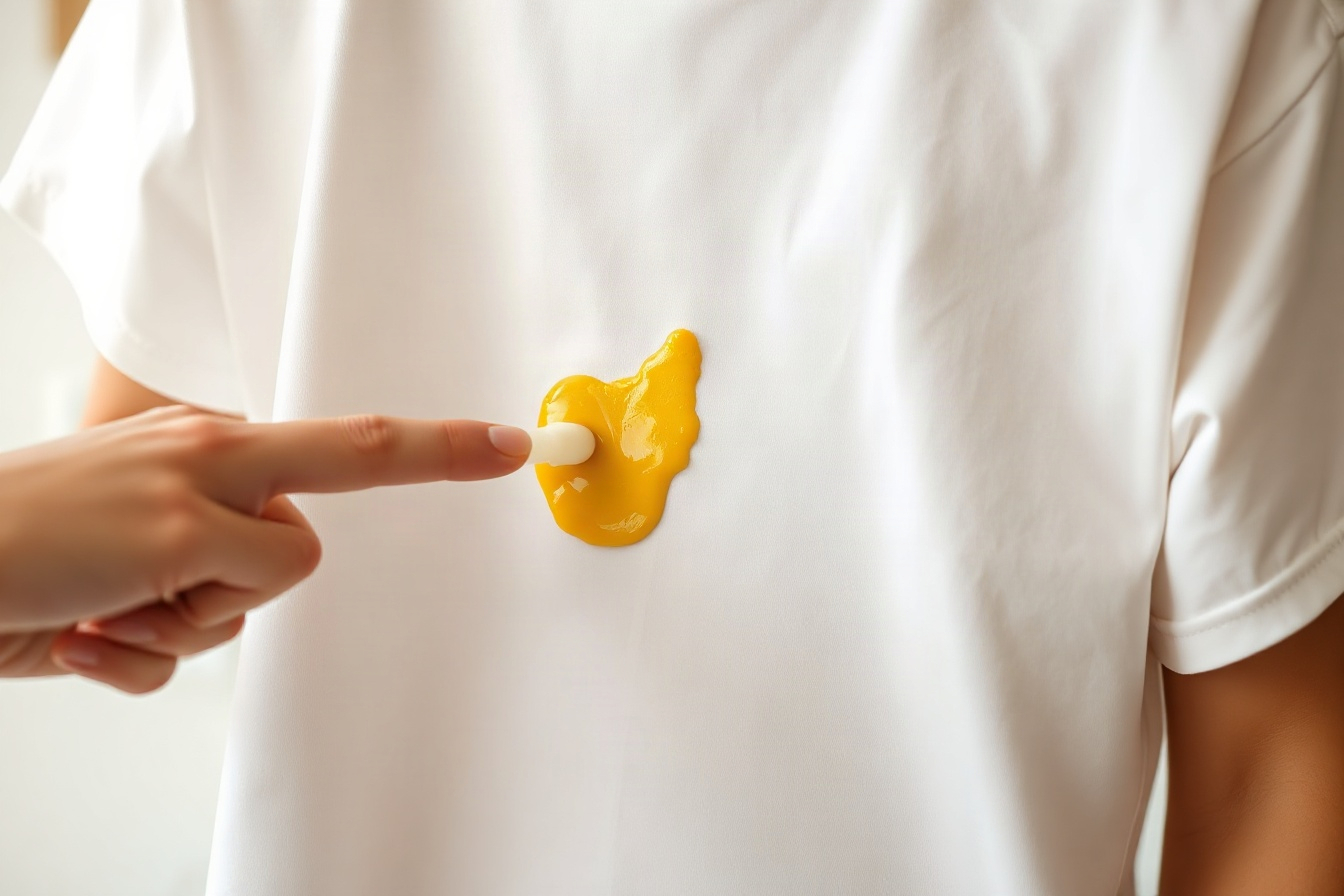
Oil first, colour second
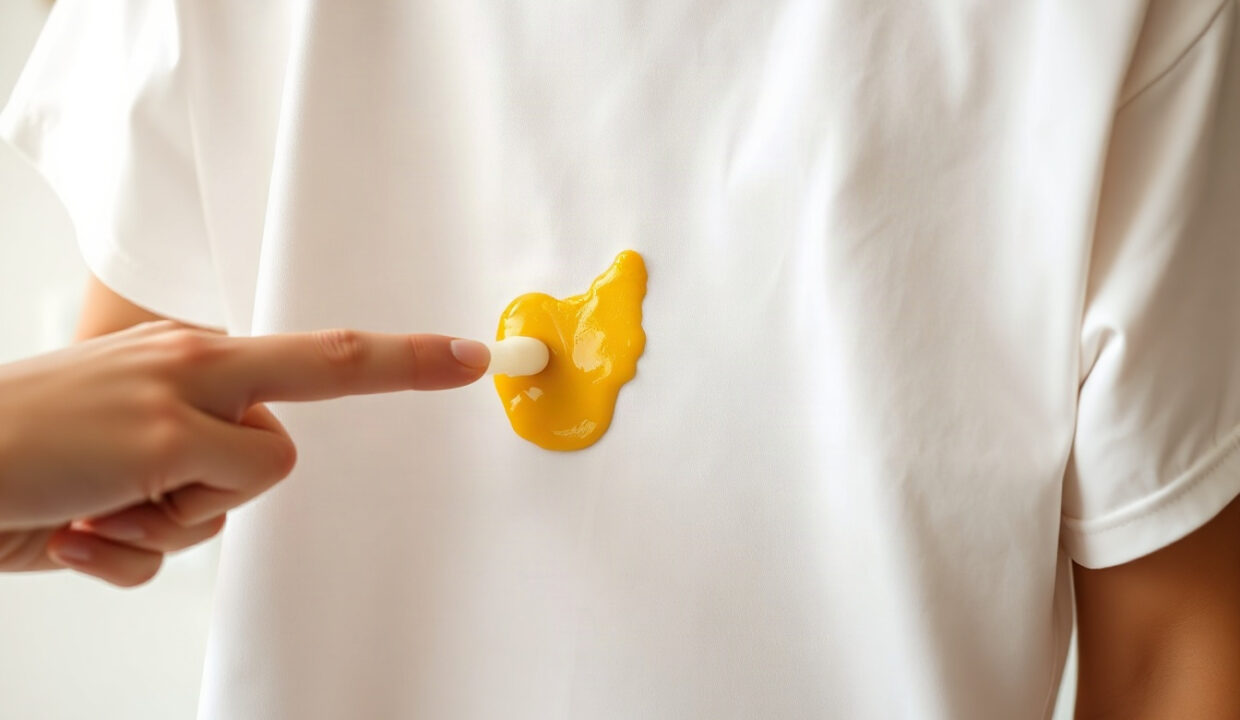
Do this before the fabric gets wet. Scrape off any excess curry with the back of a spoon or a blunt knife, and take care not to rub it further into the fibres. Blot, do not scrub, because hard rubbing pushes sauce deeper into the weave.
- Keep the garment dry. Do not rinse it first, as water can spread the oily base further into the fibres.
- Rub a small amount of liquid washing-up liquid directly into the stain. The same product that cuts through grease on plates does the same job here.
- Leave it for about 5 minutes to break down the oil.
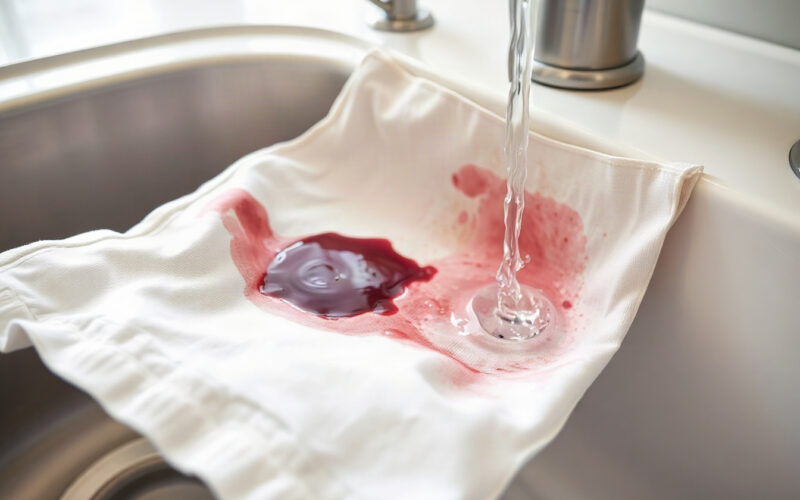
- Rinse through with lukewarm water, not hot.
- Repeat the soap step once more if the area still feels greasy. This clears the way for the colour treatment.
Lifting the yellow: four household options
With the oil dealt with, what is left is the turmeric colour itself. Pick whichever of these you already have. All four are best tried on a hidden patch first if the fabric is coloured.
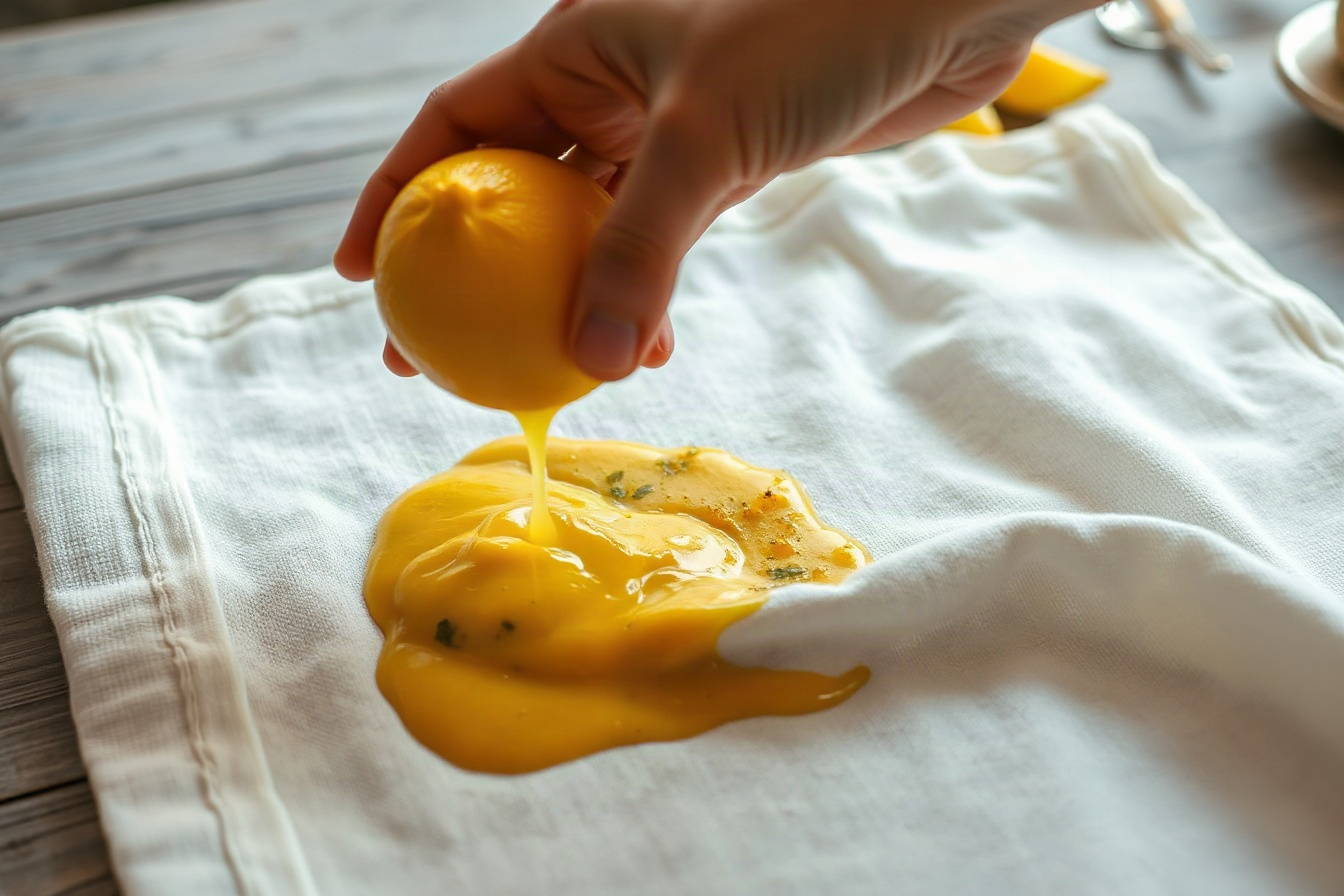
| Method | How to use it | Best for |
|---|---|---|
| Lemon juice | Squeeze half a lemon directly over the stain and leave to soak overnight, then wash as the care label directs. | Light cottons and small, fresh marks |
| Liquid laundry detergent | Rub in from the edge of the stain toward the centre, leave for 30 minutes (longer for stubborn marks), then wash at a lower temperature. | Most everyday garments when you want something already in the cupboard |
| Toothpaste | Dab a small amount of plain white (not gel) toothpaste on the stain, leave for a couple of hours, then wash as normal. | A last-ditch option on small marks. Test first, as pastes can leave residue |
| Glycerine | Wet the stain with warm water, apply an equal mix of glycerine and water, rinse, then machine wash with a biological detergent. | Marks that survived the first wash |
White clothes: diluted peroxide and daylight
White cotton can take a stronger approach than coloured items, since there is no pattern or dye to fade. Use gloves, avoid splashes on skin and eyes, and never use this on wool, silk or coloured fabric.
- Mix one part 20-volume hydrogen peroxide with nine parts water in a spray bottle. Twenty-volume is the stronger hairdressing grade, so dilute it as stated and do not store the mixture in a sealed bottle.
- Spray generously over the stain and leave to soak for around 4 hours.
- Machine wash with your normal detergent.
- Air dry in daylight afterwards. The combination of air and light helps fade any remaining trace of yellow, but do not leave it out for too long, as strong sun can cause its own discolouration.
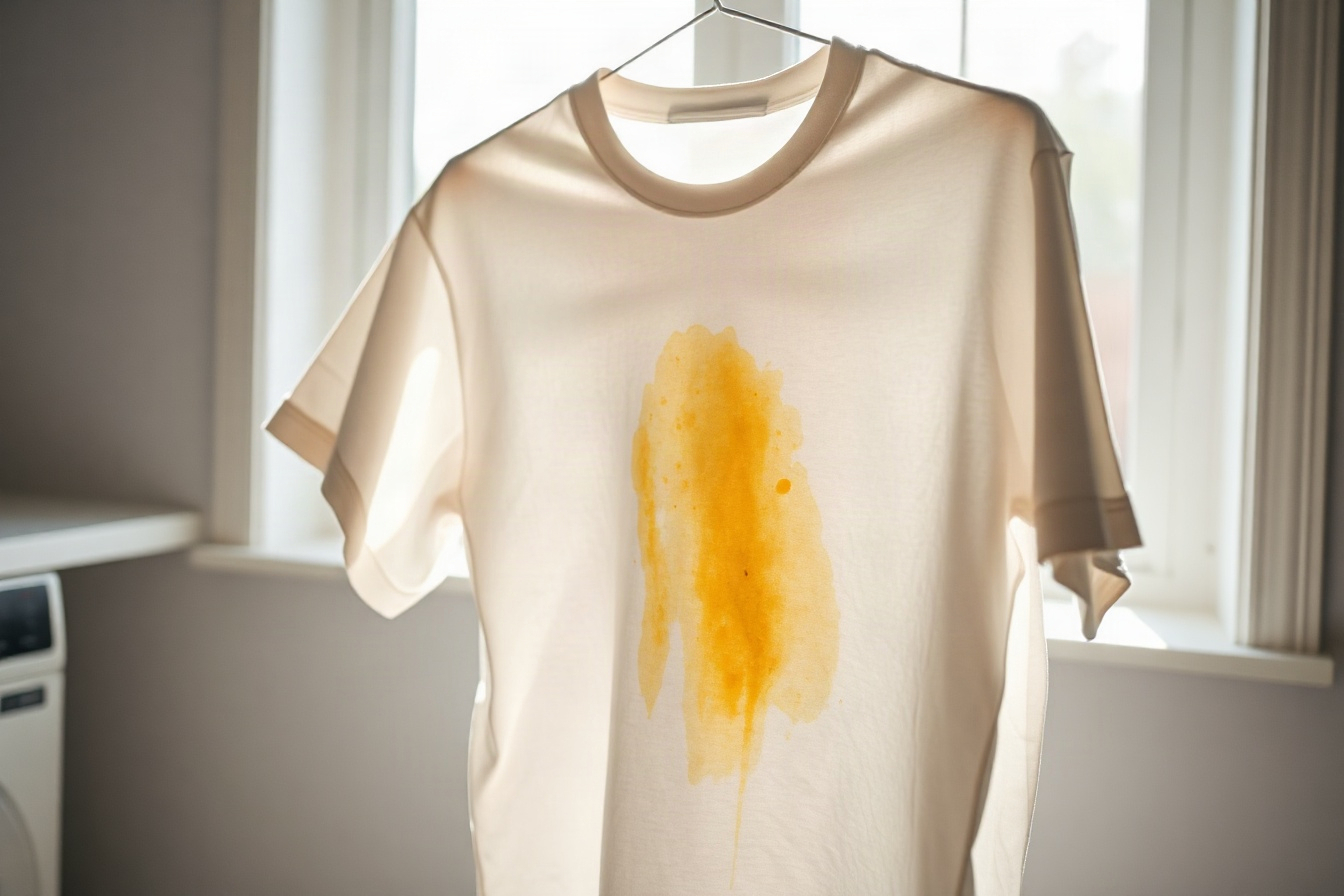
Already dried, or washed and still there
A stain that has dried, or gone through a wash and survived, needs a longer treatment. Keep it out of a hot tumble dryer while you work, because heat sets the dye further and makes the next attempt harder.
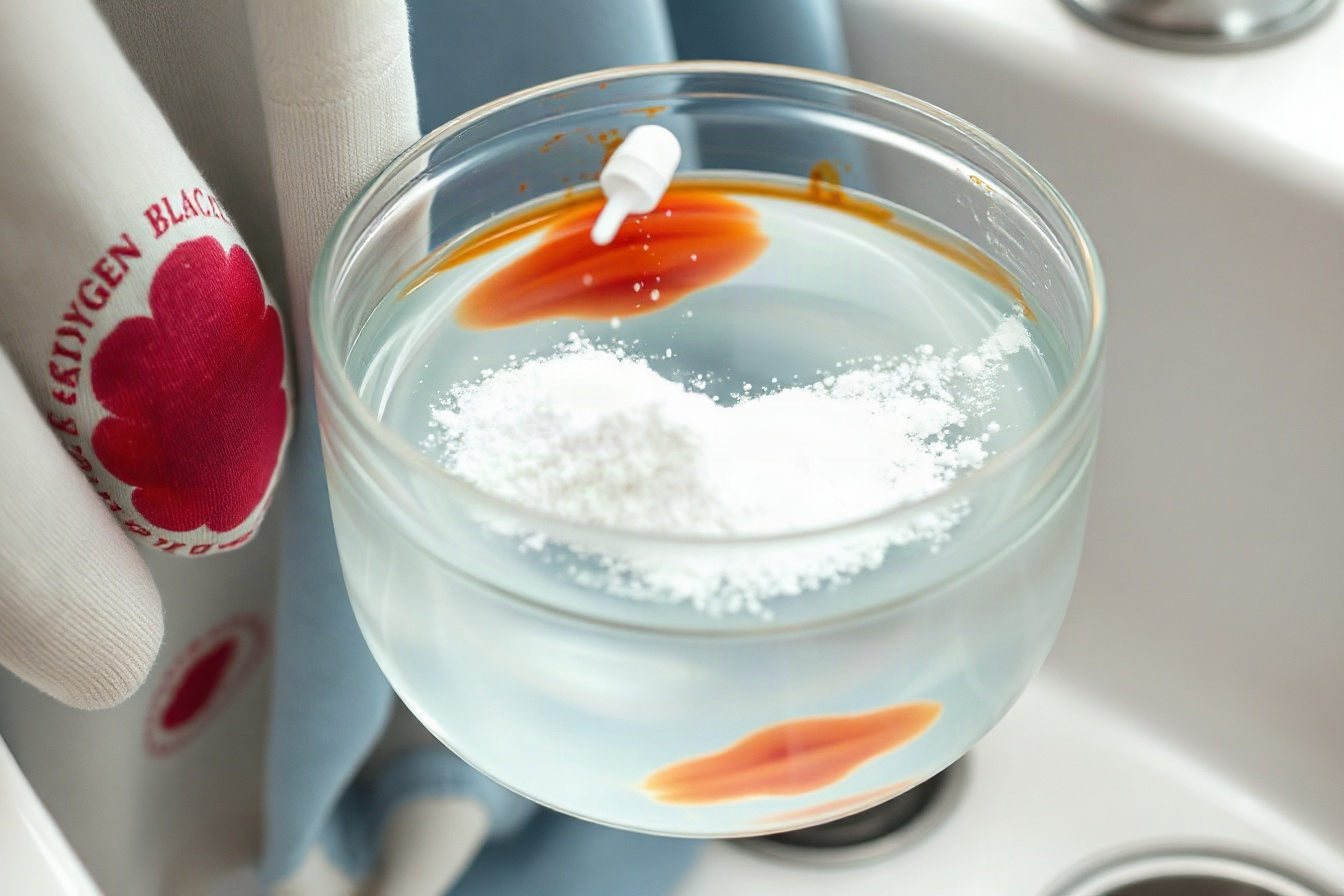
- Choose an oxygen-based bleach containing sodium percarbonate, in a colour-safe version if the item is not white.
- Mix it according to the label, wearing gloves.
- Soak the stained area for up to 8 hours, but never longer than the product instructions allow.
- Check the stain before laundering as normal. If it is gone, wash and air dry rather than tumble dry.
- Repeat the whole treatment once more if any trace remains. A garment that has not been through a hot dryer responds far better to a second attempt.
Curry on a plastic food tub is a different problem with a similar cause, and our guide to cleaning Tupperware stains covers it. If the sauce landed on a carpet instead, see our complete guide to cleaning a carpet.
What is worth buying
None of this is essential if you already have washing-up liquid and laundry detergent in the house. If you want a dedicated kit, these are the four types that earn their place. The links go to Amazon UK searches, so you can compare sizes and current prices. As an Amazon Associate we earn from qualifying purchases.
| Product type | What to look for | Best for | Keep in mind |
|---|---|---|---|
| Grease-cutting washing-up liquid | A plain, clear formula without added moisturiser | Step one on any fresh curry stain | Use on dry fabric, and rinse well afterwards |
| Liquid laundry pre-treatment | A concentrated gel or liquid you can rub straight in | Fresh stains on everyday cotton | Check the label for wool and silk |
| Oxygen-based stain remover | Sodium percarbonate on the ingredients list, and a colour-safe label if you need it | Dried-in or already-washed stains | Follow the soak time on the pack, and wear gloves |
| Glycerine | A pharmacy or cosmetic grade bottle, easy to measure | Stains that survive a first wash | Test on a hidden patch of coloured fabric |
Slips that set the stain
Most curry stains that become permanent have gone wrong in one of a few ways. Rinsing before treating the oil spreads the greasy base. Tumble drying a marked garment sets the dye. Hydrogen peroxide or ordinary bleach on coloured fabric fades the garment as well as the stain, and a colour-safe oxygen bleach is the safer choice. For related stains that share the same oil-first logic, see our guides on getting oil stains out of clothes and getting grease stains out of clothes.
Questions that come up after the first attempt
Is hot or cold water better for curry stains?
Neither extreme. Hot water can set the dye, and cold water is poor at dissolving oil. Treat the oil with soap on the dry fabric, rinse with lukewarm water, and wash at the lowest temperature the care label allows. Check our guide on laundry temperature if you are unsure what the settings do.
Does curry permanently stain clothes?
Not usually. It depends on how quickly it is treated and whether the fabric has been tumble dried. Clearing the oily base before the turmeric colour removes most stains, even dried ones, though very old marks on light fabric can leave a faint trace.
What is the hardest stain to remove from clothes?
It depends on the fabric and how long the stain has been there, so no single stain wins. Marks that combine oil with strong dye, such as turmeric curry, are among the more stubborn, as are any stains that have been through heat. Speed and the right order of treatment matter more than any one product.
How do I get curry stains out of coloured clothes?
Skip peroxide and ordinary bleach, which can fade the dye. Treat the oil with washing-up liquid, then use laundry detergent or a colour-safe oxygen-based soak following the pack. Test a hidden area first. On grey or dark fabric, a yellow cast is easier to see, so a second round is common.
Does baking soda or vinegar remove curry stains?
They are not the usual choice for clothing. Baking soda is more often used as a paste on hard surfaces and worktops, and vinegar features in carpet and upholstery solutions. For fabric, dish soap, lemon juice or an oxygen-based soak work better. Our piece on baking soda and vinegar explains their limits.
Will curry come out of wool or silk?
Sometimes, but be gentle. Do not use peroxide or oxygen bleach on wool or silk. Blot off the excess, work a little non-biological detergent or washing-up liquid in with cool water, and rinse. If the care label says dry clean only, take it in and tell the cleaner it is a curry stain.
Can I get a curry stain out after it has been washed and dried?
Often yes, though it takes an extra attempt. Repeat the oil and colour treatment, or go straight to an oxygen-based soak, and keep the garment out of the dryer between rounds. Look at the stain in daylight while the fabric is still damp before deciding whether to go again.