Stained Tupperware is mostly a cosmetic problem. The real hazards come from how people fix it: pouring boiling water on warped plastic, scouring it into a scratched mess, or soaking it in bleach straight after vinegar. This guide starts with what to check before you clean, then goes through the safest method first and the stronger ones only if you need them.
The short version: scrub with a paste of bicarbonate of soda, then leave the clean container in direct sunlight for a few hours. Curry and turmeric may need a vinegar soak first, and set-in stains an oxygen bleach soak. Smells lift with bicarb or a weak vinegar solution and some fresh air.
Some links in this guide are Amazon affiliate links. If you buy through them we may earn a small commission at no extra cost to you. The suggestions are generic product types, so you can compare makes and prices yourself.
Check the container before you clean it
A thirty-second look decides which methods are safe. Turn the container over and read the base and lid.
- Heat and microwave symbols. If it is not marked microwave safe, do not reheat food in it. Many food tubs are marked with the number 5 (polypropylene), but the symbols on yours are the ones to follow.
- Dishwasher symbol. If there is none, wash by hand in warm, not boiling, water. Heat can warp plastic, and a warped lid will not seal.
- Cracks, deep scratches or warping. Damaged plastic holds stains and smells, and can trap food. If it is badly marked, replacing it is often better than a long rescue job.
- Printed or coloured parts. Do not scrub printed measurement marks, labels or soft silicone seals hard. Abrasives and long soaks can wear them away.
- Anything made for babies or for hot food. Follow the maker’s cleaning instructions rather than the general advice here.
Why plastic stains and holds smells
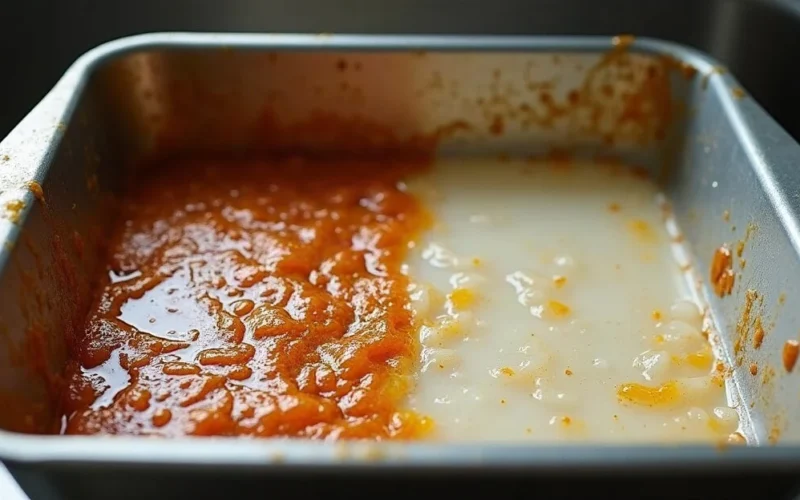
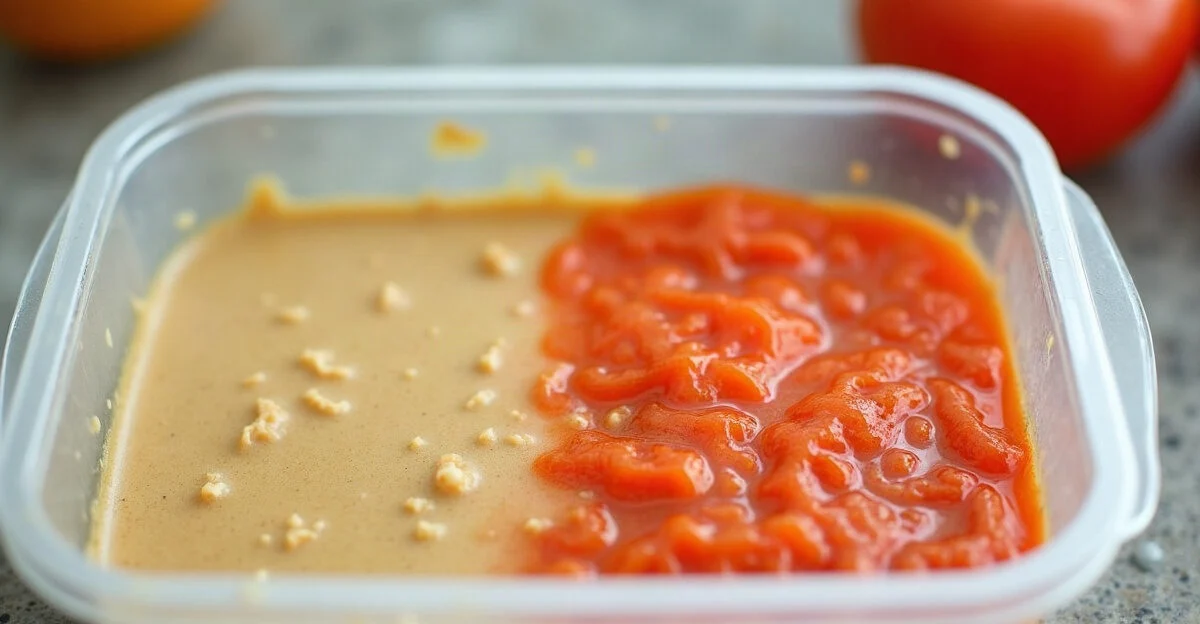
Plastic is slightly porous, and the pigments in tomato and curry are oil-soluble, so they soak into the surface instead of sitting on top like a water-based stain. That is why a normal wash leaves an orange or yellow tinge. Heat makes it worse: pouring hot bolognese in, or microwaving a curry in the container, drives the colour and the smell deeper. Scratches make it worse again, which is why a soft sponge is a better choice than a scouring pad.
The gentlest method first: bicarb and sunlight
Bicarbonate of soda is a mild abrasive that lifts surface staining without cutting deep scratches, and ultraviolet light in direct sunlight then fades what is left. Both are cheap and neither is hazardous.
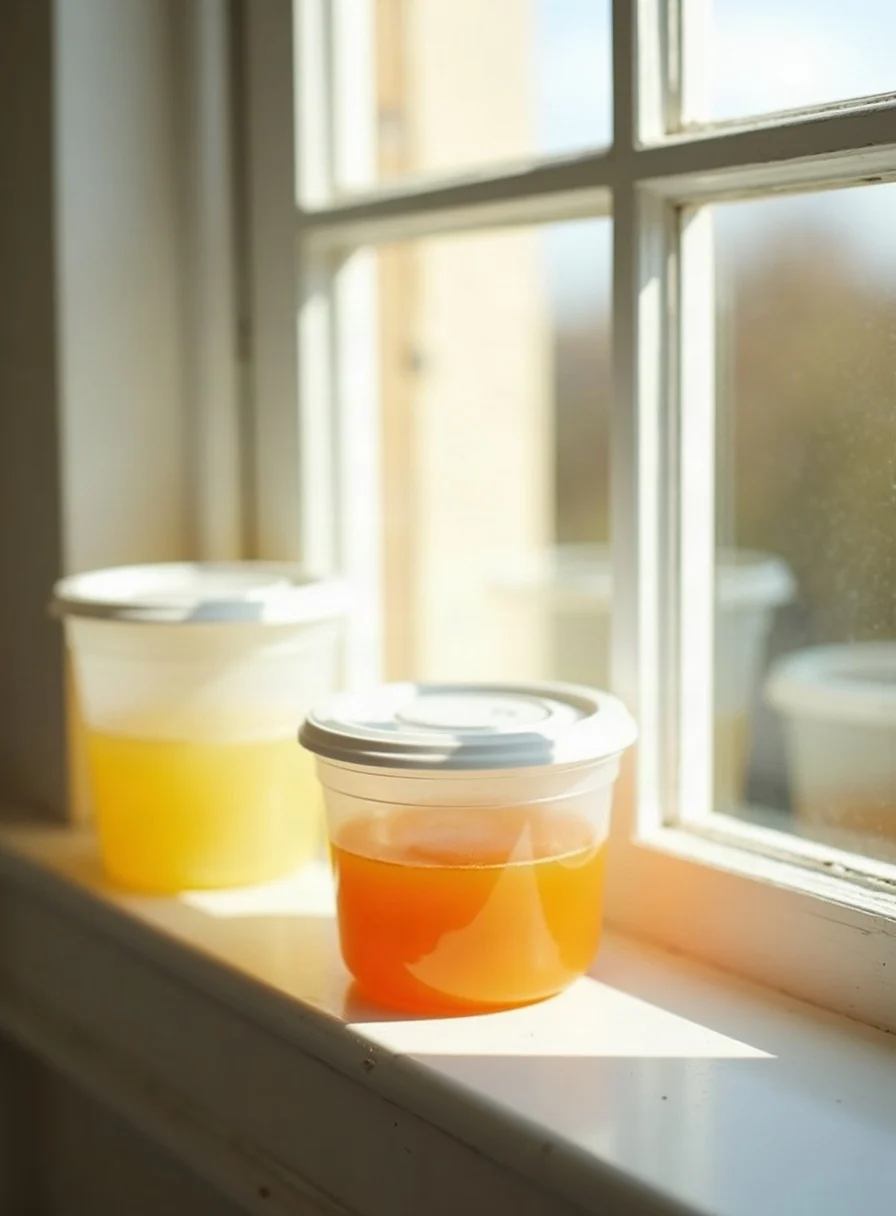
- Make a paste of 2 to 3 tablespoons of bicarbonate of soda with a little water. For greasy curry stains, add a squirt of washing-up liquid.
- Spread it over the stained areas and leave for 15 to 20 minutes, then scrub with a soft sponge and rinse.
- Wash and dry the container, then leave it in direct sunlight, on a sunny windowsill or outside, for 3 to 5 hours. Check it now and then.
- Bring it in once the stain has faded. Sunlight on a windowsill is fine for hours, but do not leave plastic baking in a hot car or beside a radiator or hob, where it can warp.
Stubborn stains: vinegar first, then oxygen bleach
Turmeric in curry is the hardest stain of all. If the gentle method has not shifted it, step up in this order, and finish each step with a thorough rinse.
- White vinegar soak. Fill the container with undiluted white vinegar and soak for 30 to 60 minutes. The acid can help loosen the pigment. Rinse, then repeat the bicarb paste and the sunlight.
- Oxygen bleach soak. For heavily stained containers, dissolve oxygen bleach powder in warm water following the pack instructions, soak for an hour or two, rinse well, then put the container in the sun. Check the pack says it is suitable for plastics, and keep it off printed parts.
Bicarb and vinegar also get a mention in whether baking soda and vinegar really clean, which explains why they are best used one after the other and not poured together.
Getting smells out
Smells respond to different treatment from stains, though sunlight and fresh air help with both.
- Bicarbonate of soda: sprinkle some into the dry container, or smear a paste inside and leave it overnight, then wash.
- Vinegar solution: a soak of 1 part white vinegar to 3 parts water helps with lingering odours. Rinse well.
- Fresh air and sun: leave the clean, dry container open in sunlight or a breezy spot for a few hours.
- Scrunched newspaper: pack the dry container with newspaper and seal it overnight. The paper absorbs the smell.
Match the fix to the problem using this table.
| Problem | Fix | Why it helps |
|---|---|---|
| Tomato or orange stain | Bicarb paste, then 3 to 5 hours in sunlight | Light fades oil-based pigment |
| Curry or turmeric stain | Vinegar soak, then bicarb, then sunlight | The acid may help loosen the turmeric pigment first |
| Greasy film | Bicarb paste with a squirt of washing-up liquid | Cuts the grease holding the stain |
| Lingering smell | Bicarb, or a 1:3 vinegar solution, then air | Neutralises and absorbs odours |
| Heavy, set-in staining | Oxygen bleach soak, then sunlight | Oxidises stubborn colour |
Keeping containers from staining again
- Let food cool before you store it. Hot food drives stains and smells into the plastic.
- A thin wipe of cooking oil inside before tomato-based food is a commonly suggested trick. The stain then sits on the oil and not on the plastic.
- Do not microwave oily or tomato-based food in plastic unless the container is marked microwave safe. Take the lid off or vent it, or move the food to a plate.
- Wash promptly, before the stain and smell have time to set.
- For food you reheat often, consider glass storage containers. Glass does not stain or hold smells, though it is heavier and can break. Choose lids with a clip or vent that suit your microwave.
Keeping the whole kitchen on top of grease and smells helps too, see our kitchen deep clean guide. The same porous-plastic issue is why plastic chopping boards stain, and why a reusable water bottle needs regular care. If you are weighing up the machine against the sink for plastic, dishwasher vs hand washing compares them.
Myths worth dropping
| Claim | What is closer to the truth |
|---|---|
| Stained Tupperware is dirty or unsafe | A washed but stained container is clean. The colour is pigment in the plastic, not grime. Cracks, deep scratches and warping are the signs to watch. |
| Only bleach removes tomato stains | No. A bicarb scrub plus a few hours of sunlight removes most of them. |
| Washing hotter gets stains out | Heat can set stains deeper and warp the container. Bicarb and light do better than hot water alone. |
| Nothing stops it staining | Cooling food first, an oil wipe and avoiding the microwave prevent a lot of it. |
Five questions that come up
Can I put stained or smelly Tupperware in the dishwasher? Only if it carries the dishwasher symbol, and then on the top rack, away from the heating element. A dishwasher on its own rarely shifts curry or tomato stains, so scrub with bicarb first and use the machine only as a final wash.
Why has my Tupperware gone cloudy or greasy? A greasy film is leftover oil, which washing-up liquid and a warm soak remove. A white, cloudy look is more often limescale from hard water or fine scratches. A short white vinegar soak helps with limescale, but scratches cannot be reversed.
Can I use lemon juice instead of vinegar? It is a mild acid, so it can help a little, and many people pair it with sunlight. It is not stronger than vinegar, and it can leave a sticky film if not rinsed, so wash and rinse afterwards.
Is it safe to microwave Tupperware? Only if it is marked microwave safe. Even then, vent or loosen the lid, and avoid heating oily or sugary food for long, since it can get much hotter than water and warp the plastic. If in doubt, reheat on a plate.
When should I replace a container? When it is cracked, warped, badly scratched or permanently smelly, or the lid no longer seals. Throw away anything with melted patches. A plain stain on a sound container is not a reason on its own.