Patio Cleaning UK: Complete Guide to Costs & Methods 2026

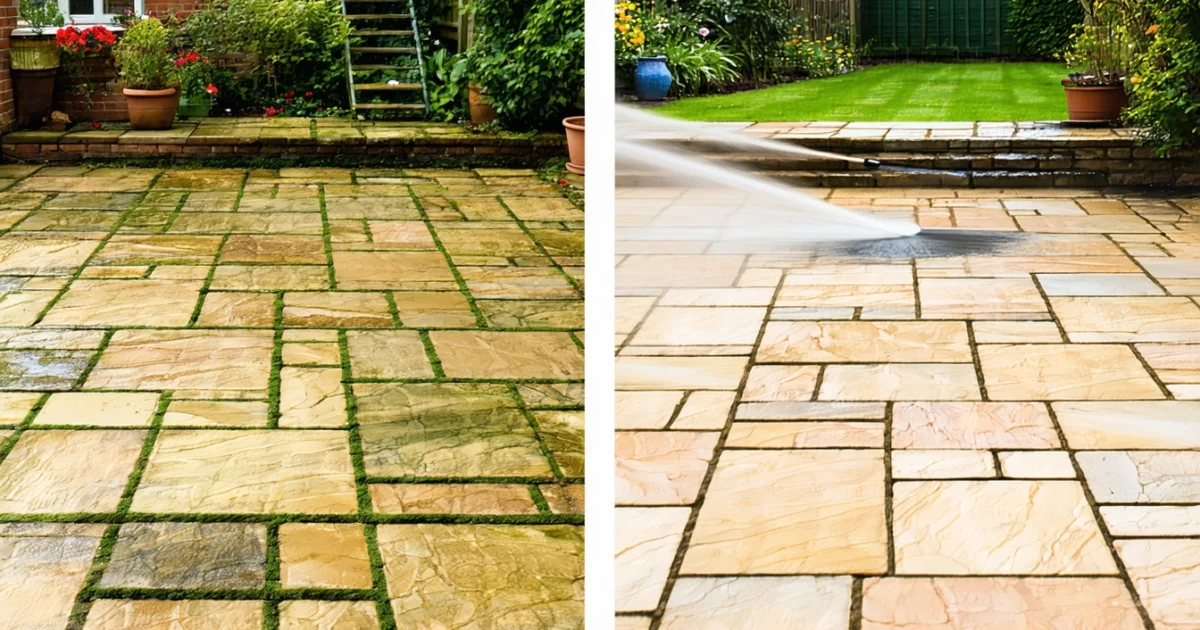
Patio cleaning involves removing algae, moss, dirt, and stains from outdoor surfaces using pressure washing, chemical treatments, or manual scrubbing techniques. Whether you tackle the job yourself or hire professionals, proper cleaning restores your patio’s appearance whilst preventing long-term damage from contamination buildup.
Most UK homeowners face common patio problems including green algae growth, stubborn oil stains, and weathering on surfaces like natural stone, concrete, and block paving. Furthermore, seasonal weather creates perfect conditions for moss and lichen to establish, making regular maintenance essential for property value.
This comprehensive guide covers everything from DIY cleaning methods to professional services, equipment selection, and costs. Additionally, you’ll discover surface-specific techniques, seasonal maintenance schedules, and prevention strategies to keep your outdoor space pristine year-round.
TL;DR
- Patio cleaning removes algae, moss, stains, and dirt using pressure washing, chemicals, or manual scrubbing
- Professional services cost £2-8 per m² depending on surface type and contamination level
- Different surfaces (stone, concrete, porcelain) require specific cleaning approaches to avoid damage
- Regular maintenance and protective sealing prevent heavy contamination and extend patio lifespan
- Spring and autumn are optimal times for deep cleaning, with monthly maintenance preventing buildup
Understanding Patio Cleaning: What It Involves
Patio cleaning encompasses the comprehensive removal of biological contaminants, stains, and accumulated debris from outdoor hard surfaces. This maintenance process involves systematic cleaning, treatment, and restoration of various patio materials to preserve their structural integrity and aesthetic appeal. Professional cleaners define the scope as surface preparation, contaminant removal, deep cleaning, and protective treatment application.
The cleaning process addresses multiple surface types commonly found in UK properties. Natural stone patios including sandstone, limestone, and slate require gentle cleaning methods to preserve their porous structure. Meanwhile, concrete surfaces can withstand more aggressive cleaning techniques due to their dense composition.
Block paving presents unique challenges as dirt accumulates between joints, requiring specialised cleaning approaches. Similarly, porcelain patios demand careful handling to maintain their glazed finish whilst removing stubborn stains. Each surface type responds differently to cleaning products and pressure levels.
Common Patio Contaminants
Algae growth creates slippery green films on damp surfaces, particularly during autumn and winter months. These microorganisms thrive in shaded areas with poor drainage, forming biofilms that penetrate surface pores. Consequently, algae removal requires both mechanical cleaning and biocidal treatments to prevent rapid regrowth.
Moss and lichen establish deeper root systems that physically damage patio surfaces over time. Moss typically grows in joints and cracks where moisture collects, whilst lichen forms crusty patches that bond chemically with stone surfaces. Therefore, removing these organisms often requires multiple treatment cycles and preventive measures.
Oil stains from vehicles, barbecues, and outdoor equipment create permanent discolouration if left untreated. These petroleum-based contaminants penetrate porous surfaces rapidly, making immediate treatment essential. Additionally, general dirt accumulation includes atmospheric pollution, leaf debris, and organic matter that creates an ideal environment for biological growth.
Why Regular Cleaning Matters
Regular patio maintenance prevents costly surface replacement by addressing contamination before permanent damage occurs. Neglected patios develop structural problems as biological growth exploits surface weaknesses, leading to cracking, lifting, and joint failure. Furthermore, property values suffer when outdoor spaces appear neglected or unsafe.
Safety concerns arise when algae and moss create slip hazards, particularly during wet weather conditions. Insurance claims related to patio accidents often cite inadequate maintenance as a contributing factor. Moreover, regular cleaning extends surface lifespan by preventing freeze-thaw damage caused by moisture trapped in contaminated areas.
Professional cleaning maintains manufacturer warranties on premium patio materials whilst preserving their intended appearance. Additionally, clean outdoor spaces enhance property marketability and create healthier environments for family activities. Deep cleaning principles apply equally to outdoor surfaces, requiring systematic approaches and appropriate products for optimal results.
DIY Patio Cleaning Methods and Techniques
Effective patio cleaning requires selecting appropriate methods based on surface material, contamination type, and available equipment. Different techniques address specific cleaning challenges whilst protecting surface integrity and ensuring optimal results.
Basic Soap and Water Cleaning
Basic cleaning with soap and water provides gentle maintenance for light dirt accumulation and regular upkeep. Mix washing-up liquid with warm water at a ratio of 1:10 for standard cleaning solutions. This method effectively removes surface debris, atmospheric pollution, and light organic staining without damaging delicate materials.
Apply the solution using a soft-bristled brush or mop, working in manageable sections to prevent soap residue buildup. Rinse thoroughly with clean water to eliminate cleaning product traces that attract future dirt accumulation. Consequently, this technique suits weekly maintenance schedules and prepares surfaces for more intensive treatments when necessary.
Pressure Washing Techniques
Pressure washing delivers powerful cleaning results for heavily contaminated surfaces and stubborn stain removal. Select equipment with adjustable pressure settings between 1000-3000 PSI depending on surface material and contamination severity. Electric pressure washers suit domestic applications whilst petrol models provide greater power for extensive cleaning projects.
Set pressure levels according to surface type: 1000-1500 PSI for natural stone, 1500-2500 PSI for concrete, and 2000-3000 PSI for heavily stained areas. Furthermore, maintain a 45-degree angle and 12-inch distance from surfaces to prevent damage whilst ensuring effective cleaning coverage.
Safety considerations include wearing protective eyewear, non-slip footwear, and ensuring electrical equipment remains dry during operation. Additionally, test pressure settings on inconspicuous areas before proceeding with full cleaning to prevent surface etching or joint displacement.
Chemical Cleaning Solutions
Chemical cleaners target specific contaminants through specialised formulations designed for different stain types and surface materials. Bleach alternatives include oxygen-based cleaners that effectively remove biological growth without environmental concerns or surface discolouration risks.
Eco-friendly options utilise natural ingredients like white vinegar, bicarbonate of soda, and citric acid for gentle yet effective cleaning action. These solutions break down organic matter, neutralise alkaline stains, and provide antimicrobial properties without harmful chemical residues.
Commercial cleaners offer targeted solutions for specific problems: algae removers, oil stain treatments, and rust eliminators. However, always read manufacturer instructions carefully and test products on small areas before widespread application. Moreover, ensure adequate ventilation and protective equipment when using concentrated chemical formulations.
Manual Scrubbing Methods
Manual scrubbing provides precise control for delicate surfaces requiring gentle treatment or detailed cleaning around intricate patterns. Use soft-bristled brushes for natural stone, medium brushes for concrete, and stiff brushes for heavily textured surfaces that can withstand aggressive cleaning.
Work systematically in small sections using circular motions for even cleaning coverage whilst preventing surface scratching. Additionally, rinse frequently to remove loosened debris and prevent redistributing contaminants across clean areas. This method suits antique materials, heritage surfaces, and areas where pressure washing might cause damage.
Specialised Stain Treatments
Different stain types require specific treatment approaches for effective removal without surface damage. Oil stains respond to absorbent materials like cat litter applied immediately, followed by degreasing agents or dish soap for penetrated contamination.
Rust stains require acidic treatments using specialised rust removal techniques or oxalic acid-based products applied according to manufacturer guidelines. These treatments dissolve iron oxide deposits whilst protecting surrounding surface materials from acid damage.
Organic matter including leaf stains, food spills, and biological growth responds to enzyme-based cleaners that break down protein and cellulose structures. Apply these treatments during warm weather for optimal enzyme activity and allow adequate contact time for complete stain breakdown. Subsequently, pressure washing or manual scrubbing removes loosened organic residues effectively.
Professional Patio Cleaning Services
Professional patio cleaning services deliver superior results compared to DIY approaches through specialised equipment, expertise, and systematic cleaning processes. However, choosing between professional cleaning and self-cleaning depends on several critical factors including patio size, material type, contamination severity, and available time.
When to Hire Professionals vs DIY Approach
DIY cleaning suits small patios under 20 square metres with light soiling, basic concrete or paving stone surfaces, and homeowners possessing adequate time and physical capability. Furthermore, routine maintenance cleaning every 6-8 weeks prevents heavy contamination buildup that requires professional intervention.
Professional services become essential for large outdoor spaces exceeding 50 square metres, delicate materials including natural stone or heritage surfaces, and severe contamination involving deep-set stains or structural algae growth. Additionally, professionals handle complex cleaning scenarios including oil penetration, efflorescence removal, and joint restoration that exceed typical homeowner capabilities.
Safety considerations favour professional cleaning when working at height, handling acidic cleaning chemicals, or addressing structural damage during cleaning processes. Moreover, professionals carry comprehensive insurance coverage protecting homeowners from potential surface damage or personal injury claims.
Commercial-Grade Equipment and Techniques
Professional cleaning companies utilise commercial pressure washers delivering 3000-4000 PSI compared to domestic units producing 1200-2000 PSI, enabling deeper contamination removal without extended cleaning times. These industrial systems feature adjustable pressure settings, heated water capabilities, and chemical injection systems for enhanced cleaning effectiveness.
Rotary surface cleaners provide uniform cleaning coverage across large areas whilst preventing streaking patterns common with standard pressure washer wands. Consequently, these attachments reduce cleaning time by 75% compared to manual techniques whilst delivering consistent results across entire patio surfaces.
Professional teams employ specialised cleaning solutions including industrial degreasers, biocides for organic growth, and pH-balanced treatments for specific surface materials. Additionally, they utilise wet vacuum systems for immediate debris removal, preventing contamination redistribution during cleaning processes.
Additional Services and Treatments
Professional services extend beyond basic cleaning to include protective sealing applications that prevent future staining, reduce maintenance requirements, and enhance surface appearance. These treatments penetrate porous materials creating invisible barriers against water, oil, and organic contamination.
Joint re-sanding services restore structural integrity between paving stones, preventing weed growth and reducing water penetration that causes frost damage. Professional teams remove deteriorated pointing materials, apply appropriate sand grades, and compact joints for long-term stability.
Minor repair services address loose paving stones, cracked surfaces, and damaged pointing during cleaning processes. These interventions prevent small problems developing into major structural issues requiring complete patio reconstruction.
Typical Service Process
Professional cleaning begins with comprehensive surface assessment identifying material types, contamination levels, structural damage, and appropriate cleaning methods. This evaluation determines equipment requirements, chemical selections, and estimated completion timeframes.
- Pre-treatment application targeting specific stains and organic growth
- Systematic pressure washing using appropriate techniques for surface materials
- Detail cleaning around edges, corners, and intricate features
- Debris removal and surface inspection for missed areas
- Optional sealing or repair work completion
- Final quality assessment and customer walkthrough
Professional teams protect surrounding areas including plants, outdoor furniture, and building surfaces before commencing cleaning operations. Subsequently, they ensure proper drainage management preventing contaminated water entering storm drains or damaging adjacent landscaping.
Choosing a Reputable Cleaning Company
Verify insurance coverage including public liability and professional indemnity policies protecting against surface damage, personal injury, and incomplete work scenarios. Additionally, request certificates demonstrating current coverage before authorising any cleaning work commencement.
Examine customer reviews focusing on work quality, reliability, and problem resolution approaches rather than solely considering price comparisons. Furthermore, request local references enabling direct contact with previous customers regarding service satisfaction and results longevity.
Obtain detailed written quotations specifying cleaning methods, equipment used, chemical treatments, and completion timeframes for accurate service comparison. Professional companies provide fixed-price estimates based on thorough site assessments rather than approximate telephone quotations that often increase during work execution.
Patio Cleaning Costs in the UK (2026)
Professional patio cleaning costs vary significantly based on surface area, material type, and contamination levels throughout the UK. Most cleaning companies charge between £2-8 per square metre for standard pressure washing services, while specialist treatments command higher rates.
Average Professional Cleaning Costs by Patio Size
| Patio Size | Basic Cleaning | Deep Clean + Treatment |
|---|---|---|
| Small (up to 20m²) | £80-160 | £120-240 |
| Medium (20-50m²) | £160-400 | £240-600 |
| Large (50-100m²) | £400-800 | £600-1,200 |
| Extra Large (100m²+) | £800+ | £1,200+ |
Companies typically apply minimum charges of £80-120 regardless of patio size, making smaller surfaces proportionally more expensive per square metre. Consequently, larger patios offer better value when calculated on a per-unit-area basis.
Factors Affecting Pricing Structure
Surface material significantly impacts cleaning costs due to varying pressure requirements and chemical compatibility considerations. Natural stone surfaces require gentler techniques costing 20-40% more than concrete alternatives, while delicate materials like limestone demand specialist knowledge.
Contamination severity determines cleaning duration and chemical requirements affecting final pricing structures. Heavy moss growth, oil stains, or embedded dirt necessitate multiple treatment cycles, potentially doubling standard cleaning costs through extended labour requirements.
- Easy access: Standard rates apply
- Restricted access: 15-25% surcharge for narrow passages
- Height considerations: Additional costs for elevated or sunken areas
- Furniture removal: £20-50 extra depending on quantity
Additional Treatment Costs
Patio sealing services typically cost £3-6 per square metre following cleaning completion, providing long-term protection against staining and weather damage. However, sealing requires completely dry surfaces, potentially extending project timelines during wet weather periods.
Repair work charges separately from cleaning services, with pointing repairs costing £15-30 per linear metre and loose slab re-laying commanding £20-40 per square metre. Moreover, structural repairs require specialist contractors rather than standard cleaning companies.
Specialist treatments for specific stains incur additional charges: oil stain removal costs £25-50 per affected area, while rust treatment adds £30-60 depending on contamination extent and required chemical applications.
DIY Cleaning Equipment and Product Costs
Pressure washer purchase prices range from £150-800 for domestic models suitable for patio cleaning applications. Electric models offer sufficient power for most residential requirements, while petrol variants provide greater mobility but command higher purchase prices.
Equipment rental provides cost-effective alternatives for occasional use, with daily rates of £30-60 for quality pressure washers including basic attachments. Weekly rentals offer better value at £80-150, particularly beneficial for larger projects requiring multiple cleaning sessions.
- Patio cleaner concentrate: £15-25 (treats 50-100m²)
- Moss and algae killer: £20-35 per 5-litre container
- Protective sealant: £25-45 (covers 20-30m²)
- Replacement brushes and nozzles: £10-25 each
Professional vs DIY Long-Term Value Analysis
Professional cleaning typically costs 2-3 times more initially but delivers superior results lasting 18-24 months compared to 6-12 months for DIY efforts.
DIY cleaning becomes cost-effective for homeowners with multiple outdoor surfaces requiring regular maintenance. Initial equipment investment pays for itself after 2-3 cleaning cycles compared to professional service costs, assuming proper technique application and equipment maintenance.
Professional services provide guaranteed results with insurance coverage protecting against surface damage, while DIY approaches carry personal liability risks for incorrect pressure settings or chemical applications. Additionally, professionals complete work faster with superior equipment, minimising disruption to household routines.
Time investment considerations favour professional services for busy homeowners, as complete patio restoration requires 4-8 hours DIY effort compared to 2-4 hours professional completion including setup and cleanup procedures.
Equipment and Products for Patio Cleaning
Pressure Washers: Electric vs Petrol Options
Electric pressure washers deliver 1,400-2,000 PSI cleaning power suitable for most residential patio surfaces. These models cost £100-400 and provide consistent performance for concrete, stone, and composite decking without requiring fuel mixing or extensive maintenance. However, electric units require mains power access and offer limited mobility due to cord length restrictions.
Petrol pressure washers generate 2,500-4,000 PSI output ideal for heavily soiled surfaces and commercial applications. Furthermore, petrol models provide unlimited mobility and faster cleaning speeds, though they cost £300-800 and require regular engine maintenance including oil changes and fuel storage considerations.
PSI requirements vary significantly across different patio materials. Natural stone surfaces require 1,200-1,800 PSI to prevent damage, while concrete patios handle 2,000-3,000 PSI effectively. Additionally, composite decking needs gentle 1,000-1,500 PSI pressure to avoid surface gouging or colour fading.
Essential Accessories and Attachments
Surface cleaners attach to pressure washers providing even cleaning coverage across large patio areas. These rotating disc attachments prevent streaking and reduce cleaning time by 50-70% compared to standard nozzles. Quality surface cleaners cost £40-120 and accommodate 10-20 inch cleaning swaths depending on model specifications.
Extension wands enable comfortable cleaning without excessive bending or stretching. Telescopic wands extend 6-12 feet allowing users to clean elevated surfaces and reach difficult corners effectively. Moreover, angled wands provide better control when cleaning vertical surfaces like patio walls or garden furniture.
- 0-degree nozzles: Concentrated stream for stubborn stains
- 15-degree nozzles: High-pressure cleaning for concrete surfaces
- 25-degree nozzles: General cleaning for most patio materials
- 40-degree nozzles: Gentle cleaning for delicate surfaces
- Soap nozzles: Low-pressure chemical application
Cleaning Chemicals and Solutions
Alkaline cleaners effectively remove organic stains including moss, algae, and food residues from patio surfaces. These concentrated solutions typically dilute at 1:10 ratios and cost £15-30 per 5-litre container. However, alkaline products require careful handling as they can cause skin irritation and damage surrounding vegetation if not properly diluted.
Acidic cleaners dissolve mineral deposits, efflorescence, and rust stains particularly common on concrete and natural stone patios. Hydrochloric acid-based products deliver rapid results but require protective equipment and thorough rinsing to prevent surface etching. Environmental considerations include proper disposal and neutralisation before drainage discharge.
Biodegradable cleaners offer environmentally responsible alternatives using plant-based surfactants and enzymes. These products break down naturally within 28 days and pose minimal risk to groundwater or garden plants. Although biodegradable options cost 20-40% more than conventional cleaners, they provide safer handling and reduced environmental impact.
Safety considerations include wearing protective eyewear, chemical-resistant gloves, and ensuring adequate ventilation during application. Always read product labels carefully and never mix different cleaning chemicals as dangerous reactions may occur.
Manual Tools and Protective Equipment
Stiff-bristled brushes remove embedded dirt and prepare surfaces for pressure washing. Wire brushes work effectively on concrete surfaces, while nylon brushes prevent scratching on natural stone and composite materials. Long-handled brushes reduce back strain during extensive cleaning sessions and cost £10-25 depending on construction quality.
Paint scrapers and putty knives remove stubborn deposits including chewing gum, paint drips, and hardened moss growth. Additionally, these tools help clean joints between paving stones where pressure washers cannot reach effectively. Carbide-tipped scrapers last longer but cost more than standard steel versions.
Essential protective equipment includes safety goggles, non-slip footwear, and waterproof clothing. Chemical-resistant gloves protect hands from cleaning solutions, while knee pads provide comfort during detailed cleaning work. Proper protective equipment prevents injuries and chemical exposure during intensive cleaning projects.
UK Equipment Purchase and Rental Options
Major retailers including B&Q, Wickes, and Screwfix stock comprehensive patio cleaning equipment ranges. Online retailers like Amazon and eBay offer competitive pricing with next-day delivery options for most equipment. Specialist cleaning suppliers provide professional-grade products unavailable in general retail outlets.
Equipment rental companies including HSS Hire, Brandon Hire, and local tool rental shops offer daily and weekly pressure washer rentals. Rental rates start at £25-35 daily for electric models and £40-60 daily for petrol units. Furthermore, rental packages often include surface cleaners and basic accessories reducing overall project costs.
Local garden centres frequently stock patio cleaning chemicals and manual tools with knowledgeable staff providing application advice. Trade suppliers like Toolstation and Travis Perkins offer bulk purchasing options for cleaning chemicals at reduced per-unit costs, particularly beneficial for maintenance companies or multiple property owners.
Seasonal Patio Cleaning and Maintenance Schedule
Strategic seasonal scheduling maximises patio cleaning effectiveness while minimising maintenance costs throughout the year. Consequently, proper timing aligns cleaning activities with weather patterns and natural contamination cycles. British homeowners achieve optimal results by following structured seasonal approaches that address specific maintenance requirements.
Spring Preparation: Deep Cleaning Foundation
March to May represents the ideal window for comprehensive patio restoration after winter damage. Spring temperatures between 10-15°C provide optimal conditions for chemical cleaning solutions to work effectively. Additionally, moderate humidity levels ensure cleaning products penetrate surface contamination without rapid evaporation.
Deep cleaning tasks include pressure washing, joint repointing, and stain removal treatments. Moreover, spring cleaning addresses accumulated debris, moss growth, and winter salt residue that damages patio surfaces. Professional cleaning companies report 40% higher success rates for stain removal during spring months compared to summer treatments.
Monthly Maintenance Prevention Strategy
Regular monthly maintenance prevents heavy contamination buildup that requires intensive cleaning interventions. Sweeping removes loose debris, while spot cleaning addresses fresh stains before they penetrate surface materials. Furthermore, monthly inspections identify drainage issues and structural problems early.
- Week 1: Sweep entire patio surface and clear drainage channels
- Week 2: Spot clean stains and treat moss growth areas
- Week 3: Inspect joints for weed growth and structural damage
- Week 4: Apply preventive treatments to high-risk areas
Preventive maintenance reduces annual cleaning costs by 60-70% compared to reactive cleaning approaches. Similarly, regular maintenance extends patio lifespan and maintains property value through consistent upkeep standards.
Weather Considerations for Cleaning Effectiveness
British weather patterns significantly influence cleaning product performance and application success rates. Dry conditions lasting 24-48 hours after cleaning ensure proper chemical penetration and surface drying. Conversely, rain within 6 hours of chemical application reduces treatment effectiveness by up to 80%.
Temperature ranges between 12-20°C optimise cleaning solution activity without causing rapid evaporation or freezing damage. Wind speeds exceeding 15 mph create spray drift issues during pressure washing, reducing cleaning precision and increasing chemical waste. Therefore, calm weather conditions improve both safety and cleaning outcomes.
UV exposure accelerates chemical breakdown in cleaning products, particularly bleach-based solutions. Cloudy conditions extend working time for chemical treatments, allowing deeper penetration into stubborn stains and biological growth.
Autumn Maintenance and Winter Preparation
September to November focuses on protective maintenance that prevents winter damage and drainage problems. Leaf removal prevents organic matter decomposition that stains patio surfaces and blocks drainage systems. Additionally, autumn treatments prepare surfaces for harsh winter conditions.
Drainage checks identify blockages before winter rainfall overwhelms compromised systems. Standing water causes freeze-thaw damage that cracks paving materials and loosens joint compounds. Professional drainage assessment costs £150-300 but prevents repair bills exceeding £2,000 for frost damage.
Protective sealant applications during autumn create water-resistant barriers that reduce winter moisture penetration. Sealants require 48 hours of dry conditions for proper curing before winter weather arrives. Furthermore, quality sealants provide 2-3 years of protection when applied correctly.
Post-Winter Restoration and Damage Assessment
Winter damage assessment identifies structural problems requiring immediate attention before spring cleaning begins. Freeze-thaw cycles create surface cracks, loose joints, and drainage blockages that affect cleaning effectiveness. Therefore, structural repairs precede cosmetic cleaning treatments.
Common winter damage includes cracked paving stones, displaced joint materials, and blocked drainage channels filled with debris. Salt damage from de-icing treatments creates white residue stains requiring specialised removal techniques. Professional damage assessment costs £100-200 but identifies problems before they worsen.
Post-winter restoration combines structural repairs with deep cleaning treatments that address accumulated contamination. Restoration projects typically require 2-4 days depending on damage extent and patio size. Consequently, early assessment allows homeowners to schedule restoration work before peak spring demand increases costs.
Surface-Specific Cleaning Approaches
Different patio materials require tailored cleaning approaches that respect their unique properties and vulnerabilities. Natural stone surfaces demand gentle treatments, while manufactured materials often tolerate more aggressive cleaning methods. Understanding these differences prevents costly damage and ensures optimal cleaning results.
Natural Stone Patios: Limestone, Sandstone, and Slate
Limestone patios require pH-neutral cleaners because acidic solutions dissolve calcium carbonate, creating permanent etching. Mild detergent solutions with warm water effectively remove organic stains without chemical damage. Additionally, limestone absorbs cleaning solutions rapidly, requiring immediate rinsing to prevent residue staining.
Sandstone cleaning focuses on gentle scrubbing techniques that preserve the surface texture. Soft-bristled brushes remove embedded dirt without abrading the natural grain patterns. Moreover, sandstone’s porous nature demands thorough rinsing because trapped cleaning products cause discolouration over time.
Slate surfaces benefit from specialised stone cleaners that enhance natural colour variations. These cleaners contain surfactants that lift dirt while preserving the stone’s natural oils. Consequently, slate maintains its characteristic lustre when cleaned with appropriate products rather than harsh detergents.
Concrete and Block Paving Maintenance
Efflorescence removal requires specific techniques because these white salt deposits resist standard cleaning methods. Diluted white vinegar solutions dissolve mineral deposits effectively, but immediate neutralisation with clean water prevents acid damage. Professional efflorescence cleaners work faster but cost £15-25 per litre.
Joint maintenance involves removing vegetation and debris that compromise structural integrity. High-pressure washing at 15-20 bar pressure clears joint materials without displacing sand or mortar. Subsequently, joint refilling with appropriate materials prevents weed growth and water penetration.
Concrete surfaces tolerate stronger cleaning solutions including diluted bleach for mould removal. However, coloured concrete requires colour-safe cleaners that won’t fade integral pigments. Furthermore, sealed concrete needs gentle cleaning to preserve protective coatings that extend surface life.
Porcelain and Ceramic Tile Cleaning
Porcelain tiles resist most cleaning chemicals but require specific approaches for different stain types. Alkaline cleaners remove grease and organic matter, while acidic solutions tackle mineral deposits and rust stains. Nevertheless, grout lines need gentler treatment because they’re more porous than tile surfaces.
Ceramic tile maintenance involves regular cleaning with pH-neutral detergents that preserve glazed finishes. Abrasive cleaners scratch glazed surfaces, creating microscopic channels that trap dirt permanently. Therefore, microfibre cloths and soft brushes provide effective cleaning without surface damage.
Specialised tile cleaners contain chelating agents that bind with mineral deposits for easier removal. These products cost £8-15 per litre but clean more effectively than household alternatives. Additionally, proper dilution ratios ensure optimal cleaning power without residue formation.
Wooden Decking vs Stone Patio Cleaning Differences
Wooden decking cleaning emphasises moisture management and gentle chemical treatments that preserve wood fibres. Oxygen bleach removes stains without the harsh effects of chlorine bleach on wood structure. Conversely, stone patios tolerate stronger chemicals because mineral surfaces resist chemical degradation.
Pressure washing techniques differ significantly between materials. Wood requires low pressure settings (10-15 bar) to prevent grain raising and surface damage. Stone surfaces handle higher pressures effectively, making cleaning faster and more thorough than wooden alternatives.
Drying times affect cleaning schedules differently for each material. Wooden surfaces need 24-48 hours to dry completely before sealing treatments. Meanwhile, stone surfaces dry within 4-8 hours, allowing same-day sealing applications in suitable weather conditions.
Critical Damage Prevention Guidelines
Acid damage prevention requires avoiding lemon juice, vinegar, and commercial acid cleaners on limestone and marble surfaces. These acids create irreversible etching that appears as dull spots or white marks. Similarly, bleach products can discolour natural stone and damage protective sealers.
Pressure washing mistakes include using excessive pressure on delicate surfaces and incorrect nozzle angles. Holding nozzles too close creates surface gouging, while steep angles drive water under tiles or into joints. Professional operators maintain 12-18 inch distances and use appropriate pressure settings for each material.
Temperature considerations affect cleaning safety and effectiveness. Hot water cleaning works excellently on grease stains but can crack cold stone surfaces through thermal shock. Therefore, gradual temperature changes and appropriate water temperatures prevent thermal damage while improving cleaning results.
Chemical mixing creates dangerous reactions that damage surfaces and endanger health. Mixing bleach with ammonia products produces toxic chloramine gas, while combining acids with alkaline cleaners neutralises both products. Consequently, using one cleaning product at a time ensures safety and maintains cleaning effectiveness.
Preventing Future Patio Contamination
Prevention strategies significantly reduce deep cleaning requirements while extending patio lifespan. Furthermore, proactive maintenance prevents costly restoration work and preserves surface appearance throughout seasons.
Protective Sealers and Application Schedules
Penetrating sealers provide invisible protection by filling surface pores without changing appearance. These products prevent water absorption, oil penetration, and stain formation while allowing surfaces to breathe naturally. Conversely, topical sealers create visible surface films that enhance colour but require more frequent reapplication.
Application timing depends on material porosity and weather exposure. Natural stone surfaces need sealing every 2-3 years, while concrete patios require treatment every 3-5 years. However, high-traffic areas and exposed locations need more frequent applications to maintain protection levels.
| Surface Type | Sealer Frequency | Best Application Season |
|---|---|---|
| Limestone | Every 2 years | Late spring/early autumn |
| Sandstone | Every 2-3 years | Dry weather periods |
| Concrete | Every 3-5 years | After curing period |
| Block paving | Every 2-4 years | Before winter months |
Drainage Improvements to Prevent Water Pooling
Proper drainage eliminates standing water that promotes algae growth, moss formation, and staining. Additionally, effective water management prevents freeze-thaw damage during winter months and reduces cleaning frequency requirements.
French drains collect surface water through perforated pipes surrounded by gravel. These systems redirect water away from patio areas while preventing soil saturation around foundations. Similarly, channel drains capture water along patio edges and direct flow toward designated drainage points.
Gradient adjustments ensure water flows away from buildings and gathering areas. Minimum slopes of 1:80 (1.25%) prevent pooling while maintaining comfortable walking surfaces. Meanwhile, steeper gradients up to 1:40 (2.5%) work effectively for utility areas without compromising safety.
Regular Maintenance Routines to Minimise Deep Cleaning Needs
Weekly sweeping removes organic debris before decomposition creates stains. Moreover, prompt spill cleanup prevents penetration into porous surfaces that requires intensive cleaning methods later.
- Daily tasks: Remove leaves, clear drainage channels, spot-clean fresh stains
- Weekly maintenance: Sweep surfaces, rinse high-traffic areas, inspect joints
- Monthly checks: Deep sweep joints, treat emerging moss, assess sealer condition
- Seasonal reviews: Comprehensive inspection, drainage testing, preventive treatments
Joint maintenance prevents weed growth and water infiltration that leads to structural problems. Polymeric sand applications fill gaps between pavers while resisting washout and weed penetration. Consequently, proper joint filling reduces cleaning requirements and maintains surface stability.
Landscape Modifications to Reduce Organic Debris
Strategic plant placement minimises leaf fall and organic matter accumulation on patio surfaces. Furthermore, selecting appropriate species reduces maintenance while creating attractive outdoor spaces.
Evergreen shrubs provide year-round structure without seasonal leaf drop that creates cleaning challenges. Additionally, low-maintenance perennials offer colour and interest while producing minimal debris that affects patio cleanliness.
Tree selection significantly impacts cleaning requirements through leaf production and root growth patterns. Small ornamental trees create focal points without overwhelming debris loads, while deciduous species positioned away from seating areas reduce direct leaf fall onto surfaces.
Mulching beds adjacent to patios prevents soil splash during rainfall while suppressing weed growth. Decorative gravels provide attractive borders that don’t decompose or create staining, unlike organic mulches that can wash onto paved areas.
Seasonal Protective Measures and Covers
Winter protection prevents freeze-thaw damage while reducing spring cleaning requirements. Breathable covers protect furniture and decorative elements without trapping moisture that promotes mould growth.
Salt damage prevention involves using calcium magnesium acetate instead of rock salt for ice removal. This alternative melts ice effectively without causing surface deterioration or plant damage around patio areas.
Autumn preparation includes thorough cleaning before leaf fall begins and application of preventive treatments. Anti-moss treatments applied in early autumn prevent winter growth that becomes difficult to remove during spring cleaning sessions.
Preventive maintenance reduces deep cleaning needs by up to 75% while extending surface lifespan significantly
Summer maintenance focuses on UV protection and heat damage prevention. Shade structures reduce thermal stress on surfaces while creating comfortable outdoor living spaces that encourage regular use and maintenance attention.
Frequently Asked Questions
How often should I clean my patio?
Most UK patios benefit from deep cleaning twice yearly – ideally in spring and autumn. However, monthly maintenance cleaning helps prevent heavy contamination buildup. High-traffic areas or patios in shaded, damp locations may require more frequent attention, whilst sunny, well-drained surfaces can often manage with annual deep cleaning plus regular sweeping.
What's the average cost of professional patio cleaning in the UK?
Professional patio cleaning typically costs £2-8 per square metre, depending on surface type and contamination level. Natural stone and heavily stained patios command higher prices, whilst basic concrete cleaning costs less. Additional services like sealing, joint re-pointing, or stain removal treatments incur extra charges of £1-3 per square metre.
Can I pressure wash all types of patio surfaces?
No, different surfaces require specific pressure settings to avoid damage. Concrete and block paving can handle higher pressures (up to 3000 PSI), whilst natural stone like sandstone or limestone needs gentler treatment (1500-2000 PSI). Porcelain and glazed surfaces require the lowest pressure to prevent chipping or surface damage.
What's the best time of year to clean my patio?
Spring and autumn are optimal for deep patio cleaning. Spring cleaning removes winter damage and prepares surfaces for summer use, whilst autumn cleaning prevents organic matter from causing winter damage. Avoid cleaning during freezing conditions or extremely hot weather, as this can affect cleaning product effectiveness and surface safety.
How do I remove stubborn oil stains from my patio?
Fresh oil stains respond well to immediate treatment with absorbent materials like cat litter or sawdust, followed by degreasing agents. For set-in stains, apply a paste of bicarbonate of soda and washing-up liquid, leave overnight, then scrub and rinse. Severe stains may require commercial oil stain removers or professional treatment.
Should I seal my patio after cleaning?
Yes, sealing provides excellent protection for most patio surfaces, particularly natural stone and concrete. Sealers prevent water penetration, reduce staining, and make future cleaning easier. However, some surfaces like certain porcelain tiles don’t require sealing. Always ensure the surface is completely clean and dry before applying any sealer.
Can I clean my patio myself or should I hire professionals?
DIY cleaning works well for regular maintenance and lightly soiled surfaces using basic equipment and household cleaners. However, professional cleaning is recommended for heavily contaminated patios, valuable natural stone surfaces, or when dealing with stubborn stains. Professionals have specialist equipment and knowledge to avoid costly damage whilst achieving superior results.
How long does it take for a cleaned patio to dry?
Drying times vary by surface type and weather conditions. Concrete typically dries within 4-6 hours in good conditions, whilst porous natural stone may take 12-24 hours. Block paving with sand joints often requires 24-48 hours for complete drying. Avoid foot traffic until surfaces are completely dry to prevent re-soiling and potential slip hazards.
You May Also Like
How to Clean a Sink Drain: Complete Step-by-Step Guide
How to Deep Clean Your Kitchen: Complete Step-by-Step Guide