How to Clean Your Dishwasher Filter: Complete UK Guide 2026

How to clean dishwasher filter is essential knowledge for maintaining your appliance’s performance and preventing unpleasant odours. The dishwasher filter traps food debris, grease, and particles during each wash cycle, but when it becomes clogged, your dishes won’t come out properly clean. Moreover, a dirty filter can cause your dishwasher to smell and even damage the internal components over time.
Most UK households don’t realise their dishwasher has a removable filter that requires regular cleaning. Furthermore, this simple maintenance task takes just 10 minutes and can dramatically improve your dishwasher’s cleaning power. Additionally, proper filter maintenance extends your appliance’s lifespan and prevents costly repairs.
This comprehensive guide covers everything from locating your specific filter type to the step-by-step cleaning process. Similarly to cleaning your oven, regular dishwasher maintenance prevents bigger problems down the line. Consequently, you’ll learn the proper techniques, safety precautions, and maintenance schedule to keep your dishwasher running efficiently.
TL;DR
- Clean monthly: Remove filter from bottom of dishwasher, rinse under warm water, scrub with soft brush
- Safety first: Turn off dishwasher and let cool before removing bottom rack to access filter
- Proper reinstall: Ensure filter is completely clean and securely twisted back into place before running test cycle
Why Clean Your Dishwasher Filter
Your dishwasher filter serves as the primary defence system against food debris, grease, and particles that would otherwise recirculate through your dishes. Essentially, this cylindrical component captures everything from rice grains to cooking oil, preventing these contaminants from redepositing on your plates and cutlery. However, when the filter becomes saturated with debris, it transforms from protector to problem.
The filtering mechanism works by trapping solid particles while allowing clean water to pass through during the wash cycle. Unfortunately, accumulated grease and food particles create a barrier effect that restricts water flow and reduces cleaning efficiency. Consequently, your dishwasher struggles to maintain proper water pressure and temperature distribution throughout the wash chamber.
Performance Impact of Dirty Filters
A clogged dishwasher filter directly impacts your appliance’s cleaning performance in several measurable ways. Firstly, water circulation decreases by up to 40% when filters become heavily soiled, resulting in inadequate spray arm pressure. Additionally, dirty filters cause uneven water distribution, leaving some dishes completely untouched by cleaning jets.
Furthermore, contaminated filters force your dishwasher’s motor to work harder, increasing energy consumption and wear on internal components. Similarly to how cleaning your Henry Hoover filter improves suction power, maintaining your dishwasher filter ensures optimal cleaning performance. Meanwhile, the heating element struggles to maintain proper temperatures when water flow becomes restricted.
Warning Signs Your Filter Needs Attention
Several telltale indicators signal when your dishwasher filter requires immediate cleaning. Most notably, dishes emerge from wash cycles with visible food particles, grease spots, or a cloudy film coating glasses and cutlery. Additionally, you might notice standing water in the bottom of your dishwasher after cycles complete.
- Persistent odours: Musty, rotten, or sewage-like smells emanating from the dishwasher
- Visual debris: Food particles visible in the filter area or floating in wash water
- Poor cleaning results: Dishes requiring rewashing or manual scrubbing after cycles
- Extended cycle times: Dishwasher taking longer than usual to complete programmes
- Unusual noises: Grinding, gurgling, or straining sounds during operation
The most obvious sign involves unpleasant odours that intensify when you open the dishwasher door. These smells develop when trapped food particles decompose in the warm, moist environment, creating bacterial growth and offensive gases.
Consequences of Filter Neglect
Neglecting dishwasher filter maintenance leads to cascading problems that extend far beyond poor cleaning results. Initially, accumulated debris causes spray arms to clog, reducing water pressure and creating uneven cleaning patterns throughout the wash chamber. Subsequently, the dishwasher’s drainage system becomes compromised, leading to standing water and potential flooding.
Long-term neglect results in permanent damage to internal components, particularly the wash pump motor and heating elements. Moreover, bacterial growth in dirty filters creates health risks, especially for households with young children or immunocompromised individuals. Eventually, complete filter blockage can cause catastrophic pump failure, requiring expensive professional repairs or appliance replacement.
The financial impact proves significant, with pump motor replacements costing £150-300 in the UK, while new dishwashers range from £300-800 for standard models. Therefore, the simple act of monthly filter cleaning prevents these costly consequences while maintaining optimal appliance performance throughout its intended lifespan.
Locating Your Dishwasher Filter
Most dishwasher filters sit at the bottom of the wash chamber, typically positioned beneath the lower spray arm or bottom dish rack. However, filter placement varies significantly between manufacturers and models, making proper identification essential before attempting any cleaning procedures.
To begin your search, first remove the bottom dish rack completely by pulling it straight out towards you. This action provides unobstructed access to the dishwasher floor and reveals the filter assembly location. Subsequently, look for a circular or cylindrical component near the centre or back of the wash chamber floor.
Common Filter Locations
The central floor position represents the most common filter location, where manufacturers install cylindrical filters directly beneath the lower spray arm. Additionally, some models feature filters positioned towards the rear left corner of the wash chamber, particularly in compact or slimline dishwashers designed for UK kitchens.
Certain premium models incorporate dual filter systems with primary and secondary components located at opposite ends of the dishwasher floor. Furthermore, older dishwashers may house filters within removable panels or behind access doors near the front of the appliance.
Filter Types and Designs
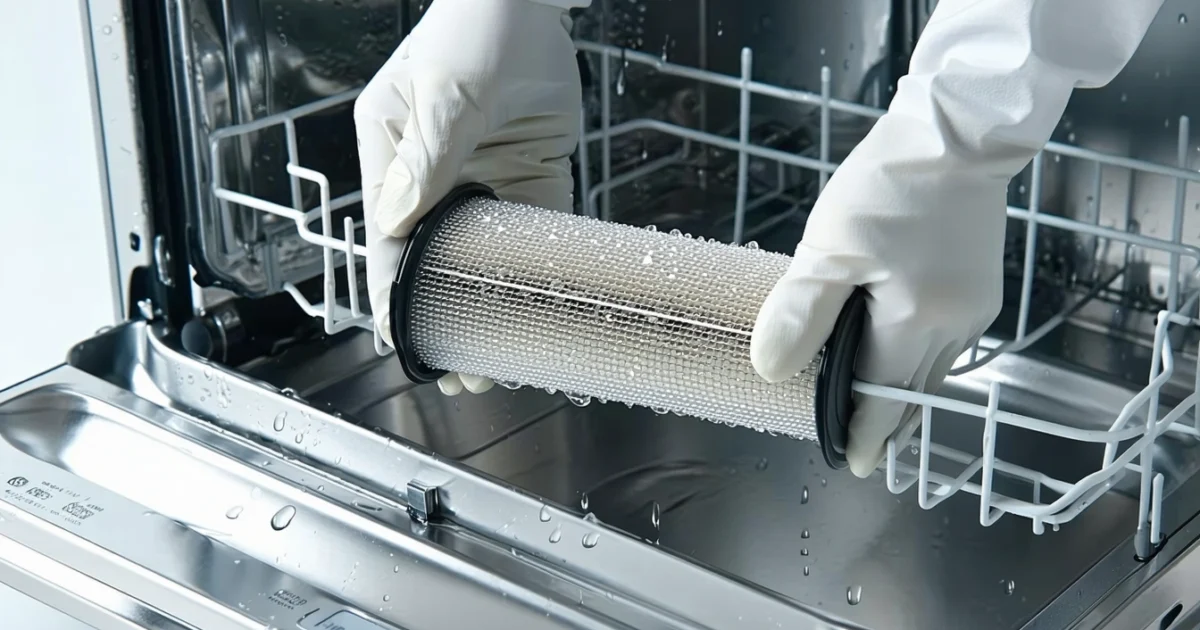
Cylindrical filters represent the most prevalent design, featuring a twist-lock mechanism that allows easy removal and installation. These filters typically measure 4-6 inches in diameter and contain fine mesh screens that trap food particles and debris during wash cycles.
Mesh screen filters appear as flat, perforated discs that sit flush with the dishwasher floor. Meanwhile, multi-part filter systems combine coarse and fine filtration components, with upper assemblies capturing large debris while lower screens trap smaller particles.
- Single cylindrical filters: One-piece units with integrated mesh screens
- Two-part assemblies: Separate coarse and fine filter components
- Three-piece systems: Upper assembly, cylindrical filter, and base plate
- Flat mesh filters: Disc-shaped screens in older models
Identifying Your Filter Design
Examine the filter housing carefully to determine the removal method required. Most modern filters feature quarter-turn locks with arrows indicating the unlock direction, typically marked with “UNLOCK” or directional symbols on the filter cap.
Look for manufacturer markings or model numbers printed on the filter assembly, as these details help identify replacement parts when needed. Additionally, note whether your filter system includes multiple components that must be removed in a specific sequence to avoid damage.
Some filters incorporate spring-loaded mechanisms that require gentle downward pressure before turning, while others simply lift out without any twisting motion. Therefore, always consult your dishwasher manual or manufacturer’s website for model-specific instructions before attempting filter removal.
Similar to maintaining other kitchen appliances, proper dishwasher filter care requires understanding your specific equipment design. Just as cleaning vacuum filters demands attention to component details, dishwasher filter maintenance benefits from careful identification and handling procedures.
Step-by-Step Filter Removal Process
Before attempting to remove your dishwasher filter, ensure the appliance is completely switched off and has cooled down for at least 30 minutes after the last wash cycle. Hot water and steam can cause burns, while electrical components pose safety risks during maintenance procedures.
Additionally, disconnect the dishwasher from the mains power supply by unplugging it or switching off the circuit breaker. This precaution prevents accidental activation while your hands are inside the appliance, similar to safety measures required when cleaning an oven or other kitchen equipment.
Accessing the Filter Assembly
Remove the bottom dish rack by sliding it completely out of the dishwasher. Most racks lift straight up and out, though some models require you to press release tabs on the rack slides before removal.
With the bottom rack removed, you’ll have clear access to the dishwasher floor where the filter assembly sits. Look for the cylindrical filter housing located at the bottom centre of the tub, typically beneath the lower spray arm.
Removing the Filter Components
Locate the filter cap with directional arrows or unlock markings. Grasp the cap firmly and turn it anticlockwise approximately one-quarter turn until it stops rotating. The cap should lift away easily once unlocked.
Next, lift out the coarse filter (the outer cylindrical component) by grasping it at the top and pulling straight up. This component captures large food particles and debris during wash cycles.
Remove the fine filter (the inner mesh screen) by lifting it vertically from the filter housing. Handle this delicate component carefully, as the fine mesh can tear if pulled at an angle or subjected to excessive force.
Dealing with Stubborn Filters
If the filter feels stuck, never force it by pulling harder or using tools. Instead, try gently rocking the filter back and forth while applying upward pressure to break any suction or debris buildup.
For filters that won’t budge, pour warm water around the filter housing and wait five minutes. The warmth helps dissolve grease and food residue that may be causing the filter to stick in place.
Sometimes mineral deposits or limescale buildup prevents easy removal. In such cases, apply a small amount of white vinegar around the filter threads and allow it to penetrate for several minutes before attempting removal again.
Once removed, inspect each filter component for damage such as cracks, tears, or bent mesh sections. Damaged filters compromise cleaning performance and require immediate replacement to maintain optimal dishwasher function.
Cleaning the Filter Thoroughly
Begin the cleaning process by rinsing each filter component under warm running water. Hold the filter at a slight angle to allow water to flow through all mesh openings and remove loose food particles effectively. The initial rinse eliminates surface debris and prepares the filter for deeper cleaning.
For stubborn debris that resists water pressure alone, use a soft-bristled brush or clean old toothbrush to gently scrub the filter surfaces. Work the bristles in circular motions across the mesh, paying particular attention to areas where grease and food particles commonly accumulate. Additionally, brush along the filter’s outer rim and internal grooves where debris often becomes trapped.
Heavily soiled filters benefit from soaking in warm soapy water for 10-15 minutes before scrubbing. Fill a large bowl with warm water and add a few drops of washing-up liquid to create a gentle cleaning solution. This soaking process softens hardened grease and makes stubborn residue easier to remove during subsequent cleaning steps.
Clean both the coarse filter and fine filter components separately to ensure thorough debris removal. The coarse filter requires attention to its cylindrical walls and bottom surface, whilst the fine mesh filter needs gentle cleaning to preserve its delicate structure. Furthermore, inspect the filter cap for accumulated grease and food particles that could affect proper sealing.
Avoid using harsh chemicals, bleach, or abrasive materials during the cleaning process. These substances can damage the filter’s mesh structure and reduce its effectiveness over time. Similarly, never use steel wool or scouring pads, as they create scratches that trap debris and compromise filtration performance.
After cleaning, rinse each component thoroughly under running water to remove all soap residue. Hold the filter up to the light to check for remaining debris in the mesh openings. Clean filters should appear bright and allow light to pass through all mesh sections without obstruction.
For filters with persistent odours, create a natural cleaning solution using white vinegar and warm water. Soak the components for five minutes, then scrub gently with a soft brush before rinsing thoroughly. This method effectively neutralises unpleasant smells without damaging the filter materials, similar to techniques used when learning how to clean a stainless steel sink without harsh chemicals.
Reinstalling the Clean Filter
Once your dishwasher filter achieves complete cleanliness, proper reinstallation ensures optimal performance and prevents future blockages. Therefore, inspect the filter components one final time to confirm all debris has been removed from every surface.
Check the cylindrical filter for any remaining food particles or grease deposits around the edges. Additionally, examine the fine mesh sections by holding them up to bright light, ensuring complete transparency through all openings. Any lingering debris will compromise filtration effectiveness and create unpleasant odours during operation.
Proper Filter Alignment and Positioning
Locate the filter housing at the bottom of your dishwasher tub, typically positioned beneath the lower spray arm. Subsequently, identify the alignment markers or grooves that guide proper filter placement within the housing assembly.
Position the coarse filter first, ensuring its cylindrical shape aligns perfectly with the housing opening. Moreover, the filter’s top edge should sit flush with the dishwasher floor, creating a seamless surface that won’t interfere with dish placement or spray arm rotation.
Insert the fine filter component next, pressing it gently into the coarse filter until it seats completely. The fine filter must lie flat against the coarse filter’s bottom surface without gaps or raised edges that could allow unfiltered water to bypass the filtration system.
Securing the Filter Assembly
Twist the cylindrical filter clockwise until it locks securely into position, typically requiring a quarter to half turn depending on your dishwasher model. Furthermore, apply firm pressure whilst turning to ensure the filter engages properly with the locking mechanism.
Listen for a distinct clicking sound that indicates successful engagement of the locking tabs. However, avoid over-tightening the filter, as excessive force can damage the plastic threads or create stress fractures in the housing assembly.
Test the filter’s security by gently attempting to lift it from the housing. A properly installed filter remains completely stationary and shows no movement when subjected to light upward pressure.
Replacing the Bottom Rack
Slide the bottom dish rack back into the dishwasher, ensuring it glides smoothly along the track system without resistance. Consequently, check that the rack sits level and doesn’t tilt or bind during movement, which could indicate improper filter installation.
Verify the spray arm rotates freely beneath the rack by spinning it manually. Additionally, confirm adequate clearance exists between the spray arm and any dishes or utensils placed in the bottom rack, preventing interference during wash cycles.
Push the rack fully into the dishwasher until it reaches its designated stopping point. The rack should align properly with the door seals and create no gaps that could allow water to escape during operation, similar to ensuring proper sealing when learning how to clean double glazed windows effectively.
Running a Test Cycle
Execute a short rinse cycle without dishes to verify proper filter installation and system functionality. Meanwhile, monitor the dishwasher during the initial minutes of operation to detect any unusual noises or water leakage around the filter area.
Observe the water drainage at the cycle’s conclusion, ensuring complete evacuation from the dishwasher tub. Poor drainage often indicates filter misalignment or incomplete installation that requires immediate correction.
Check for proper spray arm rotation by opening the dishwasher mid-cycle and visually confirming the arms spin freely. Finally, inspect the filter area after the test cycle to ensure no debris has accumulated, confirming successful installation and optimal cleaning performance for future wash cycles.
Maintenance Schedule and Best Practices
Establishing a proper maintenance routine ensures optimal dishwasher filter performance and extends appliance lifespan. Furthermore, consistent care prevents costly repairs and maintains hygienic washing conditions for your dishes and cutlery.
Recommended Cleaning Frequency
Monthly cleaning represents the ideal frequency for households with regular dishwasher use, typically running 4-6 cycles per week. However, usage patterns significantly influence the cleaning schedule, requiring adjustments based on your specific circumstances.
| Usage Level | Cleaning Frequency | Household Size |
|---|---|---|
| Light (1-3 cycles/week) | Every 6-8 weeks | 1-2 people |
| Regular (4-6 cycles/week) | Monthly | 3-4 people |
| Heavy (7+ cycles/week) | Every 2-3 weeks | 5+ people |
Consequently, busy families or households that entertain frequently should clean filters more often than single-person homes. Additionally, consider seasonal variations when holiday cooking increases dishwasher usage substantially.
Pre-Rinsing Best Practices
Pre-rinsing dishes reduces filter load significantly, though modern dishwashers handle most food particles effectively. Nevertheless, removing large debris prevents filter clogging and maintains optimal water circulation throughout the wash cycle.
- Scrape plates thoroughly before loading
- Remove sticky substances like melted cheese or dried sauces
- Rinse heavily soiled pots and pans briefly
- Avoid excessive pre-rinsing that wastes water unnecessarily
Moreover, strategic pre-rinsing extends filter life while maintaining washing efficiency. Similarly, proper preparation prevents the need for frequent intensive cleaning sessions, much like maintaining other appliances through regular care routines.
Signs Requiring More Frequent Cleaning
Several indicators suggest your dishwasher filter needs cleaning before the scheduled maintenance period. Therefore, monitoring these warning signs prevents performance degradation and potential appliance damage.
- Visible food particles on clean dishes after wash cycles
- Unpleasant odours emanating from the dishwasher interior
- Standing water remaining in the bottom after cycles complete
- Reduced spray arm pressure during operation
- Greasy film coating dishes and glassware
- Extended cycle times without improved cleaning results
Furthermore, seasonal factors like increased cooking during holidays create additional filter stress. Consequently, adjust your cleaning frequency during these periods to maintain optimal performance levels consistently.
Filter Replacement Considerations
Filter replacement becomes necessary when cleaning fails to restore proper function or visible damage occurs. Meanwhile, most dishwasher filters last 2-5 years with proper maintenance, though replacement timing depends on usage intensity and water quality.
Replace filters immediately when cracks, tears, or warping develop in the mesh material. Additionally, persistent odours or poor cleaning performance despite thorough cleaning indicates filter deterioration requiring replacement.
Hard water areas may require filter replacement every 18-24 months due to mineral buildup
Additional Dishwasher Maintenance Tips
Comprehensive dishwasher maintenance extends beyond filter care, encompassing various components that ensure optimal performance. Therefore, implementing these additional practices maximises appliance efficiency and longevity significantly.
- Clean spray arms monthly by removing and soaking in warm soapy water
- Wipe door seals regularly to prevent mould and odour buildup
- Run empty cycles with dishwasher cleaner quarterly
- Check and clean the drain hose annually for blockages
- Inspect door hinges and adjust if necessary
Moreover, maintaining proper water temperature at 120°F (49°C) optimises cleaning effectiveness while protecting filter integrity. Similarly, using quality dishwasher detergent prevents residue buildup that could compromise filter performance, just as proper maintenance techniques apply when learning how to clean an oven effectively.
Finally, scheduling professional maintenance every 12-18 months identifies potential issues before they become costly repairs. This proactive approach ensures your dishwasher continues operating efficiently while maintaining the hygiene standards essential for clean dishes and utensils.
Frequently Asked Questions
How often should I clean my dishwasher filter?
You should clean your dishwasher filter monthly for optimal performance. However, if you frequently wash heavily soiled dishes or notice any warning signs like poor cleaning results or unpleasant odours, you may need to clean it more frequently. Households that use their dishwasher daily might benefit from cleaning the filter every 2-3 weeks.
Where is the dishwasher filter located?
The dishwasher filter is typically located at the bottom of the dishwasher, beneath the bottom dish rack. Look for a cylindrical or circular component that can be twisted or lifted out. You’ll need to remove the bottom rack first to access it properly. Some models have the filter near the spray arm at the bottom of the tub.
Can I put my dishwasher filter in the dishwasher to clean it?
No, you should never put the dishwasher filter through a dishwasher cycle. The high temperatures and harsh detergents can damage the filter material and reduce its effectiveness. Instead, clean it manually with warm water and a soft brush, which allows you to remove debris more thoroughly and inspect the filter for any damage.
What happens if I don't clean my dishwasher filter regularly?
Neglecting filter maintenance leads to several problems:
- Poor cleaning performance – dishes come out dirty or with food particles
- Unpleasant odours – musty or sewage-like smells from trapped debris
- Higher energy costs – motor works harder due to restricted water flow
- Potential damage – clogged filters can strain internal components
- Standing water – water may remain in the bottom after cycles
How do I know if my dishwasher filter is damaged and needs replacing?
Inspect your filter for cracks, tears, or warping in the mesh or plastic components. If the filter material appears brittle, has holes, or doesn’t fit securely when reinstalled, it needs replacement. Additionally, if cleaning doesn’t resolve persistent odours or poor performance, the filter may be beyond repair and require replacement.
Is it safe to run my dishwasher without the filter?
Never run your dishwasher without the filter installed. The filter prevents food debris and particles from entering the pump and spray arms, which could cause serious damage to internal components. Running without a filter can lead to clogs, motor damage, and costly repairs that far exceed the price of proper maintenance.
What's the best way to remove stubborn grease and debris from the filter?
For stubborn buildup, soak the filter in warm soapy water for 10-15 minutes before scrubbing with a soft brush. You can use washing-up liquid or a mild degreasing agent. For particularly tough grease, create a paste with baking soda and water, apply it to the filter, let it sit for a few minutes, then scrub gently. Always rinse thoroughly before reinstalling.
Should I turn off the power before cleaning the dishwasher filter?
Yes, always ensure the dishwasher is turned off and has cooled down before attempting to remove the filter. This prevents any risk of injury from hot water or moving parts. Wait at least 30 minutes after the last cycle before accessing the filter area to avoid burns from residual heat.
You May Also Like
How to Clean Glass Stovetop: Complete UK Guide 2026
How to Clean Dryer Vent: Complete UK Guide for 2026