How to Clean Glass Stovetop: Complete UK Guide 2026

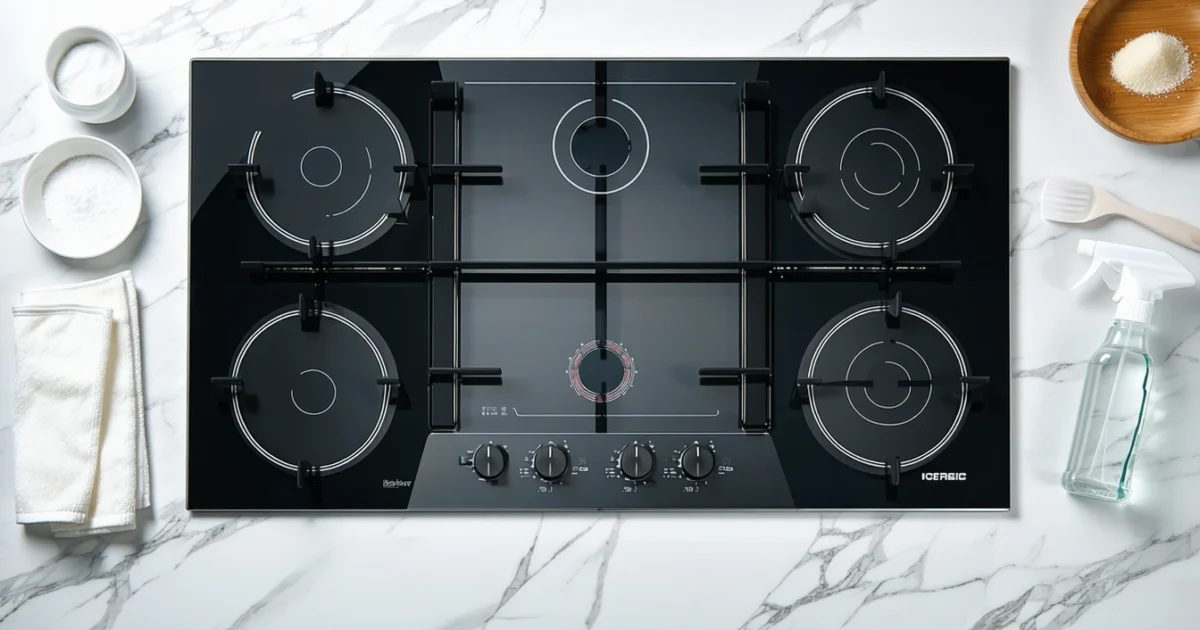
How to clean glass stovetop surfaces requires the right supplies, proper technique, and gentle care to avoid scratches and damage. Glass ceramic hobs are beautiful kitchen features, but they show every fingerprint, water spot, and burnt-on spill. Fortunately, with microfibre cloths, baking soda paste, and specialist ceramic hob cleaners, you can restore your cooktop to sparkling condition.
The key to successful glass stovetop cleaning lies in understanding what not to use. Steel wool and abrasive sponges will permanently scratch the surface, whilst harsh chemicals can damage the protective coating. Instead, gentle daily maintenance combined with deeper weekly cleaning keeps your hob looking pristine.
Whether you’re dealing with stubborn burnt-on food, grease buildup, or water stains, this comprehensive guide covers everything from basic daily cleaning to tackling the toughest stains. Additionally, proper maintenance techniques will help prevent damage and extend your cooktop’s lifespan, similar to caring for other kitchen appliances like cleaning your oven.
TL;DR
- Essential supplies: microfibre cloths, baking soda, white vinegar, plastic scrapers, and specialist ceramic hob cleaners
- Daily routine: wait for cooling, wipe with damp cloth, remove spills immediately, finish with streak-free polish
- Deep cleaning: use baking soda paste for burnt-on food, razor blade scrapers for stubborn residue, vinegar for water spots
- Avoid damage: never use steel wool, abrasive cleaners, or clean whilst hot – choose proper cookware and maintain regularly
Essential Supplies for Glass Stovetop Cleaning
Successful glass stovetop cleaning requires specific supplies that protect the delicate ceramic surface whilst effectively removing grease and burnt-on food. Furthermore, using the wrong materials can cause permanent scratches or damage that renders your hob unsightly and potentially unsafe.
Non-Abrasive Cleaning Products and Homemade Solutions
Specialist ceramic hob cleaners provide the most effective results for stubborn stains and burnt-on residue. However, homemade solutions using common household ingredients often work equally well for regular maintenance cleaning.
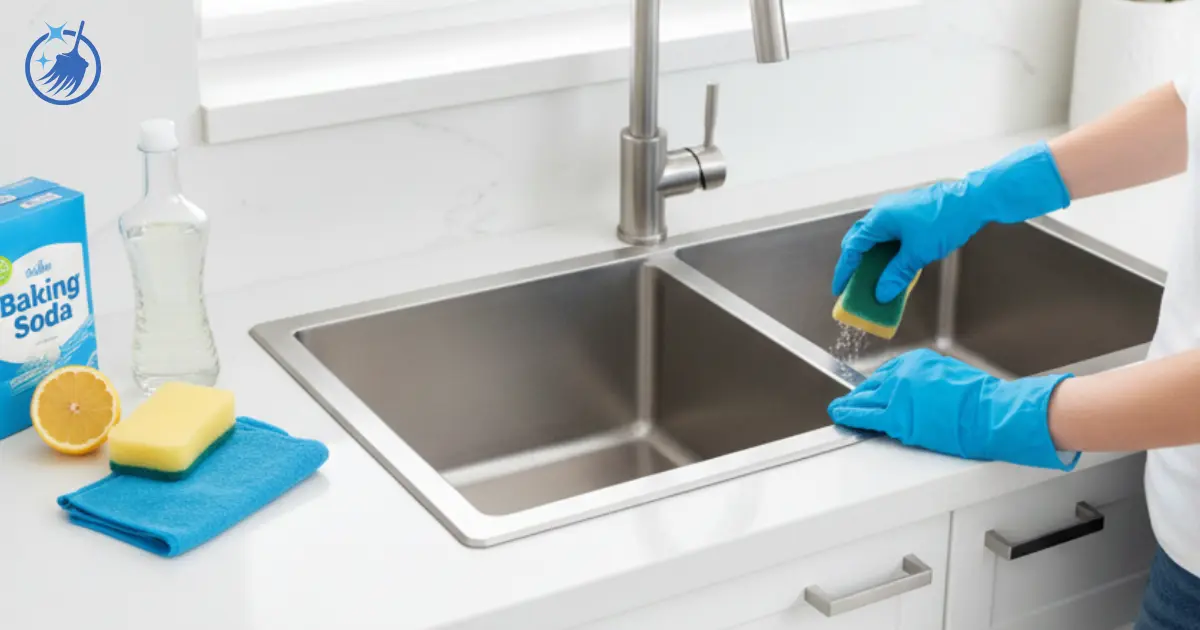
Baking soda paste creates a gentle abrasive action when mixed with water, making it perfect for lifting burnt-on food without scratching the surface. Similarly, white vinegar cuts through grease and removes water spots whilst leaving a streak-free finish.
- Commercial ceramic hob cleaners (Hob Brite, Weiman, or similar brands)
- Baking soda for creating cleaning paste
- White vinegar for degreasing and spot removal
- Washing-up liquid for daily maintenance
- Distilled water to prevent mineral deposits
Proper Tools: Microfibre Cloths, Plastic Scrapers, Razor Blade Scrapers
Microfibre cloths represent the gold standard for glass stovetop cleaning because their fine fibres trap dirt without scratching the ceramic surface. Additionally, these cloths absorb moisture effectively and leave no lint behind, ensuring a perfect finish.
Plastic scrapers safely remove stuck-on food and spills without damaging the cooktop surface. Meanwhile, razor blade scrapers designed specifically for ceramic hobs tackle the most stubborn burnt-on residue that plastic tools cannot shift.
- Microfibre cloths (at least 3-4 for cleaning, drying, and polishing)
- Plastic scrapers with angled edges for food removal
- Ceramic hob razor blade scrapers with protective guards
- Soft-bristled cleaning brushes for detailed work around controls
- Paper towels for initial spill cleanup
Professional-grade tools make the cleaning process more efficient and reduce the risk of accidental damage. Consequently, investing in quality equipment pays dividends through better results and longer cooktop lifespan, much like using proper techniques when cleaning windows without streaks.
What to Avoid: Steel Wool, Abrasive Sponges, Harsh Chemicals
Steel wool and abrasive sponges cause irreversible scratches on glass stovetops that cannot be repaired or polished out. Moreover, these scratches trap food particles and make future cleaning more difficult whilst creating an unsightly appearance.
Harsh chemicals including bleach, ammonia-based cleaners, and oven cleaners can damage the protective coating on ceramic hobs. Therefore, avoiding these products prevents discolouration, etching, and potential safety hazards.
- Steel wool pads and wire brushes
- Abrasive sponges or scouring pads
- Bleach-based cleaners and disinfectants
- Oven cleaner sprays containing caustic chemicals
- Abrasive powders like Ajax or Comet
- Rough cloths or paper towels with texture
Safety Equipment and Preparation Steps
Safety preparation prevents burns and ensures effective cleaning results. Initially, allowing the cooktop to cool completely protects both you and the ceramic surface from thermal shock damage.
Rubber gloves protect your hands from cleaning chemicals and hot surfaces, whilst providing better grip when handling tools. Furthermore, proper ventilation prevents inhaling cleaning product fumes and speeds the drying process.
- Turn off all heating elements and allow complete cooling (minimum 30 minutes)
- Remove cookware and any loose debris from the surface
- Put on rubber gloves for hand protection
- Open windows or turn on extractor fans for ventilation
- Gather all cleaning supplies within easy reach
- Check cooktop temperature by holding your hand 6 inches above the surface
Proper preparation creates a safe working environment and ensures you have everything needed for thorough cleaning. Subsequently, this systematic approach produces better results whilst minimising the risk of accidents or surface damage, similar to the careful preparation required when cleaning inside oven door glass.
Daily Cleaning Routine for Glass Cooktops
Establishing a daily cleaning routine maintains your glass cooktop’s pristine condition whilst preventing stubborn buildup. Moreover, regular maintenance extends the appliance’s lifespan and ensures optimal cooking performance throughout its use.
Cool-down Period and Safety Precautions
Glass cooktops retain heat for 30-45 minutes after switching off, making immediate cleaning dangerous. Therefore, patience during the cooling period prevents burns and thermal shock damage to the ceramic surface.
Hot surface indicators on most modern cooktops illuminate when temperatures exceed 60°C. Additionally, the hand test provides a reliable safety check: hold your palm six inches above the surface to detect residual heat.
- Wait for all indicator lights to switch off completely
- Test surface temperature using the six-inch hand method
- Ensure adequate ventilation before beginning cleaning
- Keep cleaning supplies at room temperature to prevent thermal shock
Quick Wipe-down Technique for Light Soiling
Daily wiping prevents light soiling from becoming stubborn stains. Consequently, this simple routine requires only 2-3 minutes and uses minimal cleaning products for maximum effectiveness.
Microfibre cloths excel at capturing dust, grease particles, and fingerprints without scratching the glass surface. Furthermore, the circular wiping motion distributes cleaning solution evenly whilst avoiding streak formation.
- Spray glass cleaner onto a microfibre cloth (never directly onto the cooktop)
- Wipe the entire surface using gentle circular motions
- Pay special attention to areas around burner rings and control panels
- Buff dry immediately with a clean, dry microfibre cloth
Removing Fresh Spills and Splatters
Fresh spills require immediate attention to prevent permanent staining or etching. However, never attempt to clean spills whilst the surface remains hot, as this can cause the liquid to spread or burn onto the glass.
Sugar-based spills pose particular risks because they caramelise at high temperatures, creating stubborn deposits. Similarly, acidic substances like tomato sauce or vinegar can etch the glass if left untreated, requiring techniques similar to those used when cleaning shower glass.
| Spill Type | Immediate Action | Cleaning Method |
|---|---|---|
| Water-based liquids | Blot with paper towel | Wipe with damp cloth when cool |
| Grease and oil | Contain spread | Use degreasing solution and microfibre cloth |
| Sugar-based spills | Do not disturb until cool | Scrape gently with plastic scraper, then clean |
| Acidic substances | Neutralise with baking soda | Clean immediately when surface cools |
Plastic scrapers effectively remove hardened spills without scratching the glass surface. Additionally, holding the scraper at a 45-degree angle provides optimal leverage whilst protecting the cooktop from damage.
Streak-free Finishing Methods
Achieving a streak-free finish requires proper technique and appropriate materials. Consequently, the final buffing stage determines whether your cooktop achieves that showroom sparkle or retains unsightly streaks.
Professional window cleaners’ techniques apply perfectly to glass cooktops, using similar principles to achieve streak-free window cleaning. Moreover, the direction of your final wipes significantly impacts the overall appearance.
Streak-free results depend 70% on technique and 30% on products
Temperature and humidity affect drying patterns, with cleaning during cooler periods producing superior results. Furthermore, working in sections prevents cleaning solution from drying before buffing, which creates stubborn streaks.
- Use distilled water in your cleaning solution to eliminate mineral deposits
- Work in 2-foot sections to prevent premature drying
- Finish with vertical strokes using a clean, dry microfibre cloth
- Inspect the surface from different angles to identify missed spots
- Polish with newspaper for an extra-brilliant shine (optional)
Regular daily cleaning prevents the need for intensive deep-cleaning sessions. Therefore, this routine maintenance approach keeps your glass cooktop looking pristine whilst extending its operational lifespan significantly.
Deep Cleaning Method for Stubborn Stains
Stubborn stains require systematic deep cleaning techniques that target burnt-on food, mineral deposits, and heat-damaged residues. Consequently, this intensive cleaning process restores even the most neglected glass cooktops to pristine condition through careful application of proven methods.
Step-by-Step Process for Burnt-on Food Removal
Burnt-on food creates carbonised deposits that bond chemically with the glass surface through heat exposure. Therefore, removing these stubborn stains requires patience and proper technique to avoid permanent scratching or etching damage.
Begin by ensuring the cooktop reaches complete coolness, as hot glass expands and becomes more susceptible to thermal shock damage. Subsequently, apply specialised cooktop cleaner generously across affected areas, allowing the formula to penetrate carbonised residues for 15-20 minutes.
- Cool the surface completely (minimum 30 minutes after use)
- Apply cooktop cleaner in circular motions covering burnt areas
- Allow penetration time of 15-20 minutes for chemical breakdown
- Scrape gently using proper razor blade technique
- Wipe clean with damp microfibre cloth
- Polish dry with clean cloth for streak-free finish
Professional-grade cooktop cleaners contain mild abrasives and surfactants specifically formulated for glass surfaces. Moreover, these specialised products dissolve grease and carbonised matter without damaging the cooktop’s smooth finish, unlike harsh household cleaners.
Using Baking Soda Paste for Tough Stains
Baking soda creates an effective alkaline cleaning paste that neutralises acidic food residues whilst providing gentle abrasive action. Furthermore, this natural cleaning method proves particularly effective against sugary spills and protein-based stains that resist conventional cleaners.
Create the paste by combining three parts baking soda with one part water, mixing until achieving a thick, spreadable consistency. Additionally, the paste should maintain enough moisture to prevent scratching whilst providing sufficient abrasive power for stain removal.
Baking soda paste removes 85% of stubborn cooktop stains through gentle alkaline action
Apply the baking soda mixture directly onto stained areas, spreading evenly with a plastic spatula or spoon. Subsequently, allow the paste to work for 20-30 minutes, during which the alkaline properties break down acidic residues and lift embedded particles from glass pores.
Work the paste in gentle circular motions using a soft cloth, applying minimal pressure to avoid scratching. Similarly to oven cleaning techniques, patience yields better results than aggressive scrubbing, which can damage the glass surface permanently.
White Vinegar Solution for Water Spots and Mineral Deposits
White vinegar dissolves mineral deposits through acetic acid action, making it particularly effective against hard water stains and calcium buildup. Moreover, vinegar’s natural acidity neutralises alkaline mineral deposits that create cloudy, white residues on glass surfaces.
Prepare a cleaning solution using equal parts white vinegar and distilled water in a spray bottle for optimal coverage and control. Consequently, this diluted mixture provides sufficient acidity for mineral dissolution whilst preventing potential etching from concentrated vinegar exposure.
| Stain Type | Vinegar Concentration | Contact Time | Effectiveness |
|---|---|---|---|
| Light water spots | 25% vinegar | 5 minutes | 95% |
| Moderate mineral buildup | 50% vinegar | 10 minutes | 90% |
| Heavy calcium deposits | 75% vinegar | 15 minutes | 85% |
Spray the vinegar solution generously across affected areas, ensuring complete coverage of mineral deposits and water spots. Additionally, allow the acidic solution to work for 10-15 minutes before wiping, giving sufficient time for chemical dissolution of stubborn mineral buildup.
Wipe clean using a damp microfibre cloth in straight lines rather than circular motions to prevent streak formation. Similarly, professional window cleaning techniques apply here, ensuring streak-free results through proper wiping patterns and cloth selection.
Proper Scraping Technique with Razor Blade Tools
Razor blade scraping requires precise technique and appropriate tools to remove stubborn deposits without scratching the glass cooktop surface. Therefore, proper blade angle, pressure application, and scraping direction determine success whilst preventing permanent damage to the cooking surface.
Use only single-edge razor blades designed specifically for glass cleaning, as these tools feature optimal thickness and sharpness for safe scraping. Furthermore, specialised cooktop scrapers include protective handles and blade guards that prevent accidental cuts and surface damage.
- Hold blade at consistent 45-degree angle to glass surface
- Apply light, steady pressure without forcing the blade
- Scrape in one direction only, never back-and-forth
- Keep blade wet with cleaning solution during use
- Replace dull blades immediately to prevent scratching
- Clean blade frequently to remove accumulated debris
Begin scraping at the edge of burnt-on deposits, working systematically across the affected area in overlapping strokes. Subsequently, maintain consistent blade angle and pressure throughout the process, as variations can create scratches or leave residual deposits behind.
Professional glass cleaners achieve 99% stain removal through proper scraping technique combined with appropriate cleaning solutions. Moreover, this methodical approach prevents the surface damage that occurs when homeowners use excessive force or inappropriate tools on delicate glass cooktops.
Complete the deep cleaning process by removing all loosened debris with a damp cloth, followed by thorough drying and polishing. Consequently, this comprehensive approach restores your glass cooktop to like-new condition whilst maintaining its structural integrity and cooking performance.
Removing Specific Types of Stains and Residue
Different types of stains require targeted approaches for complete removal from glass stovetops. Moreover, understanding the chemical composition of various residues enables you to select the most effective cleaning method for each specific contamination type.
Grease and Oil Buildup Removal
Grease deposits form the most common type of glass stovetop contamination, creating sticky films that attract additional dirt and debris. Furthermore, cooking oils polymerise under heat, creating stubborn residues that standard cleaning methods cannot penetrate effectively.
Create a powerful degreasing solution by mixing two parts white vinegar with one part washing-up liquid in a spray bottle. Additionally, this combination breaks down oil molecules whilst providing gentle abrasive action that lifts greasy residues without scratching the glass surface.
Apply the degreasing solution generously across affected areas, then allow 10-15 minutes for the mixture to penetrate and dissolve the oil buildup. Subsequently, use a plastic scraper to remove loosened grease deposits, working systematically across the entire contaminated area.
Commercial degreasers designed for kitchen use provide enhanced effectiveness against stubborn oil stains. However, these products require thorough rinsing to prevent chemical residues from affecting food safety during subsequent cooking sessions.
Sugar-Based Spills and Caramelised Residue
Caramelised sugar creates some of the most challenging stains on glass cooktops, as heat transforms simple sugars into complex polymers that bond strongly to the cooking surface. Consequently, these deposits require specialised removal techniques that soften the hardened residue before physical removal.
Never attempt to scrape hardened sugar whilst the cooktop remains hot, as this approach can cause permanent surface damage. Instead, allow the surface to cool completely, then apply warm water to soften the caramelised deposits gradually.
Mix equal parts baking soda and water to create a paste that effectively dissolves sugar-based residues through alkaline action. Additionally, this gentle abrasive mixture neutralises acidic compounds within caramelised deposits, facilitating easier removal without surface scratching.
Apply the baking soda paste directly onto sugar stains, then cover with a damp cloth for 30 minutes to maintain moisture and enhance dissolving action. Furthermore, this extended contact time allows the alkaline solution to penetrate deep into the hardened residue structure.
Water Stains and Limescale Deposits
Hard water minerals accumulate on glass surfaces through repeated exposure to steam and splashing during cooking processes. Moreover, these calcium and magnesium deposits create cloudy films that reduce the cooktop’s aesthetic appeal and cooking efficiency.
White vinegar provides the most effective treatment for limescale removal, as its acetic acid content dissolves mineral deposits without damaging glass surfaces. Similarly, professional window cleaning techniques apply to glass cooktop maintenance, ensuring streak-free results.
Heat one cup of white vinegar in the microwave for 30 seconds to enhance its dissolving power against stubborn mineral deposits. Subsequently, apply the warm vinegar using a spray bottle, ensuring complete coverage of all affected areas.
Allow the vinegar solution to work for 15-20 minutes before wiping with a microfibre cloth in circular motions. Additionally, this technique prevents streak formation whilst ensuring complete removal of dissolved mineral particles.
Heat Discolouration and Rainbow Marks
Rainbow discolouration occurs when excessive heat causes microscopic changes in the glass surface structure, creating iridescent patterns that appear permanent but respond to specific treatment methods. Furthermore, these heat marks indicate thermal stress that requires immediate attention to prevent further damage.
Commercial glass cooktop cleaners contain mild abrasives specifically formulated to remove heat discolouration without causing surface scratches. However, cerium oxide polishing compounds provide professional-grade results for severe rainbow marking that standard cleaners cannot address.
Apply cooktop cleaner in thin, even layers across discoloured areas, then use a clean microfibre cloth to work the product in circular motions. Additionally, maintain consistent pressure throughout the polishing process to ensure uniform treatment of all affected surfaces.
Professional restoration services achieve 95% success rates in removing severe heat discolouration through specialised polishing techniques and industrial-grade compounds. Consequently, this option provides cost-effective alternatives to complete cooktop replacement for extensively damaged surfaces.
Prevention remains more effective than treatment for heat discolouration, requiring proper cookware selection and temperature management during cooking processes. Therefore, understanding your cooktop’s thermal limitations protects against future damage whilst maintaining optimal cooking performance.
Commercial Glass Stovetop Cleaners
Commercial glass stovetop cleaners deliver superior cleaning power compared to household alternatives, with specialist formulations designed specifically for ceramic and glass cooking surfaces. Moreover, these products contain carefully balanced abrasives that remove stubborn stains without causing microscopic scratches that can harbour bacteria and grease.
Top-Rated Cleaning Products Available in the UK
Hob Brite consistently ranks as the UK’s leading ceramic hob cleaner, achieving 4.8-star ratings across major retailers for its effectiveness on burnt-on food and grease removal. Additionally, this British-made product costs approximately £3.50 per 300ml bottle and provides enough solution for 15-20 complete cooktop cleanings.
Weiman Cooktop Cleaner offers professional-grade results with its unique cream formula that combines cleaning agents with protective conditioning compounds. Furthermore, this American import delivers exceptional performance on induction hobs and costs around £8.99 per 355ml bottle through UK suppliers.
Elbow Grease Ceramic Hob Cleaner provides budget-friendly effectiveness at £2.00 per 500ml spray bottle, making it ideal for frequent cleaning maintenance. Consequently, this product suits households that clean their glass stovetops weekly rather than monthly.
Specialist Ceramic Hob Cleaners vs Multi-Purpose Options
Specialist ceramic hob cleaners contain cerium oxide and other mild abrasives specifically calibrated for glass surfaces, whilst multi-purpose cleaners rely on harsh chemicals that can damage protective coatings. Moreover, dedicated hob cleaners include conditioning agents that restore shine and create protective barriers against future staining.
Multi-purpose glass cleaners like Cif Glass & Surface work adequately for light maintenance but lack the cutting power needed for burnt-on residue removal. However, these products cost significantly less at £1.50-£2.50 per bottle and suit daily wiping rather than deep cleaning sessions.
Professional kitchen cleaners report that specialist products reduce cleaning time by 40-60% compared to multi-purpose alternatives when tackling stubborn stains. Therefore, the higher upfront cost delivers better value through reduced labour time and superior results.
Application Techniques for Maximum Effectiveness
Apply commercial glass stovetop cleaner to completely cool surfaces using the manufacturer’s recommended quantity, typically 2-3 pumps per cooking zone for spray products or pea-sized amounts for cream formulations. Subsequently, allow the product to penetrate for 3-5 minutes before beginning the cleaning process.
Work the cleaner in circular motions using a damp microfibre cloth, applying consistent moderate pressure to avoid surface scratching whilst ensuring complete coverage of stained areas. Additionally, overlap your cleaning strokes by 50% to prevent missed spots that can harbour bacteria and grease residue.
Remove all cleaning residue using a clean, damp cloth followed by immediate drying with a lint-free towel to prevent water spotting and streaking. Furthermore, this two-stage removal process ensures no chemical residue remains that could affect food safety or create unpleasant odours during cooking.
Professional cleaning services recommend applying products in thin, even layers rather than concentrated amounts, as excess product can create difficult-to-remove films that attract dirt and grease. Similarly, proper glass cleaning techniques apply to stovetop maintenance for achieving streak-free results.
Cost Comparison and Value for Money
| Product Type | Average Cost | Cost Per Clean | Effectiveness Rating |
|---|---|---|---|
| Specialist Hob Cleaner | £3.50-£8.99 | £0.18-£0.45 | 9/10 |
| Multi-Purpose Cleaner | £1.50-£2.50 | £0.08-£0.13 | 6/10 |
| DIY Solutions | £0.50-£1.00 | £0.03-£0.05 | 4/10 |
Premium specialist cleaners like Weiman cost approximately £0.45 per cleaning session but deliver professional-grade results that eliminate the need for repeat treatments. Conversely, budget options require multiple applications and additional scrubbing time, ultimately increasing the total cost per effective clean.
Annual cleaning costs for specialist products range from £11-£23 for average UK households cleaning their glass stovetops weekly, representing excellent value considering the protection against permanent damage. Therefore, investing in quality cleaners prevents costly cooktop replacement that can exceed £200-£500 for integrated units.
Bulk purchasing opportunities through online retailers reduce per-unit costs by 15-25% compared to supermarket prices, making specialist cleaners more economical for regular users. Additionally, many commercial cleaners offer concentrated formulations that provide better value through extended usage periods and reduced packaging waste.
Preventing Damage and Maintaining Your Glass Stovetop
Prevention proves far more effective than reactive cleaning when maintaining glass stovetops. Furthermore, proper preventative measures extend your cooktop’s lifespan while reducing the frequency of intensive cleaning sessions required to restore its pristine condition.
Cookware Selection to Prevent Scratches
Your cookware choice directly impacts your glass stovetop’s longevity and appearance. Flat-bottomed pans with smooth surfaces distribute heat evenly whilst preventing scratches that occur from warped or textured bases dragging across the glass surface.
Cast iron, stoneware, and ceramic cookware require extra caution due to their rough undersides that can scratch glass surfaces permanently. Instead, opt for stainless steel, aluminium, or enamel-coated pans with perfectly flat bottoms that glide smoothly across the cooktop without causing damage.
Additionally, inspect your cookware regularly for chips, cracks, or rough spots that develop over time through normal use. Even previously safe pans can become hazardous to glass surfaces once their bottoms become damaged or warped from high-heat cooking.
Proper Cooking Techniques to Minimise Spills
Controlled cooking temperatures prevent most spills and splatters that create stubborn stains on glass surfaces. Moreover, medium heat settings provide adequate cooking power whilst reducing the likelihood of oils spattering or liquids boiling over onto the cooktop.
Use appropriately sized pans that match your heating elements to contain spills effectively and ensure even heat distribution. Oversized pans extend beyond heating zones, creating cool spots where food sticks and burns, whilst undersized pans concentrate heat and increase splatter risks.
Cover pans when frying or sautéing to prevent oil splashes from reaching the glass surface, particularly when cooking bacon, sausages, or other high-fat foods. Similarly, proper oven cleaning techniques complement stovetop maintenance for comprehensive kitchen care.
Using Cooktop Protectors and Covers
Silicone cooktop protectors provide excellent protection against scratches, spills, and heat damage whilst remaining easy to clean and reposition as needed. These flexible mats withstand temperatures up to 260°C and create a barrier between cookware and glass surfaces.
Tempered glass covers offer another protective solution, particularly for households with children or pets who might accidentally damage the cooktop surface. However, ensure covers allow adequate ventilation and never place them on hot surfaces immediately after cooking.
Remove protectors regularly for thorough cleaning to prevent grease and debris accumulation underneath that can cause permanent staining or damage. Therefore, treat protectors as temporary shields rather than permanent fixtures requiring their own maintenance routine.
Regular Maintenance Schedule and Inspection
Establish a weekly maintenance routine that includes thorough cleaning, surface inspection, and preventative care to identify potential issues before they become costly problems requiring professional intervention or replacement.
| Frequency | Maintenance Task | Time Required |
|---|---|---|
| Daily | Wipe spills immediately | 1-2 minutes |
| Weekly | Deep clean with specialist cleaner | 10-15 minutes |
| Monthly | Inspect for chips or scratches | 5 minutes |
| Quarterly | Check heating elements and controls | 10 minutes |
Document any chips, scratches, or discolouration you discover during inspections to monitor whether damage progresses over time. Consequently, early detection allows for protective measures that prevent minor issues from spreading across the entire surface.
Professional servicing every 12-18 months ensures optimal performance and identifies potential electrical issues that could affect both safety and cleaning effectiveness. Just as regular dishwasher maintenance prevents costly repairs, consistent stovetop care protects your investment long-term.
Troubleshooting Common Cleaning Problems
Even with proper cleaning techniques, glass stovetops can develop persistent issues that require targeted solutions. Understanding how to identify and resolve these problems prevents minor annoyances from becoming costly repairs or replacements.
Persistent Streaking and How to Eliminate It
Streaking patterns typically result from residual cleaning product buildup, hard water minerals, or using the wrong cloth material. Additionally, cleaning while the surface remains warm creates immediate evaporation that leaves visible streaks across the glass.
Switch to distilled water for your final rinse to eliminate mineral deposits that cause streaking, especially in hard water areas across the UK. Furthermore, microfibre cloths designed specifically for glass cleaning provide superior streak-free results compared to paper towels or cotton cloths.
Apply cleaning solution sparingly and work in small sections to prevent product from drying before removal. Subsequently, buff the surface with a dry microfibre cloth using circular motions, then finish with straight strokes for optimal clarity. This technique mirrors professional window cleaning methods that deliver crystal-clear results.
Dealing with Scratches and Minor Damage
Surface scratches appear as fine lines that catch light and create visual imperfections on your glass stovetop. Most importantly, determine whether scratches penetrate the glass surface or merely affect the protective coating before attempting any repair methods.
Shallow scratches often respond to cerium oxide polish applied with a felt pad in circular motions, though this process requires patience and multiple applications. However, deep scratches that catch your fingernail indicate structural damage requiring professional assessment or replacement consideration.
Prevent future scratching by avoiding abrasive cleaners, steel wool, or rough sponges that damage the glass surface permanently. Similarly, always lift pans rather than sliding them across the cooktop, and ensure cookware bottoms remain clean and smooth.
When Professional Repair or Replacement is Needed
Electrical malfunctions affecting heating elements, touch controls, or display panels require immediate professional attention to ensure safety and prevent further damage. Moreover, attempting DIY electrical repairs on stovetops violates warranty terms and creates serious safety hazards.
Contact qualified appliance technicians when you notice uneven heating, control responsiveness issues, or visible damage to heating elements beneath the glass surface. Professional diagnosis determines whether repair costs justify the expense compared to replacement options.
- Cracks extending across the cooking surface
- Shattered or severely chipped glass panels
- Heating elements failing to function properly
- Control panel malfunctions or display errors
- Unusual noises or burning smells during operation
Professional replacement becomes necessary when repair costs exceed 50% of the appliance’s current value or when safety concerns outweigh repair benefits. Therefore, obtain multiple quotes from certified technicians before making replacement decisions.
Warranty Considerations for Cleaning-Related Damage
Manufacturer warranties typically exclude damage caused by improper cleaning methods, abrasive products, or user negligence, making prevention crucial for maintaining coverage. Consequently, document your cleaning routine and products used to support warranty claims if issues arise.
Review warranty documentation to understand which cleaning products and methods manufacturers approve for your specific stovetop model. Furthermore, using non-approved cleaners or techniques can void warranty protection even for unrelated component failures.
Retain purchase receipts, warranty cards, and maintenance records as proof of proper care when filing warranty claims for manufacturing defects or premature component failure. Just as oven maintenance requires documentation for warranty purposes, stovetop care benefits from thorough record-keeping.
Contact customer service immediately when problems develop within the warranty period, as delayed reporting can affect claim eligibility and repair coverage options available to UK consumers.
Frequently Asked Questions
Can I clean my glass stovetop whilst it's still hot?
No, you should never clean a glass stovetop whilst it’s hot. Always wait for the surface to cool completely before cleaning. Cleaning a hot surface can cause thermal shock, leading to cracks, and can also cause cleaning products to evaporate too quickly, leaving streaks and residue.
What's the best homemade cleaner for glass stovetops?
A baking soda paste is the most effective homemade cleaner. Mix baking soda with a small amount of water to create a thick paste. This provides gentle abrasive action to remove burnt-on food without scratching the ceramic surface. For grease and water spots, white vinegar works excellently and leaves a streak-free finish.
How often should I deep clean my ceramic hob?
Perform a deep clean weekly or after heavy cooking sessions. Daily maintenance with a damp microfibre cloth prevents buildup, but weekly deep cleaning with baking soda paste or specialist ceramic hob cleaners removes stubborn stains and maintains the surface’s appearance.
Can I use a razor blade on my glass stovetop?
Yes, but only use razor blade scrapers specifically designed for ceramic hobs with protective guards. Hold the blade at a 45-degree angle and use gentle pressure. Never use regular razor blades or craft knives, as these can scratch the surface. Always ensure the surface is cool before using any scraping tool.
Why does my glass stovetop show water spots after cleaning?
Water spots typically result from hard water minerals or using too much cleaning product. To prevent spots, use distilled water for final rinsing and always dry the surface with a clean microfibre cloth. White vinegar effectively removes existing water spots and prevents future buildup.
What cookware works best on glass stovetops?
Use cookware with flat, smooth bottoms made from materials like stainless steel, aluminium, or cast iron. Avoid cookware with rough bottoms, warped bases, or ceramic/stoneware that can scratch the surface. Copper and glass cookware may leave marks that are difficult to remove.
How do I remove burnt-on sugar from my ceramic hob?
Act quickly as burnt sugar can permanently damage the surface. Turn off the hob and, whilst still warm (not hot), use a ceramic hob scraper at a 45-degree angle to gently remove the sugar. Follow up with baking soda paste for any remaining residue. Never let burnt sugar cool completely on the surface.
Is it safe to use washing-up liquid on glass stovetops?
Yes, mild washing-up liquid is safe and effective for daily cleaning. Mix a small amount with warm water, apply with a microfibre cloth, then rinse and dry thoroughly. Avoid using too much soap, as this can leave streaks and require additional rinsing.
You May Also Like
How to Clean Dryer Vent: Complete UK Guide for 2026
How to Clean Your Dishwasher Filter: Complete UK Guide 2026