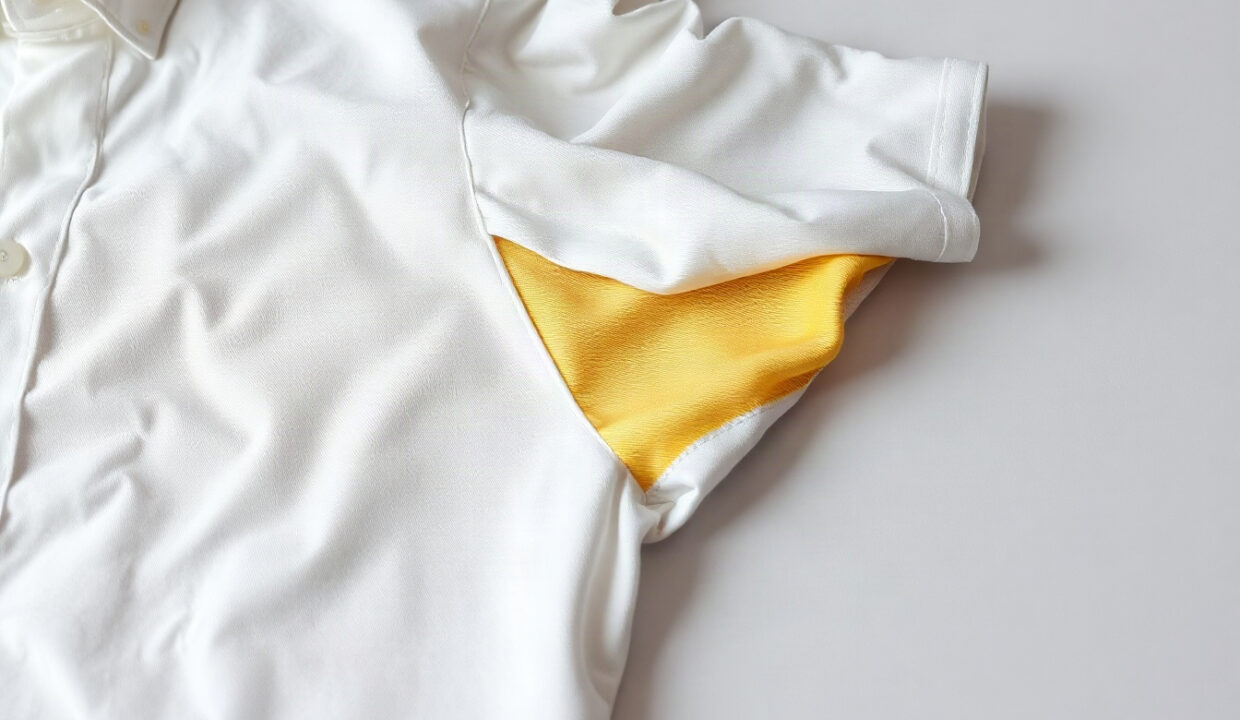
The yellow patches under the arms of a white shirt are commonly blamed on sweat reacting with the aluminium compounds in antiperspirant, with body oils and detergent residue building up in the fibres over many wears. That build-up is why an ordinary wash rarely shifts it. Several methods can, and they differ in effort and in how much risk they carry for your shirt.
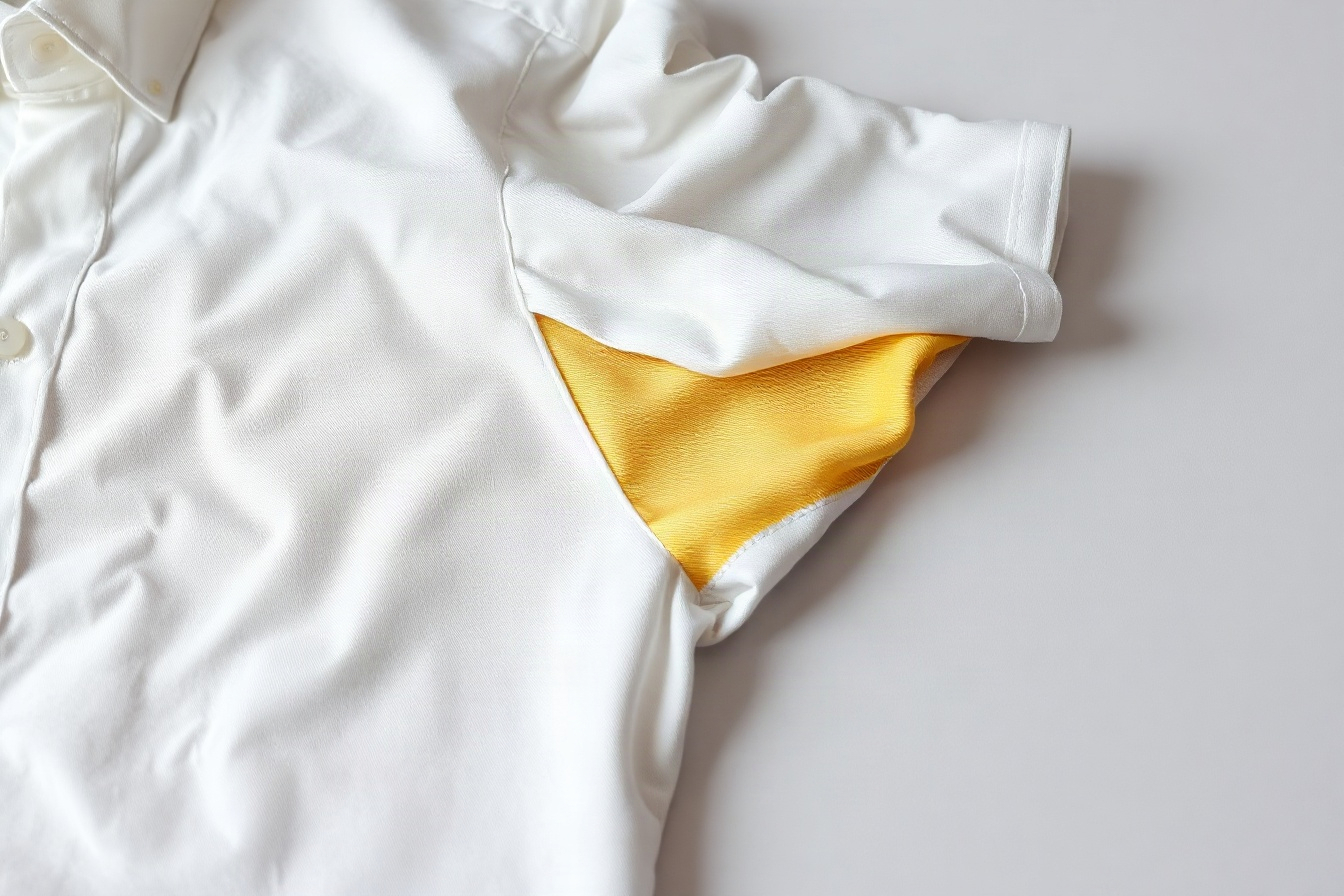
Five ways to treat yellow underarm stains, compared
| Method | Best for | Effort | Risk to the shirt |
|---|---|---|---|
| Bicarbonate of soda paste | Light, recent staining on any washable colour | Low, 30 minute wait | Very low, mildly abrasive if scrubbed hard |
| Oxygen-based stain remover soak (sodium percarbonate) | Older, repeated staining on whites and colourfast fabrics | Low to medium, 1 to several hours as the pack states | Low on whites, test coloureds |
| Hydrogen peroxide (3 percent), used on its own | Stubborn marks on white cotton | Medium, needs a patch test | Can lighten dyes, so white only |
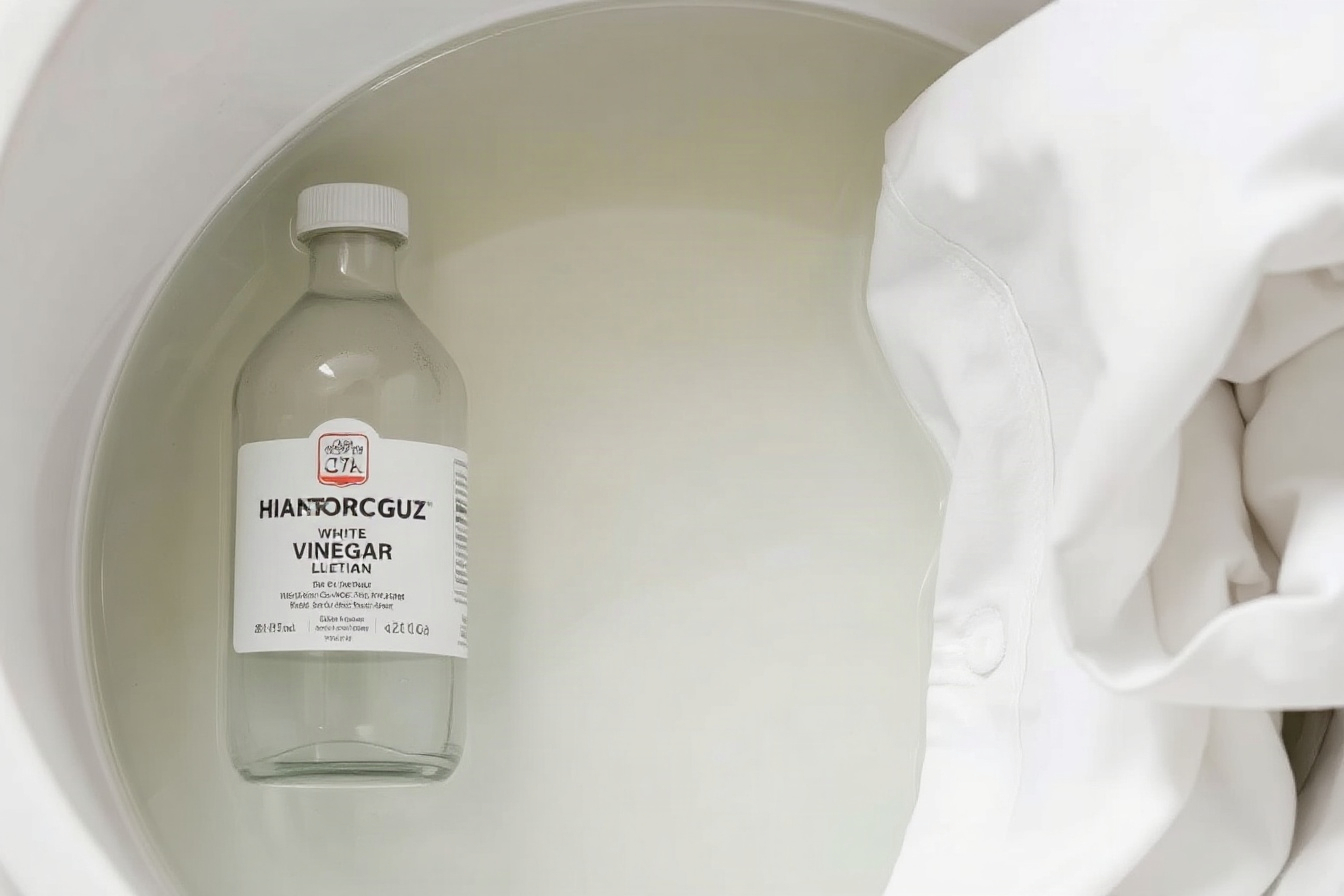
| White vinegar soak, then rinse | Residue build-up and a stale smell | Low, 30 minutes | Low, but avoid on silk and wool |
| Sunlight after treatment | Final lift on white cotton | None, but needs a dry day | Can fade coloureds |
Start at the top of the table and work down only if the mark stays. Do not mix vinegar and hydrogen peroxide in the same container. The combination forms peracetic acid, which can irritate skin, eyes and airways, and it is the reason our list of cleaning products you should never mix includes it. Use them one after the other, with a thorough water rinse in between, if you use both.
Bicarbonate of soda paste, the easy first move
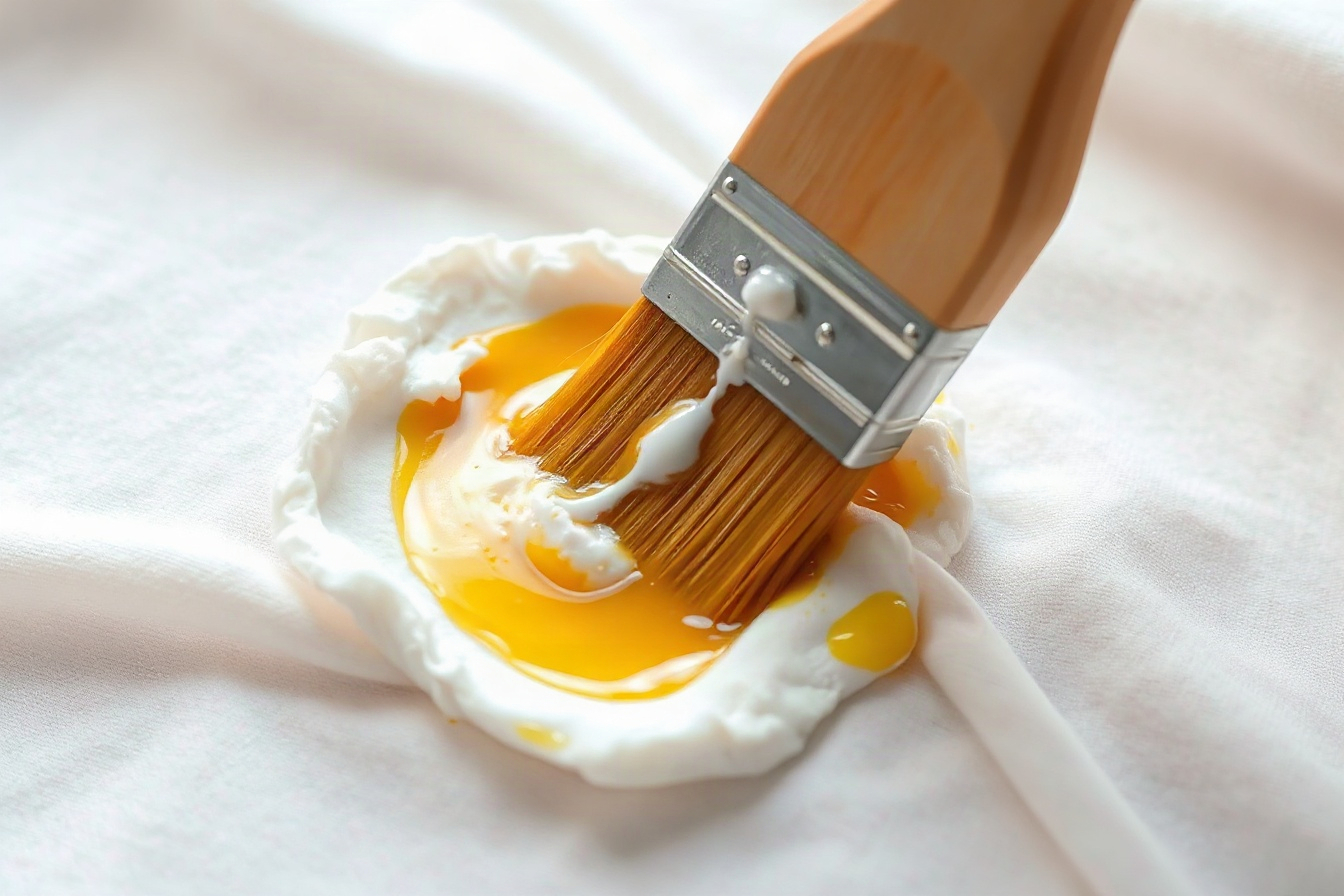
- Mix bicarbonate of soda with a small amount of water to form a thick paste.
- Spread it over the stained area and work it in gently with your fingertips or a soft brush.
- Leave it for about 30 minutes.
- Wash as normal, then check the stain while the shirt is still wet and before it goes anywhere near the dryer.
Check the stain is gone before using the dryer, heat can set any remaining trace of the staining permanently.
Stronger options for set-in marks
For a stain that has been through several washes, step up to an oxygen-based stain remover. Dissolve it in warm water according to the packet, soak the shirt for the time stated, then rinse and wash. Oxygen bleach is gentler than chlorine bleach and generally suited to whites and colourfast items, but check the care label.
If you want to try hydrogen peroxide, buy the 3 percent solution and use it on its own, on white cotton or linen only. Test a hidden seam, apply it to the stain, leave it for around 30 minutes to an hour, then rinse thoroughly and wash. Peroxide loses strength over time, so an old, half-used bottle may do little, as our note on whether cleaning products expire explains. Wear gloves, keep it away from eyes, and never use it on silk or wool.
If the shirt is not pure white, stay with the paste, an oxygen remover labelled colour-safe, and a vinegar soak. Peroxide can lighten some dyes if left on too long. For other stains that need a similar approach, see removing blood stains from clothes, which uses a comparable peroxide method.
Stopping the yellowing before it starts
- Let antiperspirant dry fully before getting dressed. Less wet product transfers to the fabric.
- Wash shirts after every wear so residue does not accumulate across several uses.
- Consider an aluminium-free deodorant if staining keeps coming back. It removes the aluminium factor, though sweat and body oils can still mark white fabric over time.
- Avoid chlorine bleach on yellowed underarms. It can make sweat-related yellowing worse, not better.
- Dry in fresh air and sunlight when you can. It will not rescue a heavily stained shirt, but it gives whites a mild natural lift.
Laundry temperature also matters. Hot washes can set protein-based marks, which sweat partly is, so follow the care label and read our piece on what laundry temperature actually kills germs when deciding between warm and hot.
The stain kit, as a checklist
You will not need all six. Tick off what you already have before buying anything, and note that the links go to Amazon UK searches so you can compare current options. As an Amazon Associate we earn from qualifying purchases.
- ☐ Bicarbonate of soda. Food-grade, from the baking aisle works fine. Keep it dry.
- ☐ Oxygen-based laundry stain remover. Look for sodium percarbonate in the ingredients and a whites and colours version if you wash both.
- ☐ 3 percent hydrogen peroxide. Only for whites. Store it in its opaque bottle and replace it if it has gone flat.
- ☐ White vinegar. Clear, plain white vinegar for the pre-soak, rinsed out afterwards.
- ☐ Soft laundry brush. Soft bristles protect the weave. An old, clean toothbrush does the same job.
- ☐ Aluminium-free deodorant. For prevention. Let it dry before dressing like any other deodorant.
Sweat stain questions
Do oxygen stain removers such as Vanish work on yellow underarms?
They can help, particularly on repeated, older staining, because they release oxygen that lifts discolouration. Use them as the packet directs, and treat the stain before it has been through many hot washes. They are not magic on a mark that has been set by heat for years.
Does lemon juice remove sweat stains?
Lemon juice is mildly acidic and, combined with sunlight, can lighten some marks on white cotton, but it is generally less reliable than the paste or an oxygen soak. It can also weaken or fade some fabrics, so rinse it out and test a hidden area first.
Can sweat stains be removed from a blue or coloured shirt?
Usually, yes, but with gentler methods. Start with the bicarbonate paste and a colour-safe oxygen remover, and test a hidden seam before using anything stronger. Avoid peroxide and any form of bleach unless the label says the fabric can take it.