Limescale remover is not one product. It is a set of different acids in different strengths, and the one that is ideal for the inside of a kettle can be the wrong choice for a chrome tap, an enamel bath or a marble vanity top. This guide is organised by surface, because that is where most of the damage and disappointment comes from.
Our short answer
- Default pick for one bottle: Kilrock Big K Multi-Purpose Descaler. A UK retailer listing for it describes use in kettles, steam irons, toilet pans, shower heads and taps, which is the widest range of any product we found. It is a liquid you pour or soak, not a spray.
- For bathroom surfaces you wipe, such as screens, taps and shower trays: HG Scale Away Foamspray, a foam spray whose label names phosphoric acid.
- For the toilet bowl only: HG Super Powerful Toilet Cleaner Gel, which HG says contains no hydrochloric acid, or Harpic Limescale Remover if you want a hydrochloric acid gel.
As an Amazon Associate we earn from qualifying purchases. This is compiled from published UK reviews, product listings and maker information, not our own lab tests.
Two things matter more than the brand. First, match the acid to the surface: several fitting makers, including Grohe and Hansgrohe, tell you to avoid some descalers on their finishes. Second, never leave any acid on longer than the label says, because the damage people report is usually from time, not from the product itself.
How we chose these products
We have not tested any of these products ourselves, and we do not claim to. This guide is compiled from published UK review round-ups, retailer product pages, safety data and maker care instructions that we read on 14 November 2026. We looked for products that several independent UK sources mention, that are sold in UK shops, and where the label or maker information tells you what surfaces to keep them away from.
A product earned a place if it appeared in at least two independent places: for example Expert Reviews, In the Wash, the Trolley.co.uk supermarket listing, or a UK retailer page. We have left out prices, star ratings and “best seller” claims because we could not verify them, and they change. Where a maker page did not name the active acid, we say so rather than guess.
Wherever we quote maker guidance, it is phrased as of November 2026. Labels and formulations change, so your own bottle and your fitting’s instruction leaflet always win over this page.
Which acid does what: the quick guide
Almost every limescale remover is acid-based. The Expert Reviews round-up makes the same point and adds that higher acid concentrations can damage some materials, such as chrome. The acid on the label tells you more about where to use the product than the name on the front.
| Active acid | Where we saw it | Where it tends to suit | Main caution from the sources |
|---|---|---|---|
| Acetic acid (white vinegar) | Which? and Kenwood both give vinegar methods for kettles | Kettles, with rinsing; mild scale elsewhere | Grohe and Hansgrohe both tell you to avoid acetic acid or vinegar on their fittings. In the Wash advises against vinegar for anything you eat or drink from, so sources disagree: check your kettle manual |
| Citric acid | Which? kettle method; Hansgrohe shower care page | Kettles, shower heads, light to moderate scale, chrome in short soaks | Gentler than most acids but still needs rinsing; PVD and brushed finishes need much shorter contact times |
| Phosphoric acid | HG Scale Away label (Tesco listing) | Bathroom surfaces you spray and wipe: screens, taps, shower trays | HG says not on marble or other natural stone, enamelled baths or some coloured sanitaryware. Hansgrohe allows phosphoric acid cleaners only to a limited extent |
| Hydrochloric acid | Harpic Limescale Remover (9 g per 100 g, Tesco listing) | Toilet bowls | Expert Reviews says hydrochloric toilet cleaners can damage glaze and give off vapours that harm stainless steel or chrome. Corrosive, never mix with bleach |
| Sulphamic acid | Kilrock Power Spray safety data sheet (with citric acid) | Bathroom spray descalers | A UK tap-care guide says gel descalers using hydrochloric or sulphamic acid are not all safe on coated taps |
| Glycolic acid | Named by Expert Reviews for HG’s toilet gel | Toilet bowls, including limescale and uric scale | Toilet bowl only: HG says not for seats or other surfaces |
If you want the science of why limescale forms and how hard your water is, our UK hard water and limescale guide covers it. Here we stay with what to buy and where to use it.
Comparison: five products, what they are for
| Product | Best for | Key detail from maker or listing | Caution |
|---|---|---|---|
| Kilrock Big K Multi-Purpose Descaler | One bottle for kettle, toilet and shower head | Retailer listing: metal or plastic kettles, steam irons, WC pans, shower heads and taps if soaked | Not for enamel, natural stone or other acid-sensitive materials. Acid not named on the pages we read |
| HG Scale Away Foamspray | Screens, taps, shower trays, tiles you wipe | Tesco listing: phosphoric acid, leave no more than 5 minutes, do not let it dry | Not on marble or natural stone, enamel baths or some coloured sanitaryware |
| HG Super Powerful Toilet Cleaner Gel | Toilet bowls with limescale and uric scale | HG UK page: contains no hydrochloric acid, leave 20 to 30 minutes, then brush | Inside the bowl only. Do not mix with other products |
| Harpic Limescale Remover | Heavy toilet scale | Tesco listing: hydrochloric acid, 9 g per 100 g, 10 minutes then brush and flush | Corrosive. Never mix with bleach. Check the label name on your bottle |
| Oust All Purpose Descaler (sachets) | Kettles and small appliances | Expert Reviews lists it for kettles, steam irons, coffee makers and shower heads | Rinse and boil fresh water several times to clear the smell. Acid not stated on pages we could read |
Kettles: the one place you can use food-safe acids
A kettle is the surface where gentle acids make most sense, because you will boil water in it afterwards. Which? describes vinegar, citric acid, lemon juice and shop-bought descaling powders or liquids as the main options. As of November 2026 its page gives 1 to 2 tablespoons of citric acid in a half-full, just-boiled kettle for 15 to 20 minutes, and says shop-bought descalers are slightly stronger, so rinse thoroughly. It names no brands.
Kenwood’s FAQ takes a more cautious line on shop-bought products: some commercial descalers can damage a kettle’s surface finish, so follow the instructions closely. It gives a mix of one part white vinegar to two parts water, which it says to leave in the kettle for a while and then rinse by boiling fresh water twice. For a full method, see our complete kettle cleaning guide.
Kilrock Big K Multi-Purpose Descaler: our default pick
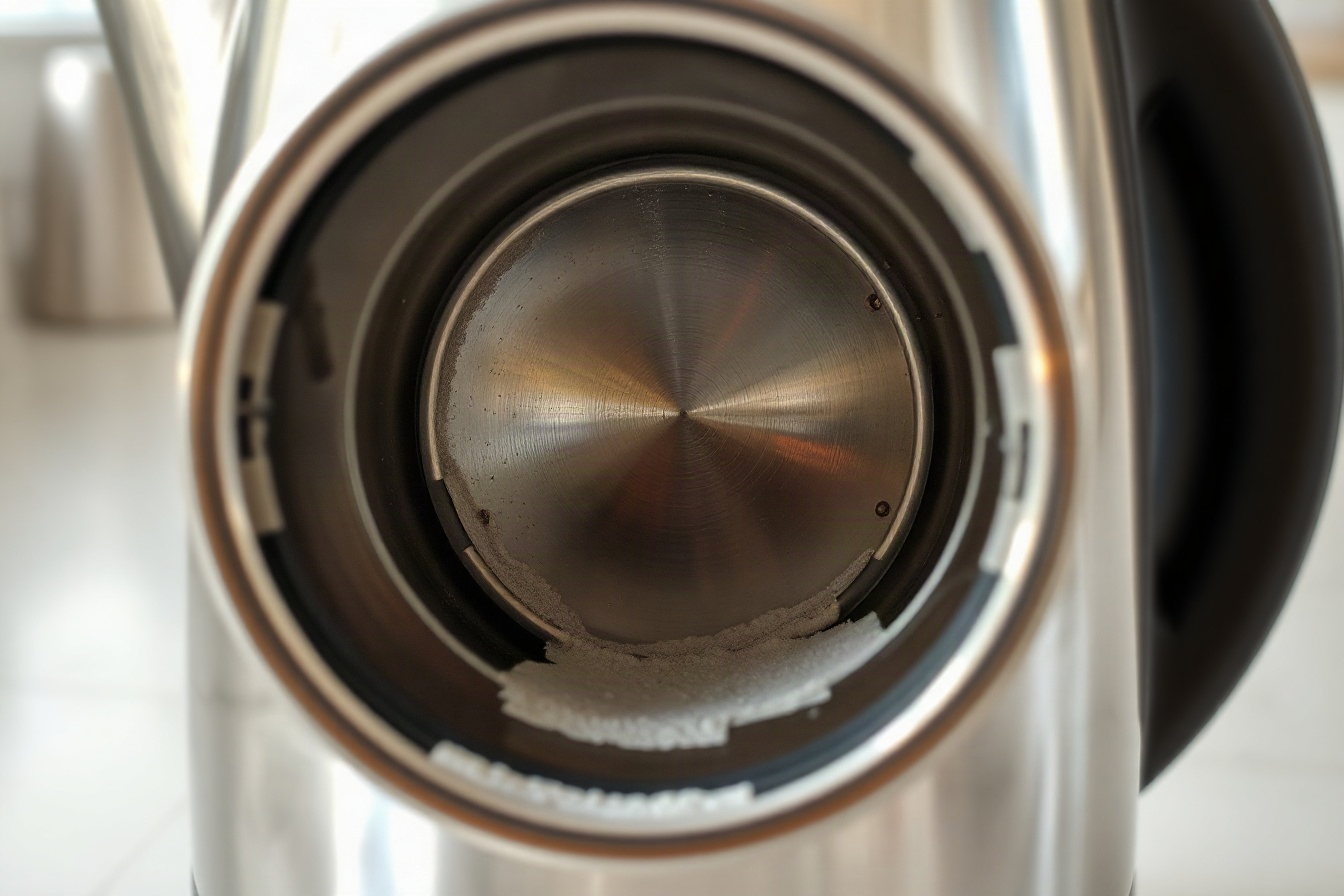
Kilrock Big K appears in the In the Wash round-up (updated 24 October 2026) for kettles, toilets and boilers, and a UK retailer listing describes it as suitable for electric and stovetop kettles, steam irons, toilet pans and urinals, and shower heads and taps if soaked. That retailer listing gives the kettle method as filling just above the element, boiling, switching off, adding 100 ml, leaving 5 to 10 minutes, then rinsing 3 to 4 times. We have not seen the maker state the acid on the pages we read, so treat it as a descaler of undisclosed type.
Who it suits: anyone who wants one bottle for the kettle, the toilet and the occasional shower head soak. Caution: the same listing says not to use it on enamel, natural stone such as marble, or other acid-sensitive materials, and to wear gloves and never mix it with other products.
Check Kilrock Big K on Amazon UK →
Oust All Purpose Descaler: a sachet alternative for small appliances
If you prefer a powder you drop in a just-boiled kettle, Oust All Purpose Descaler is the sachet product Expert Reviews lists for kettles, steam irons, coffee makers and shower heads. Expert Reviews says it works in about 10 minutes and that in kettles you should rinse and boil extra times to remove the smell. Who it suits: people who descale on a monthly cycle and want a pre-measured dose. Caution: the pages we could read did not state the acid, and Which? advises wearing gloves with commercial descalers and reading the instructions.
Shower heads, screens and shower trays
Hansgrohe’s shower care page recommends a mild citric acid cleaner for descaling hand showers: soak the head, rinse inside and out with fresh water, refit the filter screen and test each spray mode. The same page says to avoid hydrochloric, formic and acetic acids and chlorine bleach, and to use phosphoric acid cleaners only to a limited extent. It also says damage from incorrect cleaning is not covered by the warranty. Our shower head descaling guide walks through the steps.
For glass, trays and tiles, a wipe-on foam is easier than a soak. HG Scale Away Foamspray turns up in the In the Wash and Trolley.co.uk lists, and its Tesco listing names phosphoric acid and warns that you should leave it no more than 5 minutes and never let it dry. Our shower glass guide covers streak-free finishing afterwards.
Check HG Scale Away Foamspray on Amazon UK →
Who it suits: hard water homes with scale on screens, trays and taps. Caution: the retailer listing says not to leave it on chrome for long and to rinse thoroughly, and the label says not on marble or other natural stone, some coloured sanitaryware, or enamelled baths, which need HG’s separate diluted concentrate.
Taps: check the finish before the product
Tap finishes are where we found the sharpest disagreement. Grohe’s UK care page says to avoid cleaners containing solvents, acids, limescale removers, vinegar or acetic acid, because they can dull the finish and may void the warranty, and recommends its own GrohClean. A UK tap-care guide takes a more general line: for chrome, 15 to 30 minutes in white vinegar or citric acid, then a soft brush, rinse and dry; for matt black PVD coatings, check after 5 to 10 minutes and skip the scrubbing.
The practical reading: if the tap came with care instructions, follow them. If it did not, use the mildest acid (citric) for the shortest time that works, rinse and dry straight away, and do not use a strong hydrochloric or sulphamic gel on a coated, brushed or unlacquered brass finish.
Toilets: where stronger acids are used, and why that is not always better
Toilet bowls are the main place where shops sell much stronger acid. Harpic Limescale Remover states on its Tesco listing that it contains hydrochloric acid at 9 g per 100 g, is labelled corrosive, and should be left for 10 minutes before brushing and flushing. The same page says not to use it with bleach or other cleaning products. Who it suits: heavy scale in a bowl where you want the strongest option. Caution: Expert Reviews says hydrochloric acid toilet cleaners can damage toilet glaze and give off vapours that harm stainless steel and chrome fittings, so keep it off the seat, flush handle and any taps.
HG Super Powerful Toilet Cleaner Gel is the alternative. Expert Reviews describes it as a glycolic acid gel for limescale and uric scale, to be left for 20 to 30 minutes before brushing, and the HG UK page states it contains no hydrochloric acid and is for the inside of the bowl only. Who it suits: regular maintenance and people who would rather avoid hydrochloric acid. Caution: it is not for the seat, handle or other surfaces, and HG says not to mix it with other products.
Check HG Toilet Cleaner Gel on Amazon UK →
For the method, including what to do about a ring at the waterline, see our guide to removing limescale from a toilet bowl.
Surfaces and situations to avoid
- Marble, limestone and other natural stone. HG’s label says not to use its limescale remover on marble or other calcium-based natural stone, and the Kilrock listing says the same. See our limestone guide for what to use instead.
- Enamel baths. Both the HG label and the Kilrock listing flag enamel. Our enamel bath guide covers gentler routes.
- Coated, brushed or unlacquered finishes. Grohe and Hansgrohe both advise against several acids, and a UK tap guide warns strong descalers can dull or etch PVD coatings.
- Coloured sanitaryware and unvarnished aluminium. HG says not on surfaces that are not acid-resistant, including some coloured sanitaryware, and Domestic Wizard names unvarnished aluminium as a risk.
- Coffee machines and dishwashers. The Kilrock listing recommends separate dedicated descalers for these. See our De’Longhi descaling guide for a worked example.
- Rubber seals, plastics and sealants. Domestic Wizard says some acids can damage them, so keep products off silicone and seals.
- Mixing products. HG, Kilrock and Harpic all say not to mix with other cleaners, and Harpic specifically names bleach. Read our never-mix guide first.
How to use limescale remover safely
- Wear gloves and eye protection. The Tesco listings for both HG Scale Away and Harpic carry corrosive hazard wording.
- Ventilate the room. HG’s label asks for it, and Domestic Wizard notes some descalers give off fumes.
- Test on a hidden spot if you are unsure about the finish, as Domestic Wizard advises for ceramic.
- Keep to the contact time on the label. HG Scale Away says no more than 5 minutes.
- Rinse thoroughly, especially anything that touches food or drink, and for kettles boil and discard fresh water as the maker or product says.
- Do not mix products, and do not decant them into unlabelled bottles.
- Prevent it coming back: dry taps and screens after use, as Grohe suggests, and descale kettles on a regular schedule (Kenwood says monthly in very hard water).
The vinegar versus bicarbonate question comes up often: our baking soda and vinegar explainer looks at what that mix really does.
Questions people ask about limescale removers
What is the best limescale remover for a kettle?
Which? describes citric acid, vinegar and shop-bought descaling powders and liquids as the main options for kettles, and suggests monthly descaling. Kenwood’s FAQ cautions that some commercial descalers can damage a kettle’s finish. So start with citric acid or the descaler your kettle’s maker recommends.
Can I use limescale remover on chrome taps?
It depends on the product and the tap. Grohe says to avoid acids, limescale removers and vinegar on its fittings, while a UK tap-care guide gives 15 to 30 minutes in vinegar or citric acid for chrome. Check your tap’s instructions, keep contact times short, then rinse and dry.
Is vinegar or citric acid better for limescale?
Both are used in published kettle methods. Hansgrohe recommends citric acid for shower heads and says to avoid acetic acid, the acid in vinegar. Grohe also advises against vinegar. For fittings, citric acid is the safer default. For kettles, follow your manual.
Can I use toilet limescale remover on a shower head or tap?
No. HG’s toilet gel page says it is for the inside of the toilet bowl only, and Expert Reviews says hydrochloric acid toilet cleaners can harm chrome and stainless steel. Use a product that lists shower heads or taps on the label.
How long should I leave limescale remover on?
Follow the label. HG Scale Away says no more than 5 minutes and not to let it dry. Harpic’s listing says 10 minutes. HG’s toilet gel says 20 to 30 minutes. A UK tap guide suggests checking matt black and brushed finishes after 5 to 10 minutes.
Which limescale remover is safe for marble or natural stone?
None of the acid-based ones we read about. HG’s label says not to use its limescale remover on marble or other calcium-based natural stone, and the Kilrock listing says the same. Use products made for the stone, and see our limestone guide.
Sources
Last checked: 14 November 2026. Every page below was opened and read for this guide.
- Expert Reviews, Best limescale remover (5 May 2023): used for named products, acid notes on HG toilet gel, hydrochloric acid cautions.
- In the Wash, Best Limescale Removers UK (updated 24 October 2026): used for named products and uses.
- Trolley.co.uk, limescale removers: used for confirming UK availability of the products named.
- Tesco, HG Scale Away Foamspray: used for phosphoric acid, contact time, surfaces to avoid.
- Tesco, Harpic Limescale Remover: used for hydrochloric acid content, directions, warnings.
- HG UK, Toilet Cleaner Gel Super Powerful: used for no hydrochloric acid, bowl only, contact time.
- Batley DIY, HG Scale Away: used for chrome caution, natural stone warning.
- Batley DIY, Kilrock Big K: used for uses, directions and surfaces to avoid.
- Domestic Wizard, Kilrock Multi Purpose Descaler (updated 11 October 2026): used for general acid cautions, ventilation, materials at risk.
- Kilrock Limescale Remover Power Spray safety data sheet (compiled 26 July 2023): used for sulphamic and citric acid in a Kilrock spray.
- Which?, How to descale a kettle (20 October 2026): used for kettle methods and frequency.
- Kenwood, How do I descale my kettle?: used for vinegar ratio, caution on commercial descalers.
- Grohe UK, Cleaning and care: used for acids and vinegar to avoid on fittings.
- Hansgrohe, Care tips for showers: used for citric acid recommended, acids to avoid.
- The Tap Guide, Remove limescale from taps: used for finish-specific contact times.
The links in this guide marked as Amazon links are affiliate links. We earn a commission on qualifying purchases at no extra cost to you, and this does not change what we say about a product’s limits.