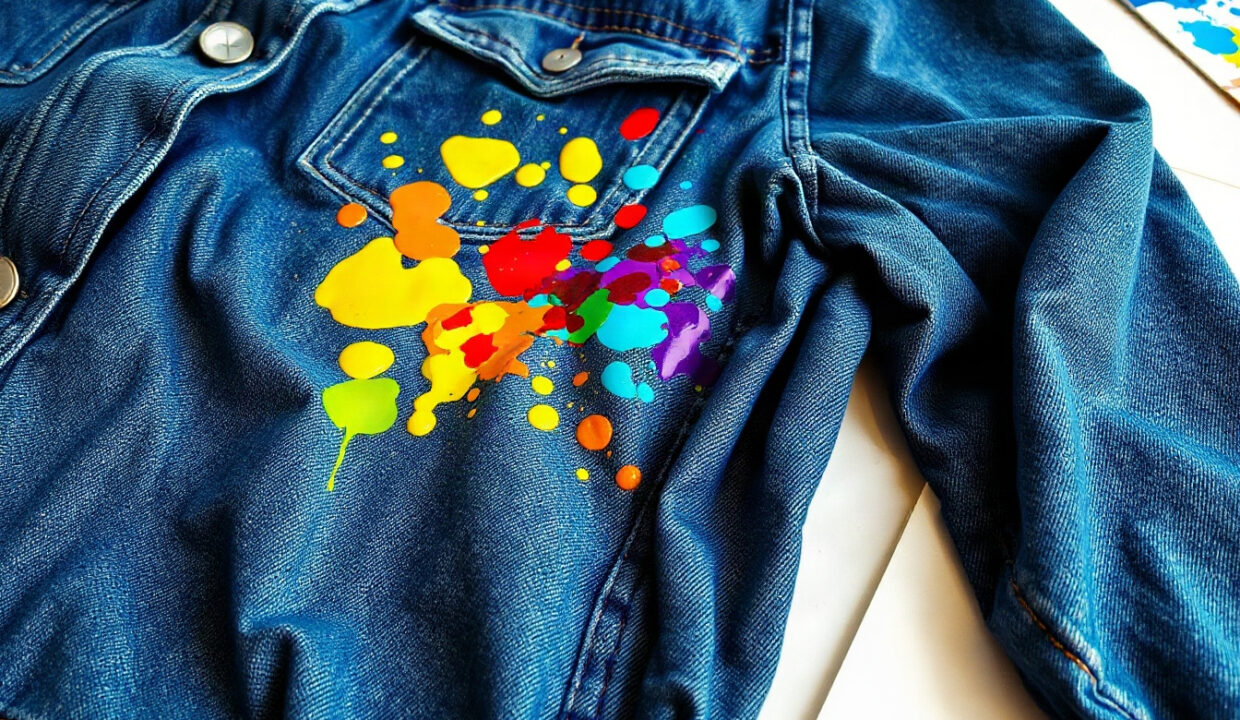
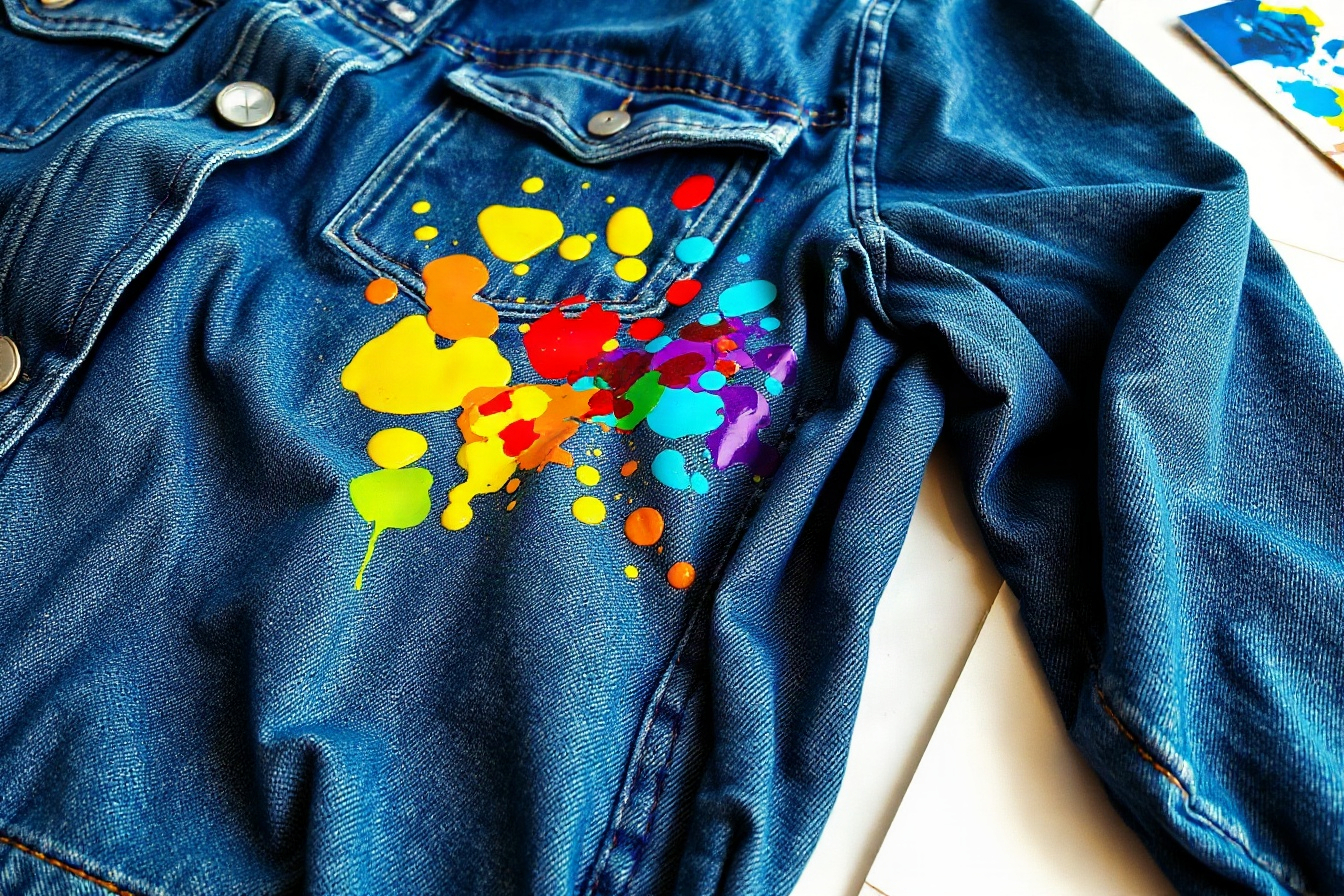
You lean on a freshly painted shelf, or a child hugs you with sticky hands, and ten minutes later there is a bright smear on your sleeve. By the time you notice, it has gone stiff. Dried acrylic does not feel like paint any more. It feels like a thin plastic crust, and plain water does nothing to it.
That is exactly what has happened. Acrylic paint is water based while wet, which is why a fresh splash rinses out so easily, but as the water evaporates the binder sets into a flexible, water resistant film. This guide covers the quick rescue for wet paint, a step-by-step method for paint that has already dried, and what to try if the first attempt does not shift it.
Wet paint: the first five minutes
If the paint is still tacky or damp, you are in the easy case. Speed matters more than any product.
- Rinse the area under cold running water from the back of the fabric, so the paint is pushed out the way it came in rather than deeper into the weave.
- Work a small amount of washing-up liquid into the stain with your fingers.
- Rinse again and check the colour. Repeat the soap and rinse if any trace remains.
- Keep the water cold. Heat can start to set the acrylic binder even while the paint still looks wet.
Cold water only for a fresh stain, warm or hot water can start setting the acrylic before you have had a chance to get it out.
Does washing-up liquid (Dawn in the US) remove acrylic paint? For wet paint, yes, worked in under cold water it is usually all you need. Once the paint has dried, washing-up liquid alone is not strong enough to break the film down, so move on to the next section. If paint has soaked through thick fabric, flip the garment and rinse from the other side too, and keep a folded towel underneath so the paint does not transfer to the layer below.
Dried paint: the method that works
Once acrylic has cured, it needs a solvent rather than a detergent. Rubbing alcohol (isopropyl alcohol) is the usual choice because it softens the binder without being as harsh on most fabrics as stronger solvents. Work in a ventilated room, keep it away from naked flames and heaters, and read the garment care label first.
- Lay the stained area flat over a folded white towel or a few sheets of kitchen roll, so the dissolved paint has somewhere to go rather than spreading to the back of the garment.
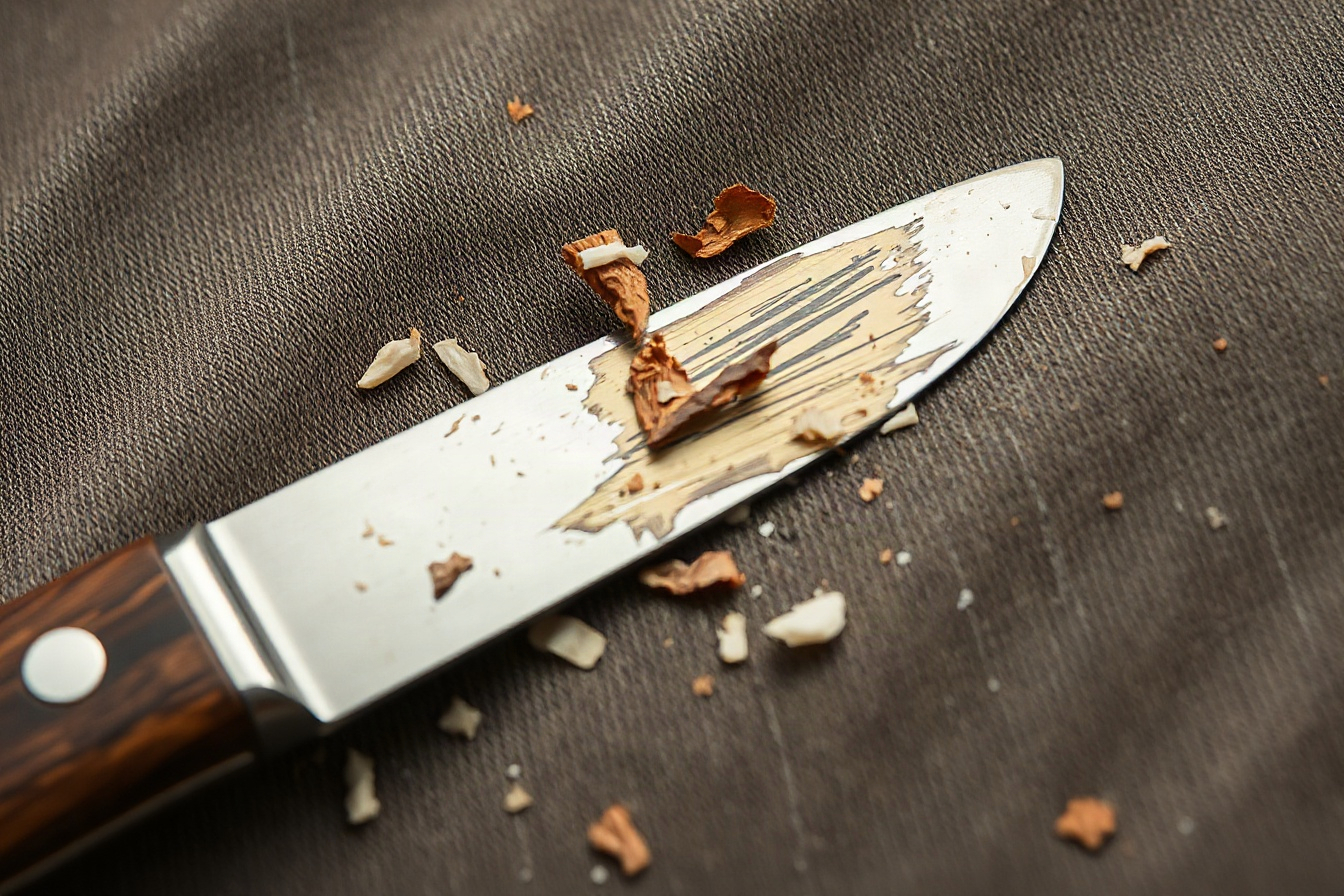
- Scrape off as much of the dried paint as you can with a blunt knife or the edge of a spoon, working gently so you do not damage the fabric. Thick, raised paint comes away in flakes, and every flake removed is less paint to dissolve.
- Test the alcohol on a hidden seam or hem first, particularly on dark, bright or delicate fabrics, and wait a minute to check there is no colour loss.
- Saturate the remaining stain with rubbing alcohol, either poured directly on or applied with a cotton pad.
- Leave it for a few minutes. The alcohol breaks down the acrylic binder holding the paint together.
- Dab repeatedly with a clean white cloth, using a fresh area each time. The paint should start lifting and transferring onto the cloth.
- Rinse with cold water and repeat if any paint remains. A thicker stain can take two or three rounds.
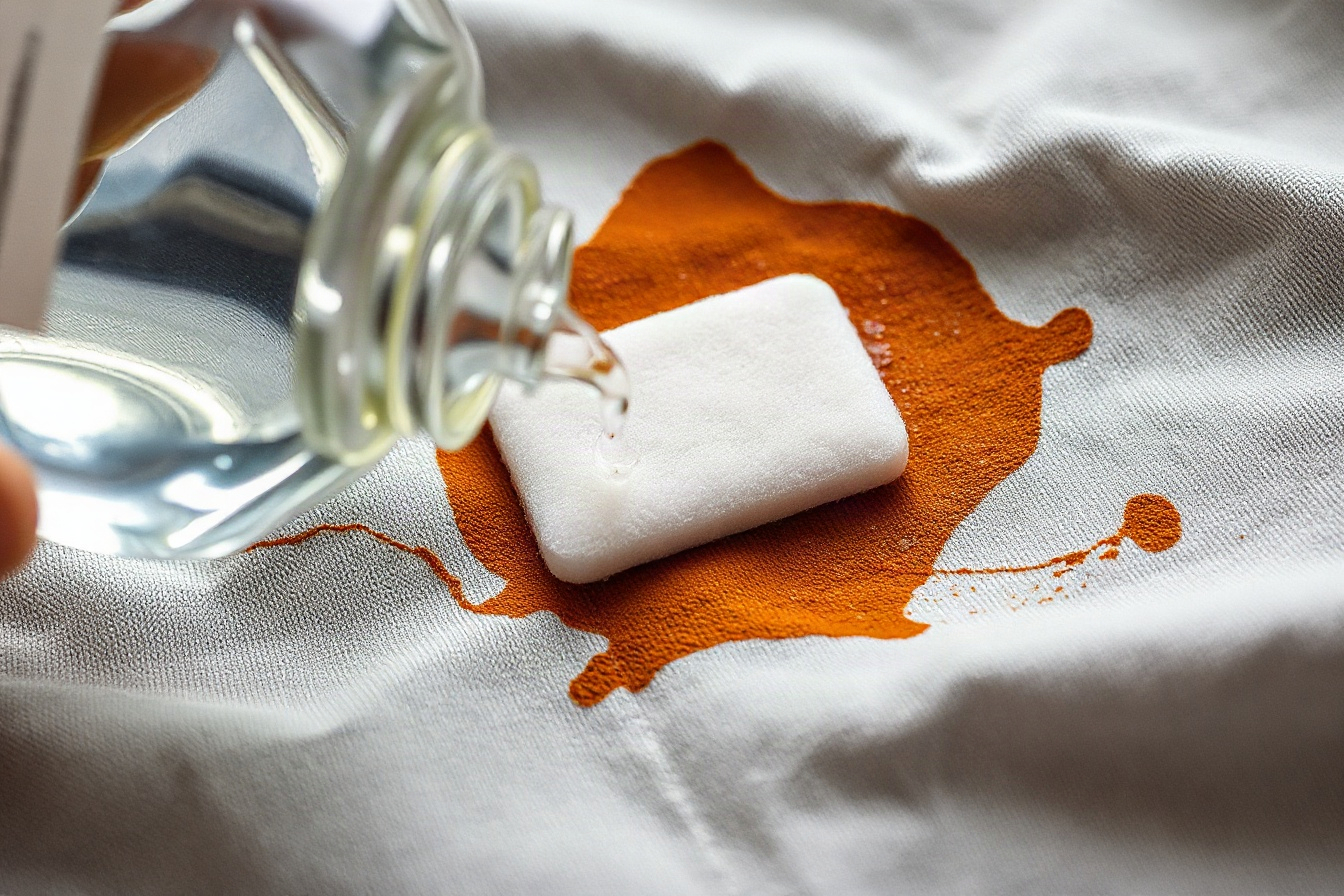
Dabbing matters. Rubbing a loosened stain spreads dissolved pigment into the surrounding fibres and can leave a coloured halo. Work from the outside of the mark towards the centre, and change to a clean part of the cloth as soon as it picks up colour.
Is hand sanitiser a good substitute? It can work in a pinch. Many hand sanitisers contain a high percentage of alcohol, but they are usually weaker than pure isopropyl alcohol and the gel can include thickeners or moisturisers that leave a film behind, so expect to need more time and more rinsing afterwards.
Which method for which stain
| Paint condition | Best method | Key tip |
|---|---|---|
| Still wet | Cold water and washing-up liquid | Rinse from the back of the fabric |
| Dried, thin layer | Rubbing alcohol and dabbing | May need two rounds |
| Dried, thick or old | Scrape first, then rubbing alcohol | Work gently to avoid damaging the fabric |
| Already washed and tumble dried | Rubbing alcohol, patiently, with low expectations | Results are less reliable once heat has set the paint |
If it did not come out the first time
A faint ghost of colour after round one is normal and does not mean the method has failed. Rinse the area, let it dry naturally, and look at it in good light. Dried paint often looks worse when damp than it really is.
- Paint is lifting but slowly. Give the alcohol longer to soak, up to ten minutes, keeping the area damp with more alcohol so it does not dry out, then dab again.
- A hard edge remains. Scrape again gently after the alcohol has softened it. Softened paint often peels away in a thin skin.
- A coloured halo has spread. Dab around the edge with a clean cloth and a little alcohol, working inwards, then rinse in cold water.
- Nothing is moving after three rounds. The paint may be very old, thickly applied, or has been through the dryer. Stop before you damage the fabric and consider a specialist dry cleaner, especially for wool, silk or anything you cannot replace.
Will vinegar or WD-40 help? Neither is a good bet on fabric. Vinegar does not break down the plastic binder the way alcohol does, and WD-40 can loosen dried paint on metal or glass but leaves an oily residue on cloth that becomes a second stain. Nail polish remover and acetone are best avoided too, as they can dissolve or mark synthetic fibres, acetate and some dyes.
Before the garment goes near the washing machine
Check the area carefully in good light before washing or drying. Any trace of paint left behind can set permanently once it goes through heat. If you are not certain it is gone, treat it once more rather than hoping the wash will finish the job.
Once you are confident the stain is fully lifted, wash the item as normal and air dry if you have any doubt at all, which gives you one more chance to spot and treat anything that was missed. Our guide to hot versus cold water cleaning explains why temperature matters so much with stains that contain binders and proteins. Rinse out the alcohol thoroughly, and wash cloths and towels used for the job separately from clothes, since they will be full of pigment.
What to mop up with: a short kit
As an Amazon Associate we earn from qualifying purchases. None of this is expensive, and you may have most of it already. The comparison below is about what each item is for.
| Item | What to look for | Best for |
|---|---|---|
| Isopropyl rubbing alcohol | A clear label stating isopropyl alcohol and a high alcohol percentage rather than a hand-rub gel. Check the cap is secure, as it is flammable. | Dissolving the binder in dried acrylic |
| Cotton wool pads | Lint-free, firm pads that do not fall apart when soaked. | Applying alcohol precisely to a small mark |
| White microfibre or cotton cloths | Plain white or very pale, so you can see paint transferring and no dye can bleed. | Dabbing and lifting loosened paint |
| Fabric stain remover spray | A spray that states it is suitable for your fabric type and colours. Test on a hidden area first. | A final pass on faint shadows once the bulk of the paint is gone |
If you were cleaning up brushes at the same time as your clothes, our guide on cleaning paint brushes properly covers both wet and dried paint on bristles. For other stubborn stains on fabric, see our guide on removing blood stains from clothes, or getting grease stains out of clothes and removing sticker residue when the mark is sticky rather than painted.
Five more paint questions
Is acrylic paint permanent on clothes?
It becomes very hard to remove once fully cured and especially after heat, but not always impossible. Fresh paint rinses out, and dried paint often responds to rubbing alcohol. Thick, old or heat-set paint is the least likely to come out completely.
Can you remove acrylic paint from clothes after washing and drying?
It is much harder once the garment has been through a hot wash or the tumble dryer, since the heat sets the paint into the fibres. Rubbing alcohol is still worth trying, as long as the care label allows, but expect partial results and be ready to stop if the fabric starts to suffer.
Will acrylic paint come out in the washing machine?
Fresh paint may come out if you rinse and pre-treat it first, but a machine wash alone will not shift dried acrylic. Washing an untreated stain, particularly hot or followed by the dryer, usually makes it permanent, so treat the mark first and wash second.
Does acrylic paint come out of delicate fabrics such as silk or wool?
Be cautious. Alcohol can lift dye from silk and may be too much for some delicate or vintage pieces, and scraping can snag fine weaves. Test on a hidden seam, work gently, and if the garment matters to you, take it to a dry cleaner and tell them it is acrylic paint.
What is the best way to remove acrylic paint from jeans or thick cotton?
Denim and heavy cotton cope well with the alcohol method. Scrape off the surface paint first, put a towel behind the stain, then work the alcohol in with a cotton pad or an old toothbrush, using light strokes. Rinse in cold water, and check the colour has not faded before washing.