Search for the best oven cleaner and you will find the same handful of bottles ranked by price. The more useful question is which type of cleaner suits your oven. A strong caustic gel is excellent on a plain enamel oven and a poor idea on catalytic liners. A self-cleaning oven wants no chemicals at all. This guide compares gels, sprays, pastes and steam, covers gloves and fumes, and picks products that UK review round-ups and manufacturers actually describe.
As an Amazon Associate we earn from qualifying purchases. Product links below are search links to the named product and do not affect which products we mention.
How we chose
We have not run our own lab tests, and we do not claim to have used these products in our kitchens. This guide is compiled from published UK reviews and maker information: Which?, Ideal Home and Expert Reviews round-ups, plus manufacturer and oven-maker support pages. We included a product only if at least two independent UK sources describe it. Where sources disagree, we say so. Maker guidance changes, so the wording below is as of November 2026. The full list of pages we read is at the end.
We have left out prices, star ratings and test scores. Several of the Which? scores are behind a sign-in, and prices move too quickly to be useful.
Step one: what kind of oven do you have?
This decides everything else. According to the oven maker Smeg, there are three common self-cleaning systems, and they behave very differently. Check your manual or the control panel before you buy anything.
| Oven type | How it cleans (per maker pages) | Chemical oven cleaner? |
|---|---|---|
| Plain enamel (no self-clean) | You clean it by hand | Usually fine on the cavity if the label allows, with the cautions below |
| Catalytic liners | Liners absorb and break down grease during cooking at around 200C, per Smeg. Less effective on heavy, burnt-on residue | Not on the liners. Hoover says not to use any oven cleaners on the catalytic linings; AEG says not to put cleaners on the liners themselves |
| Pyrolytic | Cycle at around 500C turns residue to ash, which you wipe away (Smeg, Kärcher) | Smeg: never use chemical oven cleaners or abrasive materials on a self-cleaning oven |
| Steam clean | Water on the oven floor, a 20 to 30 minute cycle at around 100C, then wipe by hand. Smeg says it is less effective on tough grime | Check the manual. Not described by Smeg as a self-cleaning system in the same sense |
Note that even on catalytic ovens, AEG says the cavity base and door can be wiped with warm water and an oven cleaner, and a UK appliance-repair site says the same for the floor, roof and door glass, keeping cleaner off the side panels. Because manuals differ, treat that as a reason to read yours rather than a licence. Our guide to self-cleaning oven safety covers the high-heat cycle in more detail, and our oven liner guide covers the removable sheet type, which is a different thing from a catalytic coating.
Gels, sprays, pastes, soak kits and steam compared
The cleaner type matters more than the brand. This table summarises what the sources say about each. It is a guide to the evidence, not a ruling for your particular oven.
| Type | What the sources say | Gloves and fumes | Liners and self-clean | Glass door |
|---|---|---|---|---|
| Caustic gel (e.g. Oven Mate) | Clings to walls, brush on and wipe off. Contains potassium hydroxide per Ideal Home and Expert Reviews | Gloves essential. Described as not acrid, but still corrosive | Avoid catalytic liners (Expert Reviews) | Which? says not to use caustic oven cleaner on oven glass |
| Caustic spray or foam (e.g. Mr Muscle, HG) | Fast to apply. Mr Muscle contains sodium hydroxide per Expert Reviews. HG carries a severe burns and eye damage warning | Strongest fumes of the group: Ideal Home’s reviewer coughed and left the kitchen after Mr Muscle | Which? lists Mr Muscle as not for self-cleaning ovens | Avoid per Which? |
| Non-caustic paste (e.g. Astonish) | Abrasive paste with a sponge. Maker says non-corrosive | Maker says no gloves required. Citrus smell per Expert Reviews | No source we read confirms any paste as liner-safe, so keep it off liners | Maker lists toughened glass as suitable. Which? says take care |
| Soak kit (e.g. Oven Pride) | Cleaner plus a bag for racks, usually caustic | Gloves supplied but thin per Ideal Home. Strong smell | Expert Reviews: avoid catalytic linings | Not suitable for the door per Which? and Expert Reviews |
| Steam | Oven’s own steam cycle, or a handheld steam cleaner with a brush | No chemical fumes | Check manual first. Which? says to consult the appliance maker before using steam | Kärcher describes a steam method with a cloth or pad for stuck-on dirt |
The five products at a glance
| Product | Best for | Key detail from the maker or reviews | Caution |
|---|---|---|---|
| Oven Mate gel kit (default pick) | Heavily soiled plain enamel ovens | Gel kit with brush and gloves; maker says brush on and wipe off, no acrid smell | Caustic. Avoid catalytic liners; oven cold |
| Astonish Specialist Oven & Grill Cleaner | Lighter soiling, glass doors, no-glove households | Paste with sponge; maker says non-corrosive, suitable for vitreous enamel, toughened glass and racks | Abrasive; not for non-stick; struggled on a never-cleaned door per Expert Reviews |
| Oven Pride Complete Oven Cleaning Kit | Racks and a deep clean in one go | Solution with soak bag and gloves | Strong smell; not for the door, aluminium or catalytic linings |
| HG Oven, Grill & Barbecue Cleaner | Spray users who want a quick job | Maker: leave 3 to 5 minutes on a hand-warm oven, then wipe | Corrosive; not for untreated aluminium |
| Mr Muscle Oven Cleaner | Budget, well-ventilated kitchens | Foam aerosol with sodium hydroxide per Expert Reviews | Strong fumes; not for self-cleaning ovens |
Oven Mate gel kit: the default pick for a plain enamel oven
Why we put it first: it is the caustic option that reviewers describe most kindly. The maker’s Lakeland page describes a 500ml gel kit with a brush and gloves, applied by brushing on and wiping off, with no acrid smell. Ideal Home lists potassium hydroxide as the active ingredient and notes that the kit includes gloves and arm protectors. Expert Reviews reviewed the larger Oven Mate deep clean kit and said the gel does not splash and does not smell too bad, while calling the potassium hydroxide highly corrosive.
Who it suits: anyone with a grease-caked, plain enamel oven who is willing to wear protection. The caution: it is a caustic product, so it is not for catalytic liners, which Expert Reviews says to avoid, and not for a pyrolytic oven. Apply it to a cold oven and keep it off door seals. Search for the Oven Mate gel kit on Amazon.
Astonish Specialist Oven and Grill Cleaner: the gentler alternative
This is a paste, not a gel. Astonish’s own page describes a 250g orange-scented paste that is non-corrosive, with a sponge applicator, and lists vitreous and powdered enamel, toughened glass and oven racks as suitable surfaces. It says no gloves are required. Ideal Home notes that it is not caustic but abrasive enough that gloves may still protect your hands, and Which? says to take care on glass, plastic, acrylic and ceramic and not to use it on brushed or polished stainless steel.
Who it suits: lightly to moderately soiled ovens, door glass and households that want to avoid caustic products. The honest limitation: Expert Reviews found it struggled with a heavily soiled, never-cleaned oven door, so expect to repeat it on old grime. Remember that the maker’s suitable surfaces do not mention catalytic liners. Search for Astonish Specialist Oven and Grill Cleaner on Amazon.
Oven Pride Complete Oven Cleaning Kit: best for racks
Oven Pride is the soak-kit format: a cleaning solution, a zip-up bag and gloves. Racks go in the bag, which keeps the strong smell and the chemical off the rest of the kitchen. Which? notes the kit comes with disposable gloves, and Which? and Expert Reviews both say it is not suitable for the oven door. Expert Reviews adds to avoid catalytic linings, rubber seals and the hob, and to leave the oven door open for at least four hours.
Who it suits: anyone whose racks are the worst part of the job, or who wants a full deep clean of a plain enamel oven. Caution: Ideal Home found the gloves thin and not covering the arms, and noted a strong chemical smell, so add your own long rubber gloves. Search for Oven Pride Complete Oven Cleaning Kit on Amazon.
HG Oven, Grill and Barbecue Cleaner: the spray to know
HG’s UK page describes a 500ml spray for ovens, grills, barbecues, baking trays and stainless steel hobs. The directions are to warm the oven until hand-warm, spray, leave for 3 to 5 minutes, wipe with a wet sponge, wash again with hot water and repeat for stubborn stains. The page lists untreated aluminium and the exterior of the oven as unsuitable and says to wear gloves because the product is corrosive. Expert Reviews notes the label carries an H314 warning for severe skin burns and eye damage.
Who it suits: people who prefer a quick spray to a gel and are comfortable following label instructions closely. Caution: the hand-warm instruction differs from kits that say to apply to a cold oven, so follow whichever label is on your bottle, and wear eye protection too. Search for HG Oven Grill and Barbecue Cleaner on Amazon.
Mr Muscle Oven Cleaner: cheap, strong, ventilate well
Expert Reviews describes Mr Muscle as a sodium hydroxide cleaner that smells strongly, and Ideal Home calls it an aerosol foam with caustic and degreasing solvents; its reviewer found the fumes strong enough to cough and leave the kitchen. Which? reports the product’s warnings as not for self-cleaning ovens, microwave ovens, hot ovens or exterior surfaces, and also lists chrome, aluminium, zinc, copper and plastic as unsuitable.
Who it suits: a well-ventilated kitchen, a plain oven and a tight budget. Caution: it can damage linings and rubber seals if sprayed where it should not go, per Expert Reviews. It is not our default for any reader, because gels give you more control. Search for Mr Muscle Oven Cleaner on Amazon.
Racks and glass doors
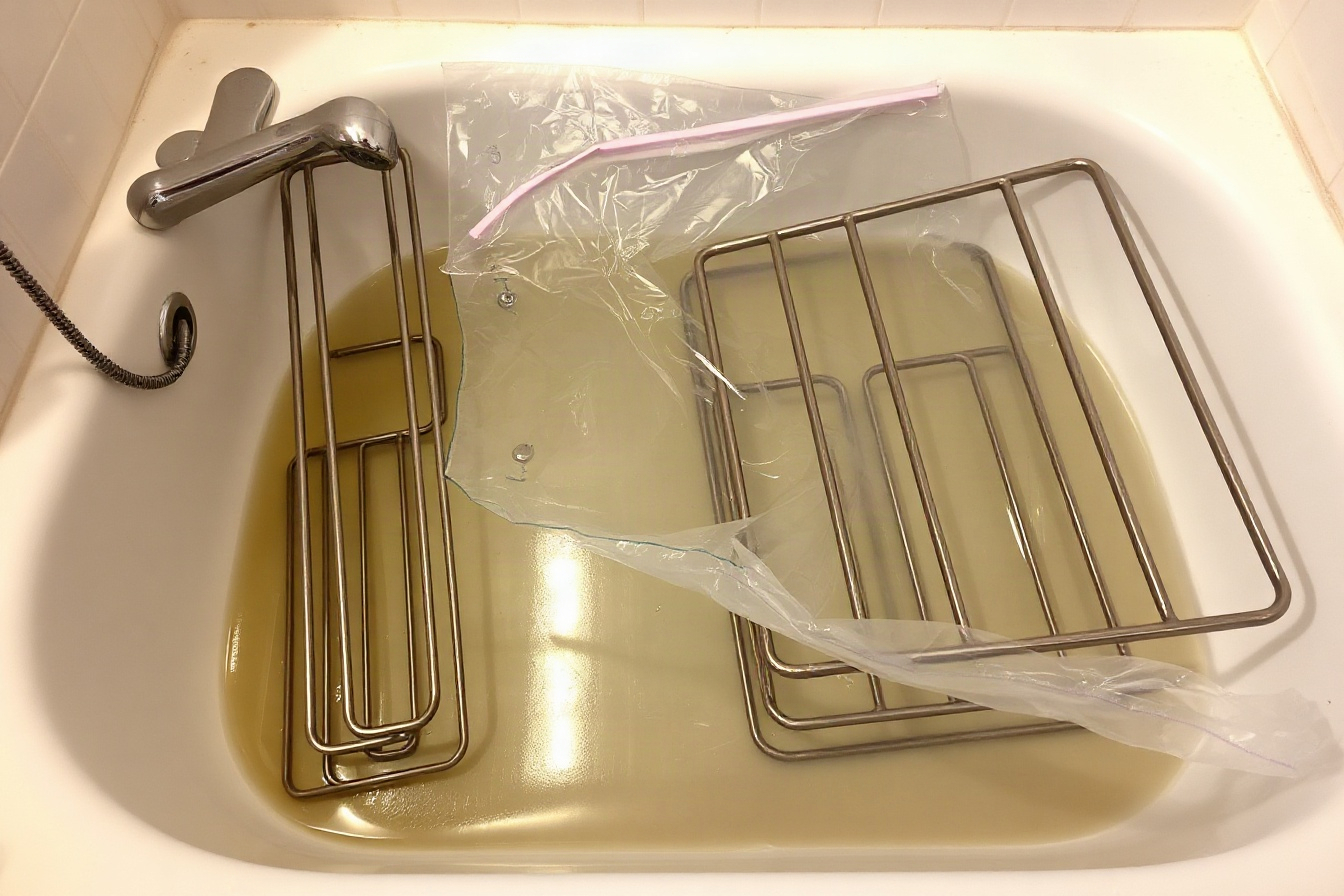
Racks are the easy part. Which? says racks are usually straightforward because you can remove and soak them, and that soak kits use a fluid it calls extremely harsh and corrosive, so wear gloves and protective clothing. If you soak in the bath, Which? warns some cleaners can corrode enamel and suggests natural products there. For a non-chemical method, see our oven racks guide.
Glass is where advice splits. Which? says not to use caustic-based oven cleaner on door glass and not to use wire wool, which can scratch and weaken it. Astonish lists toughened glass as suitable for its non-corrosive paste. Our oven glass guide and oven door glass guide cover the gentle route.
Gloves, fumes and safe use
The reason to take this seriously is the chemistry. The UK Health Security Agency says skin contact with stronger sodium hydroxide solutions can cause pain, burns and ulcers, eye contact can cause burns, and breathing it in can irritate the nose and throat and, in serious cases, damage the airways. Oven cleaners are not the same as the pure chemical, but Which? advises gloves, long sleeves and an open window with caustic products.
- Read your oven manual and the product label first. Where they disagree with this page, they win.
- Apply to a cool oven unless the label says otherwise. Which? says to switch the oven off at the mains and keep cleaner away from the fan, gas supply and pilot light.
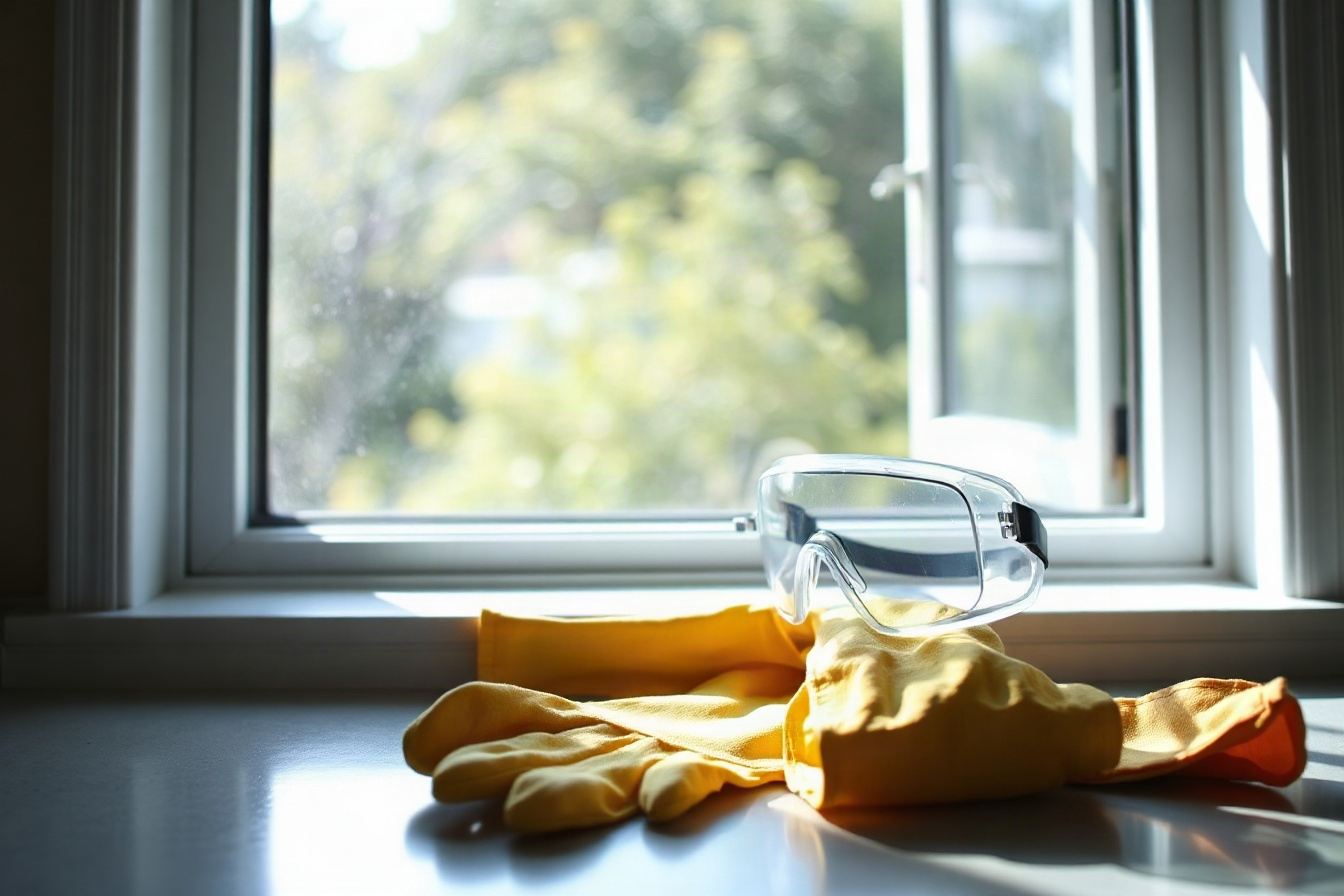
- Wear thick rubber gloves, eye protection and long sleeves with caustic products, and open windows. Keep children and pets out of the kitchen.
- Rinse thoroughly. A UK appliance-repair site warns leftover cleaner will smoke the next time you cook, and Expert Reviews suggests heating the empty oven to 200C for at least 10 minutes afterwards. Follow your label if it says otherwise.
- If you get cleaner on your skin or in your eyes, the UKHSA advice is to wash or irrigate with lukewarm water for at least 10 to 15 minutes and seek medical advice.
Pyrolytic cycles have their own safety points: Cheshire Fire and Rescue Service advises turning on the extractor and opening windows as wide as the weather allows, and one appliance-repair site warns the fumes at very high temperatures can harm pet birds.
What to avoid
- Chemical oven cleaner on catalytic liners or in a pyrolytic oven (Hoover, AEG, Smeg).
- Mixing cleaners or adding bicarbonate to a caustic product. No source we read suggests it, and it is not worth guessing.
- Wire wool or harsh scourers on door glass (Which?).
- Aluminium, copper, zinc, painted or non-stick surfaces with caustic cleaners (Which? product lists).
- Spraying fan openings, heating elements, seals or the pilot light.
- Treating a kit as safe because the packaging says fume-free. Reviews differ, and the label is what counts.
Prefer the DIY route?
If you would rather skip caustic products, read our homemade oven cleaner guide and the step-by-step how to clean an oven guide. They cover bicarbonate paste and other household methods, and this page stays focused on shop-bought products.
Frequently asked questions
Can I use oven cleaner in a self-cleaning oven?
Generally no. Smeg says never to use chemical oven cleaners or abrasive materials on a self-cleaning oven, and Which? lists self-cleaning ovens as unsuitable for several cleaners. Use the oven’s own cycle, then wipe out the ash with a damp cloth. Check your manual for any approved products.
Can I use oven cleaner on catalytic liners?
No. Hoover says not to use oven cleaners on catalytic linings, and AEG says not to put cleaners on the liners. Wipe them with hot soapy water, as Hoover suggests, and let the oven’s high-heat burn-off do the rest.
Do I need gloves for oven cleaner?
For caustic gels, sprays and soak kits, yes. Which? advises gloves, long sleeves and an open window. Astonish says its paste needs no gloves, though Ideal Home notes the abrasive paste may still be rough on hands.
Is oven cleaner safe to use in a kitchen?
It can be if you follow the label. Caustic cleaners can burn skin and irritate eyes, nose and throat. Ventilate, wear protection, keep children and pets out and rinse thoroughly before you cook again.
Can I use oven cleaner on the glass door?
Advice conflicts. Which? says not to use caustic-based cleaner on oven glass, and Expert Reviews and Which? say Oven Pride is not for the door. Astonish lists toughened glass as suitable for its paste. Follow your product label.
Does steam clean an oven?
Steam can loosen grime. Smeg says steam-clean cycles run around 100C and are less effective on tough residue, and Kärcher describes a handheld steam method with a cloth or pad. Which? advises checking your appliance maker’s guidance before using steam.
How long should I wait before cooking?
Rinse well, then follow the label. Expert Reviews suggests heating the empty oven to 200C for at least 10 minutes. Oven Pride is reported to need the door left open for at least four hours.
Sources
- Which? best oven cleaners: product details, surfaces to avoid, safety advice
- Which? how to clean your oven: glass, racks, safety
- Ideal Home best oven cleaners: ingredients, gloves, fumes
- Expert Reviews best oven cleaners: ingredients, liners, safety
- Hoover: catalytic liners
- AEG: oven with catalytic liner
- Smeg UK: pyrolytic, catalytic and steam ovens
- Whitegoods Help: catalytic liners, rinsing, pet birds
- Cheshire Fire and Rescue: self-cleaning oven safety
- Astonish: product page
- Lakeland: Oven Mate gel kit
- HG UK: oven, grill and barbecue cleaner
- UKHSA: sodium hydroxide hazards and first aid
- Kärcher: steam cleaning an oven (non-UK regional page)
- Which?: steam cleaner advice
Last checked: 14 November 2026. Manufacturer guidance can change, so check the label on the product you buy.