A carpet washer puts mains electricity, a lot of water and cleaning chemicals in the same room, and most of the problems people run into come from skipping the boring checks. Every Vax carpet washer, from the older Rapide models to the newer Platinum SmartWash and Dual Power ranges, follows the same basic principle: spray a water and solution mix onto the carpet, scrub it in, then pull the dirty water back out. The details differ by model, mainly around how the tanks are arranged, so your own manual always comes first.
This guide starts with what to check before the machine is switched on, then covers filling the tanks, cleaning the room, drying, and the aftercare that stops the machine clogging or smelling.
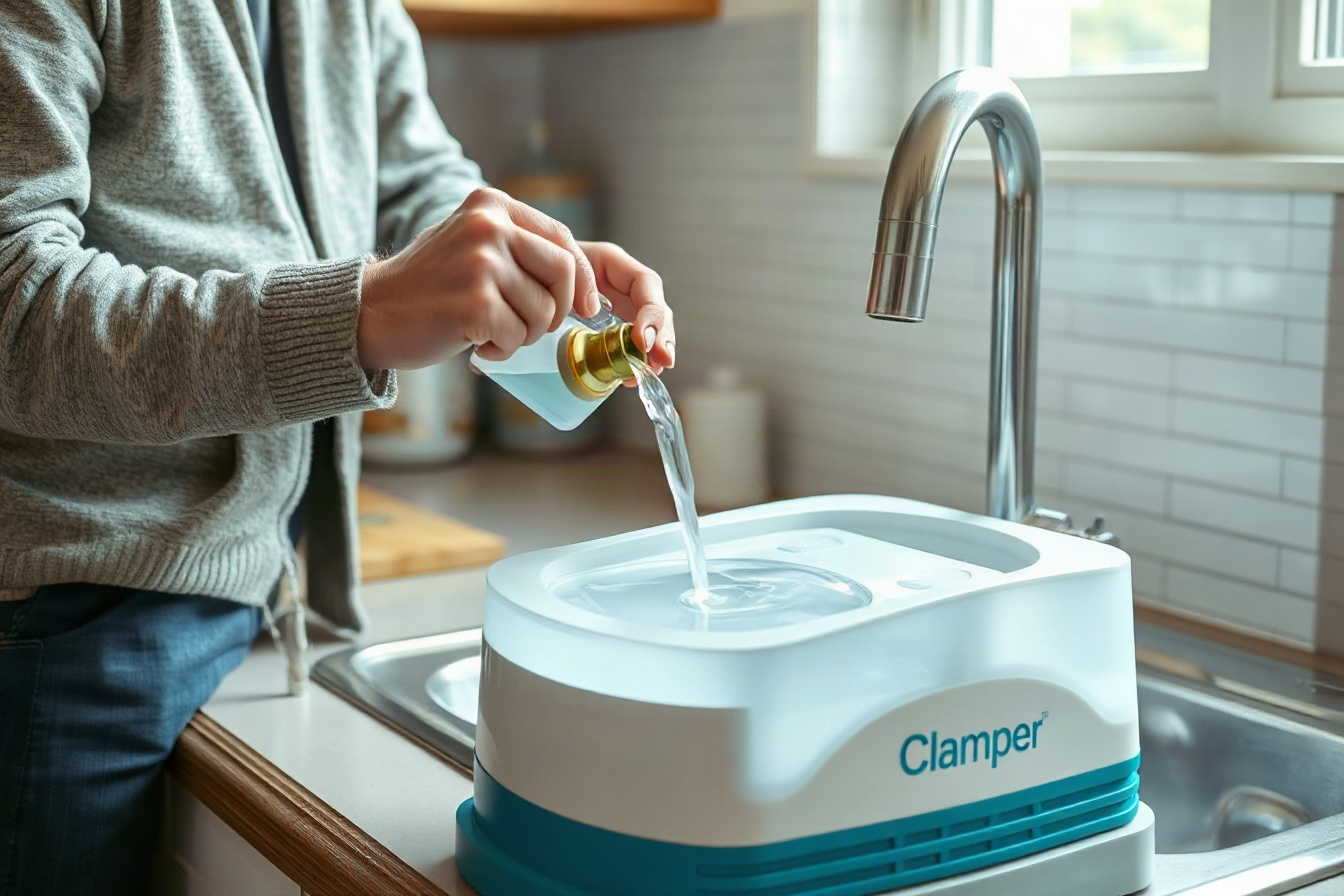
Check these first, before any water goes in
- The machine and cable. Look for a frayed or cracked cable, a damaged plug, or a cracked tank. If anything looks damaged, do not use it, and contact the manufacturer or an authorised repairer.
- The model number and manual. The number is usually on a label at the back or underneath. Vax hosts user guides for current and older models on its website, searchable by model number.
- The carpet label and fibre. Wool, silk, viscose and natural fibres like jute, sisal or seagrass can shrink, bleed or brown when soaked. Check the care label, and if the carpet is not clearly suitable for water extraction, get advice before you use the machine.
- A hidden patch test. Spray a small, out-of-sight area, work it, extract it, and blot with a white cloth. If colour comes off on the cloth, stop.
- Only the right liquids. Put in warm water and a solution your manual says is suitable. Do not add bleach, vinegar, disinfectant or washing-up liquid to the tank, as they can foam, damage seals or react with each other.
- The room. Move light furniture, keep children and pets out of the room, open a window, and take care on hard floors and stairs where spilled water makes a slip risk. Keep the plug, socket and cable away from damp carpet.
Preparing the carpet
- Move light furniture out of the room, or off the area you are cleaning, so you can work in straight, overlapping lines.
- Vacuum thoroughly first, to clear loose dirt, dust and pet hair before any liquid goes down. This stops the machine pushing debris around.
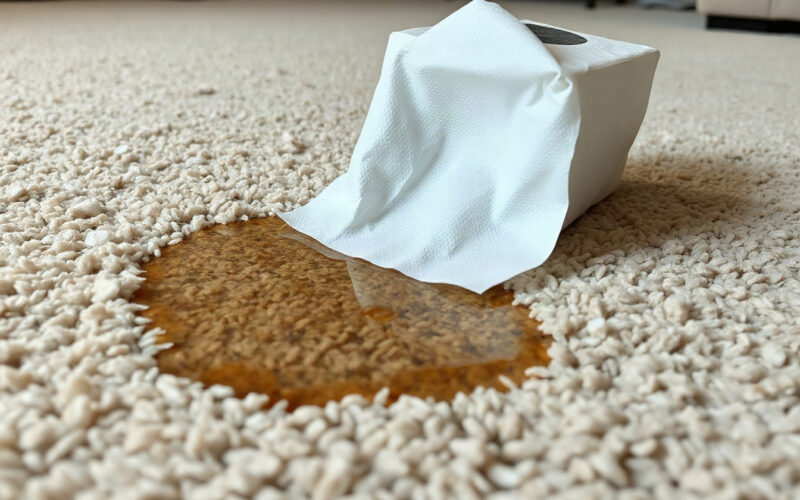
- Pre-treat stubborn stains with a pre-treatment spray made for carpets, following the instructions on the bottle, and leave it for the time it states, which is commonly around 15 minutes.
Filling the tanks and mixing the solution
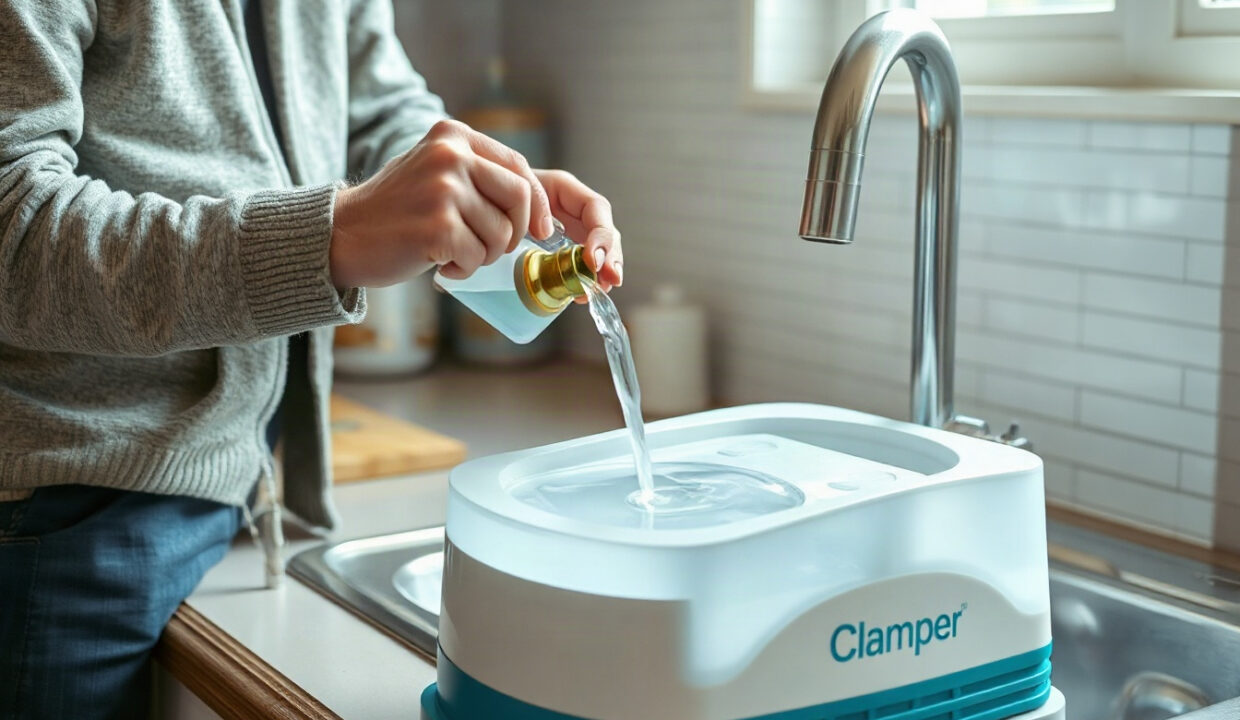
Remove the clean water tank, usually from the back or top depending on the model, and fill it with warm tap water up to the marked line. Never use boiling water, which can damage the tank and the machine’s internal seals. If your manual gives a maximum water temperature, follow that instead.
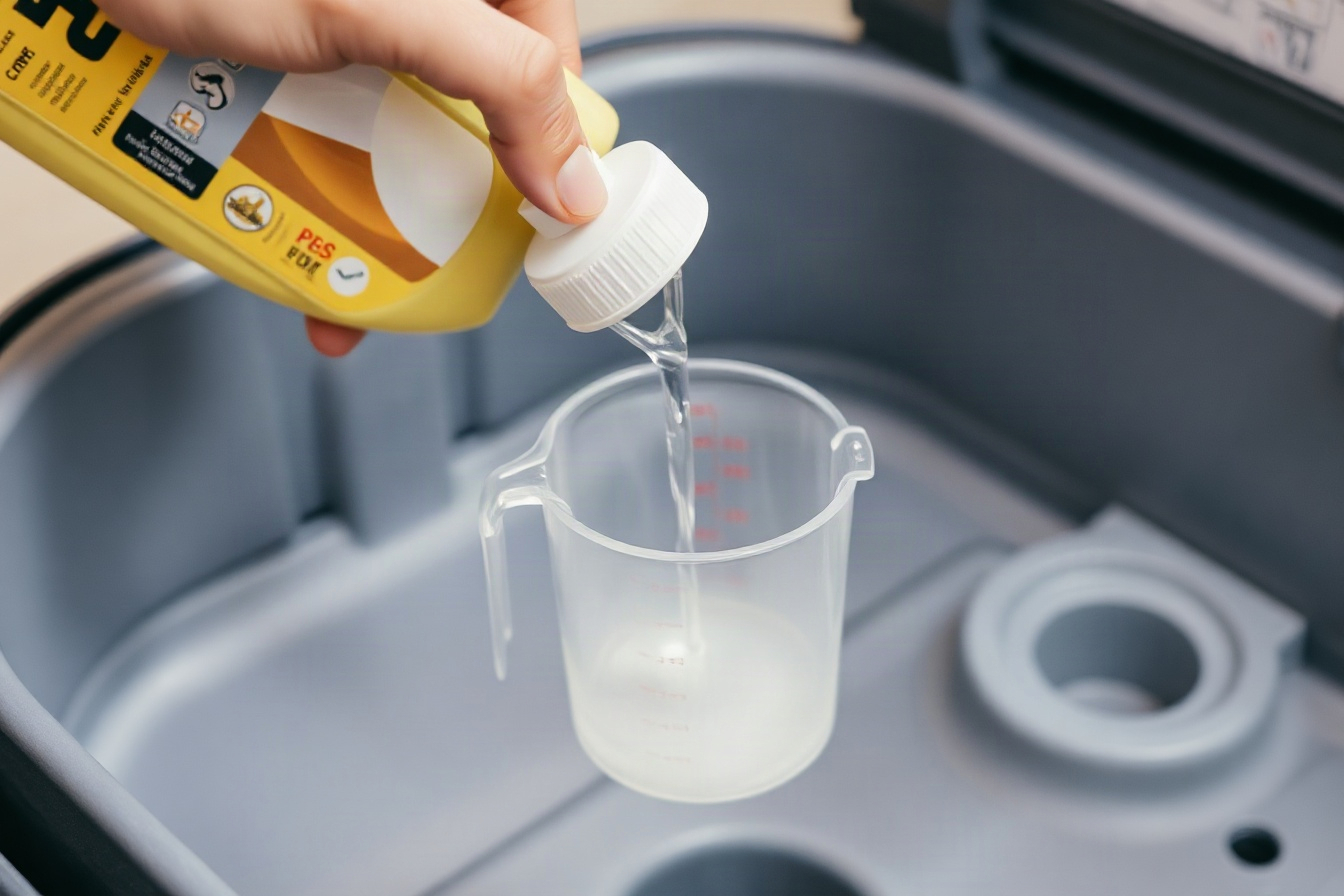
The amount of solution varies by product and by model, so do not guess. A common starting point is the cap or measure provided with the bottle, filled to the line stated in the instructions, but the label and your manual take priority. Too much solution leaves a sticky residue that attracts dirt, and may cause excess foam inside the machine.
SmartWash models. On a Platinum SmartWash, water and solution are held in separate reservoirs and mixed as you clean, so you should not pre-mix anything in the water tank yourself. If you are unsure, the manual tells you which tank takes what.
| Tank layout you may meet | What it means for you |
|---|---|
| Single tank, solution pre-mixed (older Rapide-style machines) | Mix water and solution before filling, and check the fill line |
| Separate clean and dirty water tanks (Dual Power and similar) | Measure solution into the clean tank only, never the dirty one |
| Separate water and solution reservoirs (SmartWash) | Fill each reservoir as marked, with no pre-mixing |
| Anything else, or a model you cannot identify | Follow the manual for your model number |
Cleaning the carpet, one pass at a time
Plug the machine in, or make sure a cordless model is fully charged, and switch it on. Select a mode if your machine has one: a deep clean mode for tough or ingrained marks, or a quicker mode for a lighter refresh with a shorter drying time.
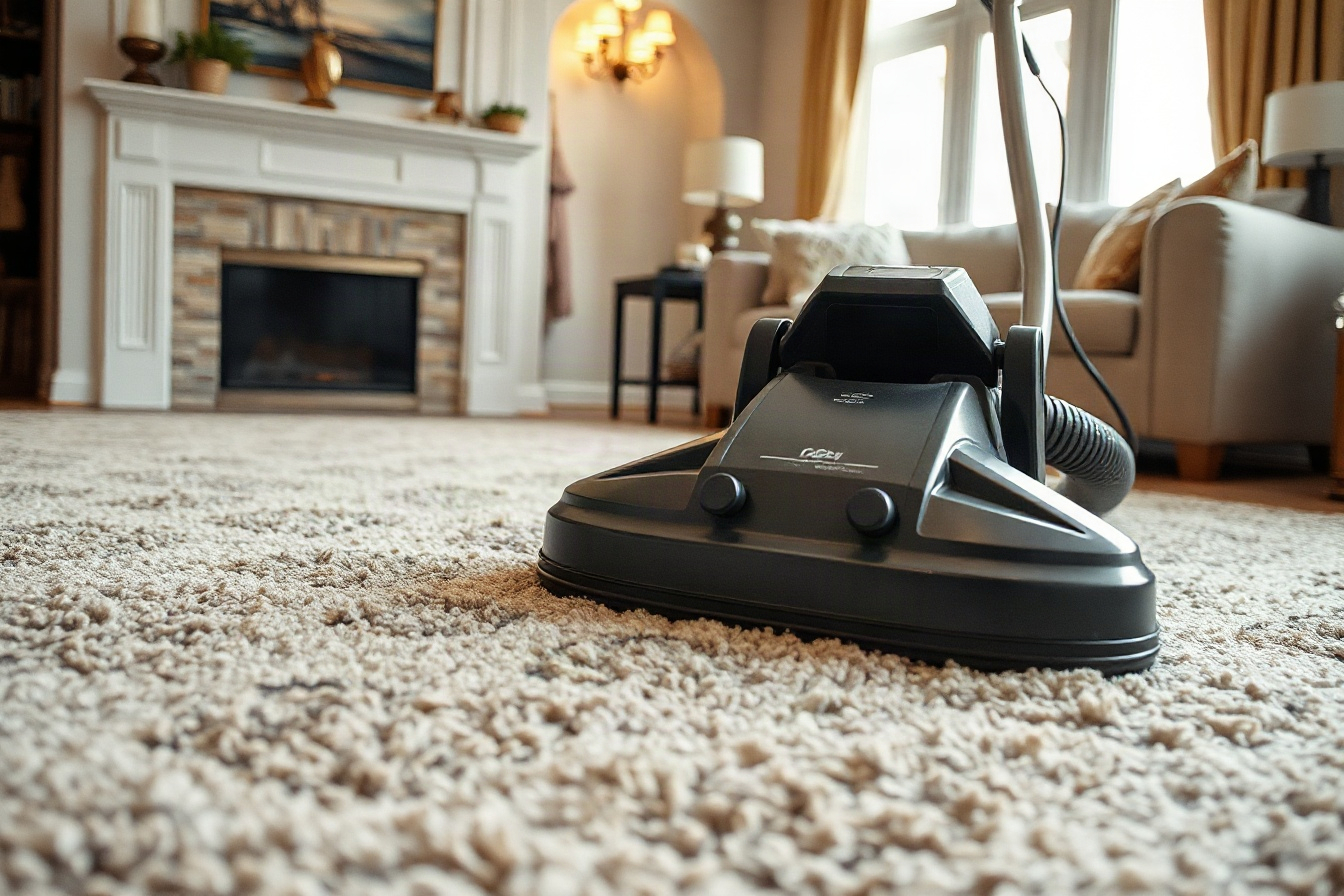
- Recline the handle to the working angle and hold the trigger while pushing the machine forward over a section of carpet. This sprays solution and spins the brushes.
- Release the trigger and pull back over the same section. This extracts the dirty water into the collection tank.
- Go over heavily soiled patches two or three times before moving on.
- Work the rest of the room in straight, slightly overlapping passes so you do not miss strips.
- Keep the cable behind you and out of the wet carpet, and empty the dirty tank when it reaches the fill line. A full tank is the commonest reason the machine stops picking up.
Avoid over-wetting the carpet. Too much water slows drying and can affect the carpet backing, a dry extraction pass without the trigger pressed helps pull out the excess.
Drying, and what to do if the carpet stays damp
Leave the carpet to dry fully before putting furniture back. This usually takes several hours, longer in a cold, damp or poorly ventilated room or on a thick carpet. Open a window or run a fan to speed it up. A final suction-only pass with the trigger released pulls out extra moisture and shortens the wait.
Do not walk across the carpet in outdoor shoes until it is dry, and keep pets and children off it. If it is still wet after a day, do extra dry passes and ventilate better, because carpet left wet for too long can smell musty and, in the worst case, grow mould. For that situation our guide on what kills mould is worth keeping handy.
After every use: empty, rinse and dry the machine
Doing this straight after each use, not just occasionally, is what keeps a Vax carpet washer working well instead of clogging or smelling musty after a few months.
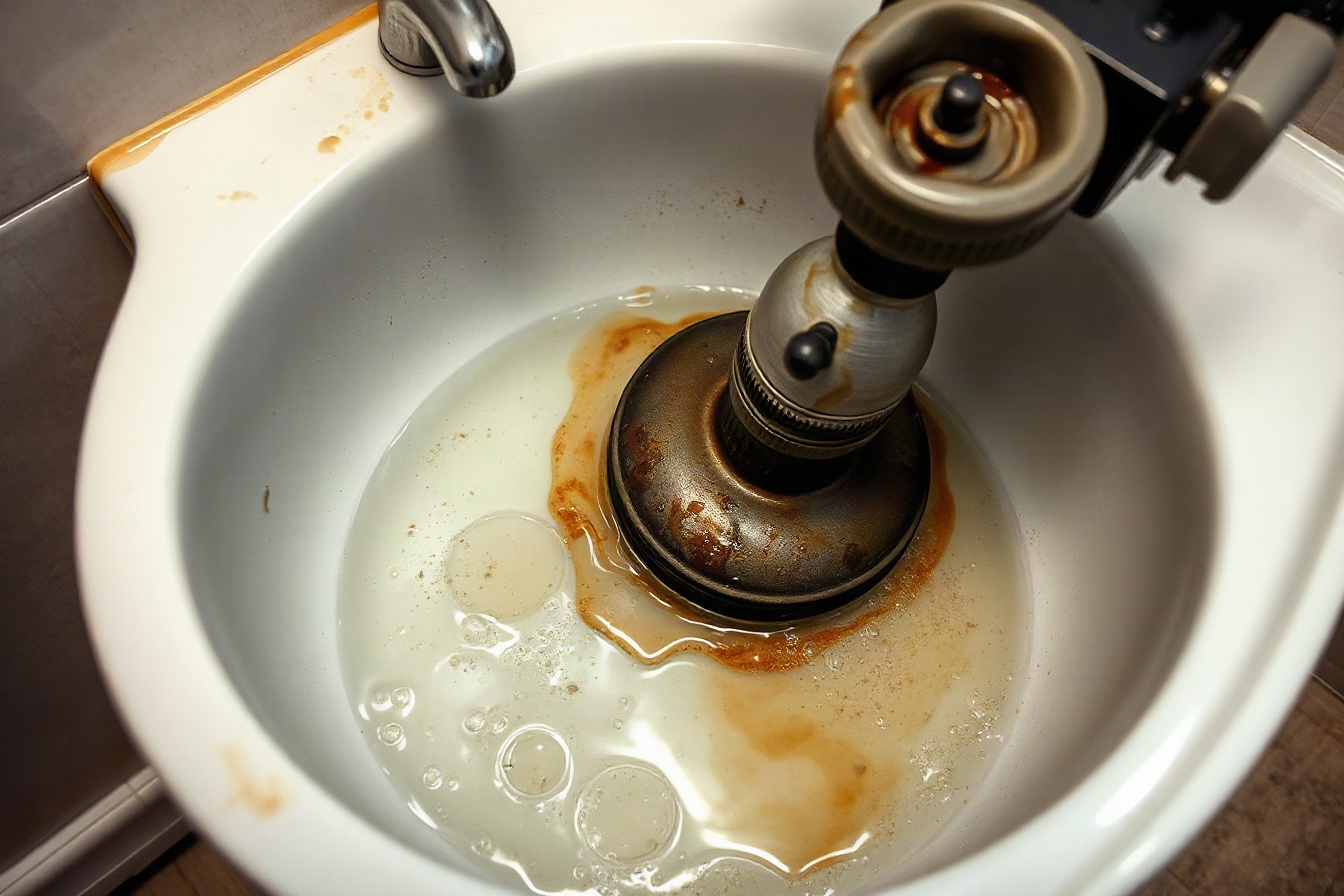
- Turn off and unplug the machine before you touch any tanks or the brush bar.
- Empty the dirty water tank down a sink or toilet, then rinse it out thoroughly.
- Rinse the clean water tank too, to flush out any leftover solution.
- Remove hair and fibres tangled around the brush bar and check the nozzles for blockages.
- Wipe the exterior with a slightly damp cloth. Do not hose or submerge the machine.
- Leave the tanks and removable parts to air-dry fully before reassembling and storing it.
When something goes wrong
- Not picking up water. Check for a full dirty tank, a blocked nozzle, or a brush bar tangled with hair and fibres, before assuming a mechanical fault.
- Weak spray. A blocked nozzle or an empty clean tank is the likeliest cause. Clear it with the machine unplugged.
- A musty smell. Usually an unrinsed dirty water tank. Wash it out with warm water and let it dry with the cap off.
- Foam in the dirty tank. Too much solution, or a solution that is not suitable for the machine. Empty, rinse, and use less next time.
- Leaks, burning smells, sparks, or the plug tripping the power. Stop, unplug, and do not use it again until it has been checked by the manufacturer or an authorised repairer.
If you do not own a carpet washer and are dealing with a one-off spill, our complete guide to cleaning a carpet covers spot treatments, and the homemade carpet cleaner solution is something you can mix yourself, though it is not recommended for use inside a machine. For smaller textiles, see how to clean a rug, and for why water temperature matters, hot vs cold water cleaning. Our list of products you should never mix is a good reminder about adding extras to the tank.
Add-ons that help, side by side
As an Amazon Associate we earn from qualifying purchases. None of these is essential, and the links are Amazon UK searches so you can compare current options. Always check that anything you put in the machine is approved for it.
| Product | Best for | What to look for | Caution |
|---|---|---|---|
| Carpet washer cleaning solution | Every full-tank clean | A solution that states it suits carpet washers and your model | Use the measure on the label. Too much leaves residue |
| Carpet stain pre-treatment spray | Ground-in marks and traffic lanes | A product made for carpets, with a stated contact time | Patch test first, and do not mix with other sprays |
| Microfibre cloths (white) | Colourfast tests and blotting spills | Plain white or light cloths that will show dye transfer | Wash them before first use, and keep them for cleaning only |
| Anti-foam / defoamer for carpet cleaners | Foam building in the dirty water tank | A product that says it is made for carpet washers | Use sparingly, as directed. It does not fix too much solution |
Quick definitions
Where can I find the manual for my Vax carpet cleaner? On Vax’s own website, which hosts user guides for current and older models. Search by model number, which is usually printed on a label on the back or underside.
Do you use hot or cold water in a Vax carpet cleaner? Warm tap water. Boiling water can damage the tank and seals, and cold water does not dissolve the solution as well. If your manual gives a temperature limit, follow it.
How much solution do I put in a Vax carpet cleaner? The amount on the label of your specific solution, usually a measured capful per tank, as the ratio varies by product and model. Using more does not clean better and can leave a sticky residue.
Why is my Vax carpet cleaner not picking up water? Most often a full dirty tank, a blocked nozzle, or a brush bar tangled with hair. Empty the tank first, then clear the nozzle and brush bar with the machine unplugged.
What are some common problems with a Vax carpet cleaner? Poor suction from a clogged nozzle or full tank, a musty smell from a tank not rinsed after use, and reduced spray from hair or fibres in the brush bar. A proper clean usually fixes all three.