The short answer: hotter isn’t automatically better, it depends on the job. For washing your hands, water temperature makes no measurable difference to how many germs you remove: a major study found cold water works just as well as hot, so wash with whatever’s comfortable and save the energy. For grease and fat, hot water genuinely helps, because heat melts the grease so detergent can lift it away. But to actually kill germs and dust mites you need around 60°C or more, far too hot for your hands, so that’s a job for the dishwasher or a hot wash. And for a few stains, blood, egg and dairy, hot water is the wrong choice, because it cooks them in.
“Use hot water, it’s more hygienic” is one of cleaning’s most ingrained beliefs, and it’s only sometimes true. The science draws a surprisingly clear line between the jobs where heat matters and the jobs where it doesn’t, and getting it right saves both effort and money. This guide runs through what the research shows about hands, grease, disinfection and stains, when hot water helps, when it actively hurts, and a simple job-by-job guide to the right temperature. Sources are linked at the end.
How we researched this: the findings below draw on hand-hygiene research published in the Journal of Food Protection (Rutgers University) and cleaning-science guidance from McGill University’s Office for Science and Society, among others. Full references are at the bottom.
Hands: temperature makes no difference
This one surprises people, because it’s the opposite of what we’ve all been told. When it comes to washing your hands, the temperature of the water doesn’t change how many germs you remove.
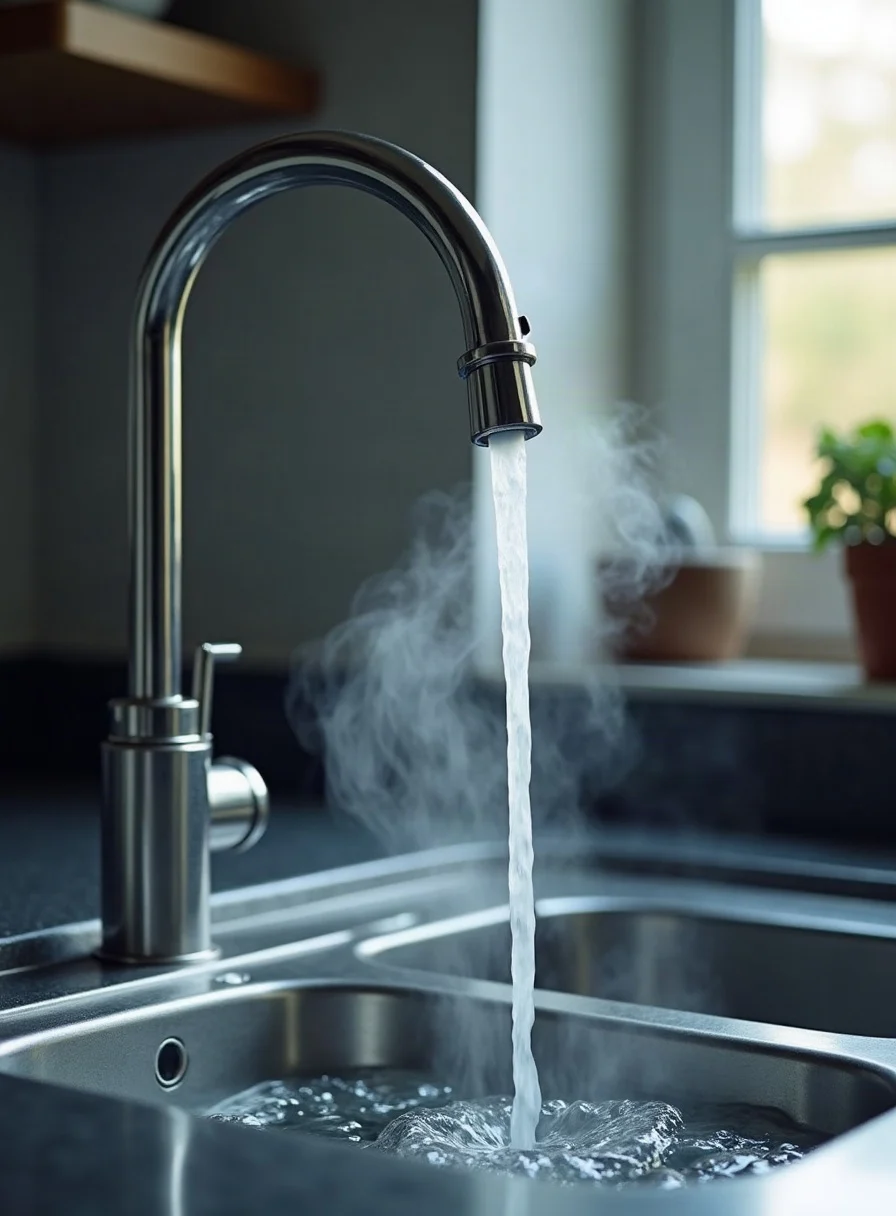
The clearest evidence comes from a Rutgers University study published in the Journal of Food Protection. Researchers deliberately contaminated volunteers’ hands with harmless bacteria many times over six months, then had them wash at 16°C, 26°C and 38°C (roughly 60, 79 and 100°F). The result: water temperature had no significant effect on the reduction of bacteria [1]. Even a 10-second wash removed germs effectively. Later research rinsing hands contaminated with E. coli reached the same conclusion, cold and warm water reduced bacteria equally [2].
Why? Because hand-washing works by removal, not killing. Soap lifts germs and the oils they cling to, and rinsing carries them down the drain, a mechanical process that doesn’t care about temperature. And here’s the key point: water hot enough to actually kill bacteria would scald you. Comfortable “hot” tap water (around 40°C) is nowhere near hot enough to sanitise, so it offers no germ-killing bonus over cold. The one genuine benefit of warm water is comfort, pleasant water may encourage you to wash for longer, which does help. Otherwise, wash with whatever temperature you like and save the energy.
(What does matter for hands is soap and technique, not the “antibacterial” label, see our guide to antibacterial vs plain soap.)
Grease and fat: here hot water genuinely wins
Now the flip side. When you’re dealing with grease, oil and fat, heat makes a real, physical difference, and this is where “hot water cleans better” is true.
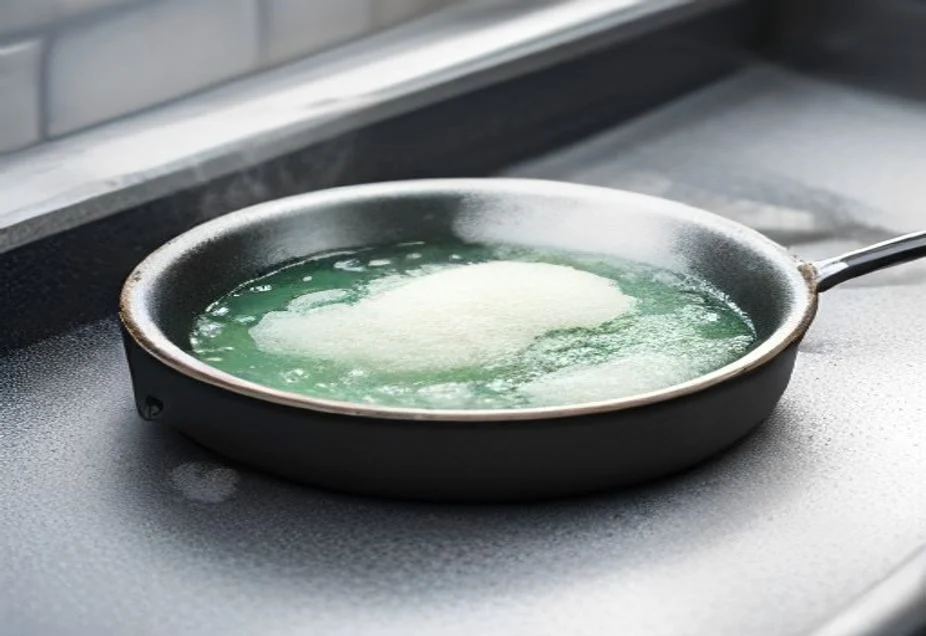
Fats and oils are thick and sticky when cool, and many are solid at room temperature. Bacon fat, for instance, is solid in the pan but melts at around 40°C. Heat does two useful things: it melts solid fats into free-flowing liquid and lowers the viscosity of oils, and it speeds up molecular movement so detergent can get to work. Once the grease is liquid, detergent molecules can surround it, break it apart and lift it into the water to be rinsed away [3]. Degreasing gets noticeably more effective as water warms through the roughly 32–60°C range.
That’s why hot water is the right call for a greasy roasting tin, an oily hob, or heavily soiled dishes, and why washing greasy items in cold water just smears the fat around. Detergent is essential too (it’s the detergent that actually removes the grease), but heat is what makes the grease available to be removed.
Killing germs: only heat above ~60°C does it
If your goal is genuine disinfection, killing bacteria, viruses and dust mites rather than just washing them away, then temperature matters a lot, but the threshold is high. It takes roughly 60°C (140°F) and above to reliably kill most household germs and dust mites. That’s the crucial catch: you can’t tolerate that on your skin, and it’s hotter than typical washing-up water too.
This is exactly why disinfecting by heat is a machine’s job. A dishwasher rinses at around 65°C and a 60°C laundry cycle kills bacteria and dust mites, temperatures no hand-wash can safely reach. We cover both in detail in what temperature kills germs in your laundry and dishwasher vs hand-washing. The takeaway: warm tap water cleans and removes germs; only genuinely hot (60°C+) water kills them, so reach for a machine when you actually need to sanitise.
When hot water actively makes things worse
Heat isn’t a free upgrade, for some jobs it does real harm. Reach for cold or cool water when you’re dealing with:
- Protein stains, blood, egg, milk, dairy. Heat “cooks” the protein and sets it permanently into the fabric, exactly as it cooks an egg. Always start these in cold water; hot water can turn a removable stain into a permanent one [3].
- Delicate fabrics and colours. Hot water shrinks wool, damages silk, fades dyes and can distort synthetics. Follow the care label, most everyday clothes are happiest at 30°C.
- Very hot detergent washes. Above about 60°C, some detergents and their enzymes start to break down, so hotter isn’t always cleaner, you can pass the point of useful return.
- Energy and money. Heating water is one of the biggest energy costs in cleaning; using hot when cold would do simply wastes it.
So “just use the hottest water” is genuinely bad advice for a lot of everyday cleaning. The trick is matching the temperature to the task.
Modern detergents are built for cold
One reason the old “always wash hot” habit is outdated: today’s detergents are specifically formulated to work in cool water, with enzymes that lift everyday stains at 30°C. For most laundry, a cold or cool wash cleans perfectly well, protects fabrics and colours, and saves a lot of energy, which is why manufacturers and energy bodies now push cool washing. Save the hot cycles for the loads that genuinely need hygiene (towels, bedding, illness laundry) or heavy grease. We go deeper on this in our guide to laundry temperature and germs.
The job-by-job temperature guide
| Task | Best water temperature | Why |
|---|---|---|
| Washing hands | Any comfortable temperature | Temperature doesn’t affect germ removal [1] |
| Greasy pans, oily dishes, hobs | Hot | Melts fat so detergent can lift it [3] |
| Everyday laundry | Cold–warm (30°C) | Modern detergents clean cold; saves energy and fabrics |
| Towels, bedding, illness laundry | Hot (60°C) | Kills bacteria and dust mites |
| Blood, egg, dairy stains | Cold | Hot water sets the protein permanently |
| Disinfecting dishes | Very hot (dishwasher, ~65°C) | Only 60°C+ reliably sanitises |
| General surfaces | Warm + detergent | Detergent does the work; warmth helps a little |
The energy and cost angle
There’s a real financial reason to care about this. Heating water accounts for a large share of the energy used in cleaning and laundry, so every time you choose cold where cold works, washing your hands, an everyday load of laundry, rinsing non-greasy dishes, you cut energy use and cost without cleaning any worse. Over a year, defaulting to cool for the jobs that don’t need heat adds up to meaningful savings, which is exactly why the hand-washing researchers highlighted the energy implications of their findings [1]. Reserve hot water for where it genuinely earns its keep: grease, and hygiene washes at 60°C.
Myths vs facts
| Myth | What the evidence says |
|---|---|
| “Hot water washes germs off your hands better.” | No, temperature made no difference to germ removal [1][2]. |
| “Hot water always cleans better.” | Only for grease/fat; for hands and many stains it doesn’t help. |
| “Warm tap water disinfects.” | No, you need ~60°C+ to kill germs, which skin can’t tolerate. |
| “Use hot water on every stain.” | Blood, egg and dairy set permanently in hot water, use cold. |
| “Cold-water laundry doesn’t really clean.” | Modern detergents clean well at 30°C and save energy. |
The bottom line
Hot water isn’t a magic cleaning upgrade, it’s a tool for specific jobs. Heat genuinely helps with grease and fat, because it melts them so detergent can lift them away, and true disinfection needs 60°C or more (a machine’s job, not your sink). But for washing your hands, temperature makes no difference to germ removal, so use whatever’s comfortable; for everyday laundry, cold is fine and saves energy; and for protein stains like blood and egg, hot water is actively the wrong choice. Match the temperature to the task and you’ll clean just as well, protect your clothes and stains, and cut your energy bill in the process.
Frequently asked questions
Does hot water clean better than cold?
Only for some jobs. Hot water is genuinely better for grease and fat, because heat melts them so detergent can lift them away. But for washing your hands it makes no measurable difference to germ removal, and for everyday laundry modern detergents clean well in cold water. Hot water only disinfects above about 60°C, which is a machine’s job.
Should you wash your hands in hot or cold water?
Whichever is comfortable, it doesn’t affect how many germs you remove. A Rutgers study found no difference in bacteria reduction between cold and hot water, because hand-washing removes germs mechanically rather than killing them, and comfortable water isn’t hot enough to sanitise anyway. Focus on soap, scrubbing for about 20 seconds, and drying well.
Does hot water kill germs?
Only if it’s genuinely hot, around 60°C (140°F) or above. Comfortable “hot” tap water (about 40°C) doesn’t kill germs; it just helps remove them along with grease. To actually kill bacteria and dust mites with heat you need a dishwasher or a 60°C laundry cycle, because those temperatures are too hot for skin and hand-washing.
Why does hot water remove grease better?
Because heat melts fats and lowers the viscosity of oils, turning sticky solid grease into free-flowing liquid that detergent can surround and rinse away. It also speeds up molecular movement so the detergent works faster. Many fats melt around 40°C, and degreasing improves through roughly 32–60°C, which is why greasy pans clean far better in hot water.
Why should you use cold water on blood and egg stains?
Because they’re protein stains, and heat cooks proteins, setting them permanently into the fabric, the same way heat cooks an egg. Rinse and treat blood, egg and dairy stains in cold water first; only once the protein is removed can you wash normally. Starting with hot water can turn a removable stain into a permanent one.
Is cold-water laundry as good as hot?
For everyday cleaning, yes. Modern detergents are formulated to work at 30°C, so a cool wash removes normal dirt and body soil well while protecting colours and fabrics and saving energy. Reserve hot (60°C) washes for towels, bedding and illness laundry that need genuine hygiene, and for heavily grease-soiled items.
Can water be too hot for cleaning?
Yes. Above about 60°C some detergents and enzymes start to break down, so cleaning power doesn’t keep rising with temperature. Very hot water also sets protein stains, shrinks and damages delicate fabrics, and wastes energy. Hotter is not automatically better, beyond the point heat is needed, it just costs more and can cause damage.
Does washing dishes in cold water work?
For lightly soiled, non-greasy dishes, cold water with detergent removes food and germs adequately. But for greasy pans and oily plates, hot water works far better because it melts the grease. And for genuine sanitising, only a hot dishwasher cycle (around 65°C) reaches a germ-killing temperature, hand-washing at any comfortable temperature cleans rather than disinfects.
Does hot water save time cleaning?
It can, for greasy jobs, by making the grease easier to shift so you scrub less. For non-greasy cleaning and hand-washing, hot water doesn’t clean faster or better than cool, the detergent and mechanical action do the work. So use hot where grease is involved and don’t bother heating water for jobs that don’t need it.
What’s the most energy-efficient way to clean?
Use cold or cool water wherever it works, hands, everyday laundry, non-greasy dishes, and save hot water for grease and 60°C hygiene washes. Since heating water is a major energy cost, matching the temperature to the task cuts your bills without cleaning any worse, which is one of the simplest money-savers in the home.
Related reading: what temperature kills germs in your laundry? and dishwasher vs hand-washing: which is cleaner and greener?
References
- Jensen D.A. et al. (Rutgers University). Hand-washing water temperature and bacterial reduction. Journal of Food Protection, 2017, reported by Rutgers. rutgers.edu
- “Equivalent reduction of Escherichia coli by rinsing hands with cold and warm water.” PMC, 2024. ncbi.nlm.nih.gov
- McGill University, Office for Science and Society. “Why do we use hot water to wash clothes?” (heat, grease and protein-stain chemistry). mcgill.ca
This article summarises published research for general information. Always follow garment and appliance care labels for specific temperature guidance.