The right way to clean ear plugs depends on what they are made of. Reusable silicone plugs, including Loop and similar, wash in lukewarm water with a little mild soap, then need rinsing and a complete air-dry. Foam plugs are meant to be disposable, so replace them instead of washing them. Wax and silicone-putty plugs must stay dry, so wipe them and replace them when they stop sticking. Whatever you use, dry them fully and keep them in a clean case, because a warm, waxy ear plug is a good home for bacteria.
That matters because plugs worn night after night can carry earwax, sweat and bacteria back into the ear, which can lead to irritation and itching. The sections below cover each type in turn, how often to clean and replace them, and when plugs are the wrong answer.
Disclosure: Cleaners Guide is a participant in the Amazon Associates programme, so if you buy through links on this page we may earn a small commission at no extra cost to you. It never changes our recommendations, we suggest products because they work and we point out cheaper options where they do the same job. Prices and availability change, so always check the current price before buying.
Find your type first
The type decides whether water is fine or forbidden. Match yours to the table, then jump to the method.
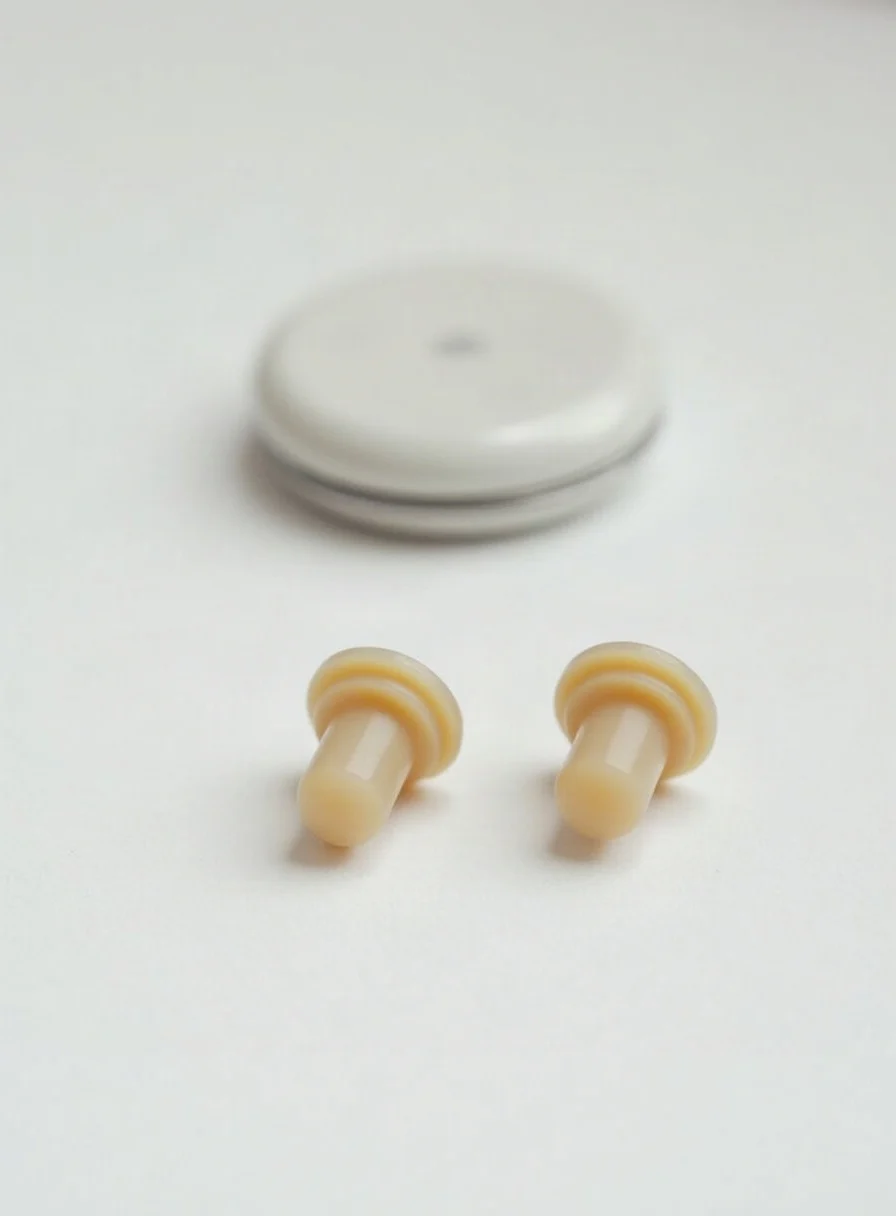
| Type | Looks like | Can it get wet? | Reusable? |
|---|---|---|---|
| Reusable silicone or flanged (Loop, Alpine, musician’s) | Firm moulded silicone, often with fins or a filter | Yes, lukewarm soapy water | Yes, over a period of months |
| Foam | Soft squishy foam you roll and insert | Barely. Squeeze in suds, do not soak | Only a few times, essentially disposable |
| Mouldable wax or silicone putty | A ball you flatten over the ear opening | No, keep dry | A few uses, then replace |
| Custom-moulded (audiologist-made) | Hard acrylic or soft silicone, shaped to your ear | Wipe damp. Follow the maker’s advice | Yes, for years |
| Electronic or noise-cancelling buds | Contain electronics | No submerging, wipe only | Yes |
If you are not sure what you have, check the pack or the maker’s website. When in doubt, treat the plug as the most delicate type and wipe it dry rather than soaking it.
Washing reusable silicone plugs, Loop-style included
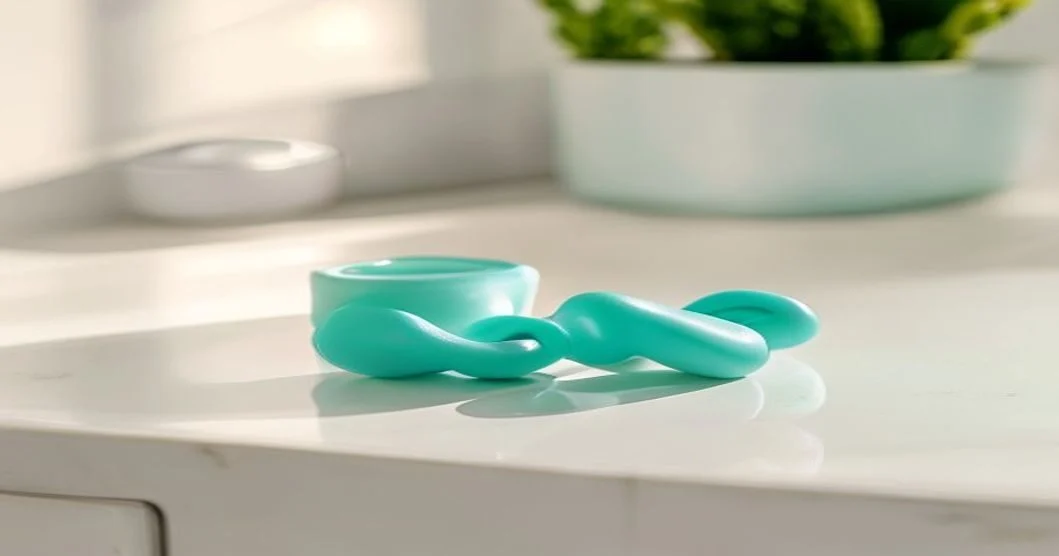
Reusable silicone plugs such as Loop, Alpine, Flare and musician’s plugs are designed to be washed and worn again and again. Do it weekly, or more often if you wear them nightly.
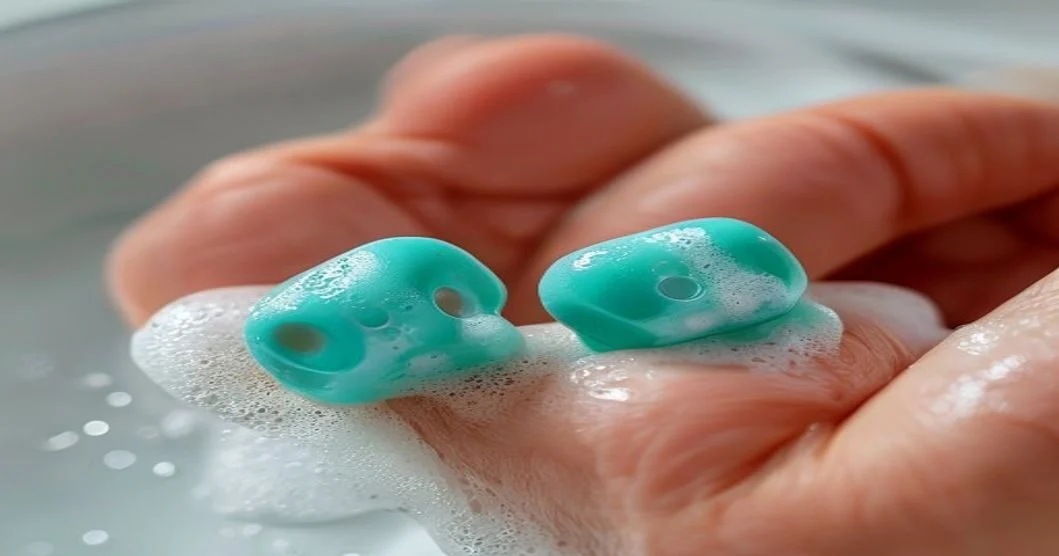
- Take them apart if they have removable tips or filters. Loop’s ear tips pull off, for example, and earwax hides where the parts meet.
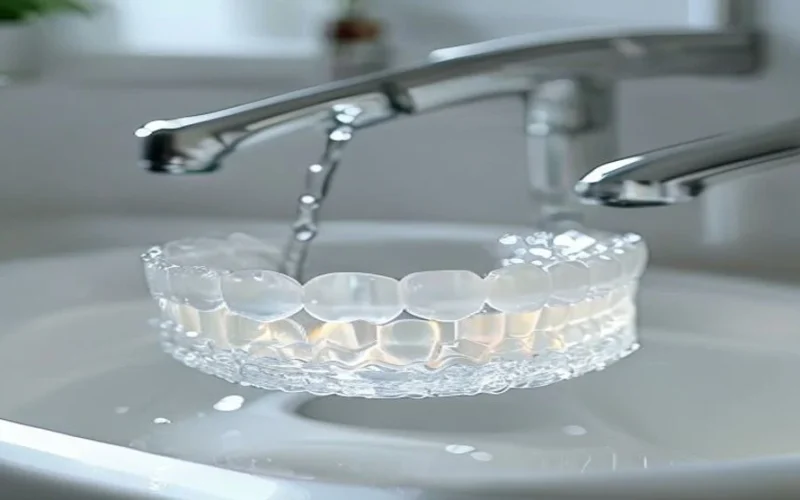
- Wash in lukewarm water with a small drop of mild soap or washing-up liquid. Use your fingers or a soft cloth to rub away wax and grime. Avoid hot water, which can warp or soften silicone and change the fit.
- Rinse thoroughly so no soap is left behind. Residue in the ear canal can irritate.
- Air-dry completely on a clean towel, inside and out, before reassembling. Putting damp plugs away invites bacteria and mould.
- Store them in their case or a small clean pouch, somewhere dry and away from heat.
Do not use alcohol wipes, bleach, harsh cleaners or boiling water routinely, as they can degrade silicone over time. If a plug is visibly perished, cracked or permanently discoloured, replace it. The maker’s own care page is the final word on a specific model.
Stubborn wax around the fins or in a filter port can be loosened with a soft toothbrush and a little soapy water, working gently. Do not poke at it with pins, needles or paper clips, which can cut the silicone and push wax into a filter. If a filter looks blocked and will not clear, replace the plug or the tips rather than forcing it. Cleaning a pair that you also use for travel or concerts is the same, but let them dry completely before they go back in their pouch, as a damp pouch in a bag is the quickest way to mould.
Foam plugs: why washing is a poor idea
See foam ear plugs on Amazon →
The honest answer is that foam ear plugs are designed to be disposable. The soft foam that makes them comfortable also soaks up water, sweat and wax, and once wet it struggles to spring back to full shape, which is exactly what it must do to seal your ear. Washing them repeatedly ruins the thing you bought them for.
- If you must clean a pair once or twice, squeeze them gently (do not scrub or soak) in lukewarm water with a tiny bit of mild soap, squeeze out the water, rinse and let them dry for several hours, ideally overnight, until they have fully expanded.
- Replace foam plugs regularly. Many are meant for a single use. Even sturdier ones should be binned after a few wears, or sooner if they are dirty, discoloured, torn or no longer bouncing back.
- Never re-insert a foam plug that stays flat after rolling. It will not protect your hearing and it is a hygiene risk.
If you get through a lot of foam plugs, that is a good argument for trying washable reusable silicone instead.
Wax, putty, custom and electronic plugs
Mouldable wax and silicone putty
These are the soft balls you flatten over the ear opening, sold under names such as Quies, Mack’s and Ohropax. They are the odd ones out: keep them completely dry. Water and soap break the wax down and ruin the tacky surface that lets them seal.
- Wipe off surface debris with a dry tissue or cloth after use.
- Never wash them in water or with cleaning products.
- Replace them once they stop sticking, pick up hair or grit, or look grubby. They are only good for a handful of uses by design.
Custom-moulded and musician’s plugs
Custom plugs made by an audiologist are an investment, so clean them gently and by the maker’s instructions.
- Soft silicone customs: wipe with a damp cloth or an alcohol-free wipe made for hearing devices. Some can be washed in lukewarm mild soapy water, so check with your audiologist.
- Hard acrylic customs: wipe with a slightly damp cloth or a specialist wipe, and use the little cleaning tool to clear wax from the sound bore.
- Filtered musician’s plugs: keep water away from the acoustic filter, wipe the body and do not submerge unless the maker says otherwise.
- Dry fully and store in the supplied case. Book a check with your audiologist if the fit changes or they stop sealing.
Electronic and noise-cancelling buds
Anything with electronics should never be submerged. Wipe the body with a slightly damp, lint-free cloth and use a dry soft brush on mesh or grilles. Our guide to cleaning AirPods shows the same low-moisture approach.
How often to clean, when to replace, and keeping ears healthy
| Type | Clean | Replace |
|---|---|---|
| Reusable silicone or Loop | Weekly, or after every few nightly wears | When cracked, perished or no longer sealing. Follow the maker’s guidance, as lifespans vary |
| Foam | Rarely. Squeeze-wash once or twice at most | After a single use or a few wears |
| Wax or putty | Wipe dry only | After a handful of uses |
| Custom-moulded | Wipe after each use | Years, with audiologist checks |
Signs a pair is finished
- The silicone is cracked, sticky, torn or permanently discoloured.
- Foam stays flat, or recovers slowly, after rolling.
- Wax or putty no longer holds its shape or grabs hair and grit.
- A smell returns within a day or two of a proper wash and full dry.
- The fit has changed, or noise is leaking past the seal.
- Your ears feel sore, itchy or blocked after wear.
Do not forget the case
A case that holds damp plugs spreads bacteria straight back onto clean ones. Empty it, wash it with warm soapy water every week or two, rinse and let it dry fully with the lid open before the plugs go back in. A case with small ventilation holes helps plugs finish drying, but still make sure they are dry before you close it.
Swimming and showering plugs
Plugs made for water need a rinse in fresh water after each swim to remove chlorine or salt, and a gentle wash with mild soap when they look grimy. Dry them fully, because trapped water in the ear is one of the things plugs are supposed to stop. Pool-grade and sleep-grade plugs are not interchangeable, so check the pack.
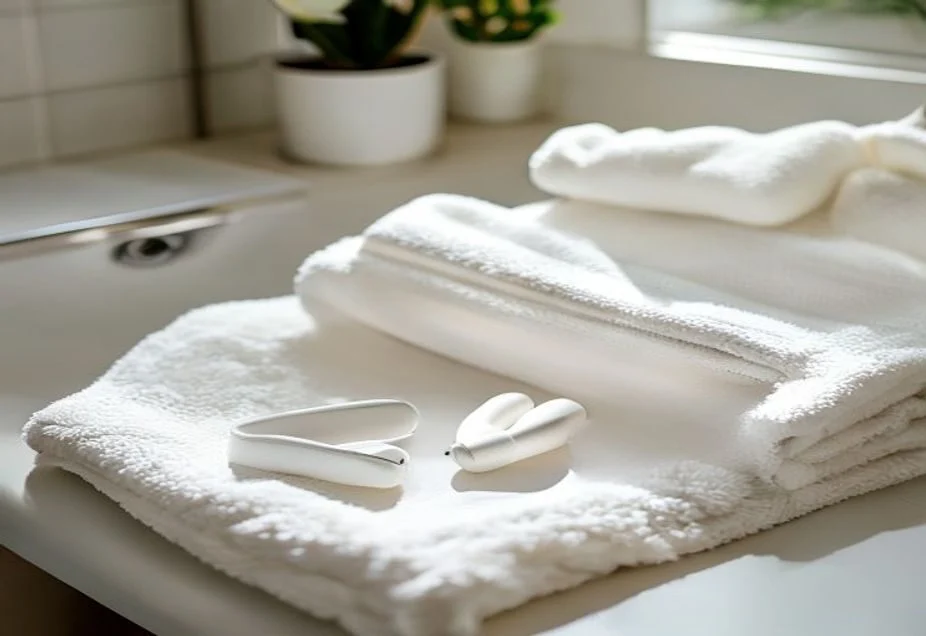
If you sleep in ear plugs every night, lean towards the shorter end of these intervals. Nightly wear means more wax and sweat, and a quick weekly wash of reusable plugs keeps your ears more comfortable. Wash and dry your hands before handling plugs, wipe reusable ones with a dry tissue after each wear, and store them in a case rather than loose in a pocket or on the bedside table.
A few ear-health points are worth knowing. Do not push plugs further in to cover up a build-up of wax. If your ears make a lot of wax or feel blocked, speak to a pharmacist or GP instead of digging it out with cotton buds or the plugs themselves. Our guide on cleaning ears safely explains what to avoid. Stop using plugs and see a GP or pharmacist if you have ear pain, discharge or persistent itching. Never share plugs, which swaps earwax and bacteria between people. The same hygiene logic applies to other things that sit in the mouth or ear, such as a mouth guard, a retainer or even a hip flask.
Four things that make plug care easier
You can clean plugs with soap and water and a clean towel, so none of this is essential. If you are shopping, here is what to look for. The links are Amazon UK searches.
- Reusable silicone ear plugs. Pick the style for your use (sleep, noise, swimming) and check whether the tips are replaceable, since that extends their life. Smooth surfaces without deep crevices are easier to wash.
- Foam ear plugs. Sold in multi-packs. Look for a size that suits a smaller or larger canal, and treat them as disposable.
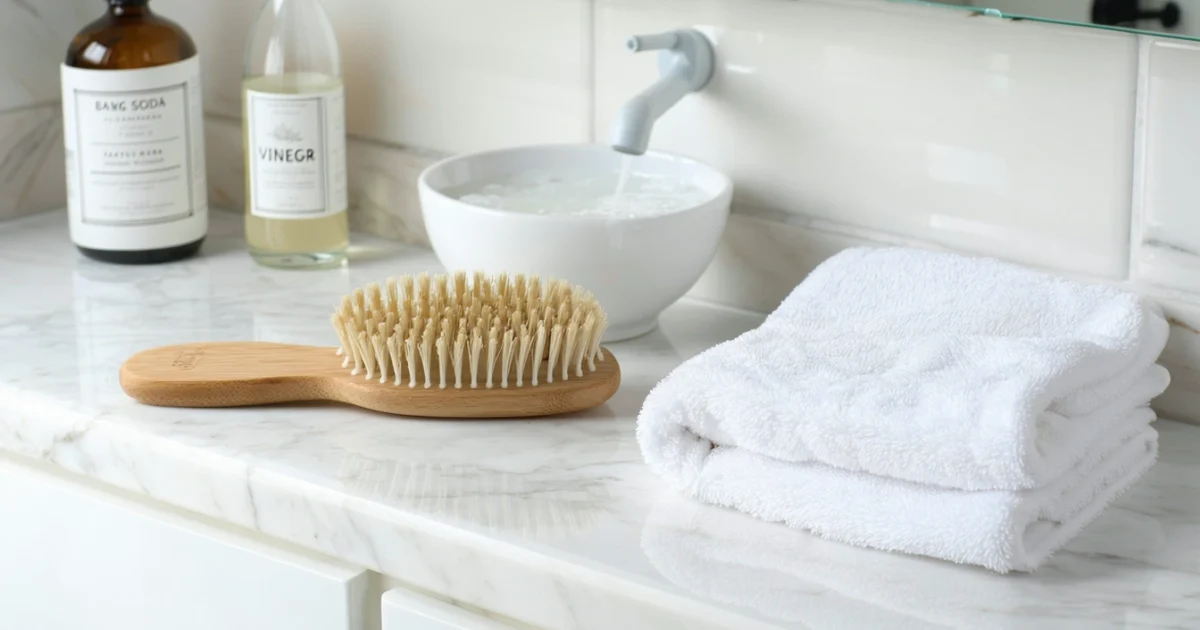
- Mild soap. Fragrance-free is gentler for plugs that sit in the ear canal. Rinse thoroughly. A drop of washing-up liquid also works.
- Ear plug case. A hard case with small air vents lets plugs finish drying. Check you can wash it too. Cheaper carry cases work if you only need to keep them from the bedside table.
As an Amazon Associate we earn from qualifying purchases.
Common questions
- Why do my ear plugs smell?
A smell means trapped earwax, sweat and bacteria, usually because the plugs were stored damp or not washed. Wash reusable plugs in lukewarm soapy water, rinse and dry completely, and store them dry. If a smell will not shift from foam or wax plugs, replace them. - How do I clean ear plugs for sleeping?
Use the method for your type, but clean more often because nightly wear builds up wax and sweat. Wash reusable silicone weekly, replace foam frequently, and swap wax plugs after a few nights. Always make sure they are bone dry before they go in the case. - Can dirty ear plugs cause ear infections?
They can contribute. Plugs loaded with old earwax and bacteria push that material back into the canal and trap moisture, which can lead to itching, irritation and sometimes infection. Keep plugs clean and dry, replace disposables on time and do not share them. If you get pain, discharge or persistent itching, see a GP or pharmacist. - Can you use alcohol or hydrogen peroxide to clean ear plugs?
It is usually unnecessary and can cause harm. Routine alcohol or strong disinfectants can degrade silicone and leave irritating residue. Mild soap and lukewarm water is enough for reusable plugs. If a maker recommends a particular disinfectant, follow their instructions and rinse thoroughly.