To clean a Joma Jewellery bracelet, wipe it gently with a dry, soft, lint-free or microfibre cloth, that’s all most need. For a deeper clean, dip it briefly in warm water with a tiny drop of mild soap, rub gently with a soft cloth, rinse and dry it thoroughly straight away. The one thing you must not do is use silver dip or silver polish: Joma pieces are delicately plated and finished with an anti-tarnish coating, and dip strips both, ruining the bracelet. Keep perfume, hairspray and hand cream off it, store it dry and separate, and a Joma bracelet stays bright for years.
Joma Jewellery, including the hugely popular “a little” beaded bracelets and their delicate chain and bangle styles, is designed to be dainty and affordable, which also means it’s delicate. Most tarnish and damage people see is self-inflicted, from harsh dip cleaners, perfume or soaking beaded bracelets that shouldn’t get wet. This guide covers exactly what your Joma is made of, the safe everyday and deep-clean methods, the special care beaded elastic bracelets need, how to slow tarnishing, and when a piece has simply reached the end of its coating.
Disclosure: Cleaners Guide is a participant in the Amazon Associates programme, so if you buy through links on this page we may earn a small commission at no extra cost to you. It never changes our recommendations, we suggest products because they work and we point out cheaper options where they do the same job. Prices and availability change, so always check the current price before buying.
What Joma Jewellery is actually made of
Knowing this is what stops you ruining it. Most Joma bracelets are silver or gold/rose-gold plated over a brass base, with some sterling silver pieces in the range. Crucially, Joma applies a protective anti-tarnish coating that keeps the shine and typically lasts around 2–3 years of normal wear. That coating is delicate and sits right on the surface, which is exactly why harsh cleaners are a disaster: they eat through the coating and the thin plating beneath, exposing the base metal, which then tarnishes fast. Gentle is not just nicer here; it’s the only thing that works.
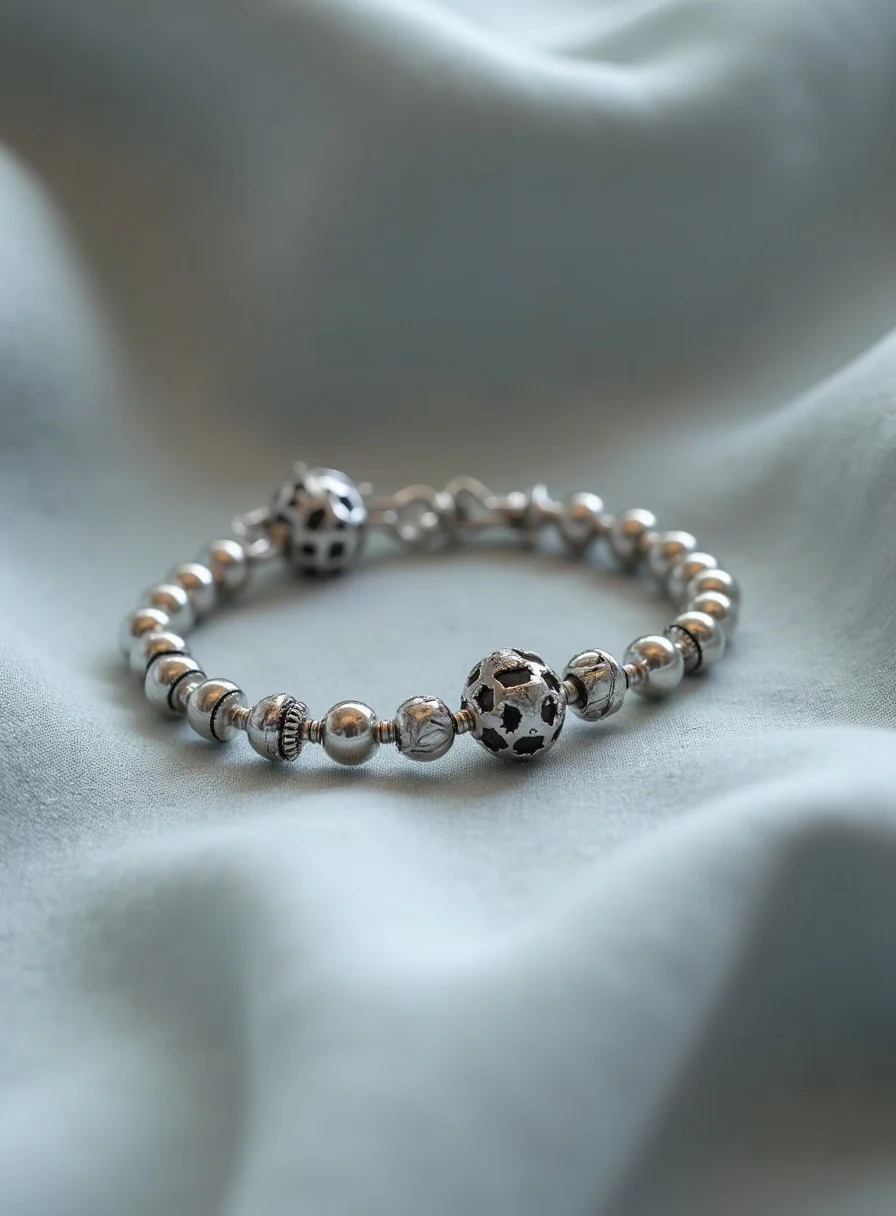
The everyday clean (all you usually need)
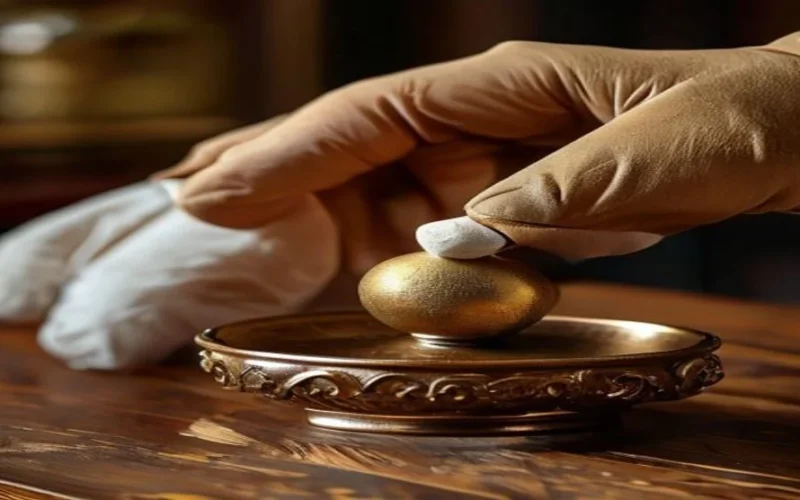
- Wipe with a dry, soft, lint-free or microfibre cloth after wearing, following the shape of the bracelet. This lifts off skin oils, sweat and product residue before they dull the finish.
- For a quick pick-me-up, a jewellery wipe (the kind made for plated/costume jewellery) removes dirt and oils and can leave a light protective layer.
- Don’t over-clean. A gentle regular wipe beats occasional heavy cleaning, Joma is happiest with light, frequent care.
Ninety per cent of the time, this dry-cloth wipe is the entire cleaning routine a Joma bracelet needs. Save water and soap for when it’s genuinely grubby.
The deep clean (only when it’s really needed)
If a chain or bangle is visibly dirty and a dry cloth isn’t enough, use the gentlest possible wet method, and only on solid chain/bangle styles, not beaded elastic ones (see below):
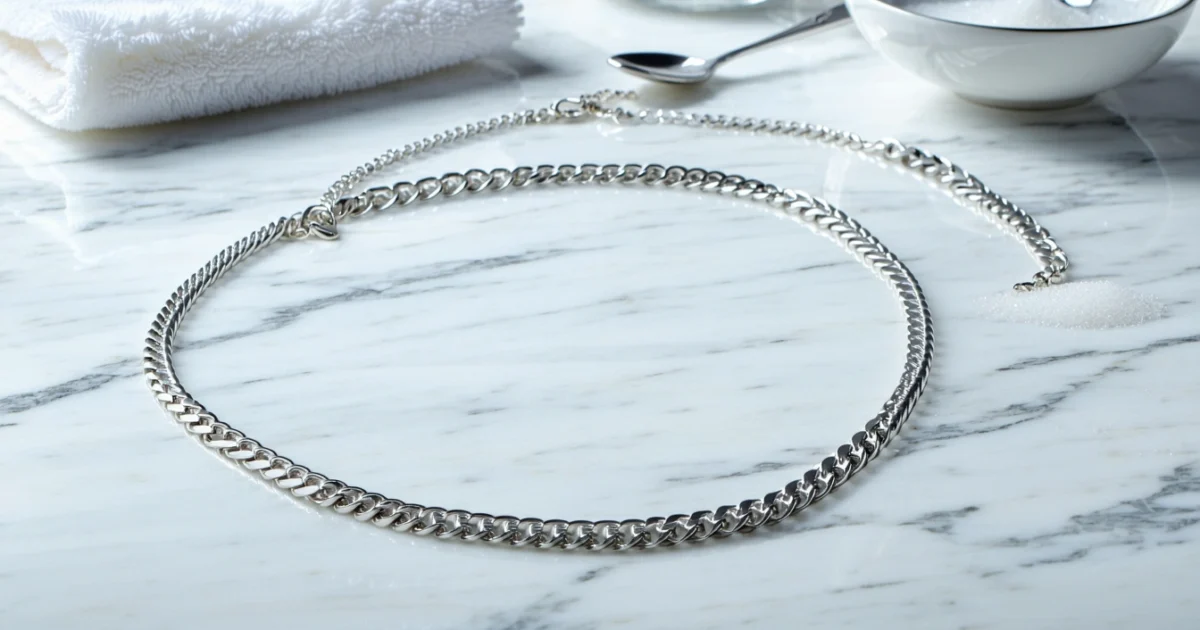
- Make a mild soapy solution: a bowl of warm water with a small drop of gentle liquid soap, swirled until slightly foamy.
- Dip the bracelet briefly, a minute or two, not a long soak.
- Rub gently with a soft cloth (or a very soft brush for detailed areas) to lift the dirt. Never scrub hard.
- Rinse in clean warm water to remove all soap.
- Dry thoroughly and immediately with a soft cloth, getting into any crevices, trapped moisture is what causes tarnish and dull spots. Let it air a few minutes before storing.
That’s as aggressive as you should ever get with Joma. If soapy water and a gentle rub don’t restore it, the coating has likely worn through, and no amount of harder cleaning will bring it back (it only makes it worse).
What never to use on Joma Jewellery
- Silver dip and silver polish, the single biggest mistake. These are made for solid sterling silver; on plated, coated Joma they strip the protective layer and plating, permanently ruining the piece.
- Silver polishing cloths (the impregnated kind), too abrasive/chemical for the thin coating; a plain dry microfibre is safer.
- Bleach, ammonia, chlorine and household detergents, corrode and discolour the metal.
- Perfume, hairspray, body cream and fake tan, the everyday tarnish culprits; their chemicals react with the finish.
- Toothpaste or bicarb “hacks”, abrasive; they scratch plating and dull the shine.
- Ultrasonic cleaners, too harsh for delicate plated and beaded pieces.
Cleaning beaded “a little” bracelets (the elastic ones)
Joma’s signature “a little” bracelets are faceted beads strung on elastic, and they need different handling from a solid chain, because the enemy here is water getting into the elastic and the bead holes.
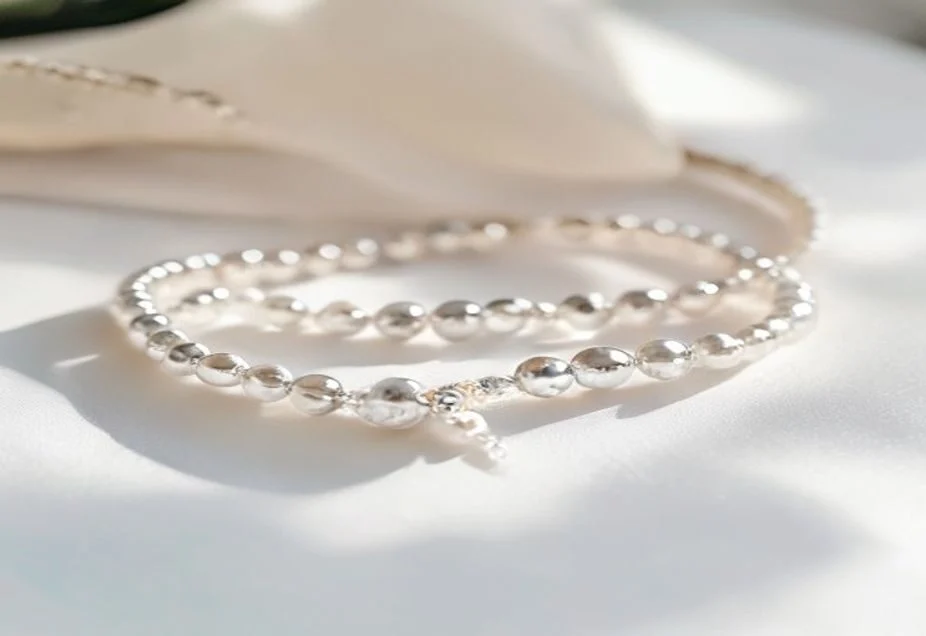
- Wipe, don’t soak. Clean the beads with a barely-damp soft cloth and buff dry immediately. Don’t submerge the bracelet, repeated soaking weakens the elastic and can trap water inside the beads, which dulls them from within.
- Keep them dry day to day: take beaded bracelets off before washing up, showering, swimming or the gym. Moisture and sweat are what perish the elastic and cloud the beads fastest.
- If the elastic stretches or snaps, the bracelet can be re-strung on fresh bead elastic (0.7–1mm), a quick, cheap fix that gives it a second life rather than binning it.
- Store them flat and loose, not stretched over a hook or bunched with other bracelets.
| Task | Do this | Never |
|---|---|---|
| Everyday clean | Wipe with a soft dry jewellery cloth | Do not soak plated pieces |
| Marks | Barely damp cloth, then dry at once | No dips, no harsh chemicals |
| Slow tarnish | Store in the pouch and keep it dry | Do not wear it in the shower |
| Beaded elastic | Wipe the beads, keep the elastic dry | Never submerge the elastic |
How to slow tarnishing and keep it shining
Prevention beats cleaning every time with delicate jewellery. A few habits keep Joma bright far longer:
- Last on, first off. Put your bracelet on after perfume, hairspray, moisturiser and make-up, and take it off first at the end of the day. This one habit prevents most tarnish.
- Take it off for water and sweat, washing up, showering, swimming, exercise and cleaning. Chlorine, salt water and sweat are all hard on the finish.
- Wipe after wearing with a dry cloth to remove the day’s oils and residue.
- Wear your sterling silver pieces regularly, the gentle friction and natural skin oils actually help keep sterling silver from tarnishing.
- Store it right (next section), how you store Joma matters as much as how you clean it.
How to store Joma Jewellery
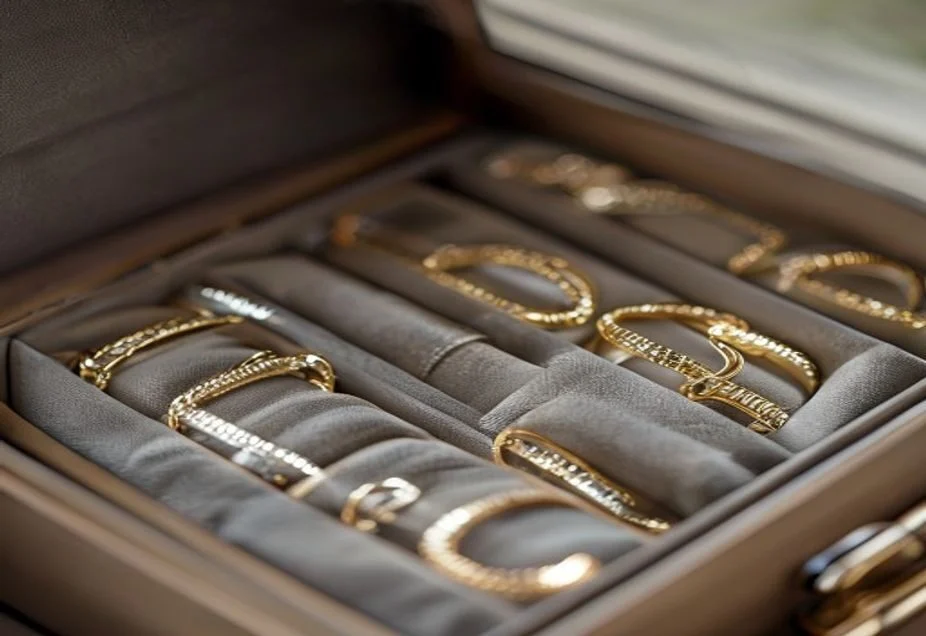
- Keep pieces separate so they don’t scratch each other, the original Joma pouch or a soft-lined box with compartments is ideal.
- Store cool, dark and dry. Humidity (like a steamy bathroom) speeds up tarnishing, so a bedroom drawer beats the bathroom cabinet.
- An anti-tarnish strip tucked into the box or pouch absorbs the moisture and gases that cause tarnish.
- Always store it clean and fully dry, putting a bracelet away with skin oils or moisture on it is how tarnish sets in during storage.
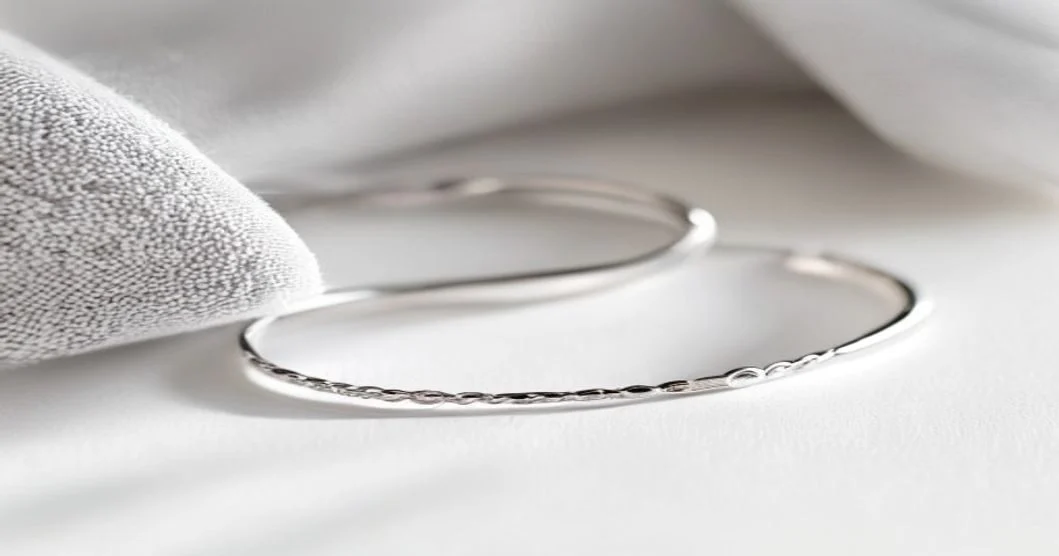
Gentle, dry care that protects the delicate plating.
When the coating has worn out
Joma’s protective coating lasts roughly 2–3 years of regular wear, and the plating is thin by nature. If a bracelet has gone patchy, is showing a different colour of metal underneath, or won’t come up with gentle cleaning, the finish has simply worn through, that’s the end of its life rather than a cleaning problem, and harsher cleaning will only accelerate it. Because Joma is affordable, most people replace a well-loved piece at that point; a jeweller can sometimes re-plate solid items, but for thin costume bracelets it’s rarely worth the cost. The good news: gentle care and sensible storage can push that 2–3 years considerably further.
Frequently asked questions
How do you clean a Joma Jewellery bracelet?
For everyday care, wipe it gently with a dry, soft, lint-free or microfibre cloth. If it’s genuinely dirty and it’s a solid chain or bangle, dip it briefly in warm water with a tiny drop of mild soap, rub gently with a soft cloth, rinse and dry it thoroughly straight away. Never use silver dip or polish, and keep perfume and hairspray off it.
Can you use silver dip or silver polish on Joma Jewellery?
No, this is the number-one way to ruin it. Joma is delicately plated and finished with a protective anti-tarnish coating. Silver dip and polish are designed for solid sterling silver and will strip Joma’s coating and thin plating, exposing the base metal underneath, which then tarnishes quickly. Stick to a dry cloth or, at most, mild soapy water.
Why has my Joma bracelet gone dull or tarnished?
Usually from contact with perfume, hairspray, body cream, sweat or water, which react with the finish, or from the protective coating naturally wearing thin over time. Wiping it after wear, keeping cosmetics and water off it, and storing it dry all slow this down. If it’s gone patchy with a different metal showing through, the plating has worn out rather than just being dirty.
Can Joma “a little” beaded bracelets get wet?
Keep them as dry as possible. The beads are strung on elastic, and repeated soaking weakens the elastic and can trap water inside the beads, dulling them. Clean beaded bracelets with a barely-damp cloth and buff dry at once, and take them off before showering, swimming, washing up or the gym.
Is Joma Jewellery real silver?
Some pieces are sterling silver, but much of the range is silver, gold or rose-gold plated over a brass base, finished with a protective anti-tarnish coating. That’s why it needs gentle care rather than the harsh cleaners you’d use on solid silver, the plating and coating are thin and easily stripped.
How do you stop Joma Jewellery from tarnishing?
Put it on last (after perfume, hairspray and moisturiser) and take it off first; remove it for showering, swimming, exercise and washing up; wipe it with a dry cloth after wear; and store it clean, dry and separate, ideally with an anti-tarnish strip in a cool, dark drawer rather than a humid bathroom.
Can you fix a stretched or snapped Joma beaded bracelet?
Yes. Because the “a little” bracelets are strung on elastic, a stretched or broken one can be re-strung on fresh bead elastic (around 0.7–1mm), keeping the original beads and charm. It’s a cheap, quick repair, well worth doing rather than throwing a sentimental piece away.
How often should you clean Joma Jewellery?
A quick dry-cloth wipe after each wear is ideal and prevents build-up, that’s the main routine. A gentle soapy-water clean is only needed occasionally, when a solid piece looks visibly grubby. Over-cleaning does more harm than good with delicate plated jewellery, so light and regular beats heavy and rare.
For more jewellery and metal care, see our guides on how to clean bronze and how to clean a pewter or stainless hip flask.