How to Clean Your Oven with Lemon: Natural & Effective

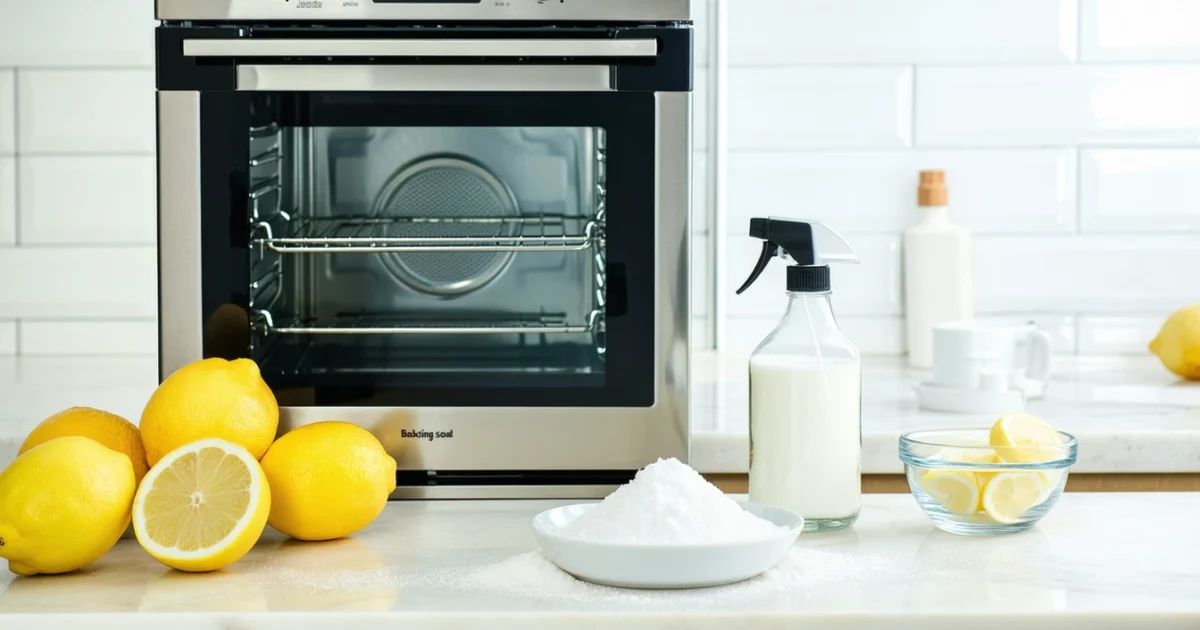
How to clean your oven with lemon is a natural, effective method that uses citric acid to cut through grease and grime without harsh chemicals. This eco-friendly approach combines lemon’s natural degreasing properties with simple household ingredients like baking soda and vinegar to restore your oven’s cleanliness. Moreover, lemon cleaning eliminates unpleasant cooking odours whilst being completely safe for food preparation areas.
Unlike commercial oven cleaners that contain toxic fumes, lemon-based cleaning provides a cost-effective alternative that’s gentle on both your health and the environment. Additionally, the natural acidity in lemons breaks down stubborn burnt-on food and grease deposits effectively. Furthermore, this method works brilliantly alongside other natural cleaning techniques, such as those used for homemade cleaning solutions.
The process involves two main methods: steam cleaning with lemon water and creating a lemon-baking soda paste for stubborn stains. Both techniques require minimal preparation and use ingredients you likely already have in your kitchen cupboard.
TL;DR
- Lemon steam method: Heat lemon water in oven at 120°C for 30 minutes, then wipe clean
- Lemon paste technique: Mix lemon juice with baking soda, apply to stains, leave 20-30 minutes, then scrub
- Safe and natural: Chemical-free cleaning that’s environmentally friendly and eliminates cooking odours
- Cost-effective solution: Uses common household ingredients instead of expensive commercial cleaners
Why Choose Lemon for Oven Cleaning
Lemon stands out as nature’s most effective degreasing agent for oven cleaning due to its powerful citric acid content. The natural acidity in lemons cuts through grease and grime more effectively than many synthetic alternatives. Furthermore, this citrus powerhouse dissolves burnt-on food residues whilst maintaining complete safety for food preparation areas.
Chemical-free cleaning represents the primary advantage of using lemons in your oven maintenance routine. Unlike commercial cleaners that release toxic fumes, lemon-based solutions eliminate health risks associated with harsh chemicals. Additionally, this natural approach ensures your oven remains safe for cooking immediately after cleaning without requiring extensive ventilation periods.
The pleasant citrus scent that lemons produce actively eliminates cooking odours rather than simply masking them. This aromatic benefit transforms the cleaning process from an unpleasant chore into a refreshing experience. Moreover, the natural fragrance lingers briefly, leaving your kitchen smelling clean and fresh without artificial perfumes.
Cost-effectiveness makes lemon cleaning particularly attractive for budget-conscious households across the UK. A single lemon typically costs under 30p yet provides enough cleaning power for multiple oven cleaning sessions. Consequently, this natural method costs significantly less than commercial oven cleaners that often exceed £5 per bottle.
Environmental benefits position lemon cleaning as an eco-friendly alternative that supports sustainable household practices. Lemons are completely biodegradable and leave no harmful residues in waterways or soil. Similarly, this approach reduces plastic waste from commercial cleaner packaging whilst supporting environmentally conscious cleaning habits throughout your home, much like other natural cleaning solutions.
Lemon’s citric acid content reaches 5-6%, making it more acidic than most commercial degreasers
The versatility of lemon cleaning extends beyond basic grease removal to tackle stubborn stains and burnt-on deposits. This natural acid works particularly well on glass oven doors, removing streaks and cloudiness that other methods often leave behind. Therefore, choosing lemon creates a comprehensive cleaning solution that addresses multiple oven cleaning challenges simultaneously.
What You'll Need for Lemon Oven Cleaning
Gathering the right materials ensures your lemon oven cleaning achieves professional results whilst maintaining safety throughout the process. Fresh ingredients and proper tools transform this natural cleaning method into an effective solution that rivals commercial products. Additionally, having everything prepared beforehand streamlines the cleaning process and prevents interruptions.
Essential Lemon Supplies
Fresh lemons provide the most potent cleaning power, with 3-4 large lemons typically sufficient for a standard UK oven. Choose lemons that feel heavy for their size and have bright yellow skin without soft spots. However, bottled lemon juice serves as an acceptable alternative when fresh lemons aren’t available, though it contains slightly lower citric acid concentrations.
The citric acid content varies between fresh and bottled options, affecting cleaning effectiveness accordingly. Fresh lemons contain approximately 5-6% citric acid, whilst bottled varieties typically range from 4-5% due to processing methods. Therefore, fresh lemons deliver superior grease-cutting performance and natural cleaning power.
Supporting Cleaning Agents
Baking soda enhances the cleaning power of lemon juice through its alkaline properties that neutralise acidic grease residues. This combination creates a mild abrasive action that removes stubborn deposits without scratching oven surfaces. Furthermore, baking soda helps lift burnt-on food particles that lemon acid alone might struggle to dissolve.
White vinegar tackles particularly stubborn stains and mineral deposits that accumulate over time in UK ovens. When combined with lemon juice, vinegar creates an enhanced acidic solution that breaks down calcium buildup and water spots. Moreover, this partnership proves especially effective on glass oven doors where streaking often occurs.
Cleaning Tools and Equipment
- Microfibre cloths capture grease and debris without leaving lint or scratches
- Scrubbing brush with soft bristles removes stubborn deposits safely
- Oven-safe bowl holds lemon water for the steaming cleaning method
- Rubber gloves protect hands from citric acid and hot surfaces
Microfibre cloths outperform traditional cotton rags because their synthetic fibres trap grease molecules more effectively. These cloths also rinse clean easily and dry quickly between uses. Similarly, choosing the right scrubbing brush prevents surface damage whilst providing adequate cleaning pressure for tough stains.
An oven-safe glass or ceramic bowl proves essential for the steaming method, which uses heated lemon water to soften grease deposits. This bowl must withstand temperatures up to 200°C without cracking or releasing harmful chemicals. Consequently, avoiding plastic containers prevents melting and potential toxic fume release during the heating process.
Safety equipment protects both your hands and respiratory system during cleaning. Rubber gloves prevent citric acid from drying out skin and provide grip when handling wet surfaces. Additionally, ensuring proper ventilation helps disperse cleaning vapours and maintains air quality throughout the cleaning process, similar to other natural cleaning methods that use acidic solutions.
Preparing Your Oven for Cleaning
Proper preparation ensures your lemon cleaning method works effectively whilst maintaining safety throughout the process. Therefore, removing all removable components creates clear access to every surface that requires attention.
Oven racks and drip trays must come out completely before starting any cleaning procedure. These components often harbour the most stubborn grease deposits and food residue. Furthermore, cleaning them separately allows for thorough attention without obstruction from the oven cavity walls.
Loose debris and food particles require removal before applying lemon-based cleaning solutions. Consequently, using a dry brush or vacuum cleaner attachment eliminates crumbs and burnt fragments that might interfere with the cleaning process. This preliminary step prevents debris from mixing with your lemon solution and creating a messy paste.
Temperature safety proves absolutely critical when preparing for oven cleaning. Your oven must be completely cool before you begin the preparation process. Additionally, waiting at least two hours after cooking ensures internal temperatures drop to safe handling levels and prevents burns from residual heat.
Manufacturer cleaning recommendations provide essential guidance specific to your oven model. These instructions often specify which cleaning agents are safe for your particular oven type and coating. Moreover, following manufacturer guidelines helps maintain your warranty coverage whilst preventing damage to sensitive components like heating elements or electronic controls.
Kitchen ventilation becomes especially important when using natural acids like lemon juice for cleaning purposes. Opening windows and activating extractor fans helps disperse cleaning vapours and maintains fresh air circulation. Similarly, proper ventilation prevents moisture buildup that might interfere with the cleaning process or create condensation issues, particularly when using natural cleaning methods on glass surfaces.
- Remove all racks, trays, and thermometers
- Clear loose debris with brush or vacuum
- Verify oven temperature is room temperature
- Check manufacturer’s cleaning guidelines
- Open windows and activate kitchen ventilation
Checking your oven’s self-cleaning function compatibility with natural cleaning methods prevents potential conflicts. Some ovens require specific preparation steps before manual cleaning begins. Therefore, consulting your user manual ensures you follow the correct sequence for your particular appliance model.
Method 1: Lemon Steam Cleaning
Lemon steam cleaning harnesses the natural acidity of citrus fruits to dissolve grease whilst creating gentle steam that softens stubborn grime. This method combines the degreasing properties of lemon juice with the penetrating power of heated moisture to tackle oven buildup effectively.
Begin by selecting an oven-safe bowl large enough to hold approximately 500ml of liquid. Glass or ceramic bowls work best as they withstand high temperatures without releasing harmful chemicals. Furthermore, these materials conduct heat evenly, ensuring consistent steam production throughout the cleaning process.
Fill your chosen bowl with equal parts water and fresh lemon juice – typically 250ml of each creates sufficient steam for most standard ovens. Fresh lemon juice contains higher concentrations of citric acid compared to bottled alternatives, making it more effective at breaking down grease molecules. Additionally, the natural oils in fresh lemon peels provide extra cleaning power when you squeeze whole lemons directly into the mixture.
Place the filled bowl on your oven’s centre rack and heat the oven to 120°C (250°F) for exactly 30 minutes. This temperature creates optimal steam without causing rapid evaporation that would reduce cleaning effectiveness. Meanwhile, the moderate heat prevents damage to oven surfaces whilst allowing the acidic steam to penetrate dried-on food residues thoroughly.
During the heating process, lemon-infused steam circulates throughout the oven cavity, softening grease deposits and loosening baked-on spills. The acidic vapour works particularly well on alkaline food residues, neutralising odours whilst breaking down stubborn stains. Consequently, this natural chemical reaction eliminates the need for harsh commercial cleaners that might leave toxic residues.
Turn off the oven after 30 minutes and allow it to cool for 15 minutes before opening the door. This cooling period prevents burns from escaping steam whilst allowing the loosened grime to remain soft for easy removal. Moreover, the residual heat continues the cleaning action during this waiting period, maximising the method’s effectiveness.
Wipe down the entire oven interior using a damp microfibre cloth, working from top to bottom to prevent dripping dirty water onto cleaned surfaces. The softened grease and grime should remove easily with gentle pressure, requiring minimal scrubbing effort. For particularly stubborn spots, use the remaining lemon water from the bowl as a natural cleaning solution, applying it directly to problem areas before wiping clean.
Pro tip: Save the used lemon halves after juicing to scrub any remaining stains – the textured peel provides gentle abrasion whilst the remaining citric acid continues breaking down residues. This technique works especially well on glass surfaces where you need extra cleaning power without scratching.
Method 2: Lemon and Baking Soda Paste
When steam cleaning alone cannot tackle particularly stubborn burnt-on deposits, combining lemon juice with baking soda creates a powerful alkaline paste that dissolves even the most persistent oven stains. This chemical combination works through a dual-action process: the citric acid breaks down grease whilst the sodium bicarbonate provides gentle abrasive action.
Begin by squeezing two fresh lemons into a mixing bowl, then gradually add baking soda until you achieve a thick, spreadable consistency. The paste should hold its shape when applied but remain moist enough to adhere to vertical surfaces. Additionally, this mixture produces a mild fizzing reaction that helps lift embedded grime from oven surfaces.
Apply the lemon-baking soda paste generously to all stained areas, focusing particularly on burnt food residues and grease accumulation around the oven door and bottom. Use a pastry brush or your fingers to spread the mixture evenly, ensuring complete coverage of problem areas. Furthermore, pay special attention to the oven racks, which often harbour the most stubborn deposits.
Allow the paste to work for 20-30 minutes, during which time the acidic and alkaline components break down carbonised food particles and dissolve grease molecules. The longer contact time enables deeper penetration into burnt-on stains that resist conventional cleaning methods. Meanwhile, the paste will darken as it absorbs dissolved grime, indicating the cleaning action is working effectively.
Scrub gently using a soft-bristled brush or microfibre cloth, working in circular motions to lift loosened debris without scratching oven surfaces. The baking soda provides natural abrasive action whilst the lemon juice continues dissolving stubborn residues during the scrubbing process. However, avoid excessive pressure on glass surfaces or delicate enamel finishes to prevent damage.
Rinse thoroughly with clean water to remove all paste residue, then dry completely with a clean towel to prevent water spots and streaking. Proper rinsing ensures no alkaline residue remains that could affect food flavours during future cooking. Finally, this method leaves your oven not only spotlessly clean but also naturally deodorised with a fresh citrus scent.
Cleaning Oven Racks and Accessories
Oven racks accumulate grease, food particles, and burnt residues that require targeted cleaning approaches beyond the main oven cavity treatment. These removable components benefit from extended soaking periods that allow lemon’s natural acids to penetrate stubborn deposits. Moreover, the rack structure’s intricate design demands specialised techniques to reach every crevice and corner effectively.
Remove all racks and accessories from your oven before beginning the cleaning process. Subsequently, fill your kitchen sink with hot water and add the juice of two fresh lemons, creating an acidic soaking solution that breaks down carbonised food particles. The heated water accelerates the cleaning action whilst the citric acid dissolves mineral deposits and grease accumulation naturally.
Submerge racks completely in the lemon water solution for 30-45 minutes, allowing sufficient time for the acid to soften hardened debris. During this soaking period, the hot water opens pores in metal surfaces whilst lemon juice penetrates deep into burnt-on stains. Additionally, this extended contact time reduces the physical scrubbing required later in the process.
Create a natural abrasive tool by cutting a fresh lemon half and dipping the cut surface into coarse salt crystals. This combination provides both acidic cleaning power and gentle abrasive action that removes stubborn deposits without scratching metal surfaces. Furthermore, the salt crystals act as a natural scouring agent that enhances the lemon’s cleaning effectiveness.
Scrub rack surfaces systematically using the salt-dipped lemon half, applying moderate pressure to dissolve remaining stains and deposits. The citric acid continues working during scrubbing whilst the salt provides mechanical action against carbonised particles. However, work methodically across each rack section to ensure complete coverage and consistent cleaning results.
Target intricate areas and tight corners using an old toothbrush dipped in the lemon soaking solution, reaching spaces that larger cleaning tools cannot access effectively. The bristles navigate between rack wires and around mounting points where grease typically accumulates. Similarly, this detailed approach ensures thorough cleaning of all rack components and accessories.
Clean drip trays and oven accessories using the identical lemon and salt method, adapting your technique to each component’s specific design and material composition. These accessories often harbour concentrated grease deposits that respond well to lemon’s degreasing properties. Additionally, the natural cleaning approach prevents chemical residues that could affect food safety during future cooking sessions.
Rinse all components thoroughly under running water to remove dissolved debris, salt crystals, and lemon residue completely. Proper rinsing prevents mineral deposits from forming as water evaporates and ensures no cleaning solution remains on food-contact surfaces. Subsequently, inspect each piece to verify complete removal of stains and cleaning agents.
Dry racks and accessories completely using clean towels before returning them to your oven, preventing water spots and potential rust formation on metal components. Thorough drying also eliminates moisture that could create steam during initial oven use after cleaning. Finally, this comprehensive approach leaves all oven components spotlessly clean and ready for immediate use without any residual odours or cleaning solution traces.
Tackling the Oven Door and Glass
The oven door and glass require specialized attention because grease splatters and food residue create stubborn stains that standard cleaning methods struggle to remove. Lemon’s natural acidity combined with vinegar creates a powerful glass-cleaning solution that dissolves burnt-on deposits without leaving chemical residues. Moreover, this natural approach prevents damage to door seals and glass surfaces that harsh commercial cleaners might cause.
Create your lemon and vinegar solution by mixing equal parts fresh lemon juice and white vinegar in a clean spray bottle. This combination provides optimal cleaning power whilst maintaining safety for food preparation areas. Additionally, the citrus oils in lemon juice help break down grease molecules that vinegar alone cannot tackle effectively.
Apply the solution using a spray bottle for even coverage across the entire glass surface, ensuring consistent distribution without oversaturating any areas. The spray method prevents dripping that could damage electrical components or create puddles around door seals. Furthermore, even application ensures uniform cleaning action across all glass surfaces and prevents streaking during the wiping process.
Allow the lemon-vinegar solution to work for 5-10 minutes on heavily soiled areas, giving the acids time to dissolve stubborn deposits and burnt-on food particles. This dwell time maximizes cleaning effectiveness whilst preventing the solution from drying completely on the glass surface. Subsequently, the loosened debris wipes away more easily with minimal scrubbing effort.
Use newspaper or lint-free cloth for wiping to achieve a streak-free finish that commercial glass cleaners often fail to deliver. Newspaper’s ink composition and texture create optimal friction for removing dissolved residue without leaving fibres or streaks behind. Alternatively, microfibre cloths designed specifically for glass cleaning provide similar results through their specialized weave pattern.
Clean door seals carefully with a damp cloth infused with lemon juice, avoiding excessive moisture that could penetrate seal mechanisms and cause damage. These rubber or silicone seals trap grease and food particles that compromise oven efficiency and create unpleasant odours during cooking. Therefore, gentle cleaning preserves seal integrity whilst removing accumulated debris that affects door closure.
Work systematically around the entire door perimeter, paying special attention to corners and crevices where debris typically accumulates most heavily. The door seal’s design creates natural collection points for grease and food particles that require targeted cleaning attention. Consequently, thorough seal cleaning prevents bacterial growth and maintains proper oven sealing for energy efficiency.
Polish the exterior door surface with a dry microfibre cloth to remove water spots and restore the original finish without scratching delicate surfaces. This final polishing step eliminates any remaining moisture and cleaning solution residue that could attract dust or create smears. Additionally, proper polishing maintains your oven’s appearance and prevents mineral deposits from building up over time.
Inspect the glass thoroughly from different angles to identify any remaining spots or streaks that require additional attention before considering the cleaning process complete. Proper lighting reveals imperfections that standard overhead illumination might miss, ensuring professional-quality results. Finally, this comprehensive door and glass cleaning approach leaves your oven looking pristine whilst maintaining optimal visibility for monitoring cooking progress.
Safety Tips and Precautions
Proper safety measures protect both you and your oven during lemon cleaning procedures. Citric acid in lemons creates acidic conditions that require specific precautions to prevent damage or injury. Moreover, electrical components and heating elements demand careful handling to maintain oven functionality.
Never activate the self-cleaning cycle whilst lemon residue remains inside your oven. Self-cleaning temperatures reach 480°C, which carbonises organic matter and creates potentially harmful fumes from citrus oils. Furthermore, this extreme heat can damage oven components when combined with acidic cleaning solutions.
Test your lemon cleaning solution on a small hidden area before applying it throughout the oven interior. Hidden spots behind removable racks or in lower corners provide ideal testing locations without risking visible damage. Additionally, this preliminary test reveals how your specific oven surface responds to citric acid exposure.
Protect electrical components from moisture infiltration by avoiding spray applications near control panels, heating elements, and wiring connections. Moisture damage to electrical systems creates fire hazards and expensive repair requirements that proper precautions easily prevent. Therefore, use damp cloths rather than spray bottles around sensitive electronic areas.
Wear protective gloves throughout the cleaning process to shield your hands from citric acid irritation and prolonged moisture exposure. Natural rubber or nitrile gloves provide excellent protection whilst maintaining dexterity for detailed cleaning work. Consequently, glove protection prevents skin drying and potential allergic reactions to concentrated lemon acids.
Ensure adequate ventilation by opening windows and activating exhaust fans before beginning your lemon cleaning session. Proper airflow removes cleaning vapours and prevents moisture accumulation that could damage surrounding cabinetry or create mould conditions. Similarly, good ventilation accelerates drying times and reduces the risk of respiratory irritation from concentrated citrus oils.
Allow your oven to cool completely before applying lemon cleaning solutions to prevent rapid evaporation and potential burns from hot surfaces. Surface temperatures above 40°C reduce cleaning effectiveness and create safety hazards during the cleaning process. Glass surfaces particularly require careful temperature management to prevent thermal shock and cracking.
Keep pets and children away from the cleaning area whilst citric acid solutions remain active inside your oven. Household safety requires restricting access to prevent accidental contact with cleaning solutions or slippery surfaces around the oven area. Finally, this precautionary approach ensures family safety whilst maintaining focus on thorough oven cleaning procedures.
Maintaining Your Oven After Lemon Cleaning
Proper maintenance extends the effectiveness of your lemon cleaning efforts and prevents heavy grease buildup between deep cleaning sessions. Immediate spill management forms the cornerstone of effective oven maintenance. Consequently, addressing spills whilst they remain fresh prevents carbonisation and reduces future cleaning requirements.
Wipe spills immediately after cooking using a damp cloth or paper towel before residues harden onto oven surfaces. Fresh spills remove easily without requiring aggressive scrubbing or harsh chemicals that could damage oven finishes. Moreover, prompt cleaning prevents grease penetration into enamel surfaces where removal becomes increasingly difficult.
Place a baking tray on the bottom rack to catch drips and prevent direct contact with oven floors during cooking. This protective barrier collects food particles, grease splatters, and liquid spills before they reach permanent oven surfaces. Additionally, removable trays facilitate easier cleaning compared to scrubbing built-in oven components.
Perform light lemon cleaning monthly to maintain optimal oven hygiene and prevent stubborn buildup formation. Monthly maintenance involves wiping surfaces with diluted lemon juice solution and addressing visible stains before they become embedded. Furthermore, regular light cleaning reduces the intensity required for quarterly deep cleaning sessions.
Schedule deep cleaning with lemon method every 3-4 months depending on oven usage frequency and cooking habits. Heavy users requiring daily oven operation benefit from quarterly deep cleaning, whilst occasional users extend intervals to four months safely. Consistent scheduling prevents overwhelming grease accumulation that challenges even effective lemon cleaning solutions.
Keep your oven door slightly open after use to promote air circulation and moisture evaporation from interior surfaces. Proper ventilation prevents condensation buildup that encourages bacterial growth and unpleasant odours within enclosed oven spaces. Similarly, air drying reduces humidity levels that could compromise oven insulation or electrical components over time.
Monitor oven performance indicators such as heating efficiency, temperature accuracy, and unusual odours that signal maintenance needs. Performance degradation often indicates grease buildup affecting heating elements or ventilation systems requiring immediate attention. Therefore, proactive monitoring prevents minor maintenance issues from developing into costly repair requirements.
Frequently Asked Questions
How long does it take to clean an oven with lemon?
The lemon steam method takes approximately 45 minutes total – 30 minutes for heating the lemon water in the oven at 120°C, plus 15 minutes for wiping down. For stubborn stains using the lemon-baking soda paste, allow an additional 20-30 minutes for the paste to work before scrubbing.
Can I use bottled lemon juice instead of fresh lemons?
Fresh lemons work best due to their higher citric acid content (5-6%), but bottled lemon juice can be used as an alternative. However, fresh lemons provide better degreasing power and leave a more pleasant natural fragrance in your oven.
Is lemon cleaning safe for all oven types?
Yes, lemon cleaning is safe for all oven types including gas, electric, and fan ovens. The natural citric acid won’t damage oven surfaces or seals, making it gentler than harsh commercial cleaners whilst being completely food-safe.
How much does lemon oven cleaning cost compared to commercial cleaners?
Lemon cleaning is significantly more cost-effective. A single lemon costs under 30p and can clean your oven multiple times, whilst commercial oven cleaners often cost £5 or more per bottle. This makes lemon cleaning approximately 90% cheaper than shop-bought alternatives.
Will lemon cleaning remove really stubborn burnt-on grease?
Yes, the citric acid in lemons effectively breaks down stubborn burnt-on food and grease deposits. For particularly tough stains, use the lemon-baking soda paste method, leaving it to work for 30 minutes before scrubbing. The natural acidity dissolves even hardened grease buildup.
Do I need to rinse the oven after cleaning with lemon?
A light rinse with clean water is recommended to remove any lemon residue, though it’s not strictly necessary as lemon is completely food-safe. Simply wipe down with a damp cloth after cleaning to ensure no citrus residue remains on oven surfaces.
Can lemon cleaning eliminate cooking odours from my oven?
Absolutely! Lemon’s natural properties actively eliminate cooking odours rather than just masking them. The pleasant citrus scent neutralises unpleasant smells and leaves your oven and kitchen smelling fresh and clean without artificial fragrances.
How often should I clean my oven with lemon?
For regular maintenance, clean your oven with lemon once a month or after particularly messy cooking sessions. The gentle nature of lemon cleaning means you can use it more frequently than harsh commercial cleaners without damaging your oven’s surfaces.
You May Also Like
How to Clean Your Nespresso Machine: Complete Guide 2026
How to Clean a Waffle Maker: Complete Guide for 2026