A rust stain stands out more than almost any other mark on clothing. That orange-brown colour does not budge in a normal wash, and ordinary stain removers generally make no difference. The reason is simple: rust is iron oxide, and it needs an acid or a chelating agent to break it down rather than a detergent.
Three kitchen-cupboard options do the job, and a shop-bought rust remover sits behind them for the stubborn cases. Here is how they compare before the detail.
| Method | Best for | Effort | Risk |
|---|---|---|---|
| Lemon juice and salt | Fresh stains on white or light cotton | Low, needs a sunny windowsill or a bit of waiting | Low, but lemon can lighten some dyes |
| White vinegar, warmed | Fresh to moderate stains on sturdier fabric | Low, one soak | Low to moderate, avoid long soaks on silk and wool |
| Cream of tartar paste | Set-in or older stains | Medium, a paste to apply and rinse off | Low, test on dark colours |
| Shop-bought rust remover for fabric | Large, old or stubborn marks | Medium, follow the label closely | Higher, some are strong acids and need gloves and ventilation |
Lemon juice and salt for a fresh mark
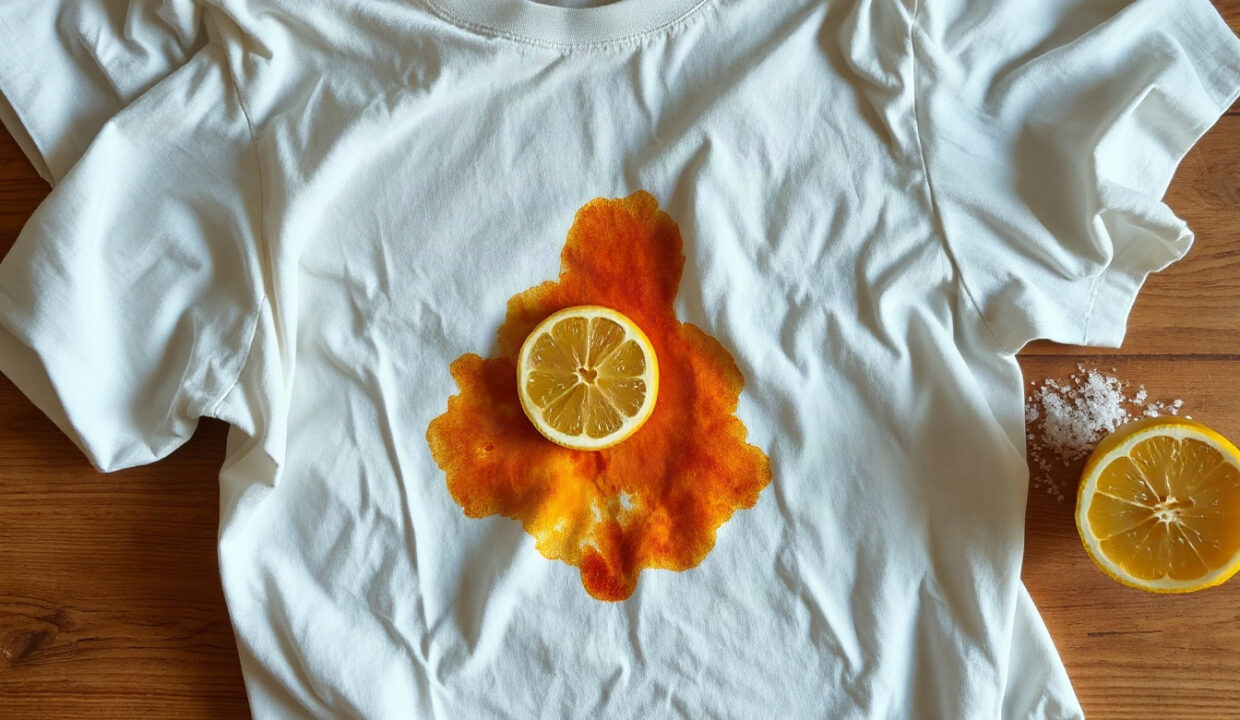
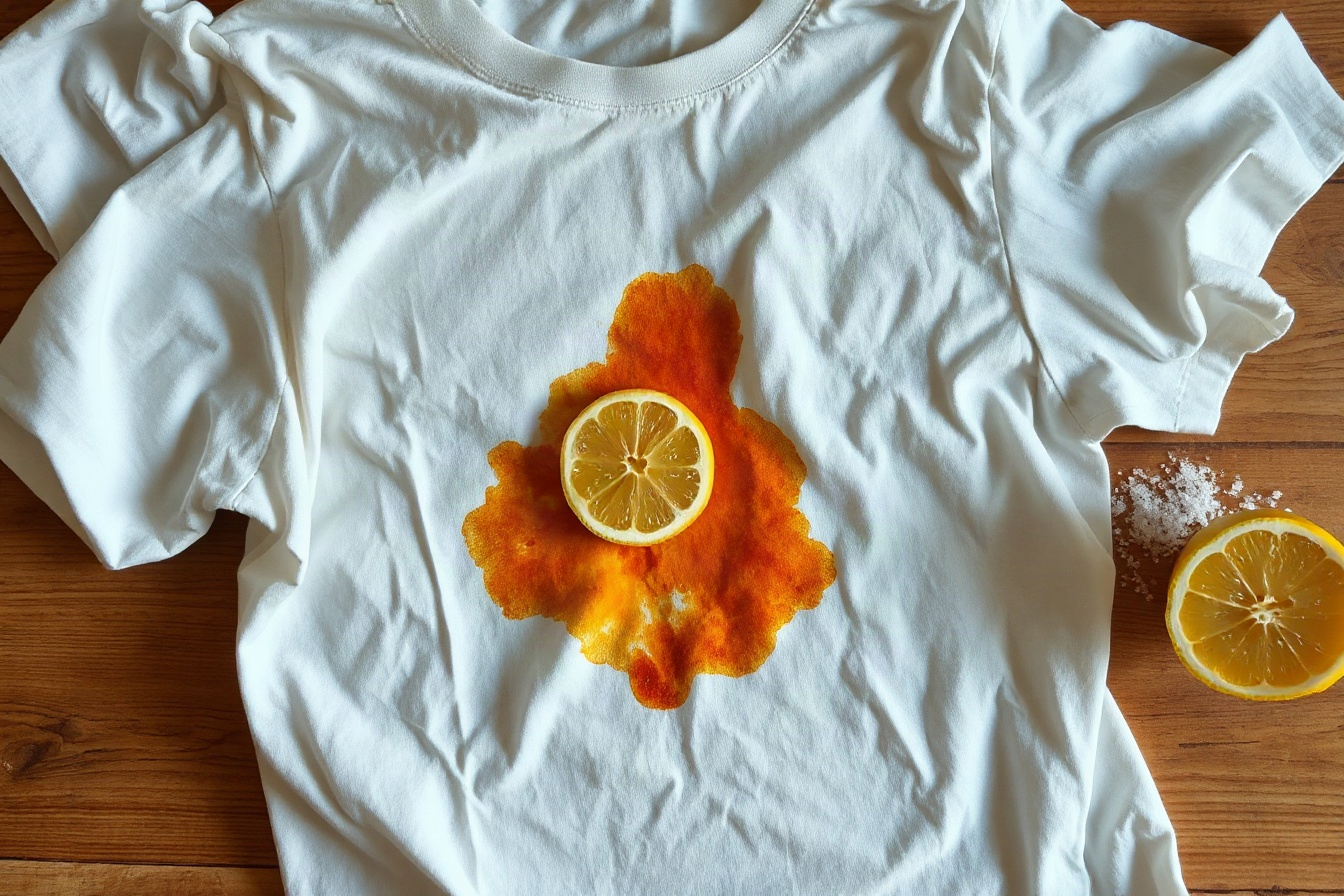
Lemon juice is the gentlest effective option and works well on fresh stains and lighter fabrics. The citric acid dissolves the iron oxide, and a little salt gives it some grip.
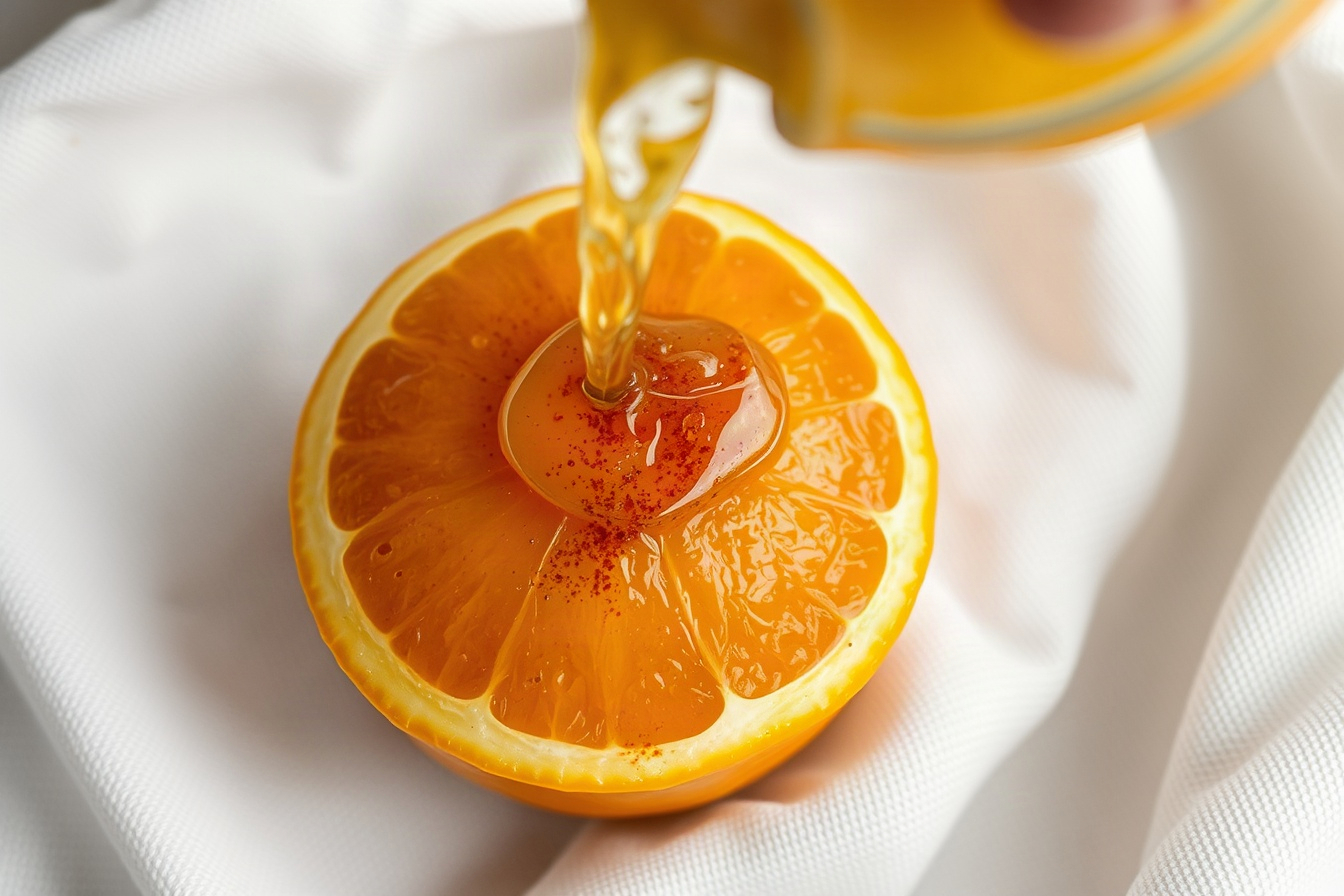
- Lay the garment flat and squeeze fresh lemon juice directly onto the stain until it is fully saturated.
- Sprinkle a little salt over the juice. The combination helps break the stain down faster.
- Leave it to sit for 30 to 60 minutes, checking it has not fully dried out.
- Rub gently with your fingers or a soft brush, then rinse thoroughly with cold water.
- Repeat if any trace of the stain remains before washing the item as normal.
Lemon juice can lighten some dyes if left for a long time, so on coloured clothes test a hidden seam first and keep the soak towards the shorter end.
Always rinse with cold water, not hot. Hot water can set any remaining rust rather than help remove it.
White vinegar when there is no lemon
White vinegar works in a similar way, and is worth trying if you do not have a fresh lemon to hand, or for a slightly larger or tougher stain.
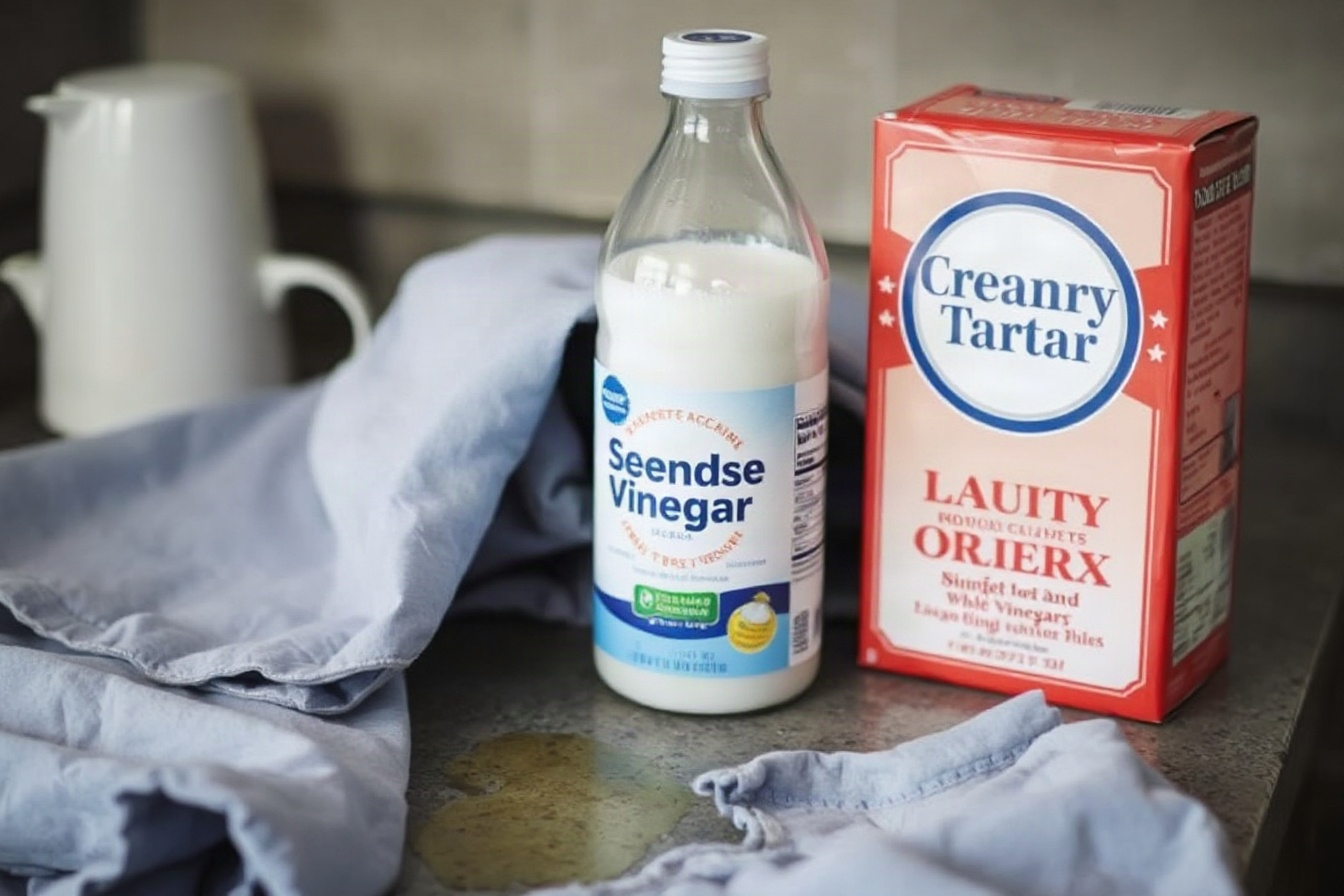
- Soak the stained section of the garment directly in undiluted white vinegar.
- For a bigger stain, warm the vinegar gently first. Warm vinegar works faster than cold, but do not boil it, and keep it in a heatproof container.
- Leave the fabric to soak for 30 minutes to an hour.
- Rinse thoroughly with cold water and check the stain before washing.
Avoid leaving vinegar on delicate fabrics like silk or wool for extended periods, as the acidity can affect some fibres if left too long. A 30 to 60 minute soak is usually enough either way. Open a window if you warm it, because the fumes catch in the throat.
Cream of tartar paste for set-in rust
If the stain has already been through a hot wash or tumble dryer, a cream of tartar paste gives a bit more cleaning power than a simple soak. Cream of tartar is a mild food-grade acid sold with the baking ingredients, which is why it is gentle enough to leave on fabric for a while.
- Mix cream of tartar with a small amount of water until it forms a thick paste.
- Apply the paste directly onto the stain, covering it completely.
- Leave it to work for about 30 minutes, keeping it damp with a few drops of water if it dries out.
- Rinse off thoroughly with cold water, then wash the garment as you normally would.
An older, heat-set mark may need the paste twice. If it lightens but does not disappear after a second go, a shop-bought rust remover is the next step, but only after you have read the label (see the kit list below).
Where the rust came from, and what not to use
Knowing the source helps you stop it happening again. Rust marks on laundry usually come from a metal zip, stud or hairpin left in a pocket, a rusty patch inside the washing machine drum, or old, rusty pipes and washing-line pegs. If the marks keep appearing, check the drum and seals. Our guide to cleaning a washing machine drum is a good place to start, and for other clothing marks see removing grease stains from clothes. Our complete guide to cleaning rust off metal covers the metal side. If the rust came from a loose screw or fixing, see removing rust from screws and small metal parts.
- Chlorine bleach. It can react with the iron in the stain and in some cases turns it a darker, more permanent colour.
- Hot washing before the stain is gone. Heat can set any remaining rust and make it far harder to remove afterwards.
- Hard rubbing. It pushes the rust further into the fibres rather than lifting it out.
- Tumble drying too early. The same heat issue applies, so air dry and check in daylight before using the dryer. Our piece on hot versus cold water cleaning explains the temperature side.
A short kit for rust marks
As an Amazon Associate we earn from qualifying purchases. You do not need all of this. Tick off what you already have and add only what is missing.
- White vinegar: plain distilled white vinegar, not malt or flavoured. Cleaning vinegar with additives is better left for hard surfaces. Search white vinegar.
- Cream of tartar: sold as a baking ingredient, a tub lasts a long time. Search cream of tartar.
- Citric acid powder: food-grade, dissolved in warm water as an alternative to lemon juice for larger areas. Dissolve it fully before using. Search citric acid.
- Rust stain remover for fabric: check the label says it is for textiles and for your fabric type. Some products contain strong acids, so wear gloves, ventilate the room and never mix it with other cleaners. Search rust remover.
- Rubber gloves: worth it if you are using anything beyond lemon or vinegar. Search gloves.
- Soft brush or old toothbrush: soft bristles only, so the fibres do not fuzz. Search soft brushes.
More rust stain questions
How do you get dried rust stains out of clothes?
For a dried or set-in stain, a cream of tartar paste left on for about 30 minutes usually works better than a simple soak. Rinse with cold water afterwards and check the stain is fully gone before washing as normal. A second application is common on older marks.
Does vinegar remove rust stains?
Yes, white vinegar is effective on many rust stains. Soak the affected area for 30 minutes to an hour. Warming the vinegar slightly for a tougher stain speeds up the process, and cold water should be used for the rinse.
Can toothpaste remove rust stains?
Toothpaste is not a reliable method for rust specifically. It works better on surface grime than on iron oxide staining. Lemon juice, vinegar or a cream of tartar paste all give more consistent results, and toothpaste can leave its own residue on fabric.
What is the best homemade rust remover for clothes?
Lemon juice combined with salt is generally the best starting point for fresh stains on lighter fabrics, while white vinegar or a cream of tartar paste work well for tougher or set-in marks. Choose by how old the stain is and how delicate the fabric is.
Will bleach remove rust stains from white clothes?
No, chlorine bleach should be avoided on rust stains. It can react with the iron in the stain and leave a darker mark that is more difficult to remove than the original. Treat the rust with an acid method first and only then wash as normal.
Will hydrogen peroxide remove rust stains?
Hydrogen peroxide is not typically recommended as a first choice for rust. Lemon juice, white vinegar or cream of tartar are more reliable because they dissolve the iron oxide, while peroxide mainly bleaches colour.
Can you get rust stains out of coloured clothes?
Often, yes, but with more care. Acids can lighten dyes, so test on a hidden seam, keep the soak time short, and rinse well in cold water. If the item is dark, delicate or valuable, a dry cleaner who is told it is rust is the safer choice.
Why did my clothes come out of the wash with orange marks?
Common causes are a metal item in the load, rust flaking from the drum, or iron in the water supply. Run an empty hot cycle, check the drum and rubber seal for orange spots, and remove metal items from pockets before washing. Re-wash the marked items only after treating the stains, as another wash alone will not help.