Fabric softener goes in the smallest compartment of the detergent drawer, marked with a flower symbol, never directly into the drum with your clothes. Get it in the wrong slot and it either washes out uselessly with the first rinse or leaves greasy marks on dark clothing, so it is worth the 30 seconds to check you have the right one.
This guide covers the full compartment layout, exactly how much to add, what to do if your machine has no drawer at all, and the most searched problem UK users run into: a machine that will not take the softener, or a drawer that will not drain properly.
The Three Compartments Explained
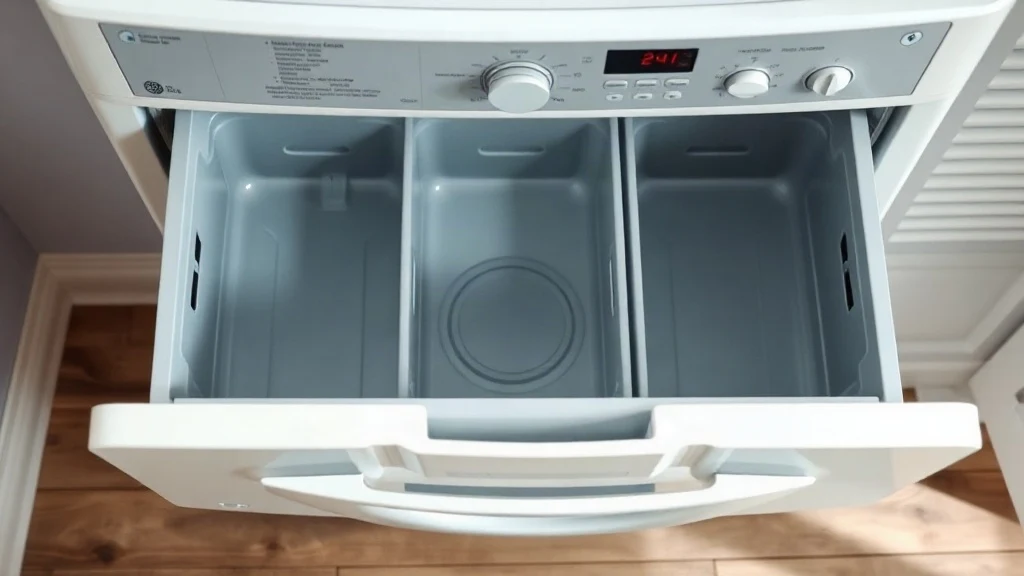
Nearly all front-loading washing machines in the UK use the same three-section drawer layout, though the exact position of each section can vary slightly by brand and model:
| Symbol | Compartment | What Goes In It |
|---|---|---|
| II (or largest section) | Main wash | Your regular detergent, powder or liquid, for the main wash cycle |
| I (smaller section) | Pre-wash | Only used if you select a pre-wash cycle, leave empty otherwise |
| Flower or star symbol | Fabric softener | Fabric softener or conditioner only, never detergent |
If your machine’s symbols have worn off or you are not sure which is which, the fabric softener compartment is almost always the smallest of the three and is often partially covered or has a small internal float mechanism, this is what controls when it releases during the cycle.
How to Fill the Fabric Softener Compartment Correctly
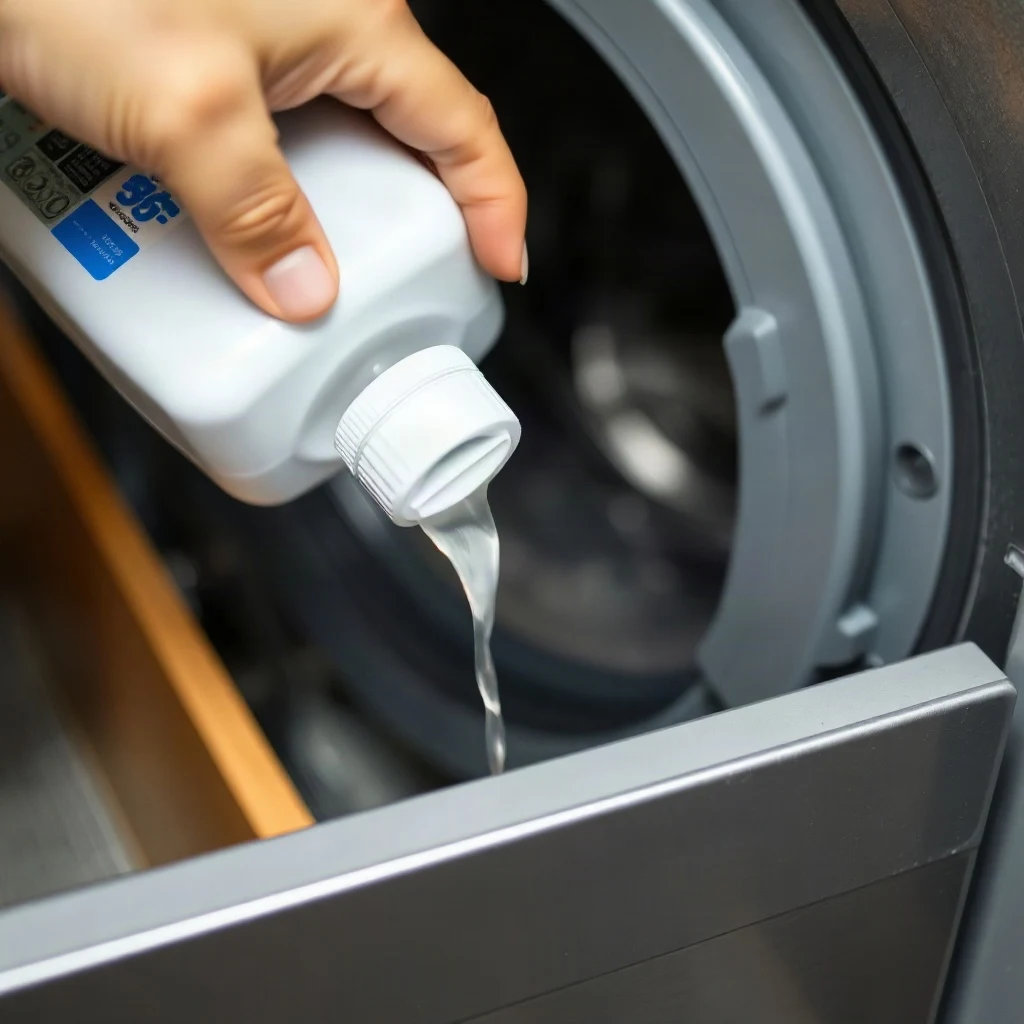
- Pull the drawer out fully, most slide out smoothly without needing to be lifted first.
- Locate the smallest compartment, marked with a flower, star, or the word ‘softener’.
- Pour slowly up to the maximum fill line printed inside the compartment, do not exceed it.
- Close the drawer gently, do not force it if it feels like it is catching on anything.
- The machine will automatically flush the compartment with water during the final rinse, so the softener reaches the clothes only after the detergent has finished its work.
Overfilling the softener compartment causes premature release during the wash, which reduces detergent effectiveness and can leave marks on dark fabrics.
What If My Washing Machine Has No Drawer or Dispenser?
Some older or budget machines, and most portable or top-loading models, do not have a dedicated drawer system at all. In that case, you have two options:
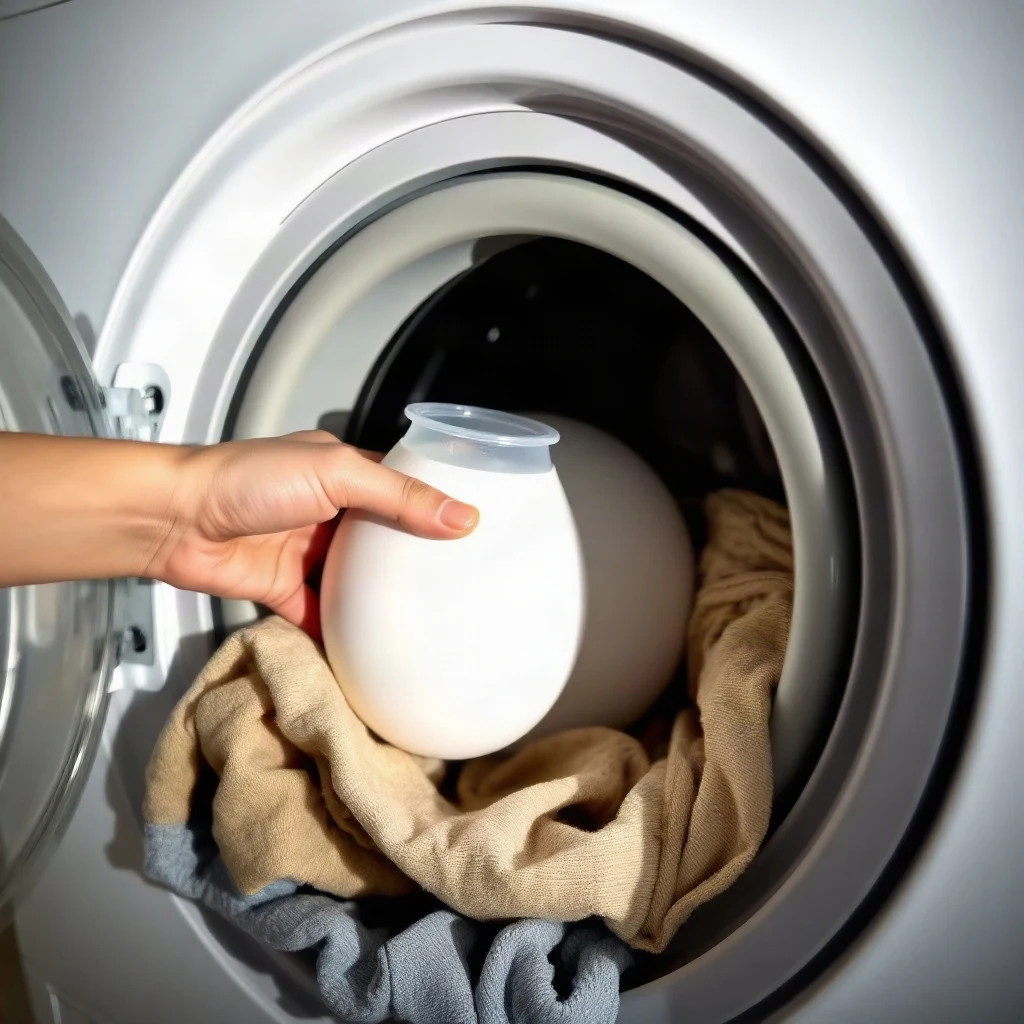
- Fabric softener dispenser ball: a small plastic ball that you fill with softener and drop directly into the drum with your laundry. It is designed to release its contents only during the rinse cycle, avoiding direct contact with detergent.
- Add it manually during the rinse: if your machine allows you to pause and check the cycle, you can add softener by hand once the main wash has finished and rinsing has started. This is more hands-on but works reliably if you get the timing right.
See fabric softener dispenser balls on Amazon →
Never add fabric softener at the very start of a wash alongside detergent, the two products are designed to work in sequence, detergent to clean, softener to condition afterwards, and mixing them at the same point cancels out much of the benefit of both.
Washing Machine Not Taking or Draining the Fabric Softener?
This is one of the most common follow-up problems, and it is almost always one specific cause: a blocked siphon tube inside the compartment. The softener compartment uses a small internal tube and float mechanism to time its release correctly, and over months of use this can clog with dried residue, especially if you tend to use concentrated or thicker softeners.
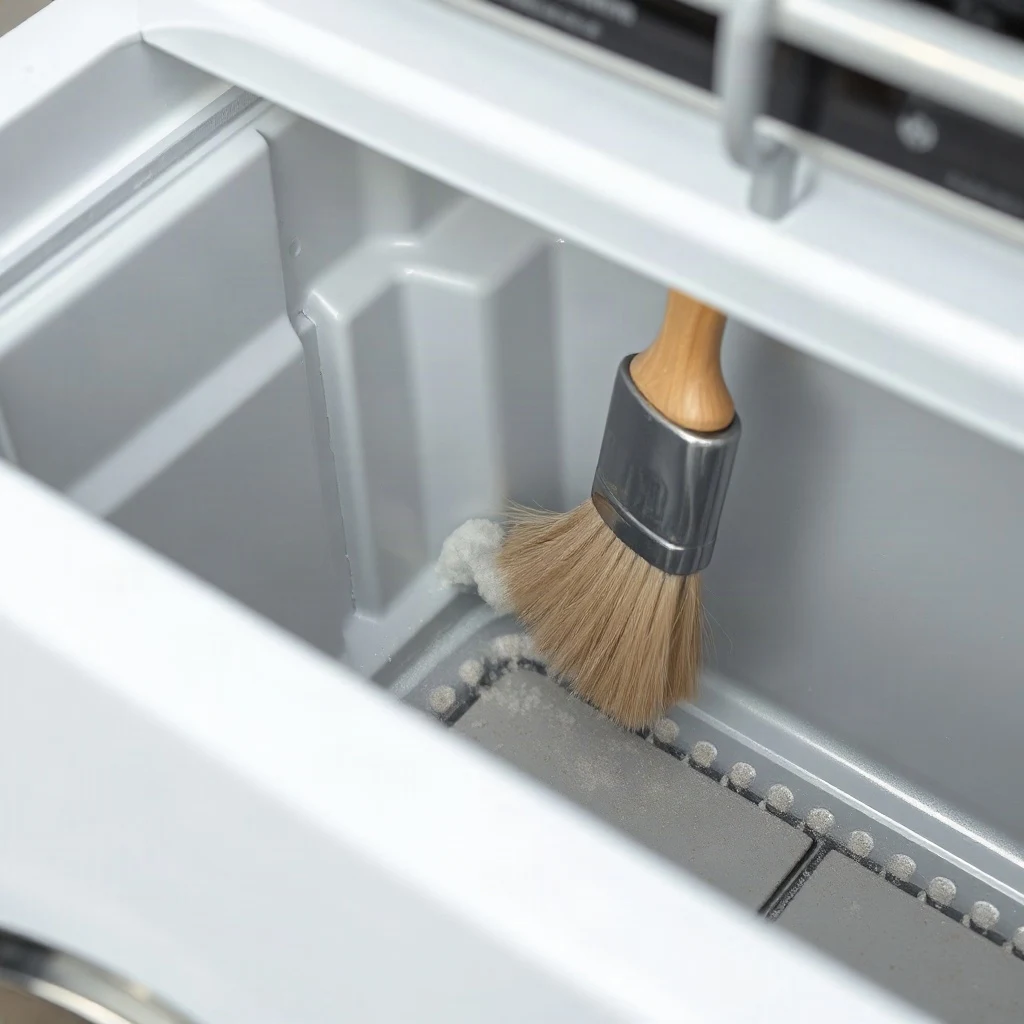
- Remove the drawer completely, most have a small release catch or lever underneath.
- Look inside the softener compartment for the siphon tube, usually a small angled channel at the back or side.
- Flush it thoroughly with warm water, an old toothbrush helps dislodge dried residue around the opening.
- Rinse the whole drawer under a tap and dry before reinserting.
- If softener is still sitting in the compartment after a wash rather than draining away, the tube is still partially blocked and needs a second, more thorough flush, sometimes with a mix of warm water and a little vinegar to cut through buildup.
If you are also noticing a musty smell or visible mould around the drawer housing itself rather than just the softener compartment, it is worth checking the rubber door seal too, residue and mould in one area of the machine often means it is overdue a proper clean elsewhere as well.
Common Mistakes to Avoid
- Pouring softener into the main wash compartment by mistake, it will just wash away uselessly with the detergent instead of conditioning the final rinse.
- Overfilling past the maximum line, this causes early release and can leave oily marks on dark clothing.
- Using fabric softener on towels every wash, it reduces their absorbency over time, most manufacturers recommend skipping softener on towels every second or third wash.
- Mixing softener and detergent in the same compartment on machines with no separate dispenser, always use a dispenser ball instead.
- Never cleaning the compartment, dried residue build-up is the single biggest cause of softener not draining properly.
Drawer Dispenser vs Adding Softener Directly
Keep the Dispenser Drawer Clean
A softener compartment that drains properly and does not build up residue is mostly down to routine cleaning rather than anything to do with the softener itself. As part of a regular maintenance wash, pull the drawer out and give it a rinse every few weeks, it takes under a minute and prevents almost all of the drainage and residue problems covered above.
A quick rinse of the drawer and siphon tube every few weeks stops residue building up.
If drainage issues extend beyond just the softener drawer, for example if the whole machine is failing to drain, that is a separate and more significant fault, our guide to a washing machine not draining covers that in full. For general drum upkeep alongside the drawer, see our guide on how to clean a washing machine.
Frequently Asked Questions
Where do you put fabric softener in a washing machine?
In the smallest compartment of the detergent drawer, marked with a flower or star symbol. Fill it to the maximum line, the machine releases it automatically during the final rinse cycle.
Can I put fabric softener directly into the drum?
Not recommended for a standard wash, softener poured straight onto clothes or into the drum with detergent can stain fabric and will not be timed correctly. If your machine has no drawer, use a fabric softener dispenser ball instead, which is designed for direct-drum use.
Why won’t my washing machine take the fabric softener?
The most common cause is a blocked siphon tube inside the compartment, caused by dried residue buildup over time. Remove the drawer and flush the compartment thoroughly with warm water, using an old toothbrush on any dried residue around the tube opening.
What happens if I put fabric softener in the wrong compartment?
If it goes into the main wash compartment, it simply washes away with the detergent at the start of the cycle and provides no softening benefit, since it needs to be released during the final rinse to work properly.
Where do you put fabric softener if there’s no dispenser?
Use a fabric softener dispenser ball filled with softener and placed directly in the drum with your laundry. It is designed to hold the softener back until the rinse cycle, avoiding contact with detergent.
Why is fabric softener not draining from the drawer?
This is almost always a blocked or partially blocked siphon tube, the small mechanism that times the release. Regular flushing with warm water during your normal maintenance routine prevents this building up in the first place.
Can I use fabric softener and detergent together?
Yes, but they need to go in separate compartments of the drawer, not mixed together. The machine is designed to release detergent first, then softener later in the cycle, so combining them defeats the purpose of both.
How do I stop fabric softener leaving marks on clothes?
Marks are usually caused by overfilling the compartment past the maximum line, which triggers an early, concentrated release. Stick to the fill line and avoid using softener on very absorbent fabrics like towels every single wash.