The short answer: yes, microfibre genuinely cleans better than cotton. Studies find it removes far more bacteria and dust, and often does it with water alone: in one hospital-linked test, microfibre removed around 99% of surface bacteria using just water, while cotton removed only about 30% even with a cleaning solution. It works by physically grabbing dirt in millions of ultra-fine split fibres, not by killing germs. But it isn’t a clean win: microfibre is plastic and sheds microplastics, it needs specific care to keep working (no fabric softener, no high heat), and a dirty microfibre cloth still spreads germs. Cotton keeps the edge on sustainability, big spills and greasy jobs.
Microfibre has quietly taken over cleaning cupboards and professional cleaning alike, and there’s solid science behind why. But the marketing rarely mentions the trade-offs, the environmental cost, the fussy washing rules, and the fact that a neglected microfibre cloth is no better than any other dirty rag. This guide explains how microfibre actually works, what the research shows about cleaning power, the honest downsides, how to care for it so it keeps performing, and when plain cotton is still the smarter choice. Sources are linked at the end.
How we researched this: the findings below draw on hospital cleaning studies published in the American Journal of Infection Control and microplastic-shedding research in Environmental Science and Pollution Research and PLOS One. Full references are at the bottom.
Disclosure: Cleaners Guide is a participant in the Amazon Associates programme, so if you buy through links on this page we may earn a small commission at no extra cost to you. It never changes our recommendations, we suggest products because they work and we point out cheaper options where they do the same job. Prices and availability change, so always check the current price before buying.
How microfibre actually works
Microfibre’s cleaning power isn’t a chemical trick, it’s physical, down at the level of the fibres. A microfibre cloth is made of synthetic fibres (usually polyester and polyamide) that are split into tiny wedge-shaped strands finer than one-tenth the width of a human hair. That structure does three things ordinary cotton can’t:
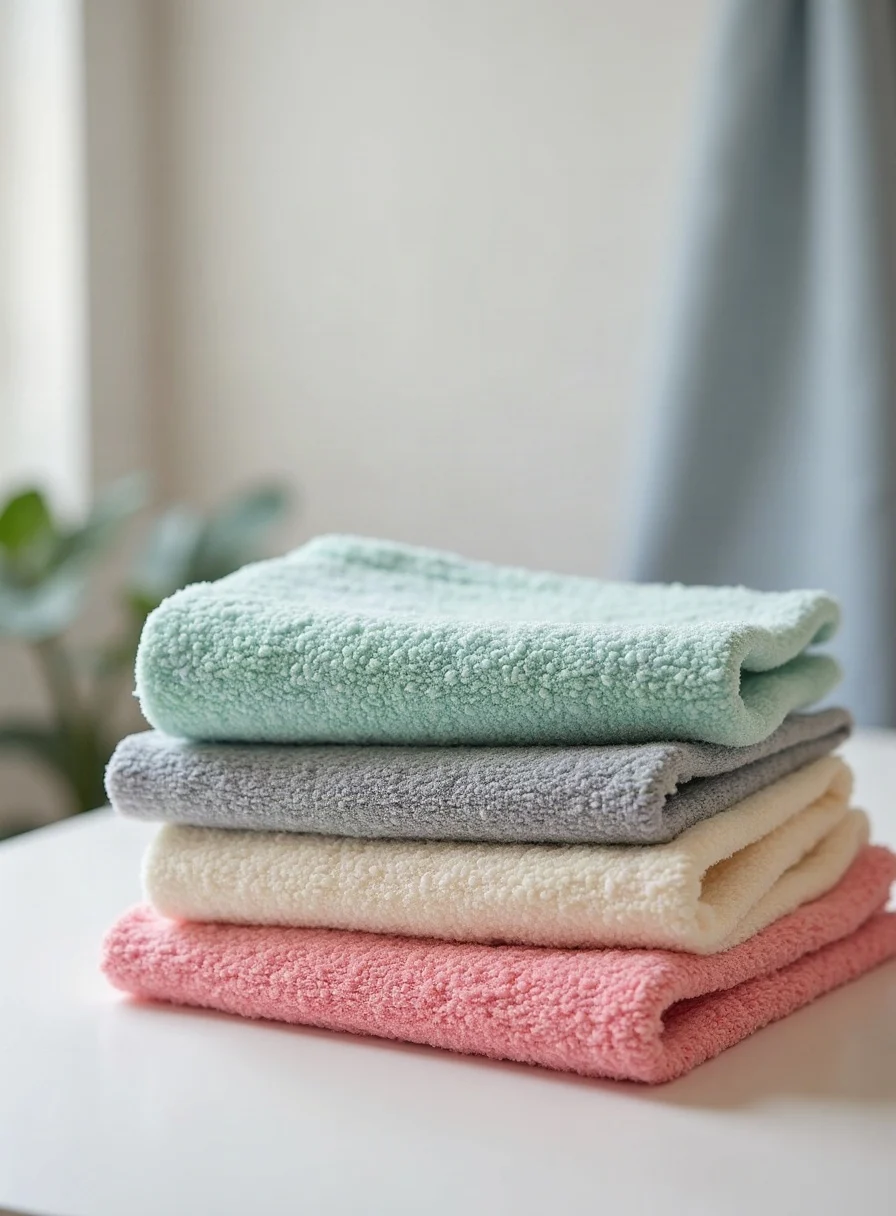
- A vast surface area. Splitting the fibres creates millions of tiny edges and channels, giving a single cloth an enormous surface to grab and hold dirt.
- It scoops and traps. The wedge-shaped fibres act like tiny scoops, lifting particles, grease and moisture off the surface and holding them in the channels by capillary action, rather than just smearing them around as a flat cotton fibre tends to.
- An electrostatic charge. Microfibre carries a slight electrostatic charge that attracts fine dust and particles, which is why it picks up dust so well when dry.
The key thing to understand: microfibre removes germs and dirt, it doesn’t kill them. It physically captures bacteria and carries them off the surface into the cloth, which is exactly why it’s so effective with just water, and also why the cloth then needs washing properly (all those captured germs are now in the cloth).
Does microfibre really clean better? The evidence
The research, much of it from hospitals, where surface hygiene is a matter of infection control, is consistently in microfibre’s favour:
- Far more bacteria removed. Widely cited testing at UC Davis Medical Center found microfibre removed about 99% of surface bacteria with water alone, versus roughly 30% for cotton even when used with a cleaning product.
- Best-in-class in hospital comparisons. A study in the American Journal of Infection Control comparing cleaning cloths found new microfibre gave the best decontamination of the materials tested [1].
- Less spread of dangerous spores. Another study found microfibre cloths reduced the transfer of Clostridioides difficile spores to other surfaces compared with cotton [2], important, because spreading germs around is a real risk with a poor cloth.
Two honest caveats sit alongside those numbers. First, microfibre’s advantage is greatest when the cloth is new; efficacy declines as cloths are laundered many times and the fibres wear. Second, it removes germs but doesn’t disinfect, for genuine disinfection you still need heat or a disinfectant, as we cover in antibacterial vs plain soap. But for lifting dirt, dust and bacteria off a surface, often without chemicals, microfibre clearly outperforms cotton.
The catch: microfibre sheds microplastics
Here’s the downside the adverts skip. Microfibre is made of plastic, polyester and polyamide, and like all synthetic textiles it sheds tiny plastic fibres, especially when washed. Research has quantified how much synthetic fabrics release in the wash, and it’s substantial: synthetic textiles are estimated to be a major source of the microplastics reaching our oceans, with laundering alone capable of releasing hundreds of thousands of microfibres per wash [3][4].
This doesn’t mean you must never use microfibre, its cleaning benefits are real, and a durable cloth used for years is a different footprint from fast-fashion fleece. But it’s an honest reason to (a) not over-buy, (b) wash microfibre in a way that limits shedding, and (c) keep natural cotton in the mix. If the environmental angle matters to you, it’s a genuine point in cotton’s favour.
How to care for microfibre (this makes or breaks it)
See microfibre cloths on Amazon →
Microfibre only keeps its edge if you wash it correctly, and the two most common mistakes destroy the very thing you paid for. Follow these rules:
- Never use fabric softener. Softener coats the fibres and clogs the tiny channels that do the cleaning, leaving the cloth greasy and useless. This is the number-one microfibre-killer.
- Skip high heat. Microfibre is plastic, so a hot wash or hot tumble dry can melt and fuse the fibres. Wash warm (up to about 40°C) and air-dry or tumble on low/no heat.
- Wash microfibre separately from cotton and towels. Microfibre grabs lint, so washing it with fluffy items clogs it with fibres.
- Use little or no detergent, and no bleach, a small amount of detergent is plenty, and harsh chemicals shorten the cloth’s life.
- Reduce microplastic shedding by washing full loads at lower temperatures, and consider a microfibre-catching laundry bag or a washing-machine filter.
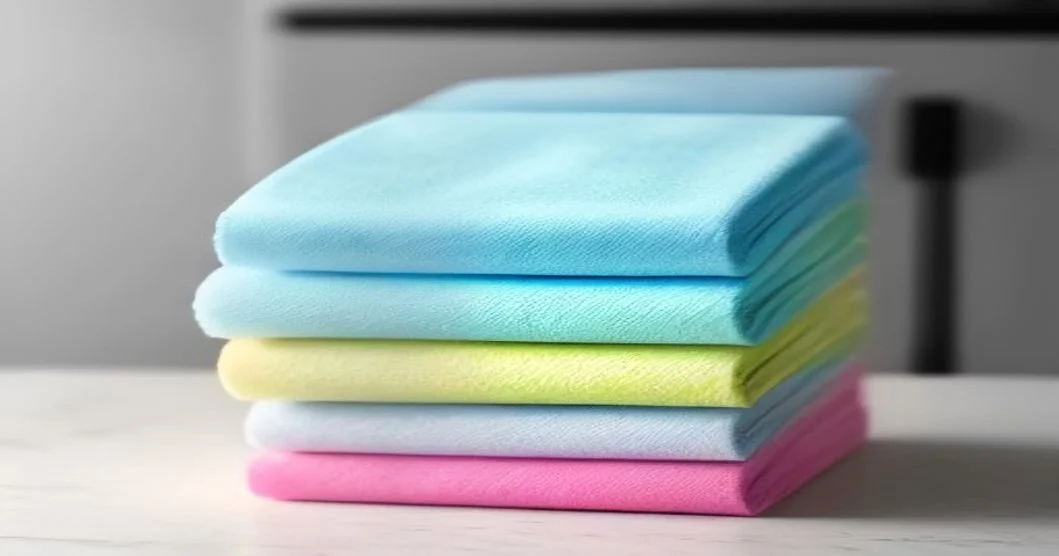
- Colour-code your cloths (e.g. one colour for the bathroom, another for the kitchen) so you never move germs from the toilet to the worktop.
- Replace them when worn. Once a cloth stops grabbing and starts sliding, its split fibres are spent, retire it to rough jobs.
And as with any cloth, keep it clean between uses, a dirty microfibre cloth simply redistributes bacteria, the same problem we describe with germy kitchen sponges. Wash cloths after heavy or dirty jobs rather than leaving them damp and soiled.
When cotton is the better choice
Cotton isn’t obsolete, for some jobs it’s genuinely the better pick:
- Sustainability. Cotton is natural and biodegradable and doesn’t shed microplastics, the clearest reason to choose it.
- Heavy grease and big spills. Cotton (like a traditional terry cloth or old tea towel) is very absorbent and copes well with large liquid spills and greasy messes that can clog microfibre.
- High-heat and rough use. Cotton can be boil-washed and won’t melt, so it’s better where you need very hot washing or hard-wearing rags.
- Cost and disposability. Old cotton clothing and towels make free cleaning rags you can use and bin without a second thought.
Many households land on a sensible mix: microfibre for everyday surfaces, glass and dusting (where it excels), and cotton for greasy jobs, big spills and when sustainability is the priority.
Microfibre vs cotton at a glance
| Microfibre | Cotton | |
|---|---|---|
| Bacteria & dust removal | Excellent, up to ~99% with water [1] | Modest, around 30% even with cleaner |
| Cleans with water alone | Yes, fewer chemicals needed | Usually needs a cleaning product |
| Glass & dusting | Excellent (electrostatic, streak-free) | Okay; can leave lint |
| Heavy grease / big spills | Can clog/smear | Very absorbent, better |
| Sustainability | Sheds microplastics (plastic) [3][4] | Natural, biodegradable |
| Care | Fussy, no softener, no high heat | Tolerant, can boil-wash |
| Cost | Higher upfront; lasts if cared for | Cheap; often free from old textiles |
Getting the best from either cloth
- Use it damp, not soaking (for microfibre especially), lightly damp grabs far better than dripping wet.
- Fold into quarters. A folded cloth gives you eight clean faces; flip to a fresh side as each gets dirty instead of spreading grime with one grubby surface.
- Keep separate cloths for separate zones, kitchen, bathroom, glass, to avoid cross-contamination.
- Wash cloths promptly after dirty jobs; don’t leave them damp and soiled, where bacteria multiply and smells set in.
- Retire worn cloths to rough duties (mopping up spills, outdoor jobs) once they lose their grab.
Myths vs facts
| Myth | What the evidence says |
|---|---|
| “Cotton cloths clean just as well.” | No, microfibre removes far more bacteria and dust [1]. |
| “Microfibre disinfects surfaces.” | It removes germs, doesn’t kill them, disinfecting needs heat or a disinfectant. |
| “Fabric softener keeps cloths soft and good.” | Softener ruins microfibre by clogging the fibres, never use it. |
| “Microfibre is the eco-friendly choice.” | It’s plastic and sheds microplastics; cotton is the greener fibre [3][4]. |
| “One cloth is fine for the whole house.” | That spreads germs between rooms, colour-code by zone. |
Keep both, and use each where it genuinely cleans better.
The bottom line
If cleaning power is the question, microfibre wins: the research shows it lifts far more bacteria and dust than cotton, frequently with nothing but water, which is why hospitals and professional cleaners rely on it. Its costs are real too, it’s plastic and sheds microplastics, it needs careful washing (no softener, no high heat), and, like any cloth, it spreads germs if you let it get dirty. The smart approach is to use microfibre where it shines (surfaces, glass, dusting), keep cotton for greasy jobs, big spills and when sustainability matters most, care for your microfibre properly so it lasts, and above all keep whatever cloth you use clean. A cared-for microfibre cloth is one of the most effective, low-chemical cleaning tools you can own.
Frequently asked questions
Do microfibre cloths really clean better than cotton?
Yes. Studies, many from hospitals, show microfibre removes far more bacteria and dust than cotton, in widely cited testing, around 99% of surface bacteria with water alone versus about 30% for cotton with a cleaning product. Its split fibres physically grab and trap dirt, so it also cleans well with fewer chemicals.
Does microfibre kill bacteria?
No, it removes them rather than killing them. The fibres lift bacteria off the surface and hold them in the cloth, which is why it’s effective with just water. But because the germs are now in the cloth, you must wash it properly, and for genuine disinfection you still need heat or a disinfectant.
Why can’t you use fabric softener on microfibre?
Fabric softener leaves a coating that clogs the tiny channels and split fibres that do the cleaning, turning an effective cloth into a greasy, ineffective one. It’s the most common way people ruin microfibre. Wash with a little detergent, no softener and no bleach, and skip the dryer sheets too.
How do you wash microfibre cloths?
Wash them separately from cotton and towels (so they don’t pick up lint), on a warm wash up to about 40°C with a little detergent, no fabric softener and no bleach, and air-dry or tumble on low or no heat. High heat can melt the plastic fibres. A microfibre laundry bag helps catch shed microplastics.
Are microfibre cloths bad for the environment?
They have a real downside: microfibre is synthetic and sheds microplastic fibres, especially when washed, contributing to microplastic pollution. You can reduce this by buying fewer, better cloths, washing full loads cooler, and using a microfibre-catching bag or filter. If avoiding microplastics is a priority, natural cotton is the greener choice.
Is microfibre good for cleaning glass and mirrors?
Excellent, in fact, it’s one of microfibre’s best uses. The fine fibres lift grease and leave a streak-free, lint-free finish, often with just water or a spritz of glass cleaner. Use a dry or barely damp microfibre cloth, buff in circles, and finish with a dry side for a clear shine.
How long do microfibre cloths last?
Well-cared-for microfibre can last hundreds of washes, but that depends entirely on care, softener, high heat and bleach shorten its life dramatically. When a cloth stops grabbing and starts sliding across surfaces, its split fibres are worn out; retire it to rough jobs and replace it for fine cleaning.
Can you use microfibre with cleaning products?
Yes, though a big selling point is that it often cleans well with just water. When you do use a product, a little goes a long way; avoid bleach and strong solvents that degrade the fibres over time. For disinfecting, apply the disinfectant to the surface and give it the contact time on the label, the cloth removes, it doesn’t disinfect.
Should you use one cloth for the whole house?
No, that spreads germs from one area to another, for example from the bathroom to the kitchen. Use separate, colour-coded cloths for different zones, wash them after dirty jobs, and fold each into quarters so you can turn to a clean face as you go rather than smearing grime around.
Is microfibre or cotton better for the environment overall?
Cotton is the more natural, biodegradable fibre and doesn’t shed microplastics, so on materials alone it’s greener. Microfibre’s counterpoint is that it can clean with less water and fewer chemicals and lasts a long time if cared for. If you use microfibre, make it count: buy durable cloths, keep them for years, and wash them in a way that limits shedding.
Related reading: are kitchen sponges the dirtiest thing in your home? and antibacterial vs plain soap: does it work better?
References
- “Evaluation of the decontamination efficacy of new and reprocessed microfiber cleaning cloth compared with other commonly used cleaning cloths in the hospital.” American Journal of Infection Control, 2010. pubmed.ncbi.nlm.nih.gov
- “Microfiber cloths reduce the transfer of Clostridium difficile spores to environmental surfaces compared with cotton cloths.” American Journal of Infection Control, 2015. sciencedirect.com
- “Quantifying shedding of synthetic fibers from textiles; a source of microplastics released into the environment.” Environmental Science and Pollution Research, 2017. link.springer.com
- “Domestic laundry and microfiber pollution: exploring fiber shedding from consumer apparel textiles.” PLOS One, 2021. journals.plos.org
This article summarises published research for general information. Cleaning-cloth performance varies by product and condition; follow manufacturer care instructions.