Zoflora is a concentrate, so dilute it before use. The maker’s usual guidance is one 10ml capful in about 400ml of water for general disinfecting, left on the surface for around 5 minutes before you wipe. Only a few jobs, such as toilets, drains and plugholes, call for it neat. Always check the label on your own bottle, ventilate the room, and never mix it with bleach.
Some links in this guide are Amazon affiliate links. If you buy through them we may earn a small commission at no extra cost to you. Product mentions are generic types or named products you can compare yourself. Always follow the instructions on your bottle.
Getting the dilution right
Zoflora is diluted at roughly 1 part to 40 parts water, so a small bottle goes a long way. The amounts below follow the common pattern on the maker’s labelling, but strengths and instructions differ between the concentrate and other products in the range, so treat your bottle as the authority.
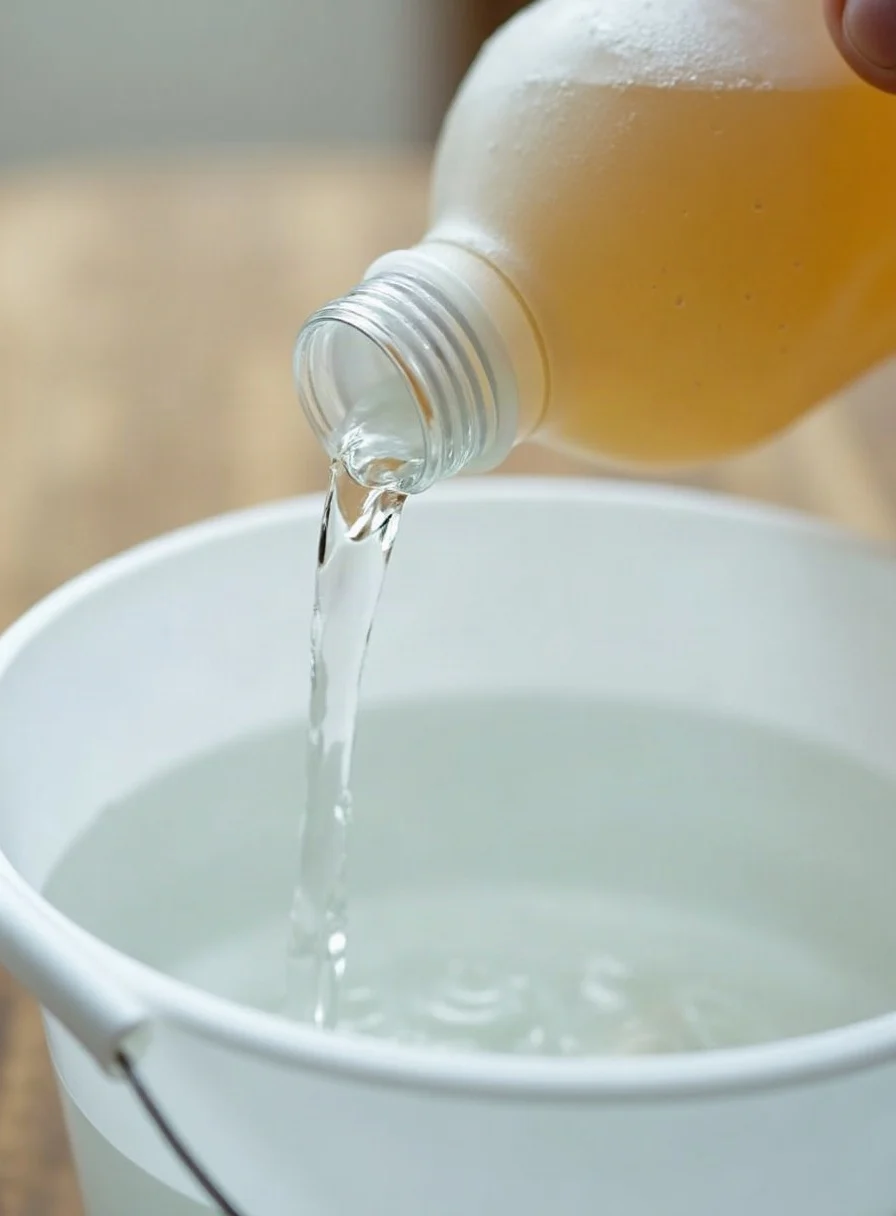
| Job | How much Zoflora | Notes |
|---|---|---|
| Surfaces and worktops | 1 capful (10ml) to 400ml water | Wipe on, leave about 5 minutes. Rinse anywhere food is prepared |
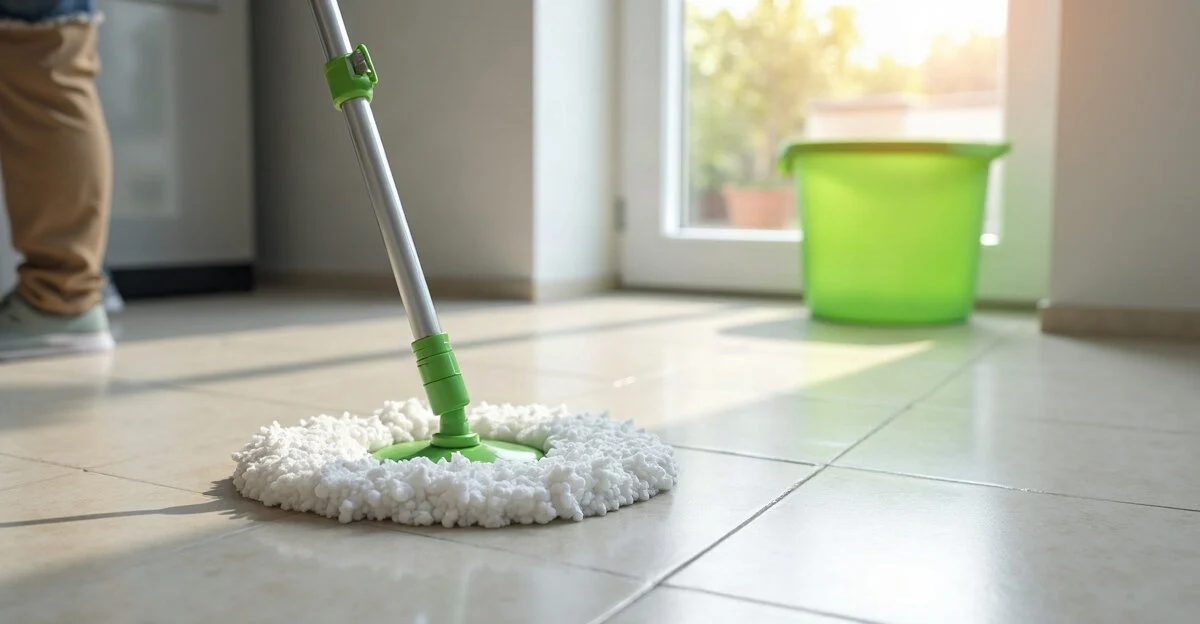
| Mopping hard floors | About 4 capfuls to 1.5 litres of water | Suits tile and lino. Go easy on sealed wood and check the label |
| Bins, routine wipe | 1 capful to 400ml water | Wipe inside and out |
| Bins, deeper clean | A few capfuls in a bin of hot water | Soak for 30 to 60 minutes, then rinse. Check the label for the amount |
| Toilets, drains, plugholes | Neat, a small amount | Targets odours at the source |
A disinfectant only works if it stays wet on the surface for its contact time, so leave Zoflora for the time on the label (commonly around 5 minutes) before wiping, rather than just spraying and wiping straight away. Our piece on whether disinfectant wipes work explains why contact time matters so much for any disinfectant.
Making up a surface spray
- Fill a clean spray bottle with about 400ml of cool or lukewarm water first. Adding the concentrate to water, not the other way round, reduces foaming and splashing.
- Add one 10ml capful of Zoflora, using the cap from the bottle as the measure. Put the trigger on and swirl gently.
- Label the bottle with the contents and the date, and keep it away from children and from other cleaning sprays.
- Spray the surface until it is wet, not dripping, leave it for the contact time on the label, then wipe with a clean cloth or let it air dry where that is appropriate.
- Make up fresh batches rather than storing large amounts for months, and check the label for how long a diluted solution stays effective.
Two mistakes are common. The first is adding extra concentrate in the hope it works harder, which wastes product, leaves a sticky residue and a strong smell, and does not make it any safer. The second is wiping the surface dry straight away, which removes the disinfectant before it has had time to work.
What it is, and what it is not
Zoflora is a concentrated multi-purpose disinfectant that also leaves a fragrance. The maker states that it kills 99.9% of bacteria and viruses on hard surfaces when used as directed, to the standards named on the label. That is a manufacturer claim about a defined test, not a promise that every surface in your home is germ-free, and it only applies when the product is diluted and left on for the stated time.
It is not a stain remover or a whitener, and it is not a ready-to-use spray, apart from the separate sprays in the range. Getting the ratio right is the main skill.
Where to use it, and where not to
- Surfaces: decant the diluted solution into a spray bottle for worktops, tiles, taps, bins and door handles. Label the bottle and do not reuse a bottle that held another product.
- Floors: add it to the mop bucket to disinfect and freshen tile and lino, as part of a kitchen deep clean.
- Bins and drains: wipe bins with the diluted solution, and pour a little neat down a smelly drain or plughole to kill odours.
- Toilets: a small amount neat around the bowl freshens and disinfects, handy in a bathroom deep clean.
- Cupboards and fridges: wipe with the diluted solution, then rinse and dry anywhere food touches.
- Soft furnishings: do not spray the neat concentrate on fabric. The separate pet and multipurpose sprays in the range are the ones made for it, and you should test a hidden patch first.
Safety, and the question of pets
Because it is a concentrate, treat it with some respect. Dilute it except for the specific neat uses, keep it off your skin and eyes (gloves are sensible for long jobs), ventilate the room, and store it out of reach of children.
Warning: never mix Zoflora with bleach or any other cleaning product. Mixing products can release harmful fumes and is unnecessary. If you want to know which combinations to avoid, read our guide to cleaning products you should never mix.
Around cats, dogs and other pets
The maker states that, properly diluted, Zoflora can be used where pets are kept, and it sells a dedicated pet range for bedding and feeding areas. The sensible rules are the same for any disinfectant. Keep pets away from wet treated surfaces and from the neat concentrate until everything is completely dry and the room has been aired, and rinse food and water bowls after cleaning. Cats are especially sensitive to some cleaning chemicals, so be cautious. If a pet seems unwell after contact, call your vet and have the bottle to hand.
Zoflora or bleach?
They are different tools. Zoflora disinfects and deodorises with a pleasant scent and dilutes a long way, while bleach is a stronger whitener and stain remover but harsh and unscented.
| Zoflora | Bleach | |
|---|---|---|
| Kills germs | Yes, as directed on the label | Yes, as directed on the label |
| Deodorises and scents | Yes, with a lasting fragrance | No, and the smell is sharp |
| Whitens and removes stains | No | Yes |
| Value | A little goes a long way when diluted | Cheap, but used at stronger concentrations |
| Gentle on most surfaces | Generally, when diluted. Test first | Can damage or discolour |
For stain removal or heavy whitening, bleach is the tool. For everyday disinfecting that also leaves a room smelling fresh, Zoflora is the easier choice. Just never use them together or one straight after the other in the same bowl.
What to have in the cupboard
Not all of this is essential. A bottle of concentrate and a spray bottle will cover most of it. As an Amazon Associate we earn from qualifying purchases.
Three questions that come up
Can I put Zoflora in the washing machine?
Zoflora is designed as a surface and hard-floor disinfectant, so do not add the concentrate to a wash unless the label says so. For fabrics, look for the products in the range made for soft furnishings, and follow the care label on the item.
Does Zoflora kill germs or just smell nice?
The scent is a bonus. The maker’s germ-killing claim applies when it is diluted as directed and left on the surface for the contact time on the label. Skip either step and you may get a nice smell without the disinfecting.
Do I need to rinse after using Zoflora?
On most hard surfaces you can leave the diluted solution to dry. Rinse anywhere food is prepared or eaten from, such as chopping areas, fridges, bowls and children’s toys, and follow the label for your product.