The short answer: partly. Essential oils genuinely contain antimicrobial compounds, thyme’s thymol is even used in some officially registered disinfectants, and tea tree oil kills bacteria and fungi in laboratory tests. But there’s a wide gap between a controlled lab study and a few drops in a DIY spray bottle: at everyday home concentrations, essential-oil cleaners are usually far too dilute to reliably disinfect, and oils don’t even mix properly with water. So they make a pleasant, mildly antimicrobial cleaner, not a replacement for a real disinfectant when it truly matters. And there’s a serious catch most people miss: many essential oils are toxic to pets, cats especially.
“Natural,” “chemical-free,” “antibacterial”, essential oils are marketed as the wholesome way to clean, and there’s real science underneath the hype. The problem is that the science is routinely oversold: what’s true of concentrated tea tree oil in a petri dish is not automatically true of ten drops in a spray bottle on your worktop. This guide separates the genuine evidence from the marketing, explains which oils actually have antimicrobial backing, what they’re realistically good for at home, and, importantly, how to use them without harming your pets or your skin. Sources are linked at the end.
How we researched this: the findings below draw on a landmark tea tree oil review in Clinical Microbiology Reviews, antibacterial research in Scientific Reports, EPA disinfectant registrations, and veterinary toxicology guidance. Full references are at the bottom.
Disclosure: Cleaners Guide is a participant in the Amazon Associates programme, so if you buy through links on this page we may earn a small commission at no extra cost to you. It never changes our recommendations, we suggest products because they work and we point out cheaper options where they do the same job. Prices and availability change, so always check the current price before buying.
Do essential oils actually kill germs?
Yes, in the right form and concentration, several genuinely do. This isn’t wishful thinking; it’s well documented in the microbiology literature.
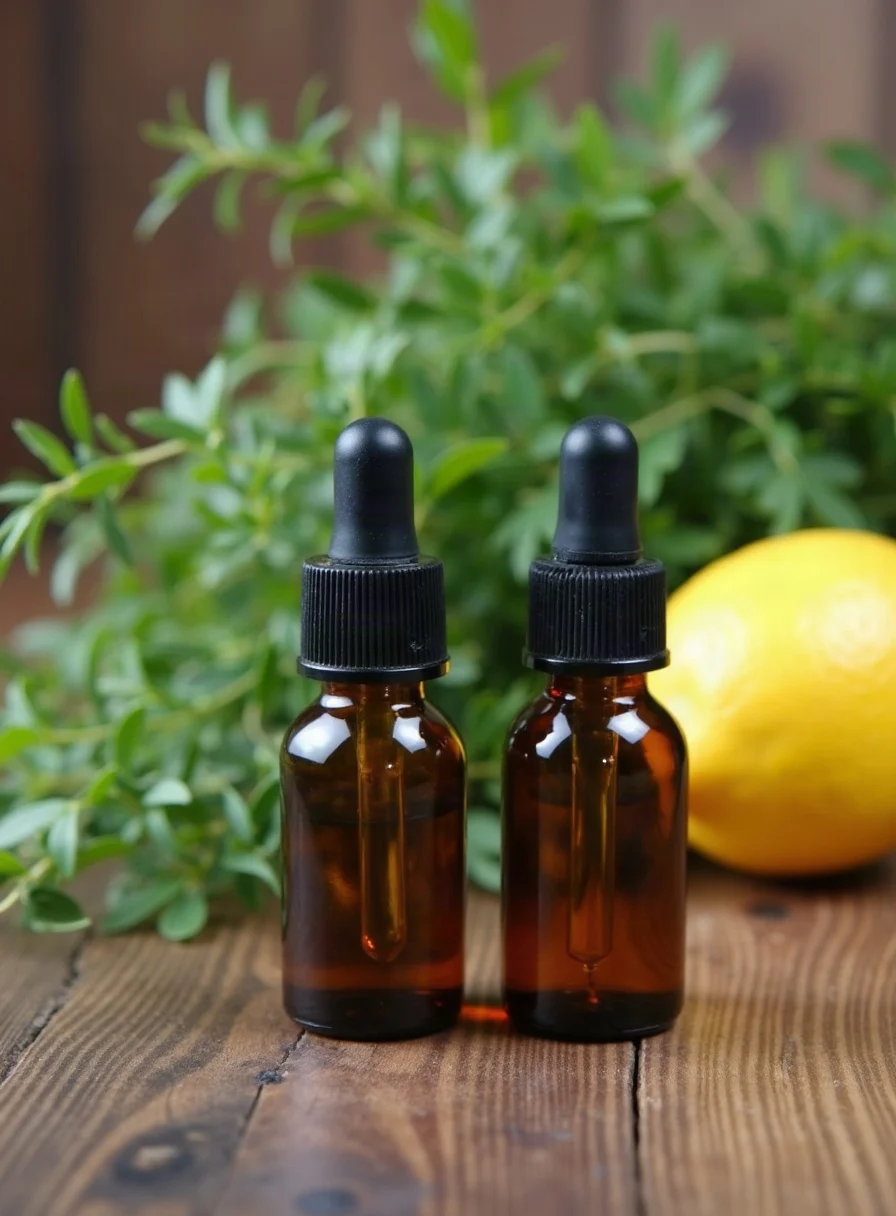
- Tea tree oil (Melaleuca alternifolia) has broad-spectrum antimicrobial activity in laboratory studies, against bacteria, fungi and some viruses. A landmark review in Clinical Microbiology Reviews documented this, attributing much of the effect to its main active compound, terpinen-4-ol, which disrupts bacterial cell membranes [1].
- Thyme oil and its key compound thymol are strongly antibacterial. A 2025 study in Scientific Reports found thyme essential oil was bactericidal against major pathogens and also prevented biofilm formation, biofilms being notoriously hard to shift [2].
- Oregano (carvacrol), clove (eugenol) and cinnamon oils also show real antimicrobial activity in testing.
The mechanism is genuine chemistry: these compounds damage microbial cell membranes, interfere with respiration and disrupt the cell’s internal balance. So the headline “essential oils have antibacterial properties” is true. The catch is everything that comes next.
The catch: a lab study is not your spray bottle
This is the crucial distinction the marketing skips. Laboratory studies that show essential oils killing bacteria typically use high, controlled concentrations, direct contact, and long exposure times. Your homemade “10 drops of tea tree in a spray bottle of water” is a completely different proposition:
- Far too dilute. The effective concentrations in studies are often several per cent or higher; a few drops in a spray bottle is a tiny fraction of that.
- Oil and water don’t mix. Without an emulsifier (like a little washing-up liquid or alcohol), the oil just floats and separates, so the “active ingredient” isn’t evenly delivered at all.
- Not enough contact time. Disinfection needs the surface to stay wet with an effective concentration for minutes; a quick spray-and-wipe gives seconds.
- Not tested or registered. A DIY blend hasn’t been through the efficacy testing that lets a product legally claim to “disinfect” or “kill 99.9% of germs.”
So while the oil can kill germs in principle, your everyday essential-oil cleaner should be thought of as a pleasant cleaner with a mild antimicrobial boost, not a disinfectant you can rely on when it genuinely counts.
The exception: thymol is a real registered disinfectant
There’s one important exception that proves the rule. Thymol, the active compound in thyme oil, is genuinely used as the active ingredient in some officially registered “botanical” disinfectants. The US Environmental Protection Agency has thymol-based products on its lists of registered disinfectants, including those with evidence for use against viruses [3]. Certain plant-oil-derived cleaners really are proper disinfectants.
But notice what makes them work: they’re formulated products at tested, effective concentrations with defined contact times, not a splash of oil in a bottle at home. If you want the disinfecting power of thymol, buy a registered thymol-based disinfectant and follow its instructions, that’s very different from assuming your homemade thyme spray does the same job.
Which essential oils have the best evidence?
| Oil | Key active compound | Antimicrobial evidence |
|---|---|---|
| Thyme | Thymol | Strong; thymol is used in registered disinfectants [2][3] |
| Tea tree | Terpinen-4-ol | Broad-spectrum in vitro; well reviewed [1] |
| Oregano | Carvacrol | Strong antibacterial in testing |
| Clove | Eugenol | Good antibacterial/antifungal activity |
| Cinnamon | Cinnamaldehyde | Notable antimicrobial activity |
| Eucalyptus / Lemon | Eucalyptol / limonene | Milder; better for scent and grease-cutting |
The pattern is clear: the oils with the strongest antimicrobial evidence are the “hot,” pungent, phenol-rich ones (thyme, oregano, clove, cinnamon), followed by tea tree. The lighter, pleasant-smelling oils people most enjoy diffusing are the weakest antimicrobially, good for freshening, not for germs.
What essential oils are genuinely good for at home
See essential oils on Amazon →
Used realistically, essential oils earn a place in your cleaning cupboard, just for the right jobs:
- Fragrance and deodorising. They make homemade and shop-bought cleaners smell lovely and can genuinely neutralise some odours, a legitimate, popular use.
- A mild antimicrobial boost added to a cleaner that’s already doing the physical work of removing dirt and germs.
- Cutting grease. Citrus oils (limonene) help dissolve grease, which is why they turn up in so many degreasers.
- Tackling small patches of mould. Tea tree oil has some evidence against mould and is a common natural choice for light surface mould, though for anything significant you must fix the underlying damp (see our guide to removing mould from walls).
What they can’t reliably do is disinfect when it genuinely matters. For illness in the home, raw-meat surfaces, or a norovirus outbreak, reach for a proven disinfectant, the same conclusion we reached in our guides to antibacterial vs plain soap and whether vinegar disinfects. Essential oils are a nice-to-have, not the tool for a real hygiene emergency.
The big safety issue: essential oils and pets
This is the part that too few “natural cleaning” articles mention, and it genuinely matters: many essential oils are toxic to pets, cats and birds especially.
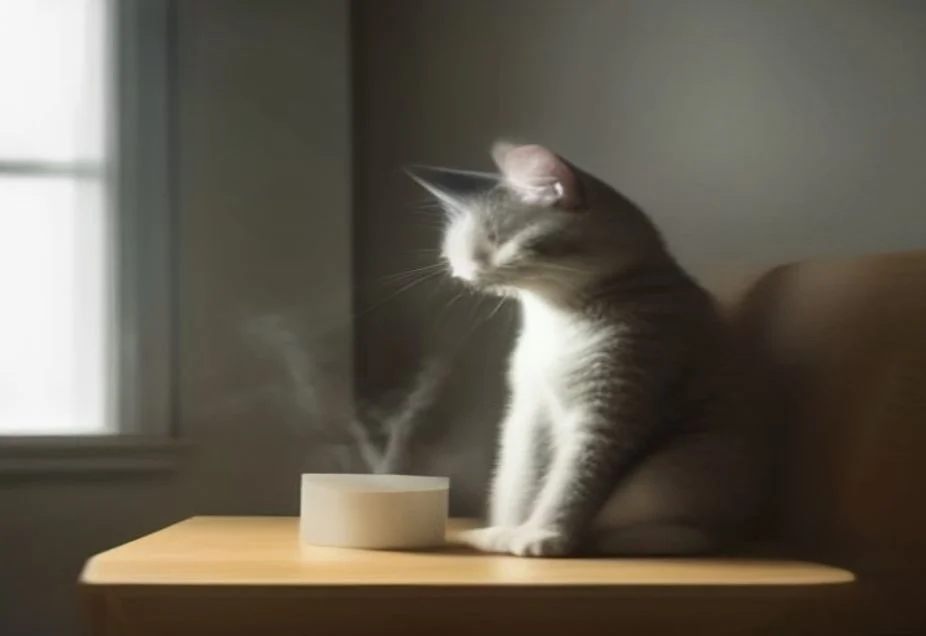
- Cats can’t process them. Cats lack an enzyme (glucuronyl transferase) needed to break down the phenols and other compounds in many oils, so these can build up to toxic levels [4].
- Tea tree is the most commonly reported culprit in pet poisonings, but eucalyptus, cinnamon, citrus, peppermint, pine, wintergreen, sweet birch, pennyroyal and ylang ylang are all listed as toxic to pets [4].
- Signs of poisoning can include drooling, vomiting, wobbliness, tremors, breathing difficulty, low body temperature and, in serious cases, liver or kidney damage or seizures [4].
- Diffusers are a real risk, not just direct contact. Inhaled diffused oil can irritate airways and, in a small or poorly ventilated space, cause breathing problems in pets.
If you have pets, cats and birds in particular, be very cautious. Keep oils and cleaning products well out of reach, don’t apply them to your pet, keep pets out of the room when diffusing, run diffusers only briefly and with ventilation, and check with your vet before using oils around animals. A “natural” label does not mean “safe for your cat.”
Using essential oils safely (for people, too)
Pets aside, a few sensible rules keep essential-oil cleaning safe and effective:
- Always dilute. Neat essential oil can irritate or sensitise skin. Add a small number of drops to a cleaner or carrier, never use it undiluted on surfaces or skin.
- Use an emulsifier. Because oil won’t mix with water, add the oil to a little washing-up liquid, castile soap or alcohol first, then to water, otherwise it just separates.
- Patch-test surfaces. Some oils can mark or degrade certain plastics, finishes and natural stone. Test an inconspicuous spot.
- Keep away from children and never ingest essential oils, several are toxic if swallowed, and a small amount can harm a child.
- Mind citrus and sunlight. Citrus oils can be phototoxic on skin (react with sunlight); keep them off skin that will be exposed to sun.
- Ventilate when cleaning or diffusing, and store oils tightly closed, away from heat and out of reach.
A sensible way to use them in cleaning
If you enjoy the scent and the mild boost, the pragmatic approach is to add essential oils to a cleaner that’s already doing the real work. For example, a general surface spray of warm water with a little washing-up liquid (the emulsifier) plus a few drops of tea tree or thyme oil cleans and smells great, the detergent removes the dirt and germs, and the oil adds fragrance and a modest antimicrobial edge. Just don’t rely on it to sanitise, keep it away from pets and delicate surfaces, and switch to a proper disinfectant for high-risk jobs.
Myths vs facts
| Myth | What the evidence says |
|---|---|
| “Essential oils don’t really kill germs.” | They do in the lab, tea tree, thyme and others have real antimicrobial activity [1][2]. |
| “A few drops in water disinfects surfaces.” | No, far too dilute, doesn’t mix, and untested; treat it as a scented cleaner. |
| “Natural means safe.” | Many oils are toxic to cats and birds and can irritate people [4]. |
| “Essential oils can replace disinfectant.” | Not for real hygiene needs, use a registered disinfectant then. |
| “Diffusing oils is harmless around pets.” | It can cause breathing problems and poisoning in pets, ventilate and keep them out [4]. |
The bottom line
Essential oils sit in an honest middle ground: the antimicrobial chemistry is real, thyme’s thymol is even used in registered disinfectants, but a few drops in a spray bottle is far too weak and untested to count as a disinfectant. Enjoy them for what they genuinely offer: a natural fragrance, some odour control, grease-cutting from citrus oils, and a mild antimicrobial boost in a cleaner that’s already doing the physical work. Keep a proper disinfectant for illness, raw meat and other real hygiene needs, and, above all, if you have cats, birds or other pets, treat essential oils with real caution, because “natural” is not the same as “safe.”
Frequently asked questions
Do essential oils actually disinfect?
Not reliably in DIY form. The oils contain genuine antimicrobial compounds, and thymol from thyme is used in registered disinfectants, but a few drops in a spray bottle is far too dilute, doesn’t mix with water, and hasn’t been tested for disinfection. Treat homemade essential-oil sprays as pleasant cleaners with a mild antimicrobial boost, not disinfectants.
Which essential oil is best for cleaning?
For antimicrobial backing, thyme (thymol), tea tree (terpinen-4-ol), oregano (carvacrol) and clove (eugenol) have the strongest evidence. Citrus oils are best for grease-cutting and fragrance. If you actually need to disinfect, choose a registered disinfectant, including thymol-based “botanical” ones, rather than relying on a homemade blend.
Is tea tree oil a good disinfectant?
Tea tree oil has broad-spectrum antimicrobial activity in laboratory studies, so it has real antibacterial and antifungal properties. But at home, in a diluted spray, it won’t reliably disinfect surfaces, and there’s limited clinical evidence for treating infections. It’s useful as a natural cleaner and for light mould, not as a substitute for a proven disinfectant.
Are essential oils safe to use around cats?
Often not. Cats lack an enzyme needed to process many of the compounds in essential oils, so oils like tea tree, eucalyptus, citrus, peppermint, pine and cinnamon can be toxic to them. Keep oils away from cats, don’t apply them to pets, keep cats out of rooms while diffusing, ventilate well, and check with your vet. Birds are similarly sensitive.
Can you make a DIY essential oil cleaning spray?
Yes, as a scented cleaner. Mix warm water with a little washing-up liquid or castile soap (to emulsify the oil) and a few drops of tea tree or thyme oil. The detergent does the cleaning; the oil adds fragrance and a mild antimicrobial boost. Don’t treat it as a disinfectant, keep it away from pets and delicate surfaces, and label it clearly.
Do essential oils kill mould?
Tea tree oil has some evidence against mould and is a popular natural option for light surface mould on hard surfaces. But it won’t fix mould with roots in porous materials, and it can’t address the underlying damp that causes mould to return. For anything beyond a small patch, deal with the moisture source and follow a proper mould-removal method.
Why does my essential oil cleaner separate?
Because oil and water don’t mix. Without an emulsifier, the essential oil floats and separates from the water, so it isn’t delivered evenly. Add the oil to a small amount of washing-up liquid, castile soap or alcohol first, then combine with water, and shake before each use to keep it blended.
Are essential oils better than chemical cleaners?
They’re different tools. For fragrance, mild antimicrobial support and grease-cutting they’re a nice natural option, but they don’t match proven disinfectants for killing germs when it matters, and they carry their own safety issues around pets and skin. The best approach is usually ordinary detergent for everyday cleaning, a registered disinfectant for high-risk jobs, and essential oils for scent and a boost.
Can you put essential oils on skin while cleaning?
Only well diluted, and with care. Neat essential oils can irritate or sensitise skin, and citrus oils can react with sunlight. Wear gloves when cleaning with them, never apply them undiluted, patch-test first if using them on skin at all, and keep them away from eyes, broken skin and children.
How many drops of essential oil should I use in a cleaner?
For a standard spray bottle (around 500 ml), roughly 10–20 drops in a detergent base is typical for scent and a mild boost, but remember this is a cleaning, not disinfecting, concentration. More isn’t better: higher amounts increase irritation and cost without turning it into a proven disinfectant, and raise the risk to pets.
Related reading: antibacterial vs plain soap and does vinegar actually disinfect?
References
- Carson C.F., Hammer K.A., Riley T.V. “Melaleuca alternifolia (Tea Tree) Oil: a Review of Antimicrobial and Other Medicinal Properties.” Clinical Microbiology Reviews, 2006. journals.asm.org
- “Thyme essential oil potentials as a bactericidal and biofilm-preventive agent against prevalent bacterial pathogens.” Scientific Reports, 2025. nature.com
- U.S. Environmental Protection Agency, thymol as a registered disinfectant active ingredient (botanical disinfectants). epa.gov
- “Toxicoses From Essential Oils in Animals.” Merck Veterinary Manual. merckvetmanual.com
- “Efficacy and safety of Melaleuca alternifolia (tea tree) oil for human health, a systematic review of randomized controlled trials.” Frontiers in Pharmacology, 2023. frontiersin.org
This article summarises published research for general information and isn’t medical or veterinary advice. If you suspect a pet has been exposed to essential oils, contact your vet immediately.