The short answer: mostly no. Freezing doesn’t kill most bacteria, it puts them into a dormant, suspended state, and they survive perfectly well in the freezer. When the food thaws, they wake up and start multiplying again, sometimes faster than in fresh food. So freezing preserves food; it doesn’t sanitise it. A contaminated food is just as contaminated when it comes out of the freezer, which is why proper cooking, not freezing, is the step that actually kills harmful bacteria. There is one important exception, though: freezing does reliably kill parasites, which is exactly why raw fish for sushi must be frozen to strict standards.
“It’s been in the freezer, so it’s safe” is one of the most common, and riskiest, kitchen assumptions. The reality is more nuanced and genuinely useful to understand: freezing is brilliant at pausing food, and it kills some things and not others. This guide explains what freezing does and doesn’t kill, why bacteria survive it, the parasites it does destroy, and how to freeze, thaw and store food safely. Sources are linked at the end.
How we researched this: the findings below draw on food-safety guidance from the USDA Food Safety and Inspection Service, the US FDA, the UK Food Standards Agency, and university food-science research. Full references are at the bottom.
Why freezing doesn’t kill bacteria
Freezing works by cold, and cold slows life down rather than ending it. As the temperature drops, bacteria stop growing and dividing and enter a dormant state, but the cells themselves largely stay intact and alive. The USDA is explicit about this: freezing to 0°F (−18°C) inactivates microbes such as bacteria, yeasts and moulds, but does not destroy them; once the food thaws, they become active again [1].
Freezing does kill some bacteria, the ice crystals that form can rupture a proportion of cells, but the most dangerous food pathogens are hardy enough to survive freezing in large numbers. Salmonella, E. coli O157:H7, Listeria and Staphylococcus aureus all endure it, particularly in foods high in fat and protein that protect the cells [2]. That’s why food scientists say freezing is not a “lethality step”: you can’t rely on it to make unsafe food safe.
When food thaws, the bacteria wake up, sometimes faster
Here’s the part that matters for your kitchen. Once frozen food thaws and warms into the “danger zone” (roughly 8–63°C, and especially room temperature), the dormant bacteria become active and start multiplying again. And there’s a twist: they can grow faster in thawed food than in fresh, because the ice crystals that formed during freezing damage the food’s cells and release moisture and nutrients that bacteria feed on [2].
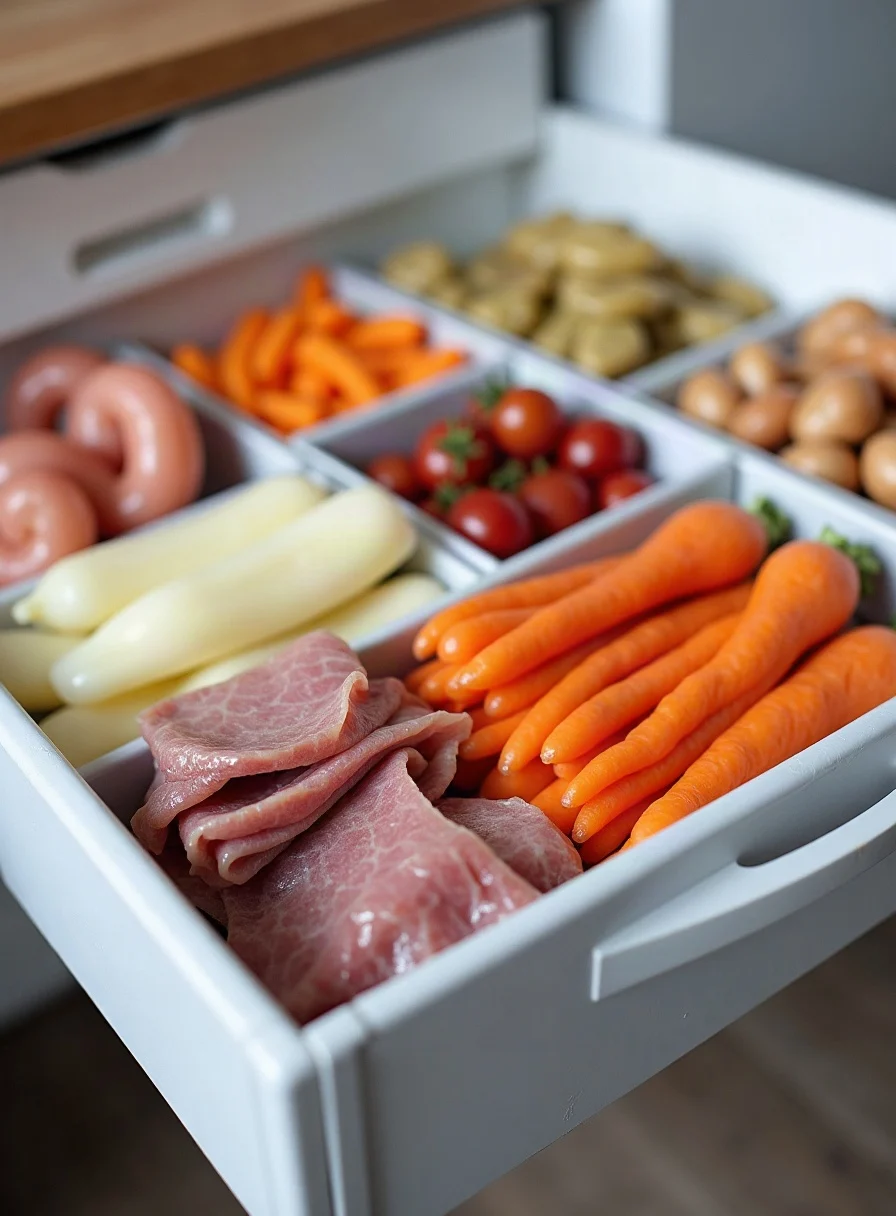
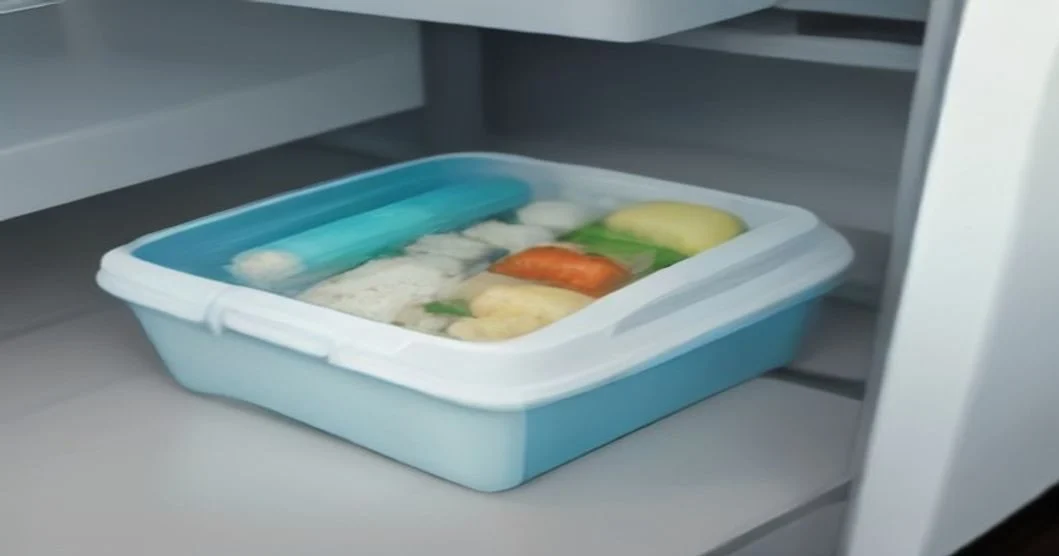
This is why how you thaw matters as much as anything:
- Thaw in the fridge, not on the worktop. A cool fridge keeps the surface out of the danger zone while the middle defrosts. Leaving food to thaw at room temperature lets the outside grow bacteria for hours before the centre is even ready.
- Or thaw in the microwave or cook from frozen, both keep the food out of the danger zone.
- Cook thoroughly after thawing. Cooking to the right temperature is the step that actually kills the bacteria; freezing never did.
- Don’t refreeze raw food that has thawed unless you cook it first, refreezing doesn’t kill the bacteria that grew, it just pauses them again.
The same “cold pauses, heat kills” principle runs through our guides to hot vs cold water for cleaning and what temperature kills germs in your laundry: only genuine heat reliably destroys microbes.
What freezing does kill: parasites
Freezing isn’t useless against every organism, for parasites, it’s genuinely effective, and this is where it earns its place in food safety. Parasites such as the Anisakis worms found in some fish are killed by sustained deep freezing, which is why food-safety regulators require raw fish to be frozen before it’s served as sushi or sashimi.
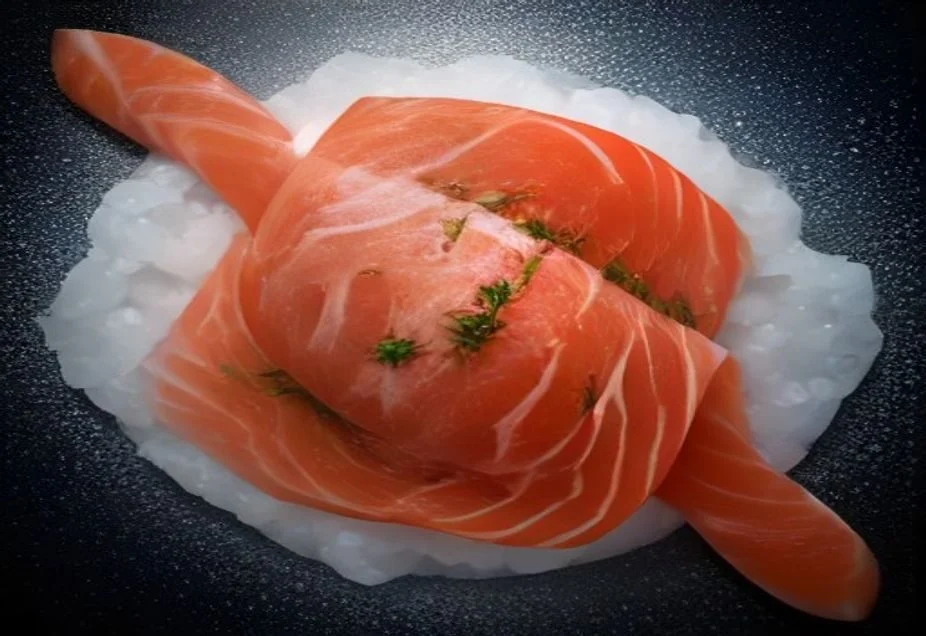
The FDA sets specific conditions to destroy parasites in fish eaten raw [3]:
- −20°C (−4°F) for 7 days, or
- −35°C (−31°F) until solid, then held at −35°C for at least 15 hours, or
- −35°C until solid, then held at −20°C for at least 24 hours.
The UK Food Standards Agency has equivalent rules, fishery products to be eaten raw or lightly cooked must be frozen to at least −20°C for 24 hours [4]. This is what “sushi-grade” really refers to: fish that’s been frozen to a standard that kills parasites. Crucially, though, this freezing does not kill bacteria, raw fish can still carry Vibrio, Salmonella and Listeria, so it’s parasite-safe, not sterile. Freezing can also kill insects and their eggs (which is why people freeze items to deal with bed bugs, clothes moths and dust mites), given a low enough temperature for long enough.
The dangerous myth: “it was frozen, so it’s clean”
Because freezing keeps food looking and smelling fine for months, it’s easy to assume the freezer somehow “resets” it. It doesn’t. Whatever bacteria were on the food when it went in are still there when it comes out, freezing simply pressed pause. This has a few practical consequences worth taking seriously:
- Freezing won’t rescue food that was already spoiling. If meat was left out too long and started to grow bacteria, freezing locks that in, thawing releases it again.
- Frozen doesn’t mean cooked. Foods that need cooking still need cooking after thawing; the freezer does none of that work.
- Cross-contamination still applies. Raw meat juices in the freezer can still contaminate other foods, and thawing liquid can spread bacteria around your fridge and worktop.
Think of the freezer as a pause button, not a steriliser, a brilliant way to keep food, but no substitute for safe handling and thorough cooking.
Does your freezer need cleaning?
Yes, and people rarely do it. While bacteria won’t multiply at −18°C, the freezer still accumulates spills, drips from packaging, and odours, and every time you thaw something those bacteria become active on any residue left behind. Listeria in particular is notable for surviving cold and even growing slowly at fridge temperatures, so a grubby freezer or fridge isn’t harmless. A sensible routine:
- Defrost and clean the freezer a couple of times a year (or when it’s low on stock), wiping the interior with warm water and a little mild detergent or a bicarbonate-of-soda solution, then drying it.
- Wipe up spills straight away, especially raw-meat drips, and store raw meat sealed and at the bottom.
- Keep the freezer at −18°C and don’t overfill it so cold air can circulate.
- Label and rotate so food is used within recommended times, freezing keeps food safe indefinitely, but quality declines over months.
Cold pauses, heat kills
If there’s a single principle to take away, it’s this: cold slows microbes down, heat destroys them. Freezing and refrigeration are about controlling bacteria, keeping them dormant or slow, while cooking, and hot enough washing, are what actually kill them. That’s why a 60°C wash sanitises laundry, a hot dishwasher rinse kills germs on plates, and thorough cooking makes thawed food safe, while the freezer, for all its usefulness, only ever presses pause. Understanding which tool does which job is what keeps your kitchen genuinely safe.
Myths vs facts
| Myth | What the evidence says |
|---|---|
| “Freezing kills the bacteria in food.” | No, it makes them dormant; they revive on thawing [1]. |
| “Frozen food is safe to eat without cooking.” | Only if it was safe already; cooking is the kill step, not freezing. |
| “Bacteria can’t grow once food has been frozen.” | They regrow when thawed, sometimes faster than in fresh food [2]. |
| “Freezing does nothing useful for safety.” | It reliably kills parasites, the basis of sushi freezing rules [3][4]. |
| “You can refreeze thawed raw meat.” | Not safely unless you cook it first, refreezing only re-pauses bacteria. |
The bottom line
Freezing is a preservation tool, not a cleaning one. It pauses bacteria rather than killing them, and they wake up and multiply, sometimes faster, once food thaws, which is why safe thawing and thorough cooking matter so much. Freezing genuinely shines against parasites, which is why raw fish for sushi is frozen to strict standards, and it can see off insects and dust mites with enough sustained cold. But never treat “it’s been frozen” as “it’s safe”: whatever was on the food going in is still there coming out. Freeze to keep food, thaw it in the fridge, cook it properly, and keep your freezer clean, and you get all the benefits of freezing without the false sense of security.
Frequently asked questions
Does freezing kill bacteria in food?
No, not reliably. Freezing makes bacteria dormant rather than killing them; hardy pathogens like Salmonella, E. coli, Listeria and Staphylococcus aureus survive freezing and become active again when the food thaws. Freezing preserves food safely but isn’t a “kill step”, cooking to the right temperature is what destroys harmful bacteria.
If bacteria survive freezing, is frozen food dangerous?
Not if you handle it properly. Frozen food is safe to keep for a long time, and any bacteria stay dormant while frozen. The risk comes at thawing: thaw in the fridge (not on the worktop), cook thoroughly, and don’t leave thawed food sitting in the danger zone. Done that way, the surviving bacteria are killed by cooking.
Does freezing kill parasites in fish?
Yes. Sustained deep freezing kills parasites such as Anisakis worms, which is why regulators require raw fish for sushi to be frozen, for example −20°C for 7 days, or −35°C until solid then held for set times. It does not, however, kill bacteria on the fish, so “sushi-grade” means parasite-safe, not sterile.
Can you refreeze food that has thawed?
Raw food that has fully thawed shouldn’t be refrozen unless you cook it first, because any bacteria that grew during thawing aren’t killed by refreezing, they’re just paused again, and refreezing also harms quality. Food thawed in the fridge and still cold can sometimes be refrozen, but cooking it first is the safe route.
Why does thawed food spoil faster?
Because the ice crystals formed during freezing rupture the food’s cells, releasing moisture and nutrients that bacteria feed on. Combined with the dormant bacteria reactivating, this means thawed food can support bacterial growth faster than fresh food, so it should be cooked or used promptly and never left at room temperature.
Does freezing kill mould?
No, like bacteria, moulds are made dormant by freezing, not killed, and they resume growing when the food warms up. Freezing also doesn’t destroy any toxins mould may already have produced. Don’t freeze food to “save” it from mould; if food is mouldy, freezing won’t make it safe.
Can you freeze things to kill bed bugs or dust mites?
Yes, with enough cold for long enough. Freezing items (for example at around −18°C for several days) can kill insects such as bed bugs and clothes moths, and dust mites, which is a useful chemical-free option for items you can’t wash hot. Make sure the item reaches the low temperature all the way through and stays there for the full time.
What temperature should a freezer be?
−18°C (0°F) or colder. At that temperature microbes are inactive and food stays safe indefinitely, though quality declines over months. Keep the freezer well organised but not overfilled so cold air circulates, and check the temperature with a freezer thermometer if you’re unsure your appliance is cold enough.
How often should you clean your freezer?
Defrost and clean it roughly twice a year, or whenever it’s low on food, wiping the interior with warm water and mild detergent or a bicarbonate-of-soda solution and drying it well. Wipe up spills, especially raw-meat drips, straight away, since those become active bacteria on any surface as soon as things warm up.
Is it safe to eat food frozen for a long time?
From a safety point of view, food kept properly frozen at −18°C stays safe more or less indefinitely, because bacteria can’t grow. What declines is quality, texture, flavour and colour deteriorate over months due to freezer burn and cell damage. So long-frozen food is usually safe if handled and cooked properly; it just may not taste its best.
Related reading: hot vs cold water for cleaning and does steam cleaning kill germs and dust mites?
References
- U.S. Department of Agriculture, Food Safety and Inspection Service. “Freezing and Food Safety” (freezing inactivates but does not destroy microbes; they become active on thawing). fsis.usda.gov
- University of New South Wales. “Why freezing food doesn’t kill bacteria.” 2026. unsw.edu.au
- U.S. Food & Drug Administration. “Fish and Fishery Products Hazards and Controls Guidance” (freezing to destroy parasites in raw fish). fda.gov
- UK Food Standards Agency. “Freezing requirements” for fishery products eaten raw. food.gov.uk
This article summarises published food-safety guidance for general information and isn’t a substitute for official food-hygiene advice; follow FSA or USDA guidance for safe food handling.