The short answer: for hygiene, paper towels win. A fairly consistent body of research shows that drying with paper towels physically wipes bacteria off your skin and reduces the germs on your hands, while electric hand dryers, especially older warm-air ones, can leave more bacteria on your hands and blow some into the air and onto nearby surfaces. Jet air dryers dry fastest but act like microbial catapults, flinging droplets over a metre. That said, there is one thing that matters more than which method you pick: actually getting your hands dry. Wet hands spread far more germs than dry ones, so a dryer used properly still beats walking off with damp hands.
So the honest ranking is: a paper towel is the most hygienic choice, a hand dryer is fine if you dry fully, and leaving your hands wet is the worst option of all. This guide goes through what the studies genuinely found (including who paid for them, because that matters here), a clear method-by-method comparison, the environmental trade-off that complicates the picture, and what all of it means for your own home versus a busy public toilet. Every figure is sourced at the end.
How we researched this: the findings below come from peer-reviewed hand-drying studies and independent review papers. Full references are at the bottom, and we flag where funding may have shaped a result.
First, why drying your hands matters at all
Before comparing methods, it helps to know why the drying step counts. Washing removes germs, but damp skin is sticky for bacteria. Wet hands pick up and transfer many times more microbes than dry hands, so if you leave a public toilet with your hands still wet, you undo a good part of the wash the moment you touch a door handle. Studies on skin-to-surface transfer have found that thoroughly drying the hands cuts the number of bacteria passed on to surfaces, food and other people by around 99 per cent.
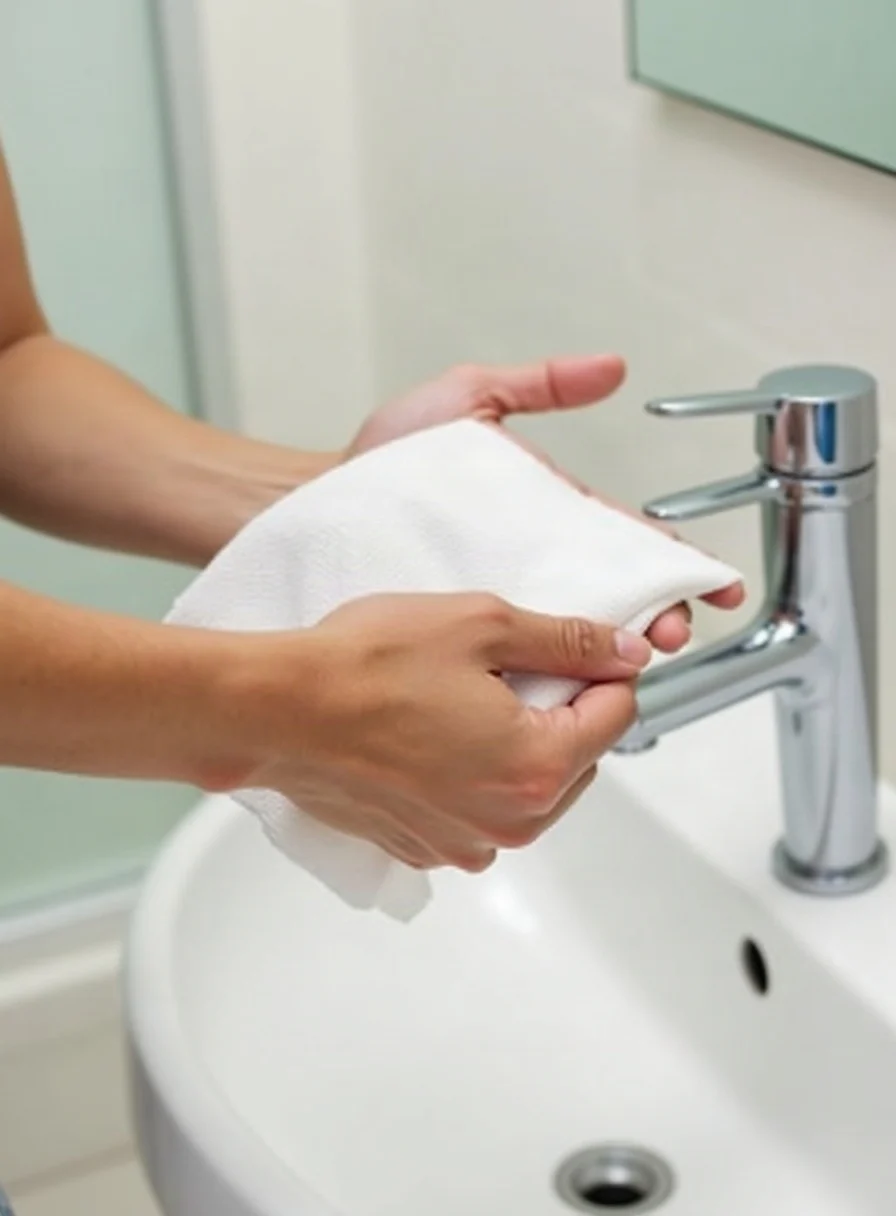
That single fact reframes the whole debate. The gap between the best and worst drying methods is real, but it is smaller than the gap between dry hands and wet hands. Whatever you use, the first rule is to dry your hands completely, not to a quick half-damp finish.
What the research actually found: paper towels vs dryers
The most-cited hand-drying experiments come from the University of Westminster, where researchers measured the bacteria on people’s hands before and after each drying method. The results surprised a lot of people: paper towels lowered the bacterial count, while electric dryers often raised it.
In that testing, drying with paper towels reduced the bacteria on the fingertips by around 76 per cent. A jet air dryer increased fingertip bacteria by roughly 42 per cent, and an older warm air dryer increased it by about 194 per cent. There are two reasons for this counter-intuitive result. First, a paper towel cleans by friction: the physical rubbing lifts loosened bacteria and dead skin off and throws them in the bin. Air drying has no friction, so it just evaporates the water and leaves whatever is on the skin behind. Second, dryers can actively redistribute bacteria, pulling in air (and any germs floating in a toilet) and pushing them back onto your hands and the surrounding area.
One honest caveat, because it matters: hand-drying is a field where who funds the study can colour the conclusions. Paper-towel manufacturers and dryer manufacturers have each backed research that flatters their product. What gives the “paper towels are more hygienic” conclusion weight is that it also holds up in independent reviews, including a 2012 evidence review by the Mayo Clinic, which concluded that paper towels are the most hygienic option and should be preferred where hygiene is critical, such as hospitals and food preparation.
The bigger problem: what dryers blow into the room
Bacteria left on your own hands is only half the story. The other half is what a powerful air dryer does to the germs in a shared toilet, and this is where jet dryers look worst.
- They throw droplets much further. A 2014 study in the Journal of Hospital Infection found jet air dryers dispersed droplets from the hands up to about 1.5 metres, roughly twice as far as warm air dryers, with paper towels barely spreading anything. Bacterial counts in the air were higher around the jet dryers too.
- They fling far more virus particles. A follow-up study estimated jet dryers spread around 190 times more virus particles into the air than paper towels, launching them up to three metres across a washroom.
- They deposit toilet germs on surfaces. A 2018 University of Connecticut study showed hot-air dryers pull in washroom air (which, thanks to toilet plume, can carry faecal bacteria and spores) and deposit those microbes back onto hands and surfaces. Fitting HEPA filters cut this by around 99.9 per cent but did not remove it entirely.
- They leave dirtier surfaces. On average, surfaces people touched were far more contaminated after air drying than after paper towels.
This is closely tied to toilet plume, the fine spray a flush throws into the air. A jet dryer in a small toilet can act like a fan for those germs. It does not make you ill on its own, but in a busy public washroom it is a genuine hygiene downside that paper towels simply do not have.
Hand dryers vs paper towels: the full comparison
Pulling it together across the things that actually matter:
| Factor | Paper towels | Warm air dryer | Jet air dryer |
|---|---|---|---|
| Germs left on hands | Reduced (friction removes them) | Can increase | Can increase |
| Spread to air & surfaces | Very low | Moderate | High (up to 3m) |
| Speed | Fast (10 to 15s) | Slow (30s+) | Very fast (10 to 15s) |
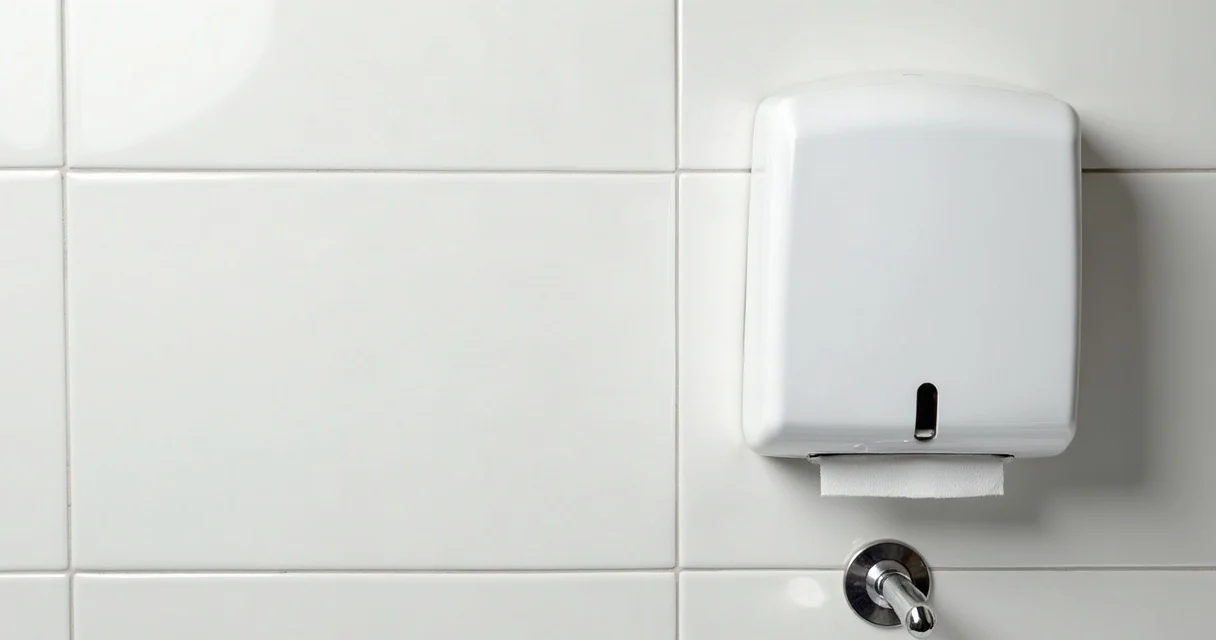
| Lets you open the door hygienically | Yes (use the towel) | No | No |
| Running cost & waste | Higher cost, more waste | Low cost, no waste | Low cost, no waste |
| Best setting | Hospitals, kitchens, home | Low-traffic public loos | Speed-focused public loos |
The pattern is clear: paper towels lead on the two hygiene measures that count, germs left on the hands and germs spread around the room, and they give you a clean way to open the door. Dryers win on waste and running cost. If your only priority is hygiene, paper towels are the better tool; if you are weighing hygiene against environmental impact, the choice gets more interesting, which is the next section.
What about the environment?
This is the honest complication. Paper towels create waste and cost more to keep buying, and making them uses trees, water and energy. Electric dryers produce no paper waste and, over their life, often have a lower overall carbon footprint per dry, particularly efficient modern jet dryers. So on environment, dryers usually have the edge, while on hygiene, paper towels do.
There is no perfect answer, only a trade-off you can weight for the setting. A hospital or a commercial kitchen should put hygiene first and use paper. A quiet office toilet, where cross-infection risk is low, is a reasonable place to save the paper and use a dryer. If you do use paper towels, choosing recycled ones and composting them afterwards softens the environmental cost.
What to do at home and in public loos
Translating the evidence into what you should actually do:
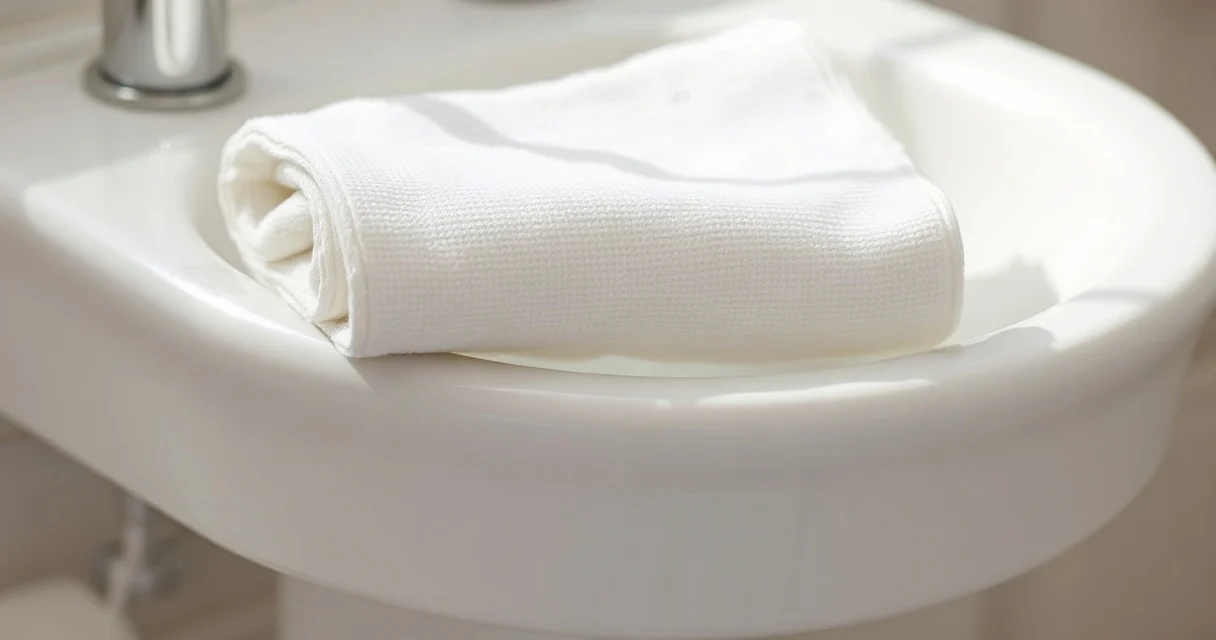
- At home: a clean hand towel is fine for a healthy household, as long as it is genuinely used only for clean hands and washed regularly (every few days, more if someone is ill). Keep a separate towel, or kitchen roll, for drying hands after handling raw meat.
- In a public toilet: if paper towels are available, use them, and use one to open the door on the way out. If there is only a dryer, still use it and dry your hands fully rather than leaving them wet.
- The step that matters most: wash properly in the first place. If your hands are genuinely clean, there is very little left for any drying method to spread. Good hand washing plus full drying beats agonising over the machine on the wall. For the wash itself, see our guide to antibacterial versus plain soap and hand sanitiser versus soap.
Paper towels vs hand dryers: pros and cons
Paper towels, pros: most hygienic (friction removes germs); spread almost nothing into the air; let you open the door without re-contaminating your hands; fast. Cons: ongoing cost, paper waste, need restocking, and empty dispensers leave people with nothing.
Hand dryers, pros: no consumable waste, low running cost, nothing to run out of, and a lower lifetime carbon footprint. Cons: can leave more bacteria on your hands, blow germs around the room (worst with jet dryers), no help with the door, and warm air models are slow, so people leave with damp hands.
What the research backs for the most hygienic clean hands at home.
The bottom line
If the question is purely hygiene, paper towels are the more hygienic way to dry your hands: they remove germs by friction, they do not blow anything around the room, and they let you open the door cleanly. Hand dryers, especially jet models, dry fast and cut waste but can leave more bacteria on your hands and spread germs further, so they suit lower-risk settings. Above all, dry your hands fully whichever you use, because damp hands are what really spread germs. Wash well, dry completely, and the method becomes a detail.
Myths vs facts
| Myth | The reality |
|---|---|
| “Hand dryers are more hygienic because you touch nothing.” | Not touching a dispenser helps, but dryers can leave more bacteria on your hands and blow germs around the room. |
| “It does not matter how you dry your hands.” | It does. Method aside, drying fully is essential, because wet hands spread far more germs. |
| “Jet dryers are cleaner because they are modern and fast.” | Fast, yes, but they disperse the most droplets and germs, up to three metres. |
| “Paper towels are pure marketing by the paper industry.” | Industry funds studies on both sides, but independent reviews still favour paper towels for hygiene. |
| “A shared hand towel at home is disgusting.” | A clean towel used only for clean hands and washed regularly is fine for a healthy household. |
Frequently asked questions
Are hand dryers more hygienic than paper towels?
No. The weight of independent evidence says paper towels are more hygienic. They remove germs from the skin by friction and spread very little into the air, whereas dryers can leave more bacteria on your hands and disperse germs around the room.
Do hand dryers really spread germs?
Yes, especially jet air dryers. Studies have found they disperse droplets up to about 1.5 metres, spread many more virus particles than paper towels, and deposit washroom bacteria onto hands and surfaces. Warm air dryers spread less than jet dryers but still more than paper towels.
Why can a hand dryer leave more bacteria on my hands?
Two reasons. Air drying has no friction, so it cannot lift germs off the skin the way a towel does. And dryers pull in surrounding air, which in a toilet can carry germs, then blow it back onto your hands.
Is it better to wipe wet hands on your clothes than use a dryer?
No. Clothes are not clean, and rubbing wet hands on them can add germs. Use the dryer or a paper towel and get your hands properly dry; the key point is not to leave them wet.
Why do wet hands spread more germs?
Moisture helps bacteria transfer between surfaces, so damp skin both picks up and passes on far more microbes than dry skin. Thorough drying has been shown to cut the bacteria transferred to what you touch by around 99 per cent.
Are jet air dryers or warm air dryers worse?
They fail differently. Warm air dryers tend to leave the most bacteria on your hands and are slow, so people give up while still damp. Jet dryers dry faster but fling germs and droplets the furthest around the room.
Should I use the paper towel to open the toilet door?
Yes, it is a genuinely useful habit. The door handle is one of the most touched, least cleaned surfaces in a washroom, so opening it with your used towel and then binning the towel avoids re-contaminating freshly washed hands.
Is a shared hand towel at home safe?
For a healthy household, yes, if it is used only for clean hands and washed every few days (more often if someone is unwell). Keep a separate towel or kitchen roll for drying hands after handling raw meat.
Which is better for the environment?
Hand dryers usually have the lower lifetime footprint, because they avoid paper waste and repeat purchasing. Paper towels are more hygienic but create waste; choosing recycled towels and composting them reduces the impact.
Does any of this actually make me ill?
For most healthy people the day-to-day risk is small, which is why the method matters most in hospitals, care settings and food preparation. Washing your hands well and drying them fully matters far more than which dryer is on the wall.
References
- Redway, K. & Fawdar, S. University of Westminster, comparative study of hand-drying methods (fingertip and palm bacterial counts), via Journal of Hospital Infection materials.
- Best, E. L. & Redway, K. “Comparison of different hand-drying methods: the potential for airborne microbe dispersal.” Journal of Hospital Infection (2014), ScienceDirect.
- Kimmitt, P. T. & Redway, K. F. “Evaluation of the potential for virus dispersal during hand drying.” Journal of Applied Microbiology (2016).
- Huesca-Espitia, L. et al. “Deposition of Bacteria and Bacterial Spores by Bathroom Hot-Air Hand Dryers.” Applied and Environmental Microbiology (2018), PubMed.
- Huang, C., Ma, W. & Stack, S. “The hygienic efficacy of different hand-drying methods: a review of the evidence.” Mayo Clinic Proceedings (2012), Mayo Clinic Proceedings.
Last reviewed: August 2026. General hygiene information, not medical advice. Figures vary between studies, and some hand-drying research has been industry-funded, so we have leaned on independent reviews where possible.