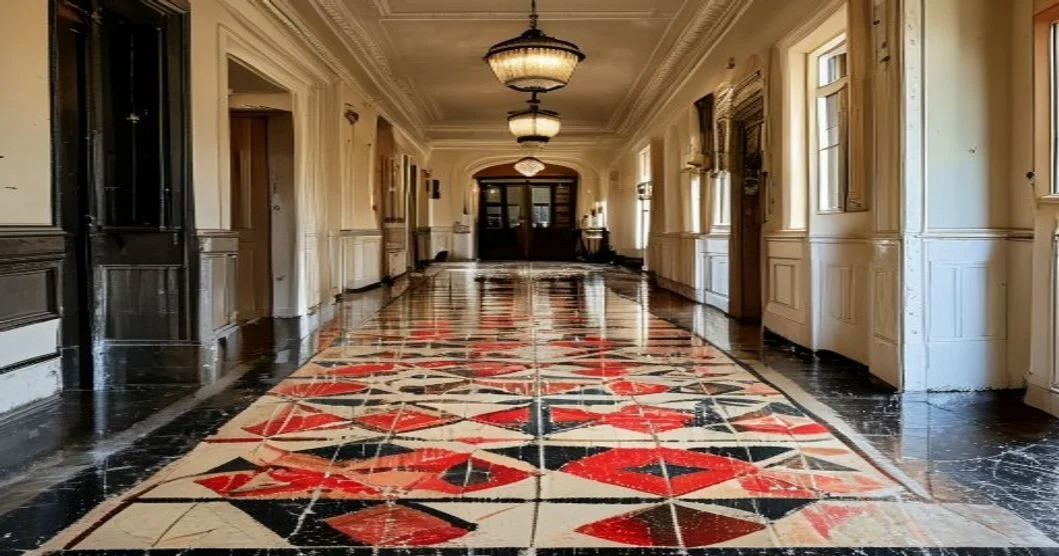
The safest way to clean an old tile floor is also the simplest: sweep or vacuum thoroughly, then mop with warm water and a pH-neutral cleaner, in sections, rinsing with clean water and drying. The thing to keep away from these floors is acid. Vinegar, lemon and limescale removers etch old tiles, fade their colour and weaken the grout. For Victorian, encaustic and quarry tiles especially, the rule is gentle and acid-free, followed by a breathable sealer to protect the porous surface.
Old floor tiles, such as the geometric Victorian patterns, terracotta quarry tiles and period ceramics found in so many UK hallways, are usually porous and unglazed, and the vinegar hack the internet loves will slowly destroy them. This guide starts with what can go wrong and what to check first, then covers the mildest effective routine, stronger options for old wax, paint and grime with their cautions, and sealing.
Disclosure: Cleaners Guide is a participant in the Amazon Associates programme, so if you buy through links on this page we may earn a small commission at no extra cost to you. It never changes our recommendations, we suggest products because they work and we point out cheaper options where they do the same job. Prices and availability change, so always check the current price before buying.
Before you start: what can go wrong, and what to check first
Know what you are cleaning
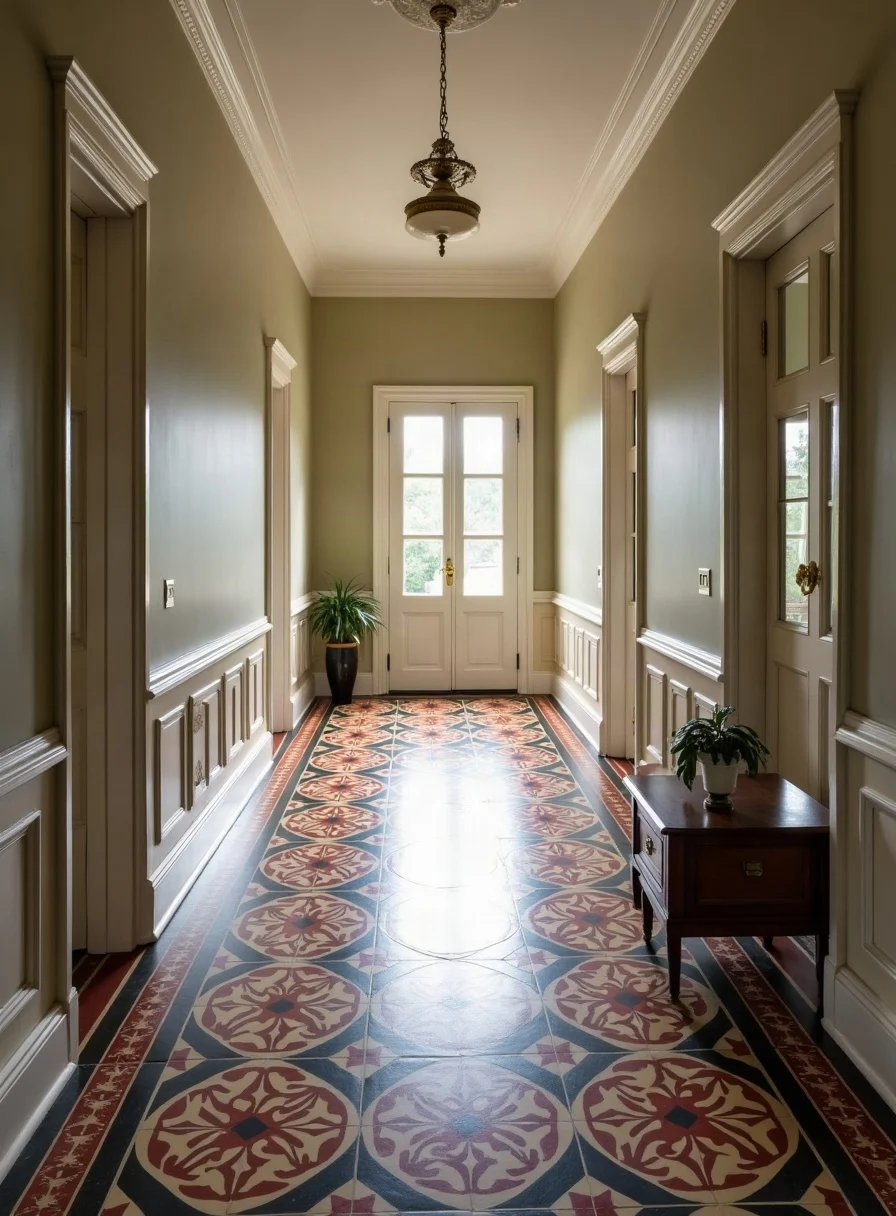
The right method depends entirely on what the tiles are made of. Old floors fall into a few types, and porous ones need the gentlest, acid-free treatment.
| Tile type | Looks like | Key point |
|---|---|---|
| Victorian encaustic or geometric | Multi-coloured geometric patterns, with colour running deep into the tile | Porous, unglazed and acid-sensitive. pH-neutral cleaning only, and seal it |
| Quarry tiles | Plain red-brown terracotta squares | Porous, no acids, and they benefit from sealing (see our quarry guide) |
| Old glazed ceramic | Shiny glazed surface, often patterned | More robust, but old grout is still acid-sensitive |
| Natural stone (slate, limestone, marble) | Natural veining or texture | Never acidic cleaners, because they etch stone permanently. See our limestone guide |
The unifying rule: if the tiles are old, unglazed, patterned or stone, treat them as acid-sensitive and porous. Quarry tiles have their own dedicated method in our quarry tile cleaning guide, and the rest of this page focuses on Victorian, encaustic and general old tile floors. (Bathroom wall tiles are a different job, so see our shower tiles guide.)
Why vinegar is the one thing to avoid
This is the most common, and most damaging, mistake. Vinegar, lemon and other acids are widely recommended for cleaning floors, but on old porous tiles they cause real harm. According to heritage-tile specialists including the Tiles & Architectural Ceramics Society, acids etch the tile surface, fade the pigments, and weaken the cement grout over time.
It is not just cleaning products, either. Everyday acidic spills (citrus, tomato, ketchup, coffee, wine) will slowly damage unsealed old tiles, which is exactly why sealing matters. Avoid on old floor tiles: white vinegar, lemon juice, acidic limescale remover and descaler, bleach used repeatedly, and harsh scouring powders. Stick to pH-neutral tile cleaner (or a mild alkaline heritage-tile cleaner for heavy grime) and the surface stays intact.
Other hazards on an old floor
- Old paint. Paint on a floor or skirting in a home built before the 1970s may contain lead. Do not dry-sand or scrape it into dust. Use wet methods, keep children and pets out, and get advice before disturbing a large area.
- Asbestos. If you are lifting tiles, black bitumen adhesive, old backing or tiles in a building from before 2000 may contain asbestos. Do not break, drill or sand anything you are unsure about. Stop and have it tested by a licensed professional.
- Chemical strippers and cleaners. Read the label, wear gloves and eye protection, ventilate the room and never mix products. Our list of cleaning products you should never mix explains why.
- Slippery floors. A wet or freshly sealed tile floor can be a slip hazard. Put up a warning, keep the floor dry and use a mat at the door until it has cured.
- Steam. Steam mops are best avoided on Victorian, encaustic and heritage tiles, because the heat and forced moisture can damage old glazes and lift or weaken cement grout.
Finally, test any product on a hidden tile (under furniture or in a corner) and wait for it to dry before judging. If the floor is genuinely valuable, badly damaged or covered with paint, skip to the end of the cleaning section and ask a specialist before you begin.
The mildest routine that works
- Sweep or vacuum thoroughly. Grit is abrasive and, dragged around by a mop, scratches old tiles. Get every bit up first, including along the grout lines and edges.
- Mop with warm water and pH-neutral cleaner. Follow the dilution on the bottle. Work in small sections so the floor never sits soaking, because old porous tiles do not like standing water.
- Agitate grubby areas gently with a soft brush, not a wire or hard-bristle one. An old toothbrush works on the grout lines.
- Rinse with clean water. Leftover cleaner residue dulls the surface and attracts dirt. Change the water often and go over the floor again with clean water.
- Dry it. Buff with a dry cloth or let it air-dry fully. Drying prevents watermarks and stops moisture sitting in porous tiles.
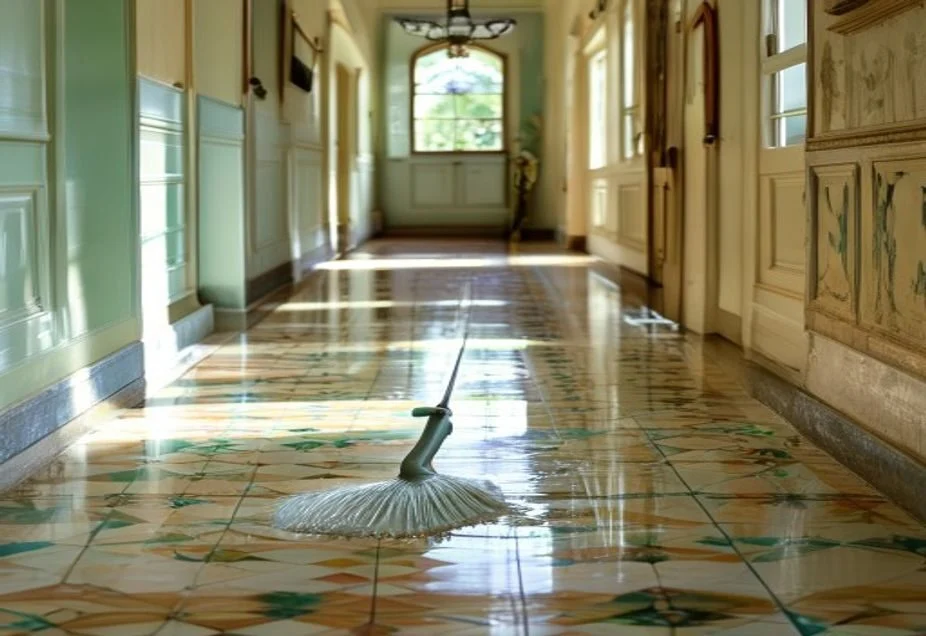
For weekly upkeep, a dry sweep or vacuum plus a damp pH-neutral mop is all a sealed old floor needs. The deep work below is occasional. Keep a quick reference like this in mind.
| Tile type | Clean with | Caution |
|---|---|---|
| Victorian geometric or encaustic | pH neutral tile cleaner and a soft brush | Never vinegar or acid, it etches |
| Quarry tiles | Warm water and a mild cleaner, then seal | Avoid strong alkalis on old grout |
| Old wax or grime | A wax remover made for stone and tile | Do not use a metal scraper |
| Stains | A poultice or an oxygen based cleaner | Patch test in a corner first |
Stronger options, and their cautions
Restoring a neglected or newly uncovered Victorian floor is a different job from routine cleaning. These floors are often hidden under carpet, old wax polish, paint splashes or decades of grime. Work through the layers patiently, and go in stages, because a century of build-up will not lift in one pass.
- Old wax and polish build-up: generations of tiles were finished with wax that goes dark and sticky with age. A proprietary wax remover or alkaline tile stripper designed for heritage tiles lifts it. Apply, let it dwell, agitate with a soft brush and remove the dissolved gunk with clean water. Never use acid to cut wax. Caution: alkaline strippers are irritants, so wear gloves and eye protection.
- Paint splashes: lift gently with a plastic (not metal) scraper, softening stubborn spots with the appropriate remover for the paint type, tested first on a hidden tile. Treat old paint as possibly containing lead, as above.
- Ingrained general grime: a mild alkaline heritage-tile cleaner, left to dwell and agitated, shifts what neutral cleaner cannot. Repeat rounds beat scrubbing hard.
- Cement or plaster haze (after building work): specialist products exist, but many are acid-based. On old tiles use only a heritage-safe cement remover, or you will trade the haze for etching.
Stains on old tiles and grout
| Problem | Safe fix |
|---|---|
| Grubby, dark grout lines | pH-neutral or mild alkaline cleaner worked in with an old toothbrush, or a bicarbonate of soda paste (mild, non-acidic) for stubborn spots |
| White chalky bloom (efflorescence) | Mineral salts drawn up through porous tiles. Brush off dry, then use a specialist efflorescence remover. It recurs until the floor is sealed and any damp is resolved |
| Grease (kitchen or hallway) | Alkaline degreaser or heritage-tile cleaner. Grease is one place alkaline beats neutral |
| Rust marks | A specialist rust remover safe for the tile type. Test first, as many are acidic |
| Organic stains, mould | Dilute, tile-safe cleaner. Avoid repeated neat bleach, which can bleach pigment |
The grout on old floors is usually a lime or cement mortar that is just as acid-sensitive as the tiles, so treat it with the same care. Our grout cleaning guide covers technique, but skip its acidic suggestions on heritage floors.
When to stop and call a specialist
If the floor is a genuine Victorian feature and heavily degraded, a specialist tile-restoration company (they exist across the UK) can strip and re-seal it, often transforming a floor people assumed was ruined. Call one for valuable encaustic floors, paint-covered floors, cracked or lifting tiles that need relaying, any suspicion of asbestos or lead, or when careful cleaning has not worked. The temptation to reach for something harsh is exactly what damages these floors, and a specialist protects value that a DIY strip could permanently destroy.
Sealing old tiles, safely
Cleaning a porous old floor without sealing it afterwards is half a job, because the tiles will just re-absorb dirt and stain again. Sealing is what makes the whole thing worthwhile, but it needs the floor to be clean and dry.
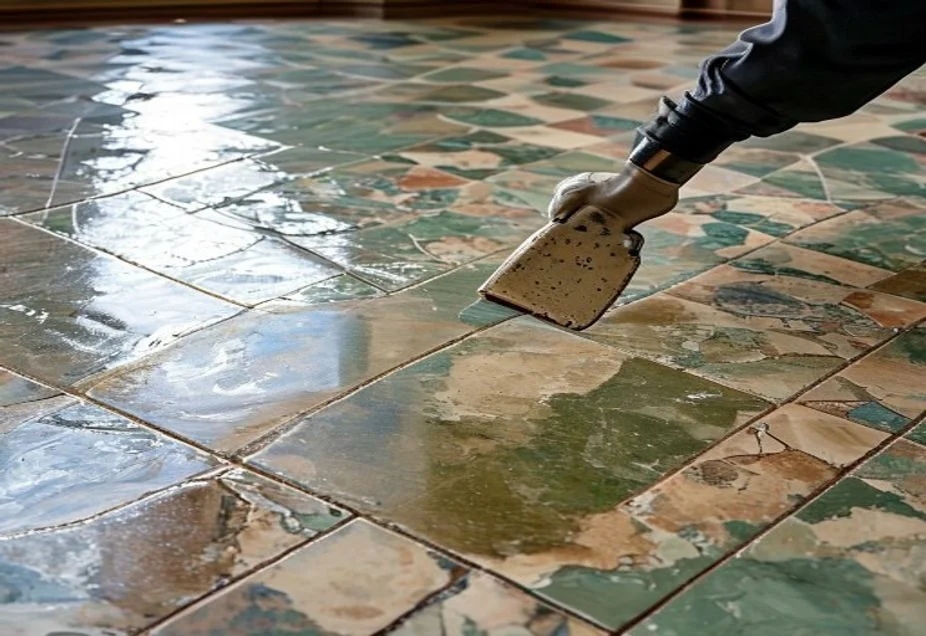
- Clean and dry completely first. Sealing over dirt or damp traps them in. The floor must be spotless and fully dry, often left a day or more after a deep clean.
- Use a breathable sealer made for encaustic, quarry or heritage tiles. Breathability matters, because old solid floors need to let moisture escape, and a non-breathable seal can trap damp and cause problems.
- Apply thin, even coats per the product instructions, usually an impregnating sealer first and sometimes a finishing sealer on top. Wipe off any excess before it dries to a sticky film. Ventilate the room and keep pets and children off until it has cured.
- Reseal when the water-drop test says so. If water soaks in and darkens rather than beading, it is time. Busy areas like hallways need it more often than quiet rooms, and the sealer’s label will give a guide.
Wood floors follow the same gentle-and-sealed logic in a different material. See our hardwood floor cleaning guide. A sealed old floor cleans with nothing more than a pH-neutral mop and shrugs off the spills that would otherwise stain it, which is the entire goal.
The mistakes that most often ruin old floors are acid cleaners, steam, wire brushes, soaking the floor, skipping the seal, sealing over damp or dirt, and going too hard on a valuable floor.
Our pick for old tiles, plus two alternatives
Featured pick: a pH-neutral tile cleaner. This is the product that does most of the work and carries the least risk. Look for one whose label says it is suitable for natural stone, quarry, encaustic or unglazed tiles, and that it is pH-neutral and acid-free. Dilute it as the bottle says. You can browse pH-neutral tile floor cleaners and neutral tile cleaners, and avoid anything described as descaling or limescale removing.
Alternative one: a breathable sealer. The real protection for a porous floor. A floor tile sealer should say it is impregnating and breathable, and ideally name quarry, terracotta or encaustic tiles. If you want less sheen, a matt tile sealer keeps the natural look. Test on a spare or hidden tile first.
Alternative two: a soft grout brush. A grout cleaning brush with nylon bristles lifts grime from grout lines and textured tiles. Choose nylon rather than wire or hard-bristle brushes, which scratch old tiles and wear away lime-based grout.
Old tile floor questions, in brief
What is the best cleaner for Victorian tiles? A pH-neutral cleaner made for natural stone or unglazed tiles, diluted as the label directs. For heavy grease or wax, a mild alkaline heritage-tile cleaner can help. Avoid acids, steam and abrasives. Test on a hidden tile before cleaning the whole floor.
Is bicarbonate of soda safe on old tiles? Yes in mild use. It is gently alkaline rather than acidic, so a paste on grout or stubborn spots will not etch the way vinegar does. Use it sparingly with a soft brush, rinse thoroughly and do not scrub hard, because rubbed-in grit can scratch softer surfaces.
Why do my old tiles look patchy after cleaning? Usually cleaner residue, uneven drying or patches where old wax or sealer remains. Rinse again with clean water, dry with a cloth and let the floor dry fully. If patches persist, an old sealer or polish may need stripping with a heritage-safe remover.
Do old tiles need a breathable sealer? Generally yes. Old solid floors often lack a modern damp-proof membrane, so moisture moves up through them. A breathable sealer lets that moisture escape, while a film-forming, non-breathable one can trap it and cause flaking or bloom. Always check the label.
How long should I wait before walking on a newly sealed floor? Follow the sealer’s instructions, because drying and curing times vary. Many are touch-dry within hours but need longer to cure fully. Keep the floor free of wet mopping and heavy traffic until the label says it is safe, and ventilate the room.