The Pink Stuff has a habit of working brilliantly on one job and leaving a mark on the next. Nearly every complaint comes down to the same two causes: the paste was used on a surface it was too abrasive for, or it was scrubbed too hard. It is a mild abrasive, so it suits baked-on grime on tough surfaces such as ovens, pans, grout and garden furniture, and it does not suit glass, polished chrome, acrylic or natural stone. If you are choosing, start with the right Pink Stuff product for the surface.
Some links in this guide are Amazon affiliate links. If you buy through them we may earn a small commission at no extra cost to you. Product mentions are generic types or named products you can compare yourself.
When it goes wrong: symptoms and causes
If you are here because something looks different after cleaning, start with this table. If you have not used it yet, it shows what to avoid.
| What you see | Likely cause | What to do |
|---|---|---|
| Fine hazy scratches on glass, screens, mirrors or chrome | The abrasive paste on a polished or soft surface | Stop. Light scratches are often permanent, so check the next sections |
| Swirl marks on stainless steel | Scrubbing in circles instead of along the grain | Redo gently along the grain with a damp soft cloth |
| Dull or shiny patches on a coated or matt appliance | The finish has been worn away | Stop using it. Ask the maker about touching up or replacing the panel |
| A pink film or streaks after cleaning | The paste was not fully rinsed off | Rinse with warm water, wipe with a clean damp cloth and buff dry |
| The grime is not shifting | Not enough dwell time, or thick carbon | Leave it a few minutes longer and repeat before pressing harder |
| Gritty residue in corners or on grout | The paste dried in place | Rinse with plenty of water and a soft brush |
Where the paste does well
The Pink Stuff Miracle Paste is a gently abrasive cleaning paste. It works by scrubbing: fine particles in the paste physically lift baked-on grease, limescale and grime from hard surfaces, which is why it can shift jobs that spray cleaners slide over. It is abrasion rather than strong chemistry, so it has little odour and rinses away. That same abrasion is its limit, because anything soft or highly polished can be scratched. For the longer verdict, see our Pink Stuff review.
| Use it on | How | Tip |
|---|---|---|
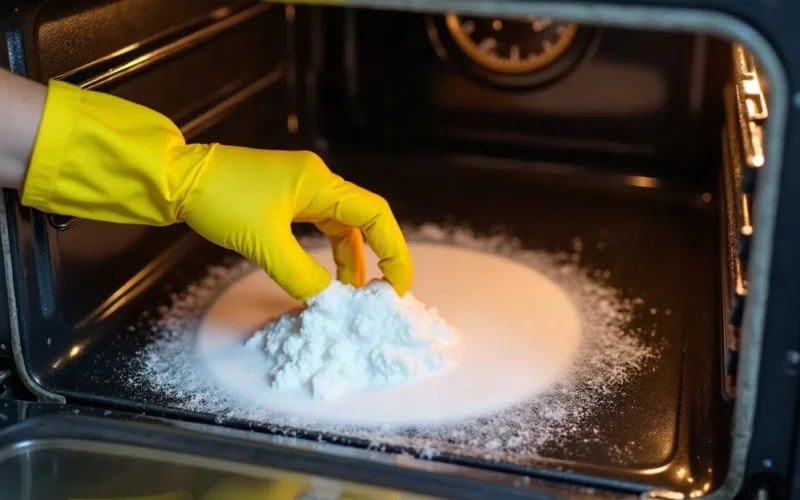
| Oven racks, trays and (gently) oven door glass | Paste on a damp non-scratch sponge, leave a few minutes, scrub, rinse | See our oven cleaning guide. Patch test glass first, as it can scratch |
| Burnt pans and baking trays | Work paste into the burnt area, leave, then scrub | Great on stainless steel pans. See also cleaning a burnt pan. Not for non-stick |
| Stainless steel sinks and taps | Light paste, rub along the grain, rinse and buff | Follow the grain, never circles (sink guide) |
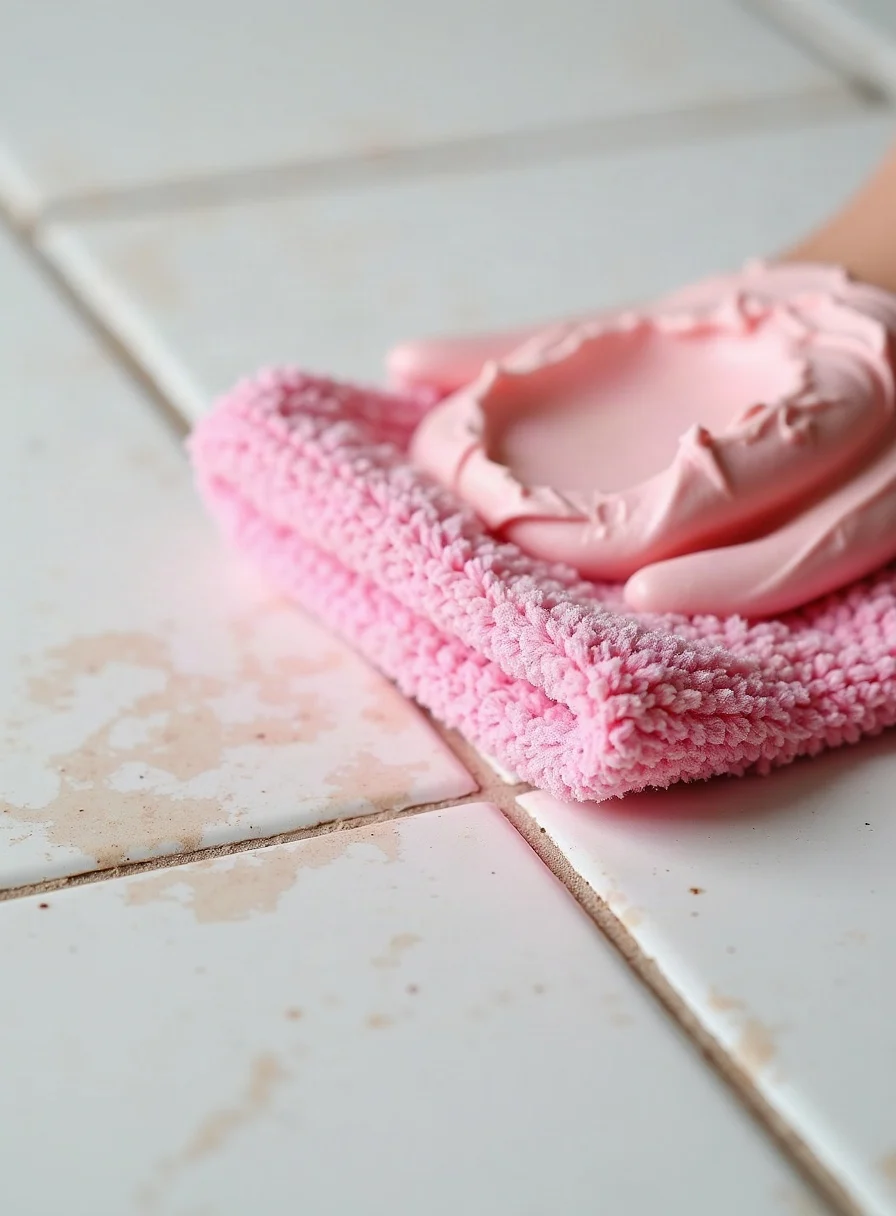
| Grout and tile joints | Old toothbrush and a little paste | Pairs well with our grout guide |
| BBQ grates and garden furniture | Paste and a brush or sponge, rinse well | Good on cooked-on carbon and weathered plastic. Test plastic first |
| Patios, uPVC and rust marks | Test first, then paste on a sponge | Rinse thoroughly so no residue dries on |
What to keep it off
Because it is abrasive, the paste can dull or scratch delicate and glossy surfaces. On these, a gentler product is the better choice.
- Glass, mirrors, screens and TVs. The abrasive can micro-scratch glass and strip screen coatings. Use a proper glass cleaner.
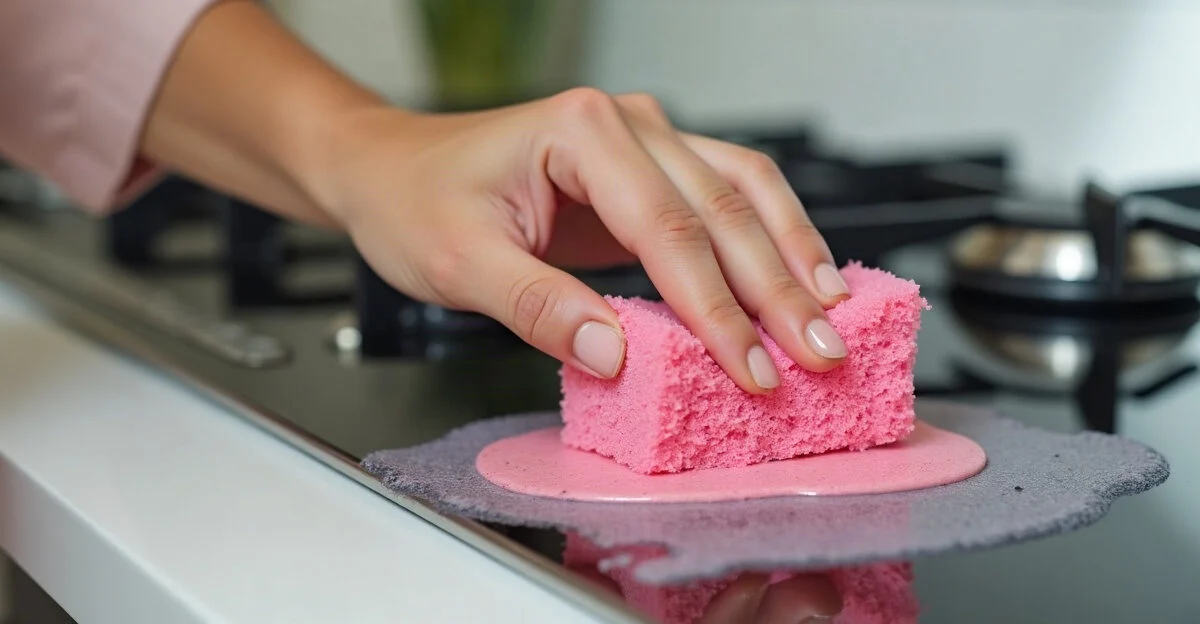
- Ceramic and glass hobs. Tempting, but risky. A dedicated hob cream is the safer choice.
- Highly polished or shiny chrome. It can leave a dull, scratched patch on a mirror finish.
- Acrylic baths and shower trays. Acrylic scratches very easily, so keep the paste off it.
- Matte or coated appliances. The abrasive can wear away the finish and leave shiny marks.
- Marble and other natural stone. Abrasion can dull polished or sealed stone.
- Soft plastics, non-stick coatings and gloss paintwork. Easily dulled or scratched, so test somewhere hidden first, if at all.
Warning: whatever the surface, patch test in a hidden spot first, and never scrub a shiny finish in circles. If in doubt, use a cream or spray rather than the paste, and check the surface maker’s cleaning advice.
Using it without scratching, and fixing a mistake
These steps are in order from the gentlest. Most mistakes can be prevented at step one, and the fix list underneath goes from easiest to hardest.
- Apply a small amount of the paste to a damp, non-scratch sponge or soft cloth, not a scourer.
- Use light pressure and let the paste do the work, rather than scrubbing hard.
- On stainless steel, always work along the grain, never in circles, which cause swirl marks.
- Give stubborn grime a few minutes of dwell time before scrubbing.
- Rinse the surface thoroughly and buff dry, so no pink residue is left to dry on.
If you have already marked something
- Easiest: rinse and buff. A film or streaks usually come off with warm water and a clean damp cloth.
- Next: redo stainless steel gently along the grain with a cream cleaner on a soft cloth. Faint swirls can fade.
- Harder: light scratches on glass, acrylic or polished metal are often permanent. Do not try another abrasive on top. Look for a polish made specifically for that material, and test it somewhere hidden.
- Hardest: worn coatings and deep scratches usually need the maker’s advice or a professional repair. See the section on when to stop.
The Pink Stuff range: what to buy
The paste gets the fame, but gentler products in the range suit the surfaces the paste cannot touch. The range changes, so check what is currently sold and read each label.
| Product | Best for | Notes |
|---|---|---|
| Miracle Paste | Heavy, baked-on grime on tough surfaces | Abrasive. Keep off shiny and delicate finishes |
| Cream Cleaner | Everyday sinks, worktops and hobs | Gentler than the paste and a good all-rounder, but still test first |
| Bathroom Foam | Showers, tiles and taps | Spray-on, so there is no scrubbing. Follow the label for the surfaces it suits |
| Multi-purpose sprays and glass cleaners | Quick wipe-downs and the glass the paste must avoid | No scrubbing, for everyday cleaning |
If you buy only one, start with the cream cleaner. It is the one most likely to be safe on the widest range of surfaces in a normal kitchen, and it covers daily jobs. Add the paste only if you have baked-on grime on hard surfaces such as racks, pans or garden furniture. The bathroom foam suits showers and taps where you would rather spray and wipe than scrub. As an Amazon Associate we earn from qualifying purchases.
When to stop and ask someone
Some marks are not worth risking a second go at. Stop and get advice if:
- The surface is expensive or hard to replace, such as a glass hob, a stone worktop or a bath, and you have already seen scratching. Ask the manufacturer for care advice, or a stonemason or bath refinisher for a repair.
- It is not your property. Tell your landlord rather than trying to polish out a mark.
- The item is under warranty and the damage may be covered. Keep the receipt and photographs.
- You are unsure what the surface is made of. Our guide to cleaning an enamel bath shows how much material type matters.
Five quick questions
Does The Pink Stuff disinfect? It is a cleaner, not a disinfectant. It removes grime and stains very well, but if you need to kill germs, for example after raw meat, follow up with a product that is labelled as a disinfectant and used as directed.
Can I mix it with other cleaners? No. Use one product at a time and rinse between products. Mixing cleaning products can create harmful fumes, and our list of cleaning products you should never mix shows which combinations to avoid.
Can I use it on painted walls? It is risky. The abrasive can take the finish off paint and leave shiny patches, so use a damp cloth with mild soapy water first and patch test in a hidden spot if you think you need more.
Can I use it on a bath? Not on acrylic, which scratches easily. A cast iron or steel enamel bath is tougher, but the glaze can still dull, so test a small area and use light pressure. If you are not sure what the bath is made of, use a non-abrasive bathroom cleaner.
Should I wear gloves? It is sensible for longer jobs, as the paste can dry your skin. Keep it away from your eyes, wash your hands afterwards, and read the label on the tub for the current safety information.