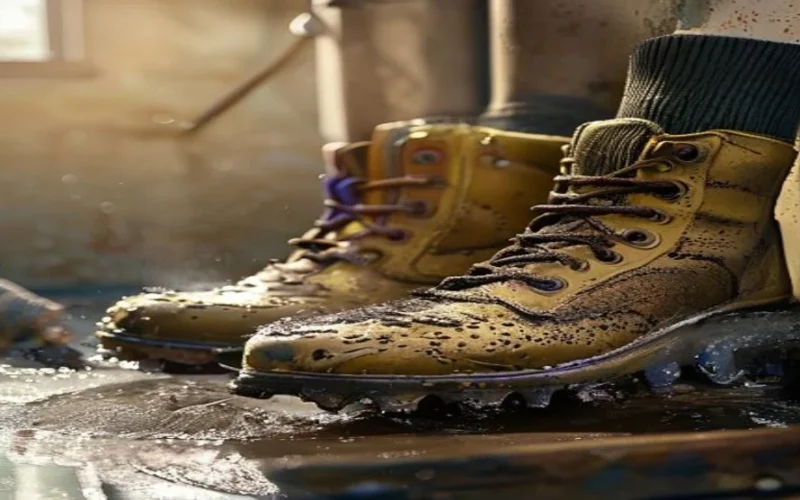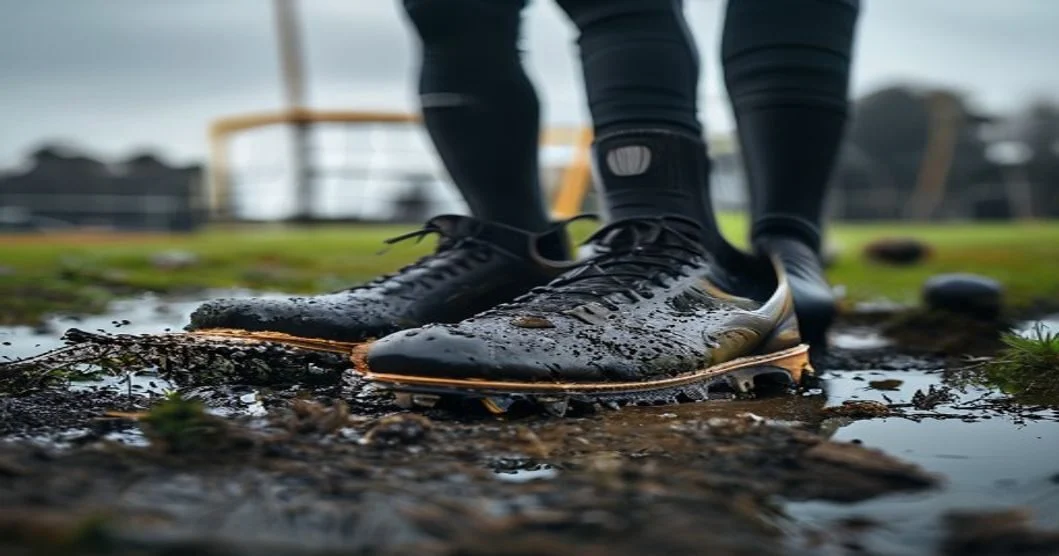
Most football boots are not worn out by the match. They are worn out in the hours afterwards: by the radiator they are left on, the washing machine they are thrown in, or the sealed kit bag they are zipped into while still wet. The clean itself is simple. What makes or breaks a pair is which of the usual shortcuts you avoid.
This guide starts with what can go wrong, for the boots and for you, then covers what to check on the label and in the brand’s own care guide, the safest way to clean, and the stronger options for white boots, smells and stubborn marks, each with a caution. The short version is the one Nike and adidas both give: knock off the mud, hand-wash with mild detergent, rinse, and air-dry away from heat. Count on around fifteen minutes of work and an overnight dry.
Disclosure: Cleaners Guide is a participant in the Amazon Associates programme, so if you buy through links on this page we may earn a small commission at no extra cost to you. It does not change what we say about the products. Prices and availability change, so check the current listing before buying.
What goes wrong, and what to do instead
| Common shortcut | What it can do | Safer choice |
|---|---|---|
| Drying on a radiator, with a hairdryer or in direct sun | Softens the adhesive that holds the sole on, bakes leather stiff until it cracks, and can warp the soleplate | Room-temperature air, newspaper inside, and a fan if you are in a hurry |
| Putting the whole boot in the washing machine | Hot water and the drum can loosen glue, batter the soleplate, strip coatings and stretch knitted uppers, and the studs are hard on the machine too | Hand-wash with a cloth and mild detergent. Only laces and removable insoles go in the machine |
| Bleach, stain removers, white spirit or oven and bathroom cleaners | Attack glue lines and dyes, yellow white coatings and weaken seams | Washing-up liquid or mild laundry detergent in warm water |
| Zipping damp boots into a kit bag | Damp, warm and sealed is how bacteria and mould thrive, and the smell becomes permanent | Let the boots dry fully and store them in a breathable bag |
| Leaving mud on all week | Dried mud draws moisture out of leather and hides damage | Knock off what you can after the match, then brush dry mud off before washing |
| Walking on pavement or gravel in studs | Rounds the stud tips and chews the soleplate edge, and it is a slip risk | Carry them or wear trainers or sliders to and from the pitch |
| Washing muddy boots in the kitchen sink and not cleaning up | Pitch mud can carry soil bacteria and animal waste, and it spreads to food surfaces | Use a utility sink or bowl outside, wash hands afterwards, and clean the sink |
On the hygiene point, cover any cuts on your hands, wear gloves if you have a skin condition, and wash your hands properly after handling muddy boots. That is ordinary precaution, not cause for alarm. If you clean metal studs, remember they are sharp enough to scratch or cut skin and floors, so keep them pointing away from you and off any soft surface.
Check the label and the brand’s care guide first
Before water goes anywhere near a pair, find out what the upper is made of. The box, the product page or a tag inside the tongue will usually tell you: leather, kangaroo leather, synthetic or coated microfibre, or knit. Both Nike’s care guide and adidas’s boot-care guide follow the same basic sequence: knock off the worst, hand-wash with mild detergent, rinse, air-dry. Nike’s guide lists nothing stronger than mild laundry detergent, and there is a reason for that. Modern boots are a sandwich of glued fabrics, foams and coated materials, and harsh chemicals tend to attack the glue lines and dyes first.
If your manufacturer says something different for your model, follow the manufacturer. The advice in this guide is the general case.
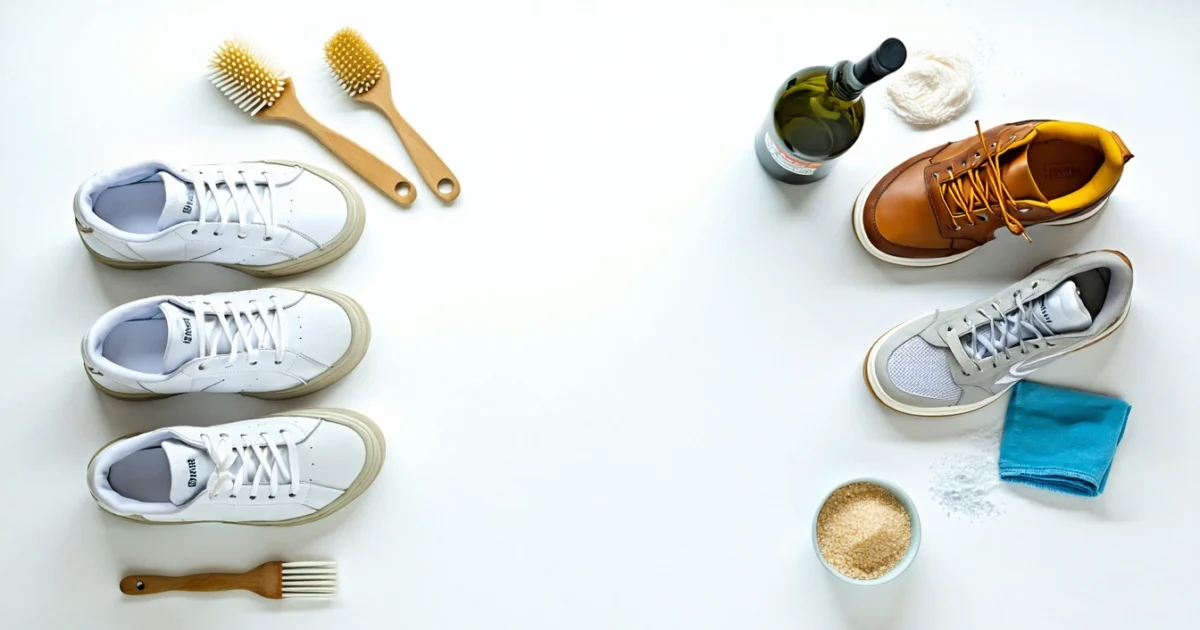
You do not need a branded kit. Most of what you need is already in the house:
| Item | What it is for |
|---|---|
| Old toothbrush or soft nail brush | Scrubbing soles, stud bases and seams |
| Lollipop stick or old butter knife | Levering packed mud out of the soleplate |
| Washing-up liquid or mild laundry detergent | A few drops in warm water as the cleaning solution |
| Two cloths or an old flannel | One to wash, one to rinse and dry |
| Newspaper or kitchen roll | Stuffing boots so they dry faster and hold their shape |
| Bicarbonate of soda | Neutralising smells inside the boot |
| Leather conditioner (leather boots only) | Keeps leather supple so it does not crack |
Set up the workspace before you start. Put newspaper or an old towel on the floor, use a bowl rather than running a tap over the boot, and keep the cleaning area away from food preparation. Wet mud on a hard floor is a slip risk, so wipe up as you go, and keep the boots out of reach of pets and small children while they dry, since studs and bicarbonate of soda are both things best kept away from them.
The safest method, step by step
Step 1: Knock the worst off at the pitch
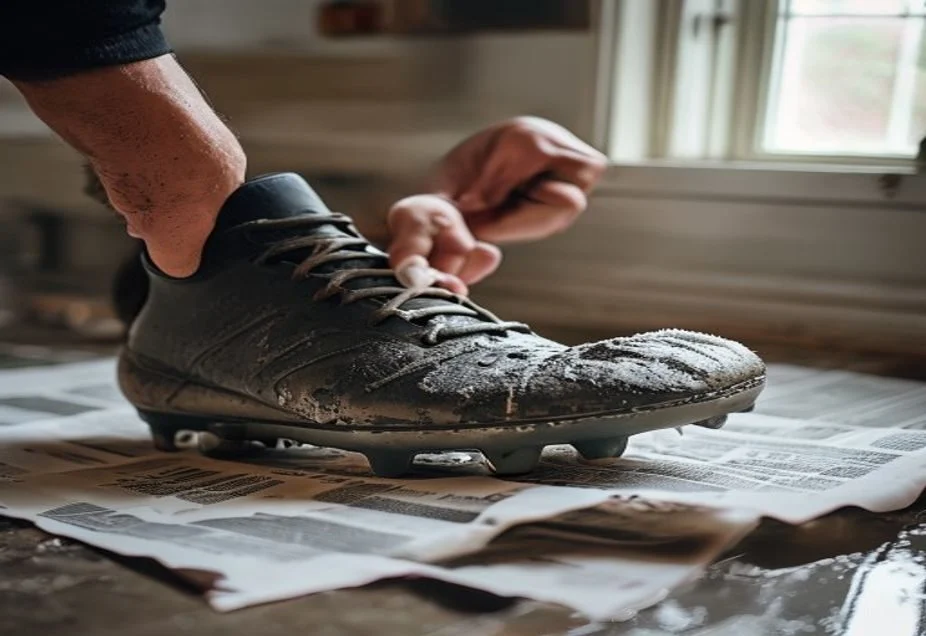
Start the moment the final whistle goes, while the mud is still soft. Bang the boots together sole to sole over the grass, which Nike and adidas both recommend, and you shed a lot of weight before you reach the car. Mud you remove now is mud you do not have to chisel off on Tuesday.
Step 2: Pull out the laces and insoles
At home, take the laces right out and lift the insoles. They trap sweat and grit, they stop the inside of the boot drying, and they clean much better separately. We cover both in the laces and insoles section below. Boots dry noticeably faster with the insoles out.
Step 3: Dry-brush the remaining mud
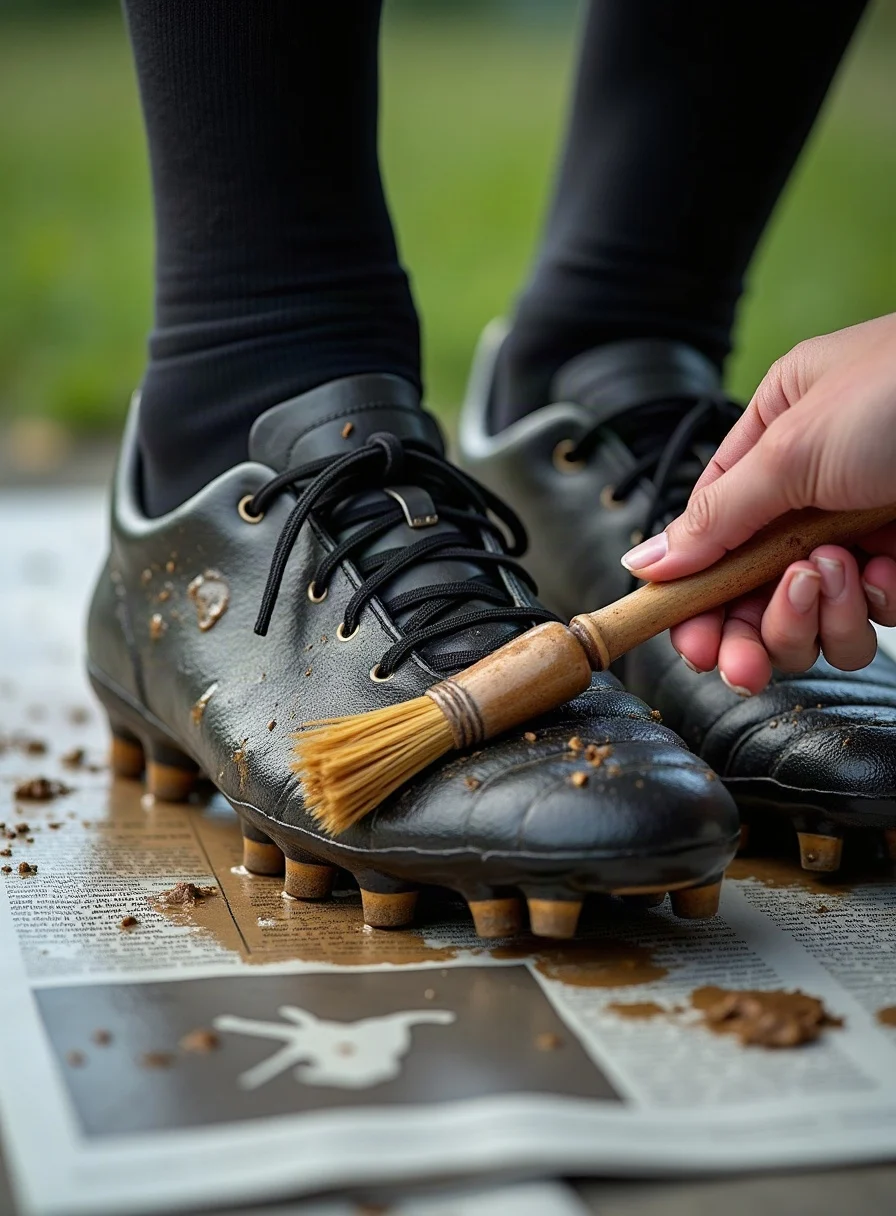
If mud is still caked on, let it dry first. Wet mud smears into the upper and dry mud pops off. Work the soleplate with a lollipop stick or an old butter knife to lever mud out from between the studs, then go over the upper and seams with a dry toothbrush. Do this over newspaper or outside, because even a Sunday-league clean produces a surprising pile.
Step 4: Wash with warm soapy water
Mix a few drops of washing-up liquid or mild laundry detergent into a bowl of warm, not hot, water. Scrub the soleplate and studs with the brush, then wring a cloth out in the solution and wipe the uppers with light pressure, working around the stitching and the tongue where grime collects. Do not dunk the whole boot. You want it damp-cleaned, not waterlogged, especially leather. Our piece on hot versus cold water for cleaning explains why warm is the sensible middle for adhesives and fabrics alike.
Step 5: Rinse-wipe and blot dry
Rinse your cloth in clean water and go over the boots again to lift soap residue, because dried detergent leaves pale tide marks, particularly on black boots. A clean microfibre cloth is good for this. Then blot everything with a dry cloth or kitchen roll, pressing rather than rubbing.
Step 6: Stuff with newspaper and air-dry
Scrunch newspaper loosely into each boot and leave them somewhere airy at room temperature, out of direct sun and nowhere near a radiator. Swap soggy paper for fresh after an hour or two if they were soaked. A damp pair typically needs about a day to dry, longer if they were properly soaked. Heat is the one thing that genuinely ruins boots, so: no radiators, no tumble dryer, no hairdryer.
Adjusting for the upper
The six steps suit every boot, but the pressure and the amount of water change with the material. Check the box or the brand’s product page if you are not sure.
Leather. Leather wants less water and more patience. Wipe rather than soak, dry slowly, and never leave leather sodden, because it stiffens and cracks as it dries, usually across the widest crease where the boot flexes. Once the boot is clean and fully dry, work in a small amount of leather conditioner or boot balm with a cloth every few weeks in season. Conditioned leather stays supple and moulds to your foot, while neglected leather can crack like an old paint tin lid.
Kangaroo leather (K-leather) is thinner and softer than calf leather and deserves the gentlest treatment: a barely damp cloth, minimal suds, and conditioner applied sparingly but regularly. On dubbin, it is fine on old-school heavy leather, but a thick greasy layer on thin, modern stitched boots can hold moisture against the seams and over-soften the upper, so a dedicated boot conditioner is more predictable.
Synthetic and coated microfibre. Most boots sold today are in this group, and they are the easiest. Warm soapy water and a cloth shifts almost everything, and the material does not mind moisture the way leather does. Keep the brush for the soleplate, because repeated hard scrubbing dulls glossy uppers. If your boots have a suede-effect panel, treat that patch the careful way described in our suede shoes cleaning guide: no soaking, and brush only when dry.
Knitted and sock-style uppers. Knitted uppers behave like a technical sock bonded to a soleplate, so clean them like delicate fabric. A stiff brush drags fibres loose and fuzzes the surface. Dab with a cloth and mild suds, working along the weave, then blot with clean water. On sock-style boots, squeeze the knitted collar gently in clean water afterwards, because detergent left in the cuff dries crusty against your ankle. Dry flat, stuffed with paper, well away from heat.
Washing machines and radiators: where boots really get hurt
Don’t machine-wash football boots, however tempting it is on a Sunday night. Nike’s care guide says to hand-wash them to avoid damage, and adidas’s routine machine-washes only the laces and insoles, never the boots. They get a sink, a cloth and mild detergent.
The reason is how modern boots are built. Uppers are usually bonded to soleplates with adhesive, and a wash cycle attacks every weak point at once. Hot water can soften the glue, the drum slams the soleplate against metal, detergent strips coatings and dye, and knitted uppers can stretch out of shape. The damage often shows weeks later as a sole that starts to peel at the toe, and the studs are no kinder to your washing machine’s drum.
What can go in the machine: laces and most removable insoles, in a pillowcase or mesh laundry bag, on a cold delicate cycle with mild detergent. That is the method adidas describes. Never tumble-dry either, because heat shrinks laces, melts the plastic tips (aglets) and warps insole foam.
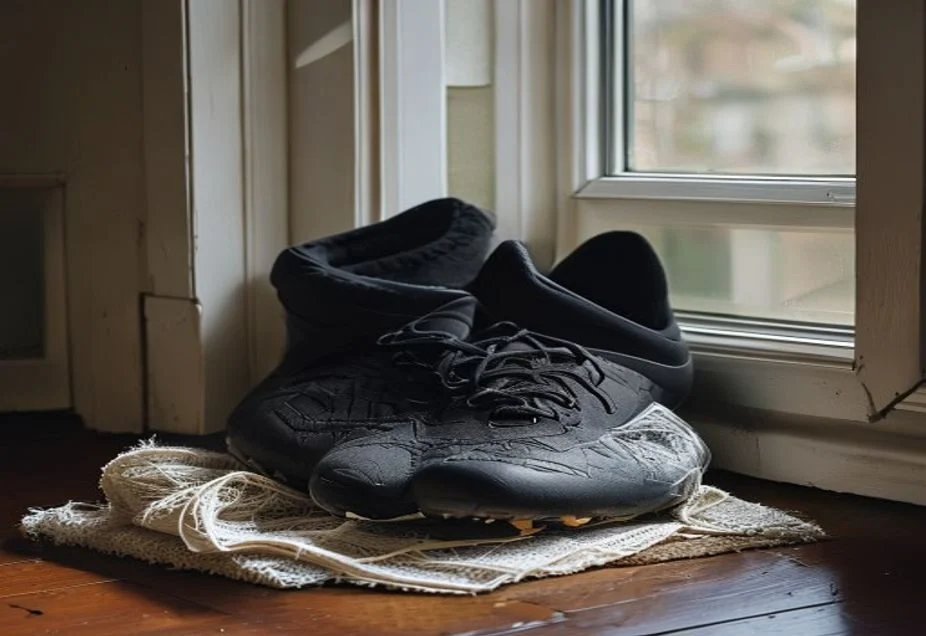
Drying is where more boots die than in cleaning. The rule is room-temperature air, moving if possible, and no direct heat. adidas’s guide says no hairdryer, no tumble dryer and no direct sunlight, and Nike’s warns against excessive heat as well. Radiators are the classic British boot-killer.
The right way costs nothing. Insoles out, laces loosened right off, tongue pulled forward, boots stuffed with scrunched newspaper or kitchen roll and left somewhere airy, such as a hallway or utility room, near (not on) a source of gentle background warmth. Swap the paper once when it is soaked through. A fan pointed at them speeds things up. If you play again tomorrow, change the newspaper twice that evening and they may be dry enough by morning, but check inside the toe before you wear them.
Never store boots damp. A zipped bag with damp boots in it is where smells begin, a point Nike’s guide flags too. Bag them only when they are completely dry.
Smelly boots, laces and insoles
Boot smell is mostly a damp problem, not a dirt problem. Feet sweat inside a near-sealed boot, bacteria feed on that moisture, and every hour the boot spends wet, especially zipped in a bag, multiplies them. So the fix has two parts: remove the smell that is there, then change the drying habit that caused it.
- Dry them out completely. Insoles out, newspaper in, a full day somewhere airy. Smell treatment on a damp boot is a waste of time.
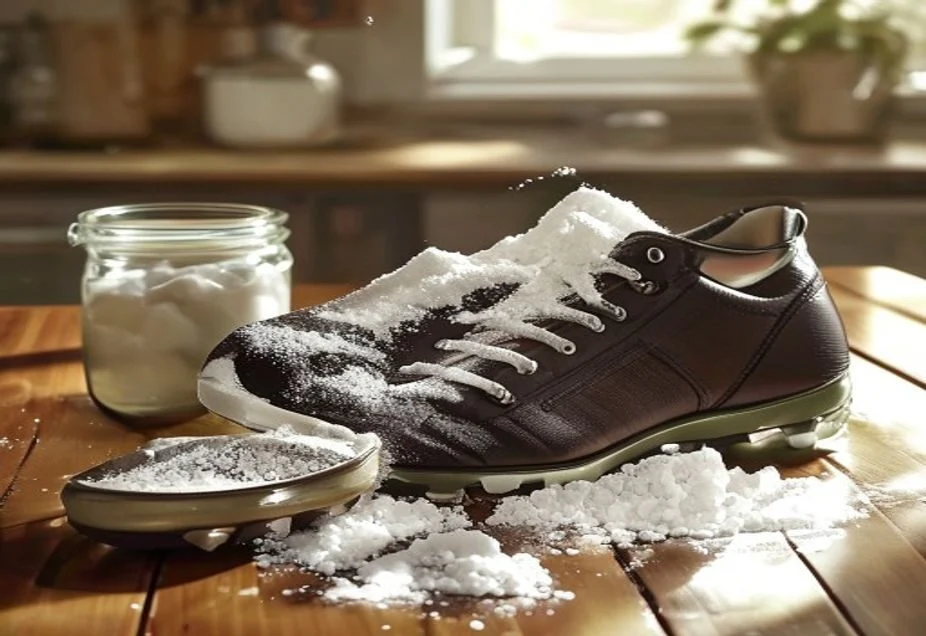
- Bicarbonate of soda overnight. Tip a generous tablespoon into each boot and shake it around, or fill an old sock with bicarb and leave it inside. It neutralises odour rather than perfuming over it. Tap the loose powder out thoroughly next day, and a quick pass with the vacuum nozzle helps.
- Wash or replace the insoles. Insoles hold most of the smell. Scrub them in warm soapy water, rinse and air-dry fully before they go back. If they still smell afterwards, replacements are an inexpensive fix.
- Wash the laces too. Sweaty laces carry more smell than people expect. A pillowcase and a cold delicate cycle is enough.
- Stop it coming back. Never bag damp boots, air them after every session, and rotate two pairs if you train several times a week so each pair dries fully.
Two popular hacks, honestly assessed. The freezer trick (boots in a sealed bag, frozen overnight) can knock smells back temporarily because the cold suppresses bacteria, but they recover once the boot warms and sweats again, so it is a stopgap, not a cure. Scented sprays and teabags mostly mask odour. Bicarbonate of soda plus proper drying works better than both. The same routine suits everyday shoes, and our trainers cleaning guide covers it for daily wearers.
Cleaning the laces and insoles properly
Laces: put them in a pillowcase or mesh bag and machine-wash on a cold, delicate cycle with mild detergent, the method both Nike and adidas recommend, or hand-wash them in a bowl of warm water with a drop of washing-up liquid, rubbing them through your fingers. Air-dry only, because a tumble dryer shrinks them and wrecks the plastic tips. If white laces stay grey, a new pair is cheap and sharpens the whole boot.
Insoles: most removable insoles are happiest hand-washed. Use warm soapy water and a soft brush on the top surface where your foot sits, rinse, then squeeze (do not wring) and leave to air-dry standing on edge. They can go in the machine on a cold, delicate cycle with the laces if the label allows. The one rule that matters: they must be bone dry before they go back in, or you re-seed the smell you just removed. For more on this, see our guide to how to clean shoe insoles.
White boots, astro turf and studs
White boots look sensational for exactly one match unless you stay on top of them. The biggest factor is speed. Clean them the same day, because grass and mud stains that sit for a week can bond into the coating. Use the standard warm-soapy-water routine, but go over stained areas twice with light pressure instead of scrubbing hard once.
Stronger options, with cautions
- Melamine sponge (“magic eraser”). Lifts scuffs on smooth synthetic uppers and white soleplate edges, but it works by micro-abrasion. Keep it off knitted uppers, use it gently on glossy finishes, and test a hidden spot first.
- Bicarbonate of soda paste. A paste with a little water, worked in with a toothbrush and wiped clean, is the safer whitener for stubborn marks.
- Bleach. Skip it entirely. On boot materials it can yellow white coatings and weaken bonded seams.
- Ready-made boot cleaners. Fine if they name your upper type, but test a small patch first, follow the label, and use them in a ventilated space.
For the full arsenal, including whitening laces and dealing with yellowed soles, the methods in our white trainers guide carry across to white boots.
Grass versus astro turf
UK players use two surfaces, and they dirty boots in different ways. Grass gives you wet mud, which is what the routine above is built for. Artificial 3G and 4G pitches give you dry dust and black rubber crumb that packs into the soleplate, wedges under the insole and spills out in your hallway days later.
For astro boots, the routine is quicker but should happen every session. Tip the boots out over the pitch-side bin before you leave (the crumb belongs to the facility, and your car footwell will thank you), pull the insoles and shake again at home, and pick stubborn pellets out of the stud bases with the lollipop stick. Most weeks a dry brush-down is all the upper needs. One honest note: the fuzzy wear on knitted uppers after months on artificial pitches is friction damage from the surface, not dirt, and no cleaning method removes it. A separate, cheaper pair for artificial surfaces is a practical answer.
Don’t forget the studs
Clear stud bases every clean, because mud packed around them can reduce grip, which is the whole point of the boot. If you wear soft-ground boots with metal screw-in studs, take them out with the stud key every few weeks, clear the grit from the threads and check the tips for burrs. A very thin smear of petroleum jelly or grease on the threads can stop them seizing, but check your boot’s manual first. Moulded studs just need the mud picked out and a check for wear. Studs worn smooth are a replacement conversation, not a cleaning one.
Between deep cleans, and when to replace
Boots that get two minutes of attention after every session barely need the full treatment. This is the whole habit:
- Knock the soles together at the pitch before you get in the car.
- At home, loosen the laces, pull the tongue forward and lift the insoles if they are damp.
- Give the soleplate and upper thirty seconds with a dry brush.
- Put newspaper in if they are wet, and leave them in the air, never sealed in the bag.
- Glance at the studs and seams while you are there, because problems spotted early are cheap to fix.
Storage matters as much as cleaning. Keep boots fully dry, indoors, in a breathable bag or open on a shoe rack. Both Nike and adidas say breathable, because sealed plastic traps residual moisture. Do not leave them in the car boot between matches, since repeated heat and cold can age adhesives and a warm, closed car is where smells develop. Wear them only on the surface they are made for, as both manufacturers warn that walking on concrete and pavements grinds down studs and stresses the soleplate.
At the end of the season, give every pair a proper clean, dry them completely and store them stuffed with paper in a breathable bag somewhere cool and dry. Check the soleplate and studs then, so any replacement can be sorted before pre-season, not the night before the first fixture. If you have more than one pair, rotating them gives each a full day or two to dry between sessions, which is kinder to adhesives and cuts down on smells.
Cleaning extends a boot’s life but does not make it last forever. Replace rather than scrub when the upper is splitting along the main flex crease, the soleplate is peeling away (glue failure only gets worse), the heel counter has collapsed and no longer holds your heel, or moulded studs are worn smooth. How long a pair lasts depends on the surface, the hours and the build quality. Growing children usually outgrow boots before wearing them out, which is why the two-minute habit, rather than heroic deep cleans, is the right level of effort for junior pairs.
What to buy
You can manage with kitchen supplies, but three things are worth considering. A football boot cleaning brush (the same idea as a football boot brush) should have firm bristles for the soleplate and a smaller, softer head for the upper, ideally with a handle that lets you reach between studs. Avoid wire bristles on any upper.
A dedicated football boot cleaner is optional. If you buy one, check that it names your upper type, whether leather or synthetic, and whether it rinses off or can be left on. A general sports shoe cleaner is a similar choice. Neither does anything that mild detergent and a cloth cannot, so treat them as convenience, not a requirement, and test a small patch first.
Finally, a football boot bag keeps muddy boots away from the rest of your kit. Look for a ventilated or mesh panel and a wipe-clean lining, and still take the boots out to dry when you get home. A bag does not replace airing them.
Four last questions
- Can I hose or jet-wash my boots? A gentle hose on the soleplate is fine for rinsing off thick mud, but a pressure washer can force water into the upper and strip coatings, so avoid it. Dry them fully afterwards in the usual way.
- Can I use waterproofing or protector spray on boots? Some people do, but check your boot’s care guide first, because coatings and knits can react badly. Test a hidden spot, use it only on clean, dry boots, and spray outdoors or in a ventilated room.
- Are boot cleaning kits worth buying? Not usually. Most are a brush and a small bottle of diluted detergent. A toothbrush, a cloth and washing-up liquid do the same job, so spend any money on a decent brush or breathable storage.
- Is it safe to clean boots in the kitchen sink? It is better not to. Pitch mud can carry soil bacteria and animal waste, so use a utility sink, outdoor tap and bowl, or the bath. If you do use the kitchen sink, wash it afterwards, and see our guide to cleaning a stainless steel sink for how. Also play rugby? See how to clean rugby boots.