To clean rugby boots, knock off the worst mud outside, then scrub the studs, soleplate and upper with a stiff brush and lukewarm water with a little mild soap, never harsh detergent. Wipe the uppers with a damp cloth, rinse off the grime, and let them dry naturally, stuffed with newspaper, well away from any radiator or heat (heat cracks leather and melts the adhesives that hold a boot together). Once dry, feed leather boots with a boot balm or dubbin; synthetic boots just need wiping. Finally, check the studs for wear and tightness. Do this after every muddy game and your boots last seasons, not months.
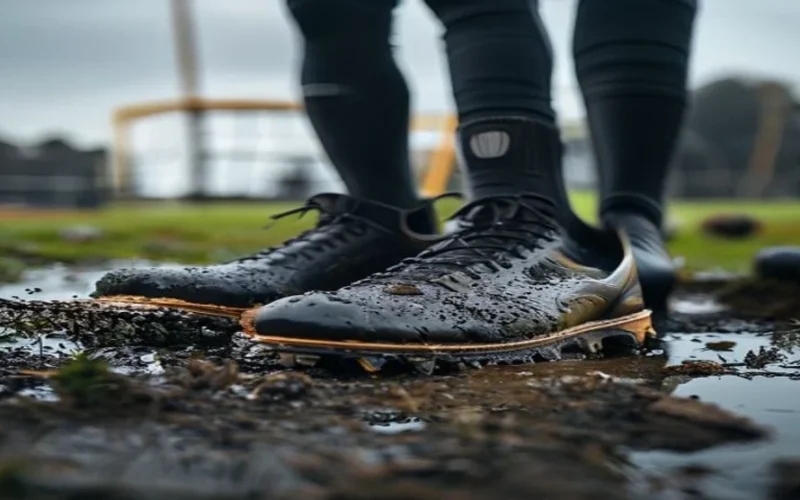
Rugby is played on the wettest, muddiest pitches of any sport, so rugby boots take an absolute battering, and caked mud left to dry rots stitching, dulls leather and rusts studs. The good news is that cleaning them properly takes ten minutes and mostly uses things you already own. This guide covers the full after-match routine, how to care for leather versus synthetic boots, looking after both screw-in and moulded studs, killing boot smell, and the drying mistake that quietly destroys more rugby boots than the pitch ever does.
Disclosure: Cleaners Guide is a participant in the Amazon Associates programme, so if you buy through links on this page we may earn a small commission at no extra cost to you. It never changes our recommendations, we suggest products because they work and we point out cheaper options where they do the same job. Prices and availability change, so always check the current price before buying.
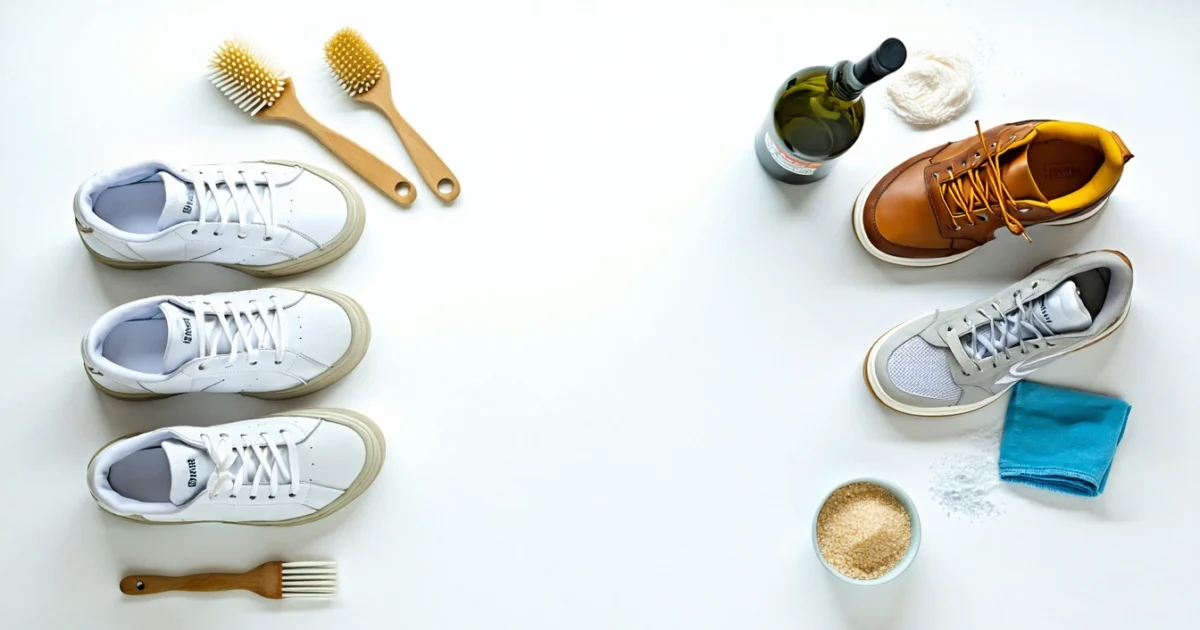
What you’ll need
See boot cleaning brushes on Amazon →
- A stiff-bristled brush (a nail brush or dedicated boot brush) and an old toothbrush for the fiddly bits
- Lukewarm water and a little mild soap or washing-up liquid, not strong detergent
- Two cloths: one for washing, one for drying
- Old newspaper for stuffing and drying
- Leather boot balm or dubbin (for leather boots only)
- A stud key/spanner if your boots have screw-in studs
How to clean rugby boots step by step
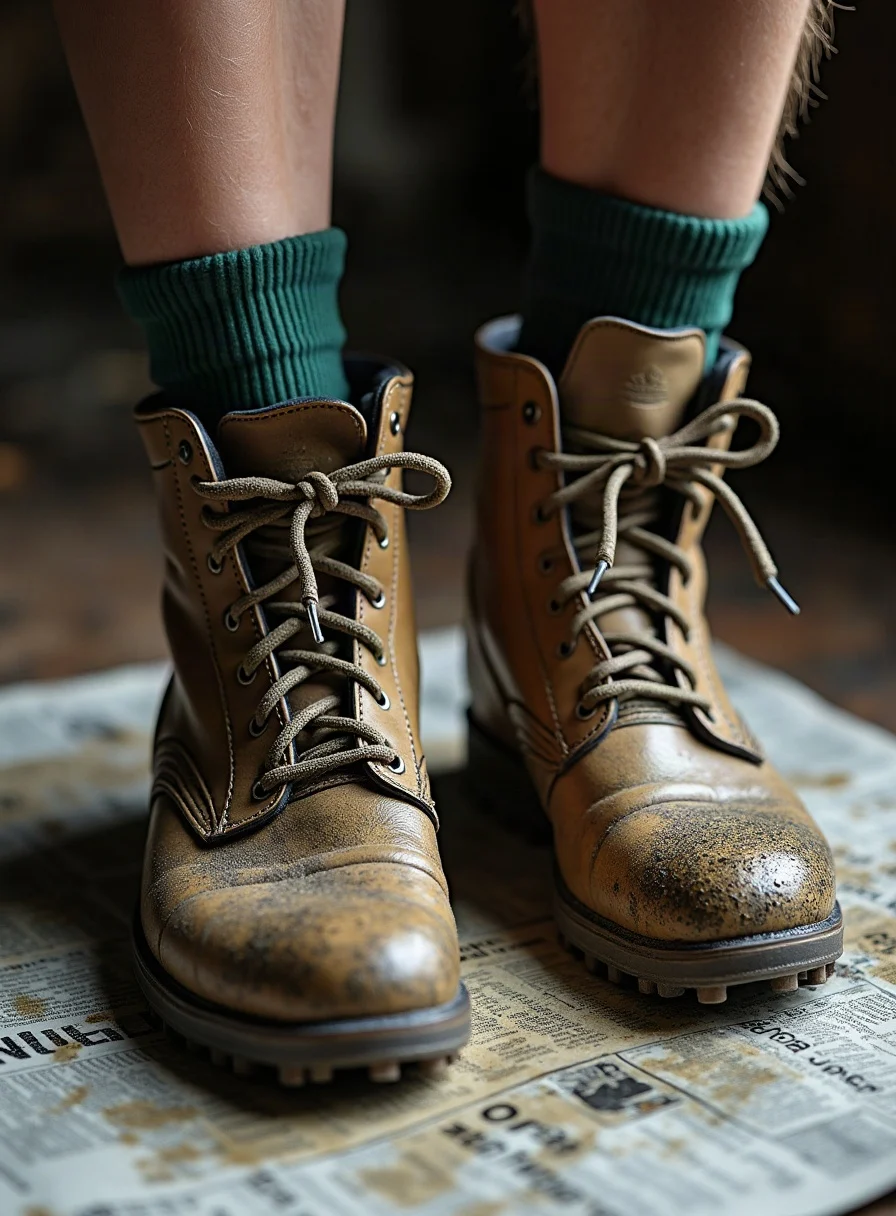
- Knock off the mud first. Outside, bang the soles together and use a stick or the edge of a brush to flick caked mud out from between the studs. Do this while the mud is still damp if you can, dried-on rugby mud is far harder to shift.
- Remove the laces and insoles. Take them out so you can clean and dry everything properly (more on insoles below).
- Scrub the soleplate and studs. The sole is the toughest part, so use the stiff brush with lukewarm soapy water, working into the creases and around every stud to clear grit and grime.
- Clean the uppers gently. Wipe the upper with a damp cloth and a little mild soap. Go easy, the upper is the delicate part, especially on leather and printed synthetic boots.
- Rinse and wipe down. Remove all soap and mud residue with a clean damp cloth. Don’t hold the boots under a running tap or submerge them, you don’t want water soaking into the leather or the boot’s internal padding.
- Blot and stuff. Pat them dry with a towel, then stuff them firmly with scrunched newspaper to soak up inner moisture and hold their shape.
This is the same core method we use for cleaning football boots, the difference with rugby boots is usually the sheer volume of mud and the heavier stud setups, which we cover next.
Leather vs synthetic rugby boots
Rugby boots, especially forwards’ boots, are more often leather than football boots are, and leather needs feeding to stay supple. Match your care to the material:
| Material | Cleaning | Aftercare |
|---|---|---|
| Leather (real/kangaroo/calf) | Damp cloth, mild soap, no soaking | Once dry, rub in a little leather balm or dubbin every few weeks to stop it drying and cracking, don’t over-condition |
| Synthetic | Damp cloth, mild soap; less tolerant of harsh cleaners | No conditioning needed, just clean and dry |
| Knit/mesh uppers | Soft brush, mild soap, gentle, don’t scrub hard | Air-dry only; a waterproofing spray can help repel mud |
The dubbin question: traditional dubbin softens and waterproofs leather brilliantly, which forwards love for wet-weather grip and comfort, but heavy dubbin use can over-soften a modern boot and slightly loosen the fit, so use it sparingly on newer synthetic-backed leather boots and more generously on old-school full-leather ones.
Looking after rugby boot studs
Studs are where rugby boots differ most from trainers or astro boots, and forwards in particular rely on them for scrummaging grip. There are two types, cared for slightly differently:
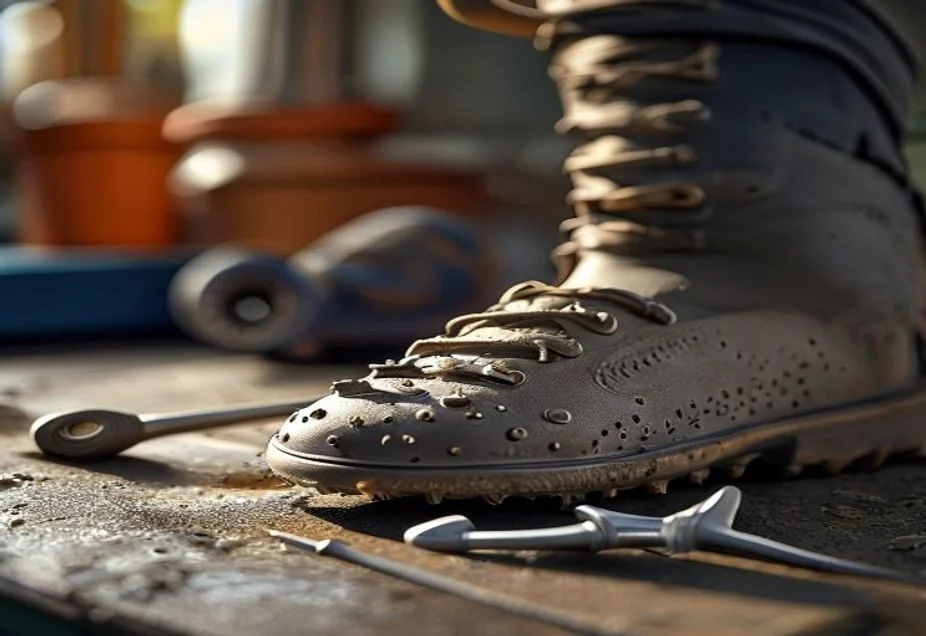
- Moulded studs (fixed to the sole): just brush them clean and check for wear. When they’re worn flat, the whole boot is near the end of its grip life.
- Screw-in studs (removable, common on forwards’ boots for soft ground): unscrew them with a stud key now and then, brush the threads and the sole sockets clean, and check for rust or rounding. A tiny smear of grease on the threads stops them seizing in. Replace any that are worn, bent or missing, and don’t play on worn studs, it’s both a grip and a safety issue (and worn or illegal studs can fail a pre-match boot check).
After cleaning, always dry metal studs and their threads, trapped moisture rusts them and seizes screw-ins into the sole, which is a nightmare to undo later.
Drying rugby boots the right way
This is the single most important step, and the one that ruins the most boots. Never dry rugby boots on or near a radiator, in an airing cupboard, with a hairdryer or in direct heat. Heat dries leather out so it goes hard and cracks, and it softens the glues holding the upper to the sole, leading to splitting and the sole peeling away.
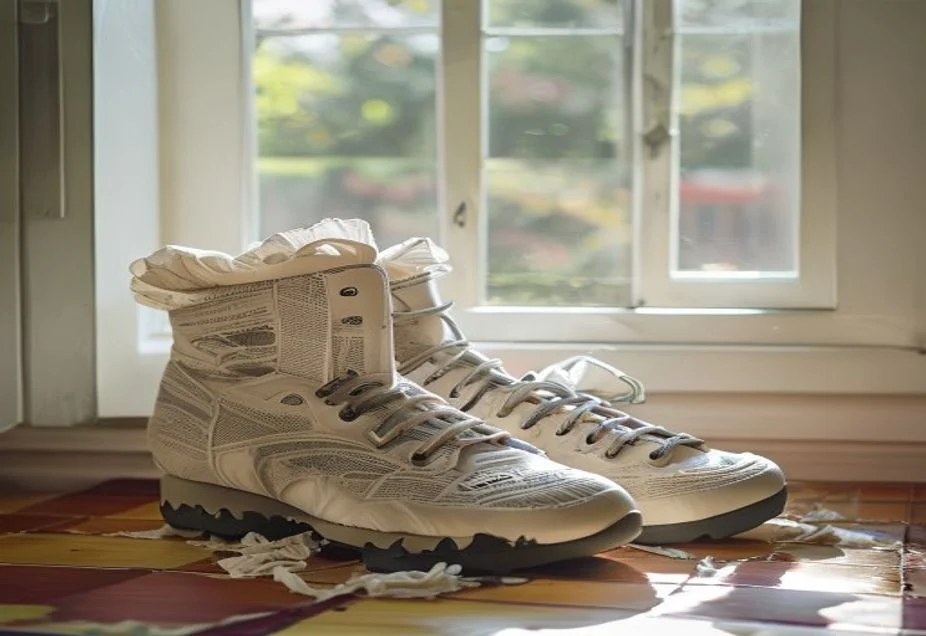
- Stuff with newspaper and leave them somewhere cool, dry and airy, the newspaper wicks moisture from inside and holds the shape. Change it once if the boots were soaked.
- Be patient: wet leather boots can take a day or two to dry fully. Don’t shortcut it with heat.
- Never put rugby boots in the washing machine or tumble dryer, the drum wrecks the structure, studs and adhesives.
- Store them dry, not sealed in a damp kit bag, which is how they go mouldy and smelly between games.
How to stop rugby boots smelling
See shoe deodorisers on Amazon →
Boot smell is bacteria feeding on trapped sweat and damp, and a kit bag is the perfect breeding ground. To beat it:
- Take the insoles out to dry separately after every game, they hold the most sweat. See our full guide on how to clean shoe insoles.
- Dry the boots fully between wears, damp is what lets bacteria thrive.
- Sprinkle bicarbonate of soda inside overnight to absorb moisture and odour, then tip it out.
- Use deodorising balls or a boot freshener in the boots or kit bag between sessions.
- Don’t leave boots sealed in the kit bag, get them out to air as soon as you’re home.
Mistakes that wreck rugby boots
- Drying them with heat, the number-one killer: cracked leather, split soles, failed glue.
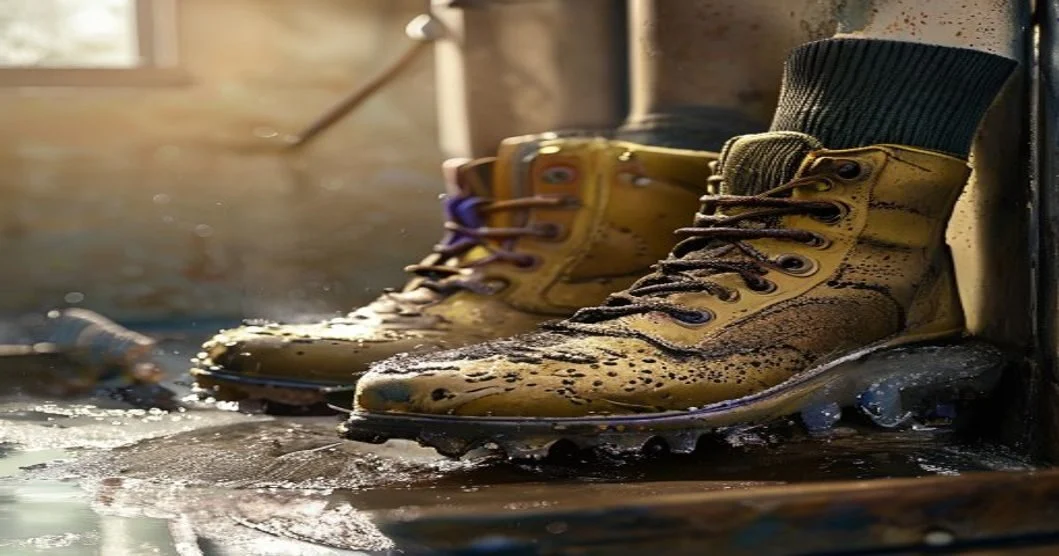
- Leaving mud to cake and dry, it draws moisture from leather and rots stitching.
- Machine washing or tumble drying, destroys structure, studs and adhesives.
- Harsh detergents, bleach or solvents, strip and dry out both leather and synthetic uppers.
- Storing them wet in the kit bag, instant mould and stink.
- Ignoring worn studs, bad for grip, bad for safety, and can fail a boot check.
Shift the mud and keep the kit bag smell at bay.
How often should you clean rugby boots?
After every muddy game or training session, at least a quick knock-off and brush before the mud dries. A fuller clean and, for leather, a re-condition every few weeks keeps them in top shape through the season. Five minutes after each game saves you scrubbing baked-on mud later and doubles the life of a good pair of boots.
Frequently asked questions
How do you clean rugby boots?
Knock off the mud outside, then scrub the studs, soleplate and upper with a stiff brush and lukewarm water with a little mild soap. Wipe the uppers with a damp cloth, remove all residue, then stuff the boots with newspaper and let them dry naturally away from heat. Condition leather boots once dry, and check the studs for wear.
Can you put rugby boots in the washing machine?
No. A washing machine’s agitation, heat and spin break down the adhesives, warp the soleplate, damage studs and can crack leather. Always clean rugby boots by hand with a brush and mild soapy water, and air-dry them, never machine wash or tumble dry them.
How do you dry rugby boots quickly without ruining them?
Stuff them firmly with scrunched newspaper and leave them somewhere cool and airy, the paper draws out the moisture and holds their shape. Change the newspaper once if they were soaked. Avoid all direct heat (radiators, airing cupboards, hairdryers), which cracks leather and melts the glue. Wet leather boots genuinely need a day or two, so don’t shortcut with heat.
Should you use dubbin on rugby boots?
On leather rugby boots, yes, a little dubbin or leather balm after cleaning keeps the leather supple and water-resistant, which is ideal for wet, muddy rugby. Use it sparingly (every few weeks), as over-conditioning can over-soften the boot and loosen the fit. Synthetic boots don’t need dubbin, it does nothing on them.
How do you clean the studs on rugby boots?
Brush the studs and soleplate with a stiff brush and soapy water, getting into the gaps. For screw-in studs, unscrew them occasionally with a stud key, brush the threads and sockets clean, dry them to prevent rust, and put a tiny smear of grease on the threads so they don’t seize. Replace any worn, bent or missing studs.
How do you get rid of the smell in rugby boots?
Take the insoles out to dry after every game, dry the boots fully between wears, and sprinkle bicarbonate of soda inside overnight to absorb moisture and odour before tipping it out. Deodorising balls or a boot freshener help too. The root cause is trapped damp, so never leave boots sealed in a kit bag, air them as soon as you get home.
How do you get dried mud off rugby boots?
Let the mud dry fully, then knock the boots together and use a stiff brush or a blunt stick to break it off, dried mud often flakes away more easily than wet smears. For what’s left, a stiff brush with lukewarm soapy water lifts it from the soleplate and studs. Avoid metal tools or hard scraping on the upper, which scratch and damage it.
For more sports and footwear care, see our guides on how to clean football boots and how to clean a gum shield.