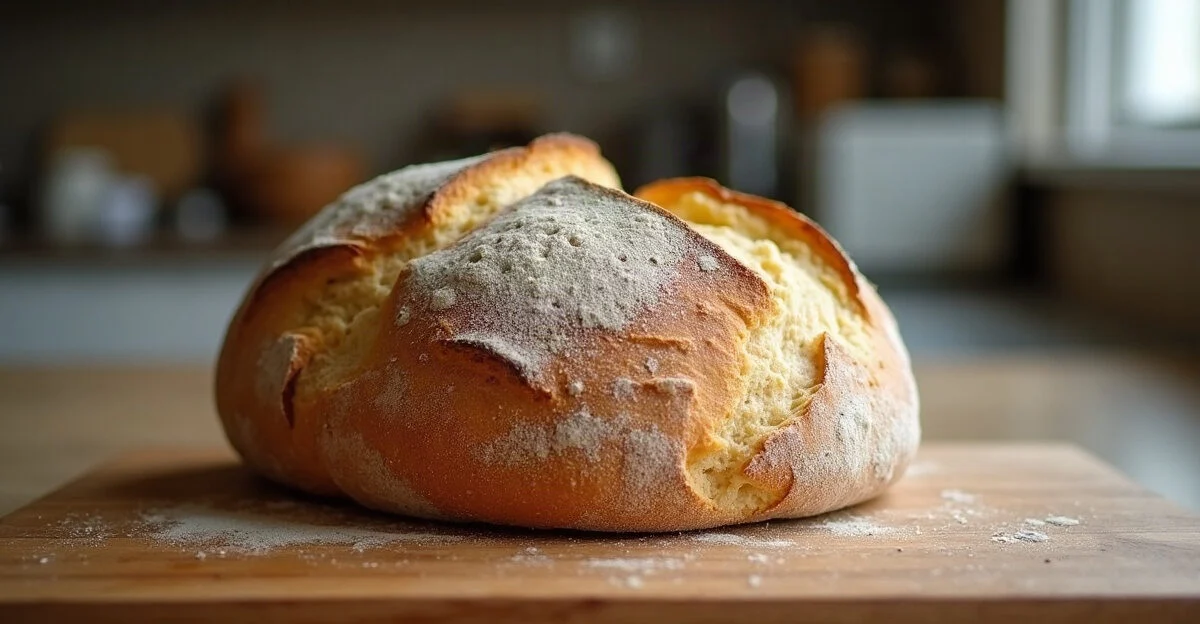
It depends on the food. With hard cheese and firm vegetables you can cut at least 2.5cm around the mould and eat the rest. With bread, soft fruit, jam, yoghurt and cooked leftovers, bin the whole thing. In soft, moist foods the mould has almost certainly spread out of sight, and some moulds make toxins that neither cutting nor cooking will remove. When in doubt, throw it out.
This is general food-safety information, not medical advice.
What to do the moment you spot mould
- Do not sniff it. Sniffing releases spores you can breathe in, which can trigger breathing problems, especially if you are sensitive to mould. Look, do not smell.
- Work out what type of food it is. Hard and dry means you may be able to cut it away. Soft, moist or porous means it goes in the bin. The guide below sorts the common ones.
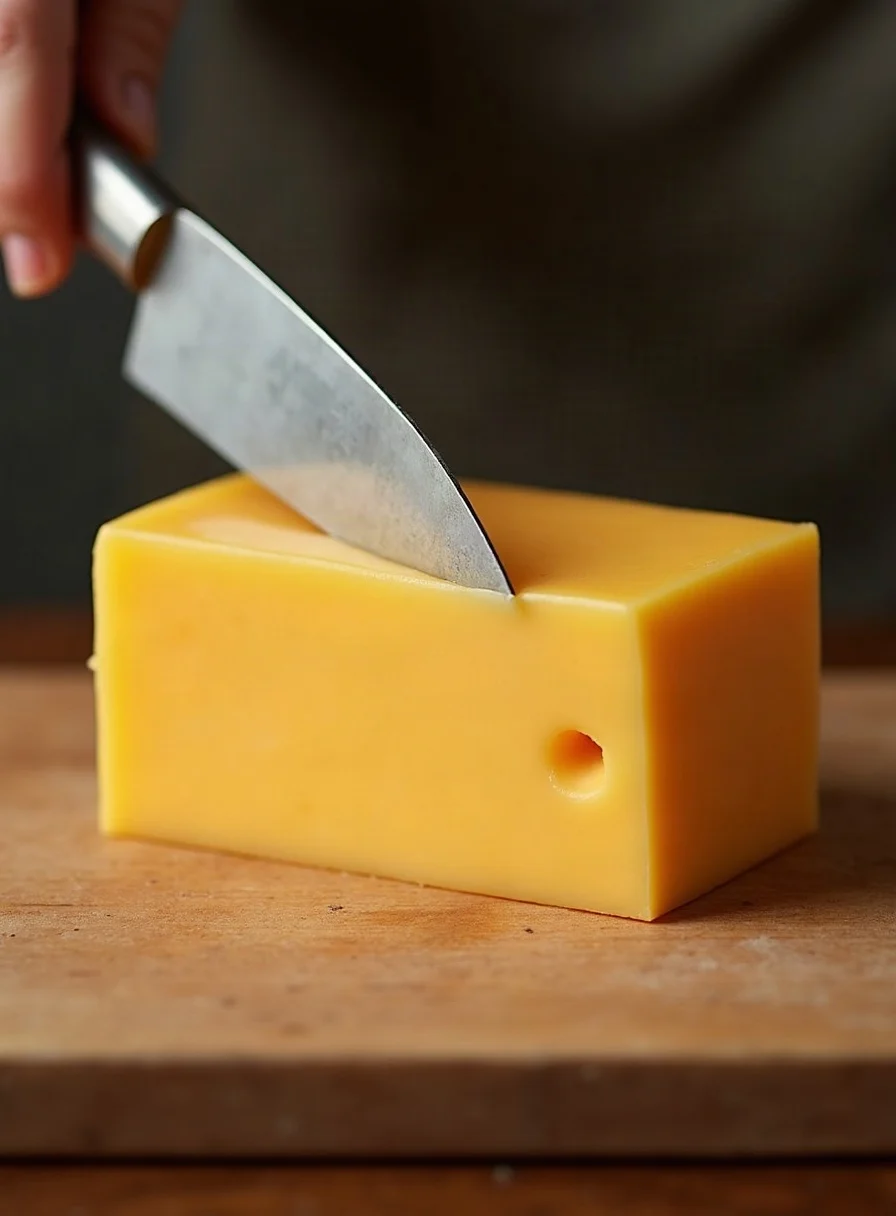
- For hard foods, cut generously. Take off at least 2.5cm (one inch) around and below the mould, and keep the knife out of the mouldy part so you do not carry spores to the clean flesh. Use a clean knife for the rest.
- For everything else, bag it and bin it. Do not scrape, cut or taste it. Put it in a bag first so spores do not scatter around the kitchen.
- Check what was next to it. Mould spores spread, so look over anything that was touching it, especially soft fruit, bread and cheese. Bin whatever is soft and shows the faintest fuzz or dampness.
- Wipe down the shelf or container with hot soapy water and dry it, then check the fridge is cold enough. As an Amazon Associate we earn from qualifying purchases. A fridge thermometer is a cheap way to confirm it is at 5°C or below, which is the temperature the Food Standards Agency recommends.
- Store the rest properly. Keep leftovers in airtight containers, eat them within two days, and re-wrap cheese and cut fruit in fresh reusable food wraps or wrap so they stay dry. Check that a wrap or lid is clean and dry before reuse, since a damp wrap just moves the problem.
Cut it or bin it: the food-by-food guide
The rule comes down to how hard and dry the food is. Dense, low-moisture foods resist mould, so it stays near the surface. Soft, moist and porous foods let it send roots deep inside.
Foods where cutting the mould off works
- Hard cheese such as cheddar, parmesan or a firm gouda. Cut a generous 2.5cm margin around the spot and re-wrap in fresh wrap.
- Firm fruit and vegetables such as carrots, cabbage, peppers and firm apples. Cut the mould out with a wide margin.
- Hard salami and dry-cured ham, where surface mould is part of the process. US guidance from the USDA says it can be scrubbed or cut off, though if you are unsure it is safest to bin it.
Cheeses made with mould, like blue cheese, brie and camembert, are a special case: the mould is meant to be there and is safe. If a different, unexpected mould appears on a soft cheese, treat it as spoiled and bin it.
Foods to bin the moment you see mould
| Food | Why bin it |
|---|---|
| Bread and baked goods | Porous, so roots spread through the loaf out of sight |
| Soft fruit (berries, peaches, tomatoes) | High moisture lets mould run right through |
| Jam and jelly | Mycotoxins spread easily in the liquid, scraping is not safe |
| Soft cheese, yoghurt, sour cream | Moist and easily penetrated throughout |
| Cooked leftovers, pasta, rice, casseroles | Damp and porous, discard the whole dish |
| Nuts, peanut butter, legumes | A known source of aflatoxin-producing moulds |
| Deli meats, hot dogs, cooked meat | High risk, bin at the first sign of mould |
Is it mould, or something harmless?
Not every white speck is a problem, and knowing the difference saves good food. Aged hard cheeses such as mature cheddar and parmesan can develop small, gritty white crystals, which are a normal sign of ageing and not mould. Mould on cheese looks fuzzy, powdery or slimy, and is usually white, green, blue, grey or black. Chilled meat or cheese with a slimy film is a separate sign of spoilage.
Fruit and vegetables can also have a harmless white bloom, as on plums and grapes, which wipes off to leave a smooth skin. Fuzzy growth that comes away in a mat, soft patches, or a smell like damp cellar are the signs to act on. If you cannot tell which one you are looking at, treat it as mould and follow the rules above, because wasting a small piece of food costs far less than a bad stomach.
Why the visible patch is only part of the story
Mould is not just the fuzzy spot you can see. It is a fungus made of thread-like filaments, called hyphae, that grow down into the food like roots, well beyond the coloured patch on top. In a soft food, the roots are already through the rest by the time the surface changes.
There is a second, more serious problem. Some moulds produce mycotoxins, natural poisons such as aflatoxins, that can make you ill. Mycotoxins spread easily through moist foods and liquids, and many are heat stable, so cooking does not destroy them. This is the real reason food-safety bodies tell you to bin soft mouldy food rather than salvage it.
That is also why the old habit of scraping the fuzz off jam, or cutting the green bit off a slice of bread, has been dropped. Bread is porous, so invisible roots run through the loaf. Jam holds enough moisture for toxins to spread through the jar. In both cases the safe move is to bin the lot. Mould on food is a different problem from mould on walls and grout, which needs a different approach, covered in what actually kills mould.
If you have already eaten some
Most food moulds are not deadly, so there is no need to panic. The concern is repeated or larger exposure to toxin-producing moulds, plus the fact that some people react to mould spores with allergy or breathing symptoms. Pregnant people, young children, older adults and anyone with a weakened immune system should be especially careful and avoid mouldy food altogether.
⚠️ Warning: If you develop vomiting, diarrhoea, a rash or breathing difficulty after eating mouldy food, contact NHS 111 or a pharmacist or GP, and seek urgent help for severe symptoms such as trouble breathing or swelling of the face or throat.
Stopping it coming back
Mould needs moisture, warmth and time, so prevention is mostly about taking those away. Do not overbuy perishables, rotate older items to the front, and wipe up spills in the fridge. A regular clear-out belongs to a wider kitchen deep clean routine. Germs behave differently from mould, but the same hygiene logic applies, and it is worth reading how long germs last in how long germs live on surfaces and whether the five-second rule is real if you like to check kitchen myths. It is not only food that goes off either: see whether your cleaning products expire.
Small habits by food
- Bread: keep it in a clean, dry bread bin or sealed bag, and freeze slices you will not use within a few days so you take out only what you need.
- Cheese: re-wrap it in fresh wrap or paper after each use rather than the same damp piece, and cut with a clean knife.
- Berries and soft fruit: keep them dry and unwashed until you eat them, and remove any that are squashed or showing fuzz straight away.
- Jars: use a clean spoon each time, keep the rim wiped, and store opened jams and spreads as the label says, usually in the fridge.
Four beliefs about mouldy food
| Claim | The reality |
|---|---|
| If you cut the mould off, any food is fine | Only true for hard, dense foods. In soft or moist foods the mould has already spread invisibly. |
| Scraping mould off jam is safe | No. Mycotoxins spread through the liquid, so the whole jar should go. |
| Cooking mouldy food makes it safe | No. Heat kills the mould but does not destroy heat-stable mycotoxins. |
| A bit of mould will make you seriously ill | Usually not for a healthy person, but repeated exposure and vulnerable groups are the real concern, so bin soft mouldy food. |
A few more questions
- What happens if I eat a little mould? For a healthy person, usually very little, perhaps an off taste or a mild stomach upset. A one-off is rarely dangerous. Do not make a habit of it, and avoid it entirely if you are pregnant or have a weakened immune system.
- Can mould be killed by cooking? Cooking can kill the mould itself, but not the toxins some moulds leave behind, many of which are heat stable. Heating mouldy soft food does not make it safe, so bin it instead.
- If one strawberry is mouldy, are the rest safe? Not automatically. Bin the mouldy one and anything soft that was touching it. Check the others closely, and eat only firm, dry fruit with no fuzz or wet patches. If in doubt, bin it.
- Does freezing kill mould? No. Freezing stops growth but does not reliably kill it, and it will not make mouldy food safe. Our piece on whether freezing kills germs explains the wider picture.