The short answer: no, not as a safety guarantee. Bacteria don’t politely wait five seconds before climbing aboard; laboratory studies show germs can transfer from a floor to food in less than a second. But the rule isn’t complete nonsense either, and that’s the honest, interesting part: the longer food stays on the floor, the more bacteria it picks up, so time genuinely is one factor. It’s just nowhere near the most important one. What really decides whether floor food is risky is how wet the food is, what the surface is, and, above all, whether that floor is contaminated in the first place. Five seconds on a filthy kitchen floor is far riskier than a minute on a clean, dry one.
So the real answer is “it depends,” and the number of seconds is close to the least useful thing to focus on. This guide walks through exactly what the science found, including the studies that “debunked” the rule and the one that gave it a kernel of truth, the factors that matter far more than timing, and a sensible way to decide whether that dropped biscuit is fine or belongs in the bin. Sources are linked at the end.
How we researched this: the findings below draw on peer-reviewed microbiology studies from Rutgers University (2016), Clemson University (2007) and Aston University (2014). Full references are at the bottom.
What the science actually found
The five-second rule has been tested properly more than once, and the headline conclusion is consistent: bacteria transfer to food almost immediately. The most thorough study, published in 2016 by researchers at Rutgers University in the journal Applied and Environmental Microbiology, was designed specifically to settle it [1][2].
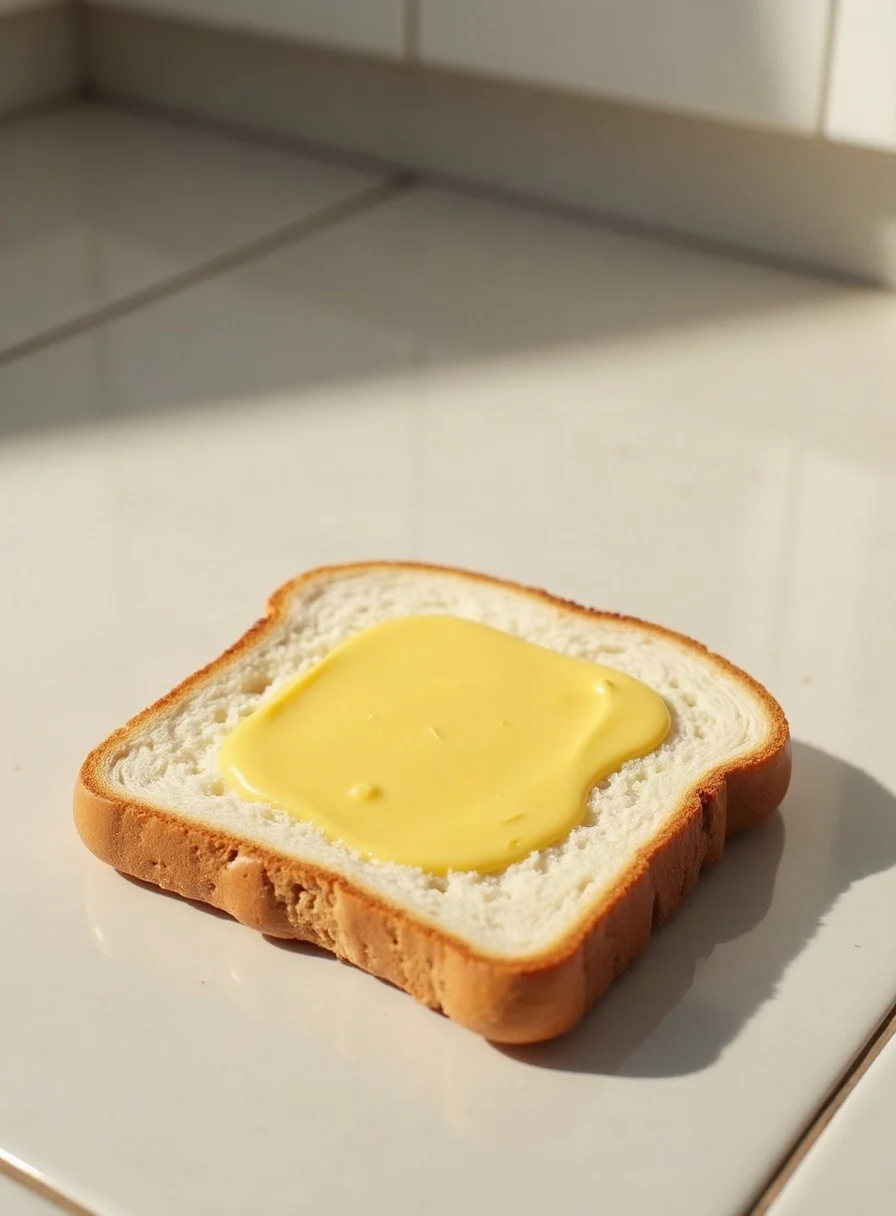
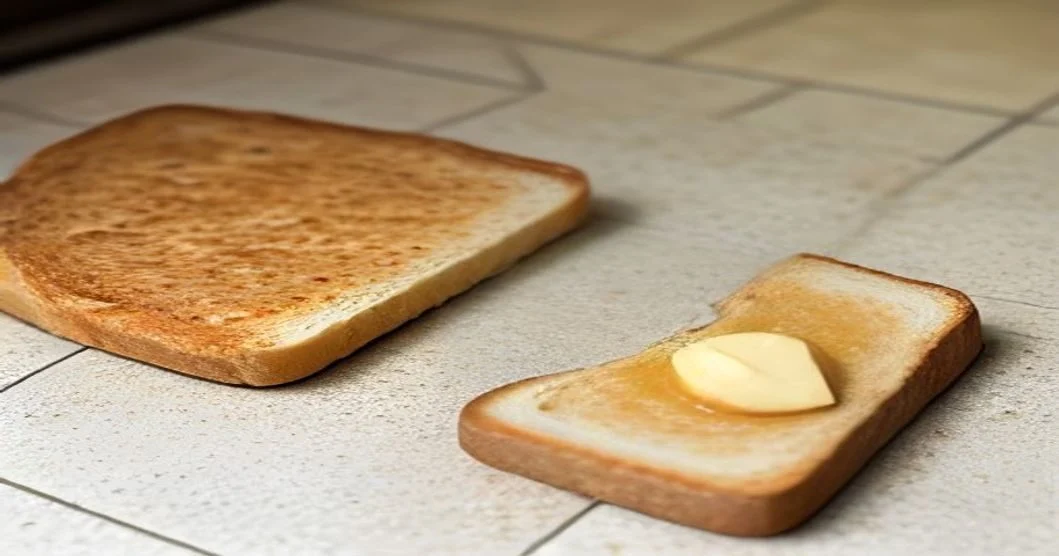
They tested four foods (cut watermelon, plain bread, buttered bread and gummy sweets) on four surfaces (stainless steel, ceramic tile, wood and carpet), across four contact times (less than one second, five seconds, 30 seconds and 300 seconds), using a harmless relative of Salmonella. The results were clear:
- Transfer can begin in under a second. There is no magic five-second window, in some cases bacteria moved onto the food essentially on contact [1].
- Moisture matters most. “Bacteria don’t have legs, they move with the moisture,” the researchers noted. The wetter the food, the more bacteria it collected. Watermelon (very wet) picked up the most; dry gummy sweets picked up the least [1].
- The surface matters, sometimes surprisingly. Carpet actually transferred fewer bacteria to food than smooth tile or stainless steel, while wood was more variable [1].
An earlier 2007 study at Clemson University reached a blunter version of the same conclusion: when bologna was dropped onto tile deliberately contaminated with Salmonella, more than 99% of the bacteria transferred within five seconds [3]. That study also found Salmonella could survive on dry surfaces for days, so a floor doesn’t need to look dirty to be a problem.
The kernel of truth: time isn’t nothing
Here’s where the rule earns a sliver of respect. Every study agrees on one thing: while transfer starts instantly, the amount of bacteria keeps rising the longer the food sits there. Five seconds really is better than fifty, you just don’t get to zero at five seconds.
A 2014 study at Aston University in the UK, led by microbiologist Anthony Hilton, leaned into this point. Testing E. coli and Staphylococcus aureus transferring from carpet, laminate and tile to foods over three to 30 seconds, the team found that time made a measurable difference, food picked up faster carried fewer bacteria, and that carpet transferred strikingly little compared with hard floors [4]. They framed the rule as having “some basis,” where the Rutgers and Clemson teams framed the same underlying pattern as a debunking.
Both readings are compatible, because they’re describing the same reality: grab it quickly and you’ll pick up less; but “less” is not “none,” and even a split second can transfer enough to make you ill if the floor is contaminated with the wrong thing. Time is a real but minor dial. The big dials are elsewhere.
What really decides if floor food is risky
If you take one thing from the research, make it this: the seconds barely matter compared with these four factors. This is what actually determines whether picking food off the floor is harmless or a genuine gamble:
| Factor | Why it matters far more than time |
|---|---|
| Is the floor contaminated? | The single biggest question. A clean floor transfers harmless skin and dust bacteria; a floor with raw-meat juice, pet mess or norovirus transfers pathogens. This, not time, is what makes you ill. |
| How wet/sticky is the food? | Moisture carries bacteria. Wet foods (watermelon, buttered bread) grab far more than dry ones (a plain biscuit, a boiled sweet) [1]. |
| What is the surface? | Smooth hard floors (tile, stainless steel, laminate) transfer more to food; carpet transfers surprisingly little; wood is variable [1][4]. |
| Who’s eating it? | Young children, older adults, pregnant people and anyone with a weakened immune system are far more vulnerable to foodborne bugs, the risk that’s trivial for a healthy adult isn’t trivial for them. |
Notice that “how many seconds” isn’t on the list. It’s a tie-breaker at best.
The danger you can’t see
The reason the five-second rule is so seductive is that a floor often looks clean, so we assume it’s safe. But the bacteria that cause food poisoning are invisible. A kitchen floor near where raw chicken was handled can carry Salmonella or Campylobacter; a bathroom floor can carry gut bacteria spread by the fine spray from flushing; a public floor can carry whatever thousands of shoes have walked through. None of that shows up to the eye.
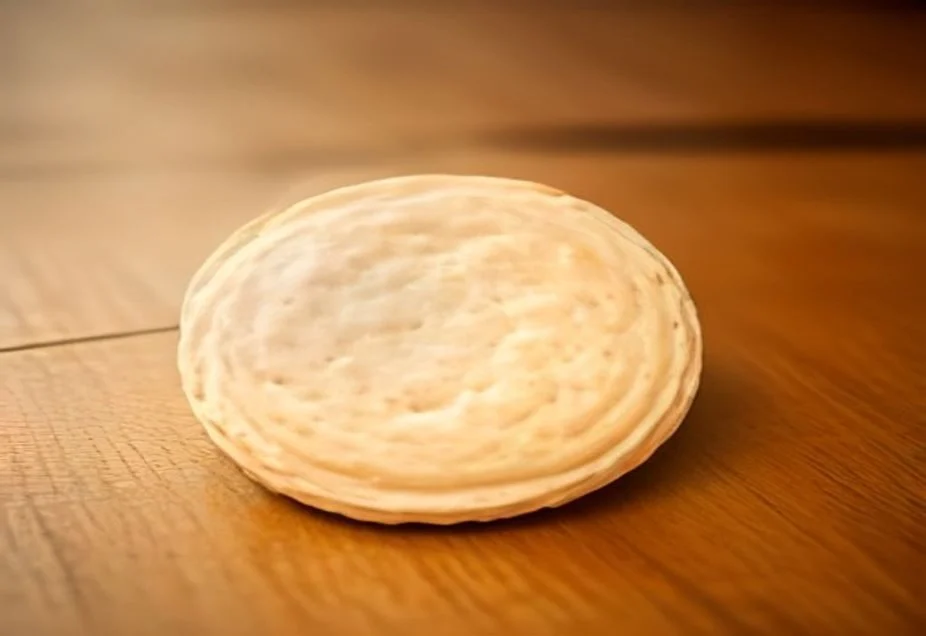
This is the same lesson as the rest of kitchen hygiene: the risky spots aren’t the ones that look grimy. It’s why the humble sponge is the dirtiest thing in most kitchens, and why a chopping board used for raw meat needs proper cleaning even when it looks fine. With floor food, a spotless-looking floor can still be the problem, and a visibly dirty one certainly is.
So should you eat it? A sensible rule of thumb
Forget counting. Ask about the floor and the food instead. Here’s a practical way to decide:
Probably fine (your call):
- Dry food (a biscuit, a piece of dry toast, a sweet) that landed on a clean, dry floor at home and was picked up promptly.
- A hard, dry surface you know has just been cleaned, with no raw-food or pet activity nearby.
Bin it:
- Wet or sticky food, it grabs the most bacteria, whatever the timing.
- Anything dropped on a kitchen floor near raw-meat prep, a bathroom floor, or any public or outdoor floor.
- Food for a baby, a young child, an elderly or pregnant person, or anyone unwell, don’t take the chance on their behalf.
- Anything that landed near a bin, a pet bowl, or visible dirt, hair or spills.
And whatever you decide, if you’ve handled food that touched the floor, wash your hands with plain soap and water afterwards, that simple step does more for kitchen hygiene than any stopwatch.
Why we all want to believe it
The five-second rule survives because it’s convenient and it feels fair, nobody wants to bin a dropped biscuit, and the little countdown gives us permission. It also usually seems to “work,” because most food we drop at home lands on a reasonably clean, dry floor and doesn’t make us ill. That’s not the rule protecting us, though; it’s the low contamination of a typical home floor. Change the floor, a kitchen after raw chicken, a bathroom, a pavement, and the same five seconds means something completely different. The rule takes credit that really belongs to a clean floor.
The bottom line
The five-second rule isn’t real as a safety guarantee: bacteria transfer to food in under a second, and how much you pick up depends far more on moisture, the surface and, above all, whether the floor is contaminated than on how fast you move. There’s a grain of truth in it, because quicker really does mean fewer bacteria, but “fewer” isn’t “safe.” Judge the floor and the food, not the seconds. A dry sweet off your own clean kitchen floor is a low-risk everyday call; wet food, a dirty or high-risk floor, or food destined for someone vulnerable should go in the bin no matter how fast you grabbed it. Then wash your hands, and don’t lose sleep over the biscuit.
Myths vs facts
| Myth | What the evidence says |
|---|---|
| “Food is safe if you grab it within five seconds.” | Bacteria can transfer in under a second, there’s no safe window [1][3]. |
| “The five-second rule is complete nonsense.” | Not quite, longer contact does transfer more bacteria, so speed helps a little [1][4]. |
| “Time is what decides if floor food is safe.” | Moisture, surface and floor contamination matter far more than seconds [1]. |
| “A clean-looking floor is a safe floor.” | Food-poisoning bacteria are invisible; a spotless floor can still be contaminated [3]. |
| “Carpet is the dirtiest place to drop food.” | Carpet actually transfers fewer bacteria to food than hard tile or steel [1][4]. |
Frequently asked questions
Is the five-second rule real?
Not as a safety guarantee. Studies show bacteria can move from a floor onto food in less than a second, so there’s no protected five-second window. The rule has a small kernel of truth, the longer food sits, the more bacteria it collects, but grabbing it quickly only reduces the amount, it doesn’t make contaminated food safe.
How quickly do bacteria get onto dropped food?
Almost instantly. The 2016 Rutgers study found transfer can begin in under one second, and a 2007 Clemson study found more than 99% of bacteria on a contaminated surface transferred to food within five seconds. Contact time changes how much you pick up, but not whether you pick up anything, you always do.
Does the type of food make a difference?
Yes, a big one. Moisture carries bacteria, so wet or sticky foods pick up far more than dry ones. In the Rutgers tests, watermelon collected the most bacteria and dry gummy sweets the least. A dropped boiled sweet is much lower risk than a piece of buttered bread landing wet-side down.
Is it really safer to drop food on carpet than tile?
Counterintuitively, yes, in terms of transfer. Studies found carpet passes fewer bacteria onto food than smooth hard surfaces like tile or stainless steel, probably because less of the food contacts the surface. That doesn’t make carpet “clean”, it can hold plenty of bacteria, it just transfers less on brief contact.
What matters most for whether floor food is safe?
Whether the floor is contaminated. A clean, dry home floor mostly holds harmless dust and skin bacteria; a floor with raw-meat juices, pet mess or bathroom germs can carry genuine pathogens. That single factor, plus how wet the food is, outweighs the number of seconds every time.
Can you actually get sick from eating food off the floor?
You can, if the floor carries harmful bacteria and enough transfer to the food. On a typical clean home floor the risk is low, which is why most people get away with it. The danger rises sharply with contaminated floors (near raw meat, in bathrooms, in public spaces) and with vulnerable people.
Is it OK to give a baby or toddler food that fell on the floor?
It’s best not to. Young children are more vulnerable to foodborne illness, so the small risk that a healthy adult might shrug off is not worth taking on their behalf. If a baby’s food or dummy hits the floor, replace or wash it rather than relying on a quick pickup.
Does washing dropped food make it safe?
Rinsing a firm, dry item (say a whole apple) can remove a lot of surface bacteria and is worth doing. But you can’t reliably wash bacteria out of soft, wet or porous foods, and washing won’t remove toxins. If the food is wet, sticky or fell somewhere risky, binning it is the safer choice.
Is the five-second rule ever worth following?
Only as a rough nudge to pick things up quickly, not as proof of safety. Speed genuinely reduces how many bacteria transfer, so faster is better than slower, but the decision should still come down to the floor and the food. Treat “five seconds” as folklore, not food-safety policy.
Does a floor that looks clean mean it’s safe?
No. The bacteria that cause food poisoning are invisible, and studies show pathogens like Salmonella can survive on dry, clean-looking surfaces for days. Judge risk by what the floor is likely to have on it, raw-food area, bathroom, outdoors, rather than by how clean it appears.
Related reading: is the kitchen sponge the dirtiest thing in your home? and does freezing kill germs and bacteria?
Related reading: it also depends how long germs last where the food landed, how long do germs really live on surfaces?
References
- Rutgers University. “Rutgers Researchers Debunk ‘Five-Second Rule’: Eating Food off the Floor Isn’t Safe” (2016 study; moisture is the biggest factor; transfer can begin in under a second; carpet transfers less than tile/steel). rutgers.edu
- Miranda RC & Schaffner DW. “Longer Contact Times Increase Cross-Contamination of Enterobacter aerogenes from Surfaces to Food.” Applied and Environmental Microbiology, 2016 (via ScienceDaily summary). sciencedaily.com
- Scientific American. “Fact or Fiction?: The 5-Second Rule for Dropped Food” (Clemson University / Paul Dawson 2007: >99% transfer within 5 seconds; Salmonella survives on dry surfaces). scientificamerican.com
- Food Safety News. “UK Study Lends Credence to ‘Five-Second Rule'” (Aston University 2014, Anthony Hilton: contact time and floor type affect transfer; carpet lowest). foodsafetynews.com
This article summarises published microbiology research for general information and isn’t a substitute for official food-hygiene guidance; when in doubt, follow FSA advice and err on the side of binning it.