The short answer: yes, but only if you use them properly, and most people don’t. A disinfectant wipe genuinely kills germs, but only while the surface stays visibly wet for the full “contact time” on the label, which is often around four minutes. A quick once-over that dries in 20 to 30 seconds mostly just moves germs around rather than killing them. And there’s a second trap: using one wipe across several surfaces spreads bacteria instead of destroying them, because the wipe lifts germs off one spot and deposits them on the next. So the honest verdict is that wipes work, the failure is almost always the technique.
That gap between “I wiped it” and “I disinfected it” matters, because people reach for wipes exactly when it counts, a kitchen worktop after raw chicken, a bathroom during illness, a baby’s high chair. This guide explains the one number that decides whether a wipe works (with a chart), why a fast wipe barely disinfects, why you should use one wipe per surface, what’s actually inside the wipe, and how to use them so they do the job. Sources are linked at the end.
How we researched this: the guidance below draws on US Environmental Protection Agency (EPA) disinfectant guidance and peer-reviewed research on wipe efficacy. Full references are at the bottom.
Disclosure: Cleaners Guide is a participant in the Amazon Associates programme, so if you buy through links on this page we may earn a small commission at no extra cost to you. It never changes our recommendations, we suggest products because they work and we point out cheaper options where they do the same job. Prices and availability change, so always check the current price before buying.
The number that decides everything: contact time
Every EPA-registered disinfectant, wipes included, carries a contact time (sometimes called dwell time or wet time) on the label: the length of time the surface must stay visibly wet for the product to actually kill the germs it claims to. For many household wipes that’s around four minutes, and for tougher targets like some viruses it can be longer [1]. Hit that time and you get the “kills 99.9% of germs” result on the packet; fall short and you don’t. It really is that binary, and the chart below shows why:
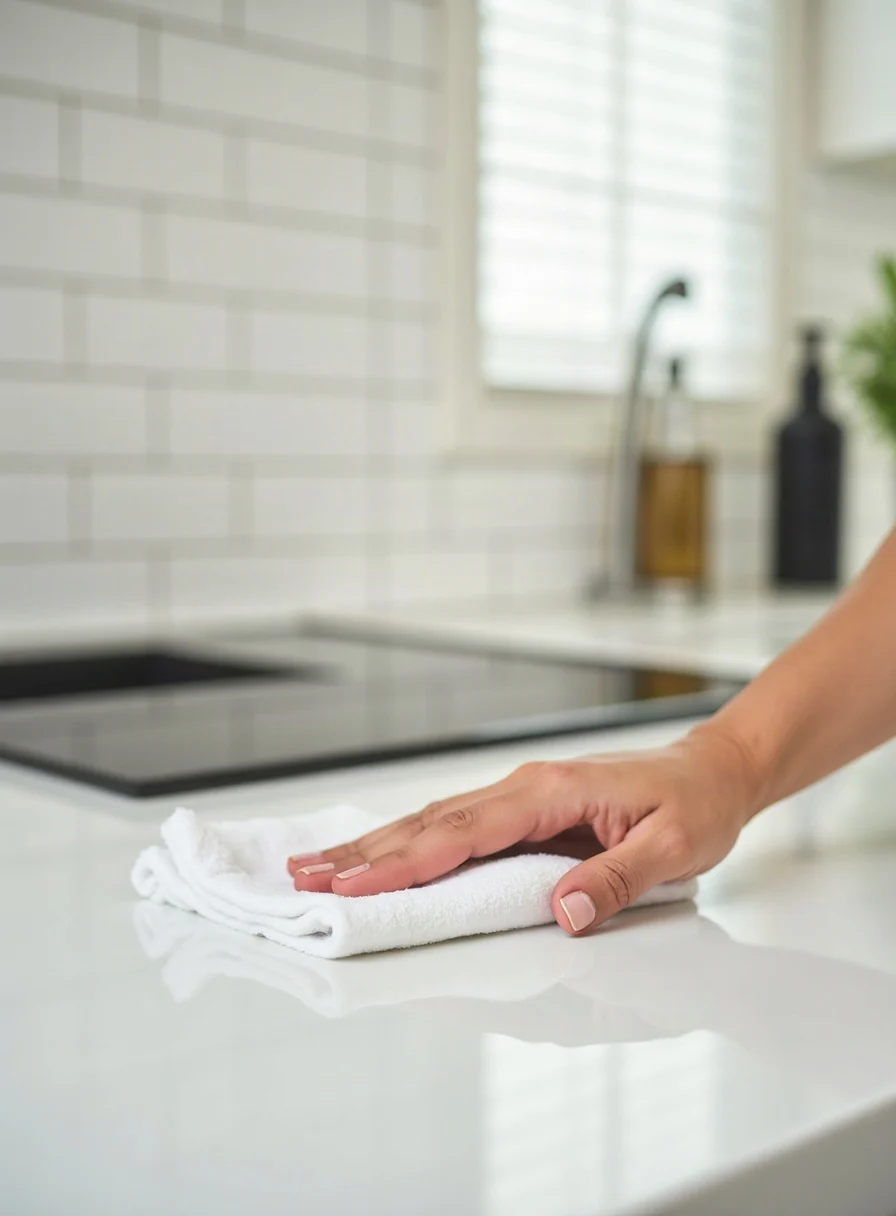
The problem is obvious once you see it. A single quick wipe leaves a thin film of liquid that evaporates in 20 to 30 seconds, long before the disinfectant has had time to work, so you land near the bottom of that curve, killing only a small fraction of the germs. To get the result on the label, the surface has to stay wet for the whole contact time, which on anything bigger than a small area usually means going over it again with more wipes to keep it damp [1].
Why a quick wipe barely disinfects
Disinfecting isn’t instant. The active chemicals in a wipe need time to penetrate and destroy the cell walls and proteins of bacteria and viruses, that’s the whole reason a contact time exists. When the fluid dries, the reaction stops, and any germs that hadn’t yet been killed simply survive [1]. As the wipe itself dries out with use, its solution and active ingredients deplete too, so a wipe on its third or fourth surface is carrying far less disinfecting power than a fresh one.
This is the same “clean versus disinfect” distinction we cover in antibacterial versus plain soap: a fast wipe cleans (it physically removes some grime and germs), but disinfecting, actually killing what remains, needs that wet contact time. Both matter, but they’re not the same job, and it’s the disinfecting step people accidentally skip.
One wipe, one surface, why reusing spreads germs
Here’s the finding that surprises people most. In a much-cited study, researchers found that antibacterial wipes could remove bacteria from a surface but often failed to kill the bacteria they’d picked up, so when the same wipe was used on the next surface, it transferred those live bacteria straight onto it [3]. In other words, dragging one wipe across the worktop, then the tap, then the handle doesn’t disinfect three things; it can inoculate two of them with germs from the first.
The researchers’ recommendation, echoed by hospital infection-control reviews, is simple: use one wipe for one surface (or one small zone), then throw it away [3][4]. It feels wasteful, but it’s the difference between disinfecting and redistributing. For a big job, that means reaching for several wipes, or, honestly, a spray and a cloth you can keep wet is often the better tool.
Clean first, then disinfect
Disinfectant wipes work best on an already-clean surface. Grease, food debris and other organic matter physically shield germs and can chemically neutralise the disinfectant, the quaternary-ammonium compounds in many wipes are readily deactivated by soil and even by soft materials. So on a visibly dirty surface, wipe or wash the grime away first, then use a fresh wipe to disinfect and leave it wet for the contact time. One wipe rarely does both jobs well.
What’s actually in a disinfectant wipe
See disinfectant wipes on Amazon →
Not all wipes are the same, and the active ingredient changes what they kill and how long they need. The common types:
| Active ingredient | Notes |
|---|---|
| Quaternary ammonium (“quats”, e.g. benzalkonium chloride) | The most common household type; good on many bacteria, but soil and cloth can weaken it, and it needs its full contact time. |
| Alcohol (ethanol / isopropanol) | Fast against many germs, but evaporates quickly, so it can dry before its own contact time on a big area. |
| Hypochlorite (bleach) wipes | Powerful, including against tough bugs like norovirus and C. difficile; harsher, and must never be mixed with other cleaners. |
| “Antibacterial” household wipes | Aimed at bacteria; may make weaker claims than full “disinfectant” wipes, check the label for what it actually kills. |
The label is the thing to read: it tells you what the wipe is proven to kill, and the contact time to achieve it. A wipe that says “sanitises” is making a lower claim than one that says “disinfects”, and bleach-based wipes carry the same don’t-mix cautions as liquid bleach, see cleaning products you should never mix.
How to use disinfectant wipes properly
See surface sprays on Amazon →
Put it all together and the correct method is quick to learn [1][2]:
- Clean off visible dirt first if the surface is soiled, grease and food blunt the disinfectant.
- Use one wipe per surface or small zone, then bin it. Don’t drag the same wipe around the whole room.
- Leave the surface visibly wet for the full contact time on the label (often ~4 minutes). On a larger area, go over it again with fresh wipes to keep it damp the whole time.
- Let it air-dry so the disinfectant keeps working, don’t buff it dry straight away.
- Rinse food-contact surfaces (worktops, chopping boards, high-chair trays) with clean water afterwards, unless the label says it’s food-safe.
- Ventilate, wear gloves if your skin is sensitive, and store wipes sealed so they don’t dry out.
The common mistakes
- One wipe for the whole kitchen, spreads germs rather than killing them.
- Wiping it dry immediately, ends the contact time after a few seconds.
- Using them on hands or skin, surface disinfectant wipes aren’t hand wipes and can irritate; wash your hands instead (see soap vs sanitiser).
- Using dried-out or expired wipes, the active ingredient degrades over time, just as it does with bleach and other disinfectants.
- Flushing them, even “flushable” wipes don’t break down like toilet paper and are a leading cause of drain blockages and fatbergs. Always bin them.
When wipes are (and aren’t) the right tool
Wipes are brilliant for what they’re designed for: small, high-touch spots, a door handle, a phone, a light switch, a toilet flush, a shopping-trolley handle, where one wipe covers the area and you can keep it wet easily. They’re convenient, portable and mess-free. For large areas, though, a wipe dries too fast and you’d burn through a dozen to keep a worktop wet for four minutes, so a spray disinfectant and a cloth (which you can re-spray to hold the contact time) is cheaper and more effective. And for the germs that live longest on surfaces, covered in how long do germs live on surfaces?, the contact time is exactly what finishes them off.
Clean first, then disinfect, and respect the contact time.
The bottom line
Disinfectant wipes work, the science is on their side, but only if you respect the contact time and use one wipe per surface. A fast wipe that dries in seconds mostly relocates germs; keeping the surface wet for the label’s few minutes is what actually kills them, and a fresh wipe per surface stops you spreading bacteria from one place to the next. Clean visible dirt first, use enough wipes to keep things wet, let them air-dry, rinse food surfaces, and never flush them. Do that and wipes are a genuinely useful disinfectant; treat them as a magic one-second fix and you’re mostly just tidying.
Myths vs facts
| Myth | What the evidence says |
|---|---|
| “A quick wipe disinfects the surface.” | It must stay visibly wet for the full contact time (often ~4 min) to kill germs [1]. |
| “One wipe can do the whole kitchen.” | Reusing a wipe spreads live bacteria to new surfaces, one wipe per surface [3]. |
| “Wiping it dry finishes the job.” | Drying ends the contact time; let it air-dry instead [1]. |
| “Wipes work on dirty surfaces.” | Grease and soil blunt the disinfectant, clean first, then disinfect. |
| “Disinfectant wipes are fine for hands.” | They’re for surfaces; use soap and water on skin. |
Frequently asked questions
Do disinfectant wipes actually work?
Yes, when used correctly. An EPA-registered disinfectant wipe kills the germs on its label, but only if the surface stays visibly wet for the full contact time and you use one wipe per surface. Used as a quick, single swipe across several surfaces, wipes largely move germs around rather than killing them.
How long do disinfectant wipes need to stay wet?
Whatever the label’s contact time says, commonly around four minutes for household wipes, and longer for tough viruses. The surface must remain visibly wet for that entire time, so on anything larger than a small spot you’ll need to go over it with extra wipes to keep it damp.
Can you use one wipe for the whole kitchen?
No, that’s the classic mistake. Studies show a wipe can lift bacteria off one surface without killing them and then deposit them on the next, so a single wipe used across the kitchen can spread germs. Use one wipe per surface or small zone and then throw it away.
Do you need to let disinfectant wipes air-dry?
Yes. Buffing the surface dry straight after wiping cuts the contact time to a few seconds, so the disinfectant can’t finish working. Leave the surface wet and let it air-dry, then rinse it with water afterwards if it’s a food-preparation area.
Should you clean before using a disinfectant wipe?
If the surface is visibly dirty, yes. Grease and food debris shield germs and can neutralise the disinfectant, so wipe or wash the dirt away first, then use a fresh wipe to disinfect. On an already-clean surface you can disinfect directly, keeping it wet for the contact time.
Are disinfectant wipes safe on food-preparation surfaces?
Only if the label says so, and you should rinse the surface with clean water afterwards unless it’s specifically food-safe. Many disinfectants leave a residue that shouldn’t contact food, so worktops, chopping boards and high-chair trays get a plain-water wipe once the contact time is up.
Can you use disinfectant wipes on your hands or skin?
No. Surface disinfectant wipes are formulated for hard surfaces, not skin, and can cause irritation. To clean your hands, wash with soap and water, or use a hand sanitiser with at least 60% alcohol, surface wipes are not a substitute.
Do disinfectant wipes expire?
Yes. The active ingredient degrades over time, and the wipes can dry out, so both effectiveness and moisture decline. Check the date on the tub, keep the lid sealed tightly, and replace old or dried-out packs if you’re relying on them to disinfect rather than just wipe up.
Can you flush disinfectant wipes?
Never, including ones labelled “flushable”. Unlike toilet paper, wipes don’t break down quickly and are a major cause of drain blockages and sewer “fatbergs”. Always put used wipes in the bin, not the toilet.
Wipes or spray-and-cloth, which is better?
Wipes win for small, high-touch spots, handles, phones, switches, where one wipe covers the area. For large surfaces a spray disinfectant with a cloth is better and cheaper, because you can re-spray to keep the surface wet for the full contact time instead of burning through many wipes.
Related reading: how long do germs live on surfaces? and is the kitchen dirtier than the bathroom?
References
- US Environmental Protection Agency. “Six Steps to Safe & Effective Disinfectant Use” (keep the surface visibly wet for the contact time; follow the label). epa.gov
- University of Arizona, Community IPM. “What You Need to Know About Disinfectant Wipes” (contact time, one wipe per surface, keeping surfaces wet). arizona.edu
- ScienceDaily / Cardiff University (Maillard et al.). “Antibacterial Wipes Can Spread Bacteria Around” (wipes remove but may not kill bacteria; reuse transfers them). sciencedaily.com
- Antimicrobial Resistance & Infection Control. “Efficacy of disinfectant-impregnated wipes used for surface disinfection in hospitals: a review” (2019). aricjournal.biomedcentral.com
This article is general cleaning information, not a substitute for the manufacturer’s label. Always follow the product’s directions and contact time, and never mix disinfectants with other cleaning products.